Support our educational content for free when you purchase through links on our site. Learn more
🚗 Is Leasing Good or Bad for Your Credit? (2026)

We’ve all been there: standing in a dealership showroom, staring at a gleaming new BMW or Tesla, mesmerized by that seductively low monthly payment. But as the salesperson slides the contract across the desk, a naging thought creps in: “Will this wreck my credit score, or is it the secret weapon I need to boost it?” The truth is, leasing is a financial double-edged sword that can either skyrocket your score with a perfect payment history or plunge it into the abyss with a single missed payment or a surprise mileage fee.
Unlike buying, where you build equity, leasing is a high-stakes game of “rent-to-own” where the rules are strict. Did you know that while a lease is treated as an installment loan (just like a car loan), the hidden costs of early termination can trigger a default that stays on your report for seven years? In this deep dive, we’ll uncover the 7 critical steps to leasing with bad credit, expose the “Money Factor” trap that many dealers hide, and reveal exactly how to manage your lease so it becomes a credit-building powerhouse rather than a financial nightmare.
Key Takeaways
- Leasing is an Installment Loan: It adds positive diversity to your credit mix and builds history if payments are always on time.
- The “Bad Credit” Hurdle: While difficult, you can lease with a lower score by using a cosigner, making a large down payment, or choosing specific “lease-friendly” brands.
- Hidden Risks: Exceeding mileage limits or breaking a lease early can lead to massive fees that, if unpaid, result in collections and severe credit damage.
- Equity vs. Cash Flow: Leasing offers lower monthly payments but zero equity; buying builds asset value but often requires higher monthly outlays.
- Management is Key: Your credit score depends entirely on your behavior; a well-managed lease helps, while a mismanaged one hurts just as much as a defaulted loan.
Table of Contents
- ⚡️ Quick Tips and Facts
- 🕰️ The History of Auto Leasing and Its Evolution in Credit Markets
- 🧠 Understanding Leases and Credit: The Core Mechanics
- 📉 How Does Leasing a Car Affect Credit Scores Over Time?
- 🆚 Leasing vs. Buying: The Ultimate Credit Score Showdown
- 🚦 Can You Lease a Car With Bad Credit? 7 Critical Steps to Approval
- 🛡️ Managing Your Credit During a Lease: Avoiding the Pitfalls
- 💸 The Hidden Costs That Can Sabotage Your Credit Profile
- 📊 Credit Scores, Reports, and the “Lease Factor” Explained
- 🔍 Fraud & Identity Theft: Protecting Your Data While Leasing
- 💳 Credit Cards, Debt Management, and Your Lease Strategy
- 👨 👩 👧 👦 Life Stages: How Leasing Impacts First-Time Buyers vs. Families
- 🛠️ Help Look After Your Family with Credit Monitoring and ID Theft Protection Features
- 🔒 Take Control with a One-Stop Credit Monitoring and Identity Theft Protection Solution
- 🚨 Don’t Let Identity Theft Catch You Off Guard: Get Better Prepared
- 📈 Get the Basics with Your Daily Credit Score and Report
- 🌐 Información Crediticia de EE. UU.: A Guide for International Drivers
- 🎥 Videos: Visualizing the Lease vs. Buy Debate
- 💳 Credit Card Offers and Personal Loan Rates for Lease Signers
- 🚗 Auto Loan Rates vs. Money Factors: What You Need to Know
- 🛡️ Insurance Quotes: How Leasing Changes Your Coverage Needs
- 🏆 Highlights: The Verdict on Leasing and Your Credit Health
- 📝 Related Content
- 🚪 Don’t Have an Account? Start Here
- 🏁 Conclusion
- 🔗 Recommended Links
- 📚 Reference Links
⚡️ Quick Tips and Facts
Before we dive into the nitty-gritty of how a lease interacts with your credit report, let’s hit the highlights. We’ve seen too many folks sign on the dotted line without realizing the financial gymnastics required. Here’s the scoop:
- ✅ Leasing is an Installment Loan: Unlike a credit card (revolving debt), a lease is treated as an installment loan by the three major bureaus (Experian, TransUnion, and Equifax). This adds diversity to your credit mix.
- ✅ Payment History is King: Making on-time payments is the single most effective way to boost your score. One late payment (30+ days) can tank your score just as hard as a missed mortgage payment.
- ❌ No Equity Building: Unlike buying, you aren’t building equity. You are essentially renting the car’s depreciation. If you walk away at the end, you own nothing.
- ❌ The “Hard Inquiry” Dip: Applying for a lease triggers a hard inquiry, which might drop your score by 5–10 points temporarily.
- ⚠️ Mileage Matters: Exceeding your mileage limit results in fees that, if unpaid, can become collections and destroy your credit.
- ⚠️ Early Termination is a Nightmare: Breaking a lease early often incurs massive penalties that can lead to default if you can’t pay.
Curious if you should even be looking at a lease? We break down the pros and cons in our deep dive: Is it a good idea to lease a car?.
🕰️ The History of Auto Leasing and Its Evolution in Credit Markets

You might think leasing is a modern invention, but the concept dates back to the 1920s! However, it wasn’t until the 1960s and 70s that leasing exploded in popularity, largely driven by corporate tax incentives. Back then, leasing was a “rich person’s game,” reserved for executives who could write off the entire cost.
Fast forward today, and leasing has democratized. It’s no longer just for the C-suite; it’s a mainstream strategy for families and individuals looking to manage cash flow. But how did this shift affect your credit?
In the early days, credit bureaus didn’t always distinguish between a lease and a loan. Today, the FICO scoring models have evolved to treat leases specifically as installment debt. This evolution means that a well-managed lease is now a powerful tool for building a robust credit profile, provided you understand the mechanics.
Did you know? The Federal Trade Commission (FTC) requires lessors to disclose the total dollar amount of payments, but they famously do not require the disclosure of the APR (Annual Percentage Rate) on leases. This lack of transparency is why many consumers don’t realize they are paying a “hidden” interest rate, often ranging from 10% to 14% or higher!
🧠 Understanding Leases and Credit: The Core Mechanics
So, how does this actually work under the hood? When you sign a lease, you are entering a contractual agreement to pay for the vehicle’s depreciation over a set period (usually 24 to 36 months).
The Credit Report Anatomy
When the leasing company (often the manufacturer’s captive finance arm like Toyota Financial Services, BMW Financial Services, or Honda Financial) reports your account to the bureaus, it appears as an installment account.
- Credit Mix (10% of your score): Having a mix of revolving credit (credit cards) and installment credit (loans/leases) is beneficial. If you only have credit cards, adding a lease can actually boost your score by diversifying your profile.
- Payment History (35% of your score): This is the heavy lifter. Every month you pay on time, you are adding a positive data point.
- Amounts Owed (30% of your score): While leases don’t have a “balance” in the traditional sense, the original lease amount is reported. High lease payments relative to your income can impact your debt-to-income ratio, which lenders look at for future approvals.
The “Money Factor” Mystery
Unlike a car loan where you see an interest rate, leases use a Money Factor. This is essentially the interest rate divided by 240.
- Example: A money factor of 0.025 translates to an APR of 6%.
- The Trap: Many consumers with lower credit scores are assigned a higher money factor without realizing it, effectively paying a 15%+ APR.
For a deeper dive into financing mechanics, check out our guide on Auto Financing Options.
📉 How Does Leasing a Car Affect Credit Scores Over Time?
Let’s play out a scenario. You sign a lease for a sleek Tesla Model 3 or a rugged Ford F-150. What happens to your credit score month by month?
The Initial Drop (The “Hard Inquiry” Phase)
Month 0: You apply. The dealer runs your credit.
- Impact: Your score drops by 5–10 points.
- Duration: This effect is temporary. If you apply for multiple leases within a short window (14–45 days), FICO usually counts them as a single inquiry for rate-shopping purposes.
The Building Phase (The “Positive History” Phase)
Months 1–36: You make payments.
- Impact: If you pay on time, your score rises.
- Why? You are demonstrating reliability. The longer the account stays open and in good standing, the more it helps your “length of credit history” and “payment history” factors.
The End Game (The “Closed Account” Phase)
Month 37: The lease ends. You return the car.
- Impact: The account is marked as “Closed in Good Standing.”
- The Twist: Closed accounts in good standing stay on your report for 10 years, continuing to help your credit history length. However, once it’s closed, it stops contributing to your “active payment history” score.
The Risk: If you miss a payment, it stays on your report for 7 years. If you default and the car is repossessed, the damage is severe and long-lasting.
🆚 Leasing vs. Buying: The Ultimate Credit Score Showdown
Is leasing better for your credit than buying? It’s a common debate. Let’s break it down with a comparison table.
| Feature | Leasing a Car | Buying a Car (Loan) |
|---|---|---|
| Credit Type | Installment Loan | Installment Loan |
| Equity Building | ❌ None (You own nothing) | ✅ Yes (You own the asset) |
| Payment History | ✅ Builds if paid on time | ✅ Builds if paid on time |
| Credit Mix | ✅ Adds diversity | ✅ Adds diversity |
| Impact of Default | ❌ Severe (Reposession + Fees) | ❌ Severe (Reposession + Deficiency Balance) |
| Credit Utilization | N/A (Fixed payments) | N/A (Fixed payments) |
| Long-term Score | ⚠️ Stops growing after lease ends | ✅ Continues as you pay down balance |
| Early Termination | ❌ High fees, potential default | ⚠️ Prepayment penalties (sometimes) |
The Verdict: From a pure credit score perspective, both are equal if you pay on time. The difference lies in the financial outcome. Buying builds equity, which can be used as a down payment for your next car, potentially lowering your future loan amounts and improving your debt-to-income ratio. Leasing keeps your monthly payments lower, which might help you manage cash flow, but leaves you with no asset.
For more on the best terms to look for, visit our Best Lease Terms category.
🚦 Can You Lease a Car With Bad Credit? 7 Critical Steps to Approval
Can you lease a car with bad credit? The short answer is yes, but it’s like trying to drive a Ferrari through a mud pit—you need the right strategy. While Capital One notes that there is no universal minimum score, most dealerships prefer a FICO score of 670 or higher for the best rates. If you are below that, here is your battle plan:
- Check Your Credit Report First: Don’t guess. Get your free report from AnnualCreditReport.com to ensure there are no errors dragging your score down.
- Save for a Larger Down Payment: A larger capitalized cost reduction (down payment) lowers the monthly payment, making you look less risky to the lender.
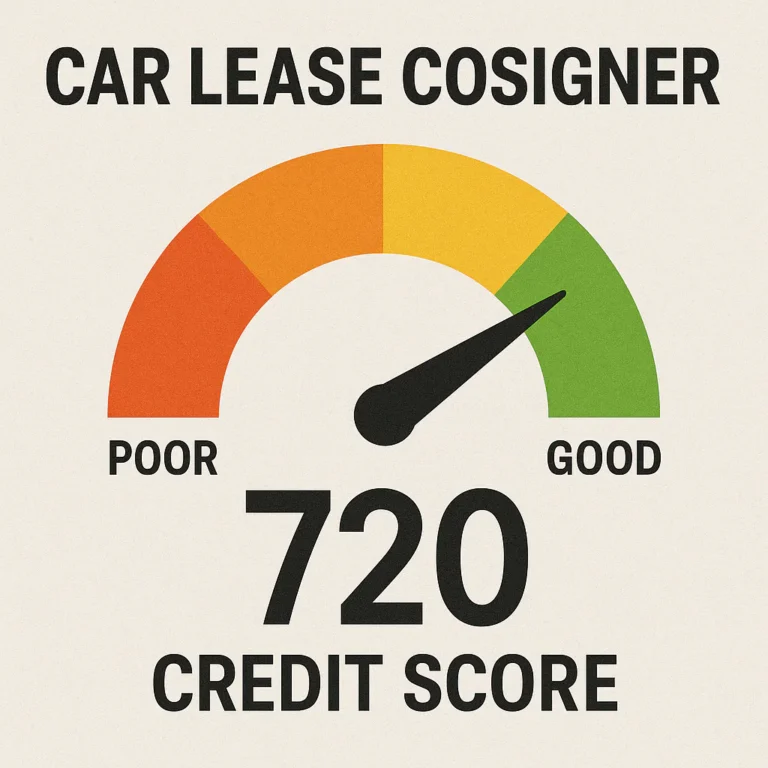
- Find a Cosigner: This is the golden ticket. A cosigner with excellent credit can get you approved and secure a lower money factor. Warning: If you miss a payment, their credit takes the hit.
- Trade In Equity: If you own a car, trade it in. Positive equity acts as a massive down payment.
- Choose a “Lease-Friendly” Vehicle: Some brands are more aggressive with leasing. Honda, Toyota, and Mazda often have better inventory and terms for subprime borrowers than luxury brands.
- 👉 Shop Around: Don’t just go to one dealer. Credit requirements vary wildly between Ford Credit, GM Financial, and Chrysler Capital.
- Consider a Lease Transfer: Look for someone else’s lease on sites like Swapalease or LeaseTrader. These often have lower credit requirements because the original lesee has already been approved.
Pro Tip: Avoid “Buy Here, Pay Here” or “Lease Here, Pay Here” lots. As the Consumer Financial Protection Bureau (CFPB) warns, these often come with predatory terms and high rental charges that can trap you in debt.
🛡️ Managing Your Credit During a Lease: Avoiding the Pitfalls
You’ve got the lease. Now, how do you keep your credit score from crashing?
The “Set It and Forget It” Trap
Many people set up autopay and assume they are safe. But what if your bank account is empty?
- ✅ Best Practice: Set up autopay but keep a buffer in your checking account.
- ✅ Best Practice: Enable payment alerts from your bank and the leasing company.
The Mileage Minefield
Let’s say you lease a Subaru Outback with 10,0 miles/year. You go on a road trip and hit 12,50 miles.
- The Cost: You might owe $0.15 to $0.25 per excess mile. That’s $375+ in fees.
- The Credit Risk: If you ignore this bill, it goes to collections. Collections destroy credit scores.
- The Fix: Track your mileage monthly. If you think you’ll go over, buy extra miles upfront (usually cheaper) or return the car early if the fees are astronomical.
The Early Termination Nightmare
Life happens. You get a job in another state. You need to break the lease.
- The Reality: Early termination fees can equal 6–12 months of payments.
- The Credit Impact: If you can’t pay the termination fee, the account goes into default.
- The Solution: Look for a lease takeover service. Transfer the lease to someone else. This is often the only way to exit without ruining your credit.
💸 The Hidden Costs That Can Sabotage Your Credit Profile
It’s not just the monthly payment that matters. Here are the silent credit-killers:
- Excess Wear and Tear: Dents, scratches, and bald tires. If the dealer charges you $2,0 for “wear and tear” and you don’t pay, it’s a collection account.
- Gap Insurance: If your car is totaled, the insurance pays the actual cash value. If that’s less than your lease payoff, you owe the difference. Gap insurance covers this. Without it, you could owe thousands, leading to default.
- Sales Tax on the Full Value: In some states, you pay tax on the full value of the car, not just the depreciation. This increases your monthly payment, potentially stretching your budget to the breaking point.
📊 Credit Scores, Reports, and the “Lease Factor” Explained
Understanding the numbers is crucial. Let’s look at the FICO Score 8 model, which is widely used by auto lenders.
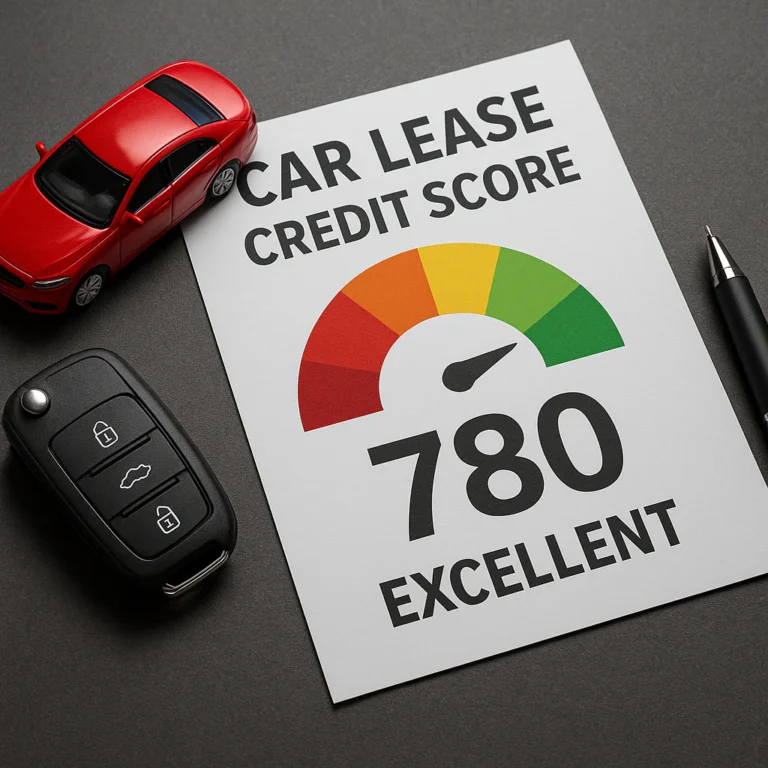
| Score Range | Classification | Lease Implications |
|---|---|---|
| 80–850 | Exceptional | Lowest money factors, highest approval odds, minimal down payment. |
| 740–79 | Very Good | Great terms, competitive rates. |
| 670–739 | Good | Standard rates, may require a small down payment. |
| 580–69 | Fair | Higher money factors, likely requires a cosigner or large down payment. |
| 30–579 | Poor | Difficult to lease; may require “subprime” lenders with high fees. |
The “Lease Factor” Myth: Some believe leasing hurts your score more than buying. This is false. Both are installment loans. The only difference is the residual value calculation. If you manage the account well, the impact is identical.
🔍 Fraud & Identity Theft: Protecting Your Data While Leasing
Leasing requires a lot of personal data: SSN, income, address, employment history. This makes you a target.
- The Risk: Dealerships and finance companies hold sensitive data. A breach could lead to identity theft.
- The Defense:
Freeze Your Credit: Before applying, freeze your credit with Experian, TransUnion, and Equifax. You can unfreeze it instantly when you are ready to apply.
Monitor Your Report: Use services like CreditWise from Capital One or Experian IdentityWorks to get alerts on new accounts opened in your name.
Verify the Dealer: Ensure you are dealing with a legitimate dealership. Scammers often pose as “lease brokers” to steal deposits.
💳 Credit Cards, Debt Management, and Your Lease Strategy
Your lease is just one piece of the puzzle. How does it interact with your credit cards?
- Credit Utilization Ratio: This is the amount of credit you’re using vs. your limit. If your lease payment is high, and you max out your credit cards to cover the down payment, your utilization spikes, and your score drops.
- Strategy: Keep credit card balances below 30% of your limit. If you need a large down payment, consider using a 0% APR credit card (if you can pay it off quickly) rather than maxing out a high-interest card.
- Debt-to-Income (DTI): Lenders look at your DTI. A high lease payment increases your DTI, making it harder to get a mortgage or another loan.
👨 👩 👧 👦 Life Stages: How Leasing Impacts First-Time Buyers vs. Families
The First-Time Buyer
- Pros: Lower monthly payments make it easier to get approved with a limited credit history.
- Cons: No equity means you can’t trade it in for a down payment on a house or a bigger car later.
- Verdict: Good for building credit, but risky if you plan to stay in the car long-term.
The Family Driver
- Pros: Warranty coverage means no surprise repair bills. You can upgrade to a larger SUV every 3 years as the family grows.
- Cons: Mileage limits are a nightmare for school runs and road trips. Excess wear fees for kids’ car seats and scuff marks can be costly.
- Verdict: Great for predictable budgets, but requires strict mileage management.
🛠️ Help Look After Your Family with Credit Monitoring and ID Theft Protection Features
Protecting your family’s financial future is paramount. When you lease a car, you are adding a significant financial obligation to your family’s profile.
- Why Monitor? A single instance of identity theft can derail your ability to refinance the lease or buy a home.
- Tools: Services like LifeLock or Experian IdentityWorks offer monitoring for all family members.
- Action Item: Set up fraud alerts on your credit files. This requires creditors to verify your identity before opening new accounts.
🔒 Take Control with a One-Stop Credit Monitoring and Identity Theft Protection Solution
Don’t wait for a breach to act. A comprehensive solution gives you peace of mind.
- Features to Look For:
- Real-time credit monitoring.
- Dark web scanning.
- Identity restoration services.
- Insurance coverage for legal fees.
- Recommendation: Consider Equifax Complete™ or Capital One CreditWise (free) to start monitoring immediately.
🚨 Don’t Let Identity Theft Catch You Off Guard: Get Better Prepared
Imagine this: You return your leased car, and a month later, you get a call from a collection agency for a car you never leased. This happens.
- Preparation: Keep copies of your lease agreement, return inspection reports, and all correspondence.
- Response: If you suspect fraud, dispute the account immediately with the bureaus and the leasing company.
📈 Get the Basics with Your Daily Credit Score and Report
You don’t need to pay for a score. Many banks and credit card issuers (like Chase, Amex, Discover) provide your FICO score for free.
- Frequency: Check your score monthly.
- Trend: Look for trends. Is your score dropping? Is it rising?
- Correction: If you see an error (like a missed payment that you actually made), dispute it immediately.
🌐 Información Crediticia de EE. UU.: A Guide for International Drivers
For our international friends moving to the US, leasing can be tricky.
- The Challenge: No US credit history.
- The Solution: Some lenders (like BMW Financial Services or Mercedes-Benz Financial) have programs for international drivers. You may need to provide:
- Passport and Visa.
- Proof of income (US or foreign).
- A larger down payment (often 50% or more).
- An International Driver’s License.
🎥 Videos: Visualizing the Lease vs. Buy Debate
Sometimes, you need to see the numbers to believe them. We highly recommend checking out the perspective of financial experts who break down the math.
Featured Video Insight: In a popular analysis, financial experts argue that “Leasing a car is the most expensive way to operate a vehicle.” They highlight that while the monthly payment is lower, you are paying a high APR (often 14%+) without building any equity. The video suggests that if you have $25,0 saved, buying a $15,0 car and keeping the $10,0 difference is a smarter financial move.
Watch the full breakdown here: Featured Video: The Truth About Leasing
💳 Credit Card Offers and Personal Loan Rates for Lease Signers
When you lease, you might be tempted to use a credit card for the down payment or fees.
- The Risk: High-interest credit card debt can spiral.
- The Strategy: Look for 0% APR credit card offers for 12–18 months. Use this to pay the down payment, then pay it off before the rate hikes.
- Personal Loans: If you need cash for a down payment, a personal loan with a lower rate than a credit card might better, but it adds another installment loan to your report.
🚗 Auto Loan Rates vs. Money Factors: What You Need to Know
Understanding the difference is key to negotiating.
- Auto Loan Rate: The interest rate on a purchase.
- Money Factor: The lease interest rate.
- Conversion: Money Factor x 240 = APR.
- Negotiation Tip: Always ask for the Money Factor and the Residual Value. These are the two levers you can pull to lower your payment. A lower money factor is like a lower interest rate.
🛡️ Insurance Quotes: How Leasing Changes Your Coverage Needs
Leasing companies require full coverage (Comprehensive and Collision) with specific liability limits (often 10/30/10).
- Cost: This is more expensive than the minimum coverage required for a loan.
- Gap Insurance: Often included in the lease, but verify. If not, buy it.
- Tip: Shop around for insurance quotes before signing the lease. Some cars (like Volvo or Subaru) have lower insurance rates than others (like BMW or Audi).
🏆 Highlights: The Verdict on Leasing and Your Credit Health
So, is leasing a car good or bad for your credit?
- Good: If you make on-time payments, it builds a strong payment history and diversifies your credit mix.
- Bad: If you miss payments, exceed mileage limits, or break the lease early, it can devastate your score.
- Neutral: The act of leasing itself doesn’t inherently help or hurt more than buying. It’s all about how you manage it.
The key takeaway? Leasing is a tool. Like a hammer, it can build a house or break a window. It depends on the user.
📝 Related Content
- Car Lease Basics
- Latest Car Lease Deals
- Electric Vehicle Leases
- Auto Financing Options
- Best Lease Terms
🚪 Don’t Have an Account? Start Here
Ready to check your credit or start your lease journey?
- Credit Monitoring: Sign up for free tools like CreditWise or Experian.
- Lease Search: Browse the latest deals at Car Leases™.
🏁 Conclusion

We started this journey asking a simple question: Is leasing a car good or bad for your credit? The answer, as we’ve discovered, is a nuanced “It depends.”
Leasing is a powerful tool for building credit if you are disciplined. It adds an installment loan to your profile, diversifying your credit mix and providing a long history of on-time payments. However, it is a double-edged sword. Miss a payment, exceed your mileage, or try to break the lease early, and you could face financial ruin that lingers on your credit report for years.
Our Confident Recommendation:
If you are a disciplined driver who loves new cars every 3 years, has a stable income, and can strictly adhere to mileage limits, leasing is a viable option that can help your credit score.
However, if you drive a lot, have unpredictable expenses, or want to build long-term wealth through equity, buying is the superior choice.
Don’t let the allure of a low monthly payment blind you to the hidden costs. Always read the fine print, check your credit report before applying, and ensure you have an emergency fund. Remember, the goal isn’t just to have a nice car; it’s to have a healthy financial future.
🔗 Recommended Links
👉 Shop
- Toyota: Toyota Lease Search | Edmunds Toyota Deals
- Honda: Honda Lease Offers | TrueCar Honda
- BMW: BMW Lease Specials | Auto Trader BMW
- Tesla: Tesla Lease Options | Car Leases™ EV Deals
Credit Monitoring Tools:
- CreditWise from Capital One: Sign Up Free
- Experian IdentityWorks: Get Started
- AnnualCreditReport.com: Free Reports
📚 Reference Links
- Equifax: How Car Leases Affect Credit
- Experian: Does Leasing a Car Build Credit?
- Capital One: Can You Lease a Car With Bad Credit?
- Federal Trade Commission: Leasing a Car
- Consumer Financial Protection Bureau (CFPB): Leasing a Car
FAQ

Does leasing a car build credit faster than buying?
No, not necessarily. Both leasing and buying are treated as installment loans by credit bureaus. The speed at which your credit builds depends on your payment history and the length of the account, not whether you own the car or lease it. A 36-month lease and a 36-month loan will have a similar impact on your score if payments are made on time. However, buying allows you to build equity, which can be leveraged for future loans, potentially improving your overall financial profile faster in the long run.
Read more about “🚗 What Happens at the End of a Car Lease? (2026 Guide)”
How does a car lease affect my credit score initially?
When you first apply for a lease, the lender will perform a hard inquiry on your credit report. This typically causes a small, temporary drop in your score (usually 5–10 points). This effect fades within a few months. Once the lease is active, your score will begin to rise if you make on-time payments, as you are establishing a positive payment history.
Can I get approved for a car lease with bad credit?
Yes, but it is difficult. While there is no universal minimum score, most lenders prefer a FICO score of 670 or higher. If your score is lower, you may face:
- Higher money factors (interest rates).
- Larger down payments (capitalized cost reduction).
- Requirement for a cosigner.
- Limited vehicle choices.
Some dealerships specialize in “subprime” leasing, but be wary of predatory terms and high fees.
Read more about “🚗 Lease Assumption Requirements: The 2026 Guide to Taking Over a Lease”
What credit score is needed to lease a car with the best rates?
To secure the best money factors and lowest monthly payments, you generally need a FICO score of 720 or higher. Scores in the 740–79 range are considered “Very Good” and will get you excellent terms. Scores below 670 will likely result in significantly higher costs, making the lease much more expensive than a comparable loan.
Read more about “🚗 What Credit Score Do You Need to Lease a Car? (2026 Guide)”
What happens to my credit if I return the car early?
Returning a car early is often treated as a default if you haven’t paid the termination fees. These fees can be substantial (often equal to several months of payments). If you cannot pay, the account may go to collections, which will severely damage your credit score. The best way to avoid this is to look for a lease transfer or wait until the lease term ends.
Read more about “🚗 5 Upside Down Lease Options to Escape Negative Equity (2026)”
Does the mileage limit affect my credit score?
Indirectly, yes. If you exceed your mileage limit, you will be charged fees. If you ignore these fees and they go unpaid, the leasing company may send the debt to collections. A collection account is a major negative factor on your credit report and can drop your score by 10+ points. Always track your mileage and budget for potential overage fees.
Read more about “🚗 What Is a Car Lease? The Ultimate 2026 Guide to Driving Smart”