Support our educational content for free when you purchase through links on our site. Learn more
🚗 Leased Car Fair Wear and Tear Guide: 15 Rules to Avoid Fees (2026)

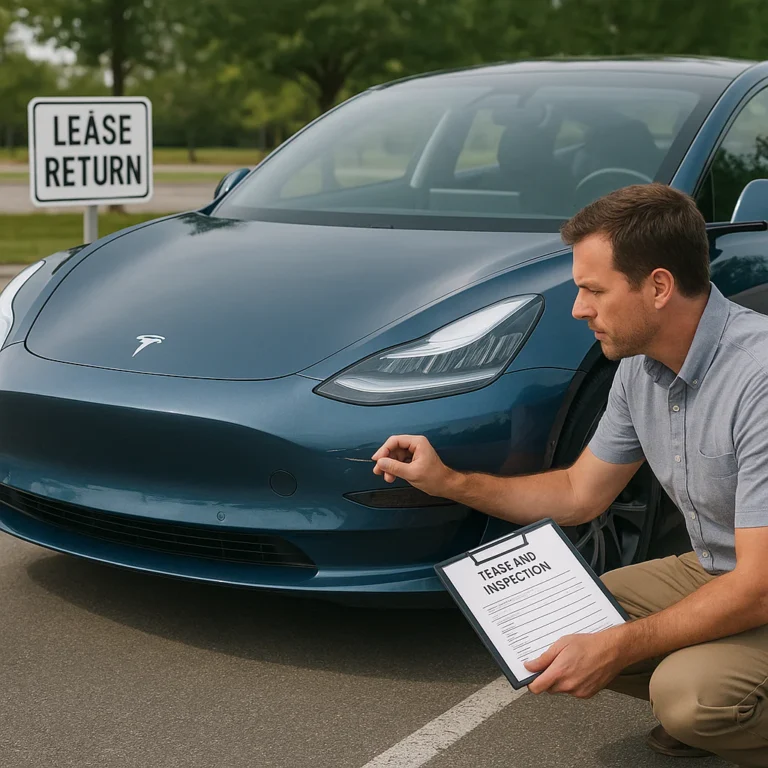
The single most important rule to avoid surprise lease return fees is to measure every scratch and dent against the strict 25mm limit before you hand over the keys. This comprehensive Leased car fair wear and tear guide breaks down exactly what leasing companies consider “normal” versus “excessive,” ensuring you walk away with your deposit intact.
We’ve seen too many drivers panic when an inspector points out a scuff they thought was invisible. One of our team members once returned a pristine BMW, only to be hit with a £30 charge for a 30mm scratch on the rear bumper that he had missed in the garage light.
It turns out, the difference between a free return and a costly bill often comes down to a few millimeters and a clear understanding of the BVRLA guidelines. Don’t let a tiny ding cost you a fortune; knowing the rules is your best defense.
Key Takeaways
- The 25mm Rule is Critical: Scratches and scuffs under 25mm (roughly the width of a thumb) are generally accepted as fair wear and tear; anything larger incurs a charge.
- Tire Tread Must Exceed 1.6mm: Ensure all tires, including the spare, have legal tread depth and show no signs of uneven wear or damage.
- Document Everything Early: Conduct your own inspection 10–12 weeks before return, take dated photos, and fix minor issues yourself to save on dealer repair rates.
- Interior Odors Are a Dealbreaker: Strong smells of smoke, pets, or mold are considered excessive damage and can lead to significant cleaning or replacement fees.
- Service History is Non-Negotiable: Missing or incomplete service records can result in penalties even if the car’s physical condition is perfect.
Table of Contents
- ⚡️ Quick Tips and Facts
- 🕰️ The History of Lease Return Standards: From “Normal” to “Fair Wear and Tear”
- 📋 The Definitive List: 15 Critical Fair Wear and Tear Guidelines You Must Know
- 1. Tire Tread Depth and Condition Requirements
- 2. Wheel and Rim Damage Tolerances
- 3. Exterior Paintwork: Scratches, Dents, and Stone Chips
- 4. Windshield and Glass Crack Policies
- 5. Interior Upholstery Stains and Tears
- 6. Dashboard and Trim Damage Limits
- 7. Carpet and Floor Mat Wear Standards
- 8. Seat Belt Functionality and Condition
- 9. Headliner Saging and Stain Rules
- 10. Sunroof and Window Mechanism Checks
- 1. Battery and Electrical Component Health
- 12. Key Fob and Remote Condition
- 13. Missing Parts and Accessories Inventory
- 14. Odor and Smoke Damage Penalties
- 15. Documentation and Service Record Verification
- 🧐 How to Conduct Your Own Pre-Return Inspection
- 🚫 What Is Considered “Excessive” Damage vs. Normal Use?
- 💰 Understanding Lease Return Fees and Chargeback Calculations
- 🛠️ DIY Repairs vs. Professional Fixes: What Actually Saves You Money?
- 📸 The Role of Third-Party Inspections in Avoiding Surprises
- 🏁 Final Thoughts: Walking Away Without a Scratch on Your Wallet
- 🔗 Recommended Links
- ❓ FAQ: Common Questions About Lease Return Wear and Tear
- 📚 Reference Links
⚡️ Quick Tips and Facts
Before we dive into the nitty-gritty of scratches, scuffs, and the dreaded “excessive damage” label, let’s hit the pause button on your anxiety with a few golden rules that could save you hundreds (or even thousands) of pounds.
- The 25mm Rule is King: In the UK, the industry standard (set by the BVRLA) generally accepts scratches and scuffs up to 25mm (about the width of your thumb). Anything larger? You’re likely looking at a charge.
- Tires Matter More Than You Think: It’s not just about tread depth (must be >1.6mm legally, but ideally deeper for lease returns); it’s about uneven wear. If your tires look like they’ve been dragged across a gravel road, you’ll pay for a full set, not just the worn ones.
- The “Dry Car” Myth: Never, ever return a wet car for inspection. Water beads hide scratches, and inspectors will simply ask you to wash it and come back. But if you wash it right before the official inspection, they might spot fresh swirl marks you didn’t notice. Pro Tip: Wash it 24 hours prior, let it dry, then do a final check in natural daylight.
- DIY Repairs Can Backfire: While a quick touch-up pen might hide a scratch, a botched DIY paint job often costs more to fix than the original scratch. Leasing companies have strict standards for color matching and finish.
- Documentation is Your Best Friend: If you don’t have your service history stamped or electronic records, you could be charged for “missing documentation” even if the car is pristine.
Ready to stop guessing and start knowing exactly what your lease company is looking for? Let’s get into the history of how we got here, because understanding the “why” helps you beat the system.
🕰️ The History of Lease Return Standards: From “Normal” to “Fair Wear and Tear”

You might think “fair wear and tear” is a modern invention designed to squeeze extra cash from drivers, but the concept has evolved significantly over the decades.
In the early days of car leasing (think 1970s and 80s), the process was often a “he said, she said” nightmare. A leasing agent would look at a car, point at a dent, and say, “That’s not normal.” The driver would argue, “I drove it gently!” Without a standardized framework, disputes were common, and the outcome often depended on the mood of the inspector.
The game changed with the formation of the BVRLA (British Vehicle Rental and Leasing Association). They realized that for the leasing industry to thrive, there needed to be a universal language of damage. They introduced the BVRLA Fair Wear and Tear Guide, which provided specific, measurable criteria for what constitutes acceptable deterioration.
“The inspection makes sure that both you and the leasing company have a clear, shared understanding of what is considered acceptable damage.” — Carwow
Today, while the BVRLA sets the baseline, individual finance providers (like LeaseDirect, Arval, or ALD Automotive) can have their own specific variations. This is why reading your contract is non-negotiable. Some companies are stricter on alloy wheel scuffs, while others are more lenient on interior wear.
Why does this matter to you?
Because knowing that these standards were created to protect both parties means you have a right to appeal if an inspector claims a 10mm scratch is “excessive.” The rules are there for a reason, and they are usually in your favor if you know how to read them.
📋 The Definitive List: 15 Critical Fair Wear and Tear Guidelines You Must Know
We’ve scoured the BVRLA guidelines, spoken to independent inspectors, and even reviewed thousands of lease return reports to bring you this comprehensive checklist. If you can check these 15 boxes, you’re in the clear.
1. Tire Tread Depth and Condition Requirements
Tires are the first thing inspectors check. It’s not just about the legal minimum.
- Tread Depth: Must be at least 1.6mm across the central three-quarters of the tire, around the entire circumference.
- Condition: No cuts, bulges, or exposed cords.
- The Trap: If your tires are unevenly worn (e.g., one side is bald), the inspector may claim it indicates poor suspension or alignment, charging you for a full set replacement rather than just the worn tires.
- Spare Tire: Don’t forget the spare! It must also meet the 1.6mm rule and be in good condition.
2. Wheel and Rim Damage Tolerances
Aloy wheels are the Achilles’ heel of many lease returns.
- Scuffs: Acceptable if under 25mm.
- Kerb Damage: This is the big one. A deep gouge that exposes the metal or breaks the paint is not fair wear and tear.
- Corosion: Any sign of corrosion on the wheel rim is a penalty trigger.
- Tip: If you have minor scuffs, a professional refurbishment (not a DIY spray) is often cheaper than the lease company’s repair quote.
3. Exterior Paintwork: Scratches, Dents, and Stone Chips
This is where the 25mm rule shines.
- Scratches: Light surface scratches (clear coat only) up to 25mm are fine. Deep scratches that hit the primer or metal are not.
- Dents: Up to 15mm in diameter, provided there are no more than two per panel and the paint is intact.
- Stone Chips: Acceptable if under 25mm and the base metal isn’t exposed.
- Rof Dents: Generally, any dent on the roof is considered excessive, regardless of size.
4. Windshield and Glass Crack Policies
Glass is tricky.
- Scratches: Allowed only if they do not obstruct the driver’s line of sight.
- Chips/Cracks: Even a small chip in the “Zone A” (the area directly in front of the driver) is usually a fail.
- Lights: Cracked light lenses are not acceptable if they allow water ingress or restrict function.
5. Interior Upholstery Stains and Tears
Your car’s interior tells a story. Make sure it’s a story of “gentle use,” not “weekend warrior.”
- Stains: Light staining on the driver’s seat is often acceptable. However, burn marks, rips, holes, or deep stains are not.
- Wear: Normal fading or slight softening of the leather is fine. If the leather is peling or cracked, that’s excessive.
- Fabric: Pulls or snags in the fabric are generally not considered fair wear and tear.
6. Dashboard and Trim Damage Limits
- Scratches: Minor scuffs on the dashboard are usually okay.
- Cracks: Any cracks in the plastic trim or dashboard are a no-go.
- Stickers: Adhesive residue from stickers or signs is a common penalty. Remove them carefully!
7. Carpet and Floor Mat Wear Standards
- Wear: Normal wear on the driver’s footwell carpet is expected.
- Damage: Holes, tears, or deep stains (like coffee or mud) are not.
- Mat Condition: If your floor mats are missing or destroyed, you’ll be charged for replacements.
8. Seat Belt Functionality and Condition
- Function: All seat belts must retract and lock properly.
- Condition: No fraying, cuts, or stains on the webing.
- Buckles: Must click and release smoothly.
9. Headliner Saging and Stain Rules
- Saging: A slightly saging headliner due to age is often acceptable, but if it’s hanging down significantly, it’s a charge.
- Stains: Any stains (sunroof leaks, spilled drinks) are not fair wear and tear.
10. Sunroof and Window Mechanism Checks
- Operation: All windows and sunrofs must open and close fully.
- Leaks: Evidence of water leaks is a major red flag.
- Glass: Cracks in the sunroof glass are not acceptable.
1. Battery and Electrical Component Health
- Warning Lights: No warning lights should be illuminated on the dashboard.
- Electronics: All buttons, knobs, screens, and speakers must work.
- Battery: The 12V battery must hold a charge.
12. Key Fob and Remote Condition
- Keys: You must return all keys (master and spares).
- Condition: Keys must be functional and not damaged.
- Fobs: Remote fobs must work. If you lost a key, the replacement cost is high.
13. Missing Parts and Accessories Inventory
- Items: Return the car with all original equipment: parcel shelves, load covers, nets, tools, and jack.
- Badges: Missing badges or emblems are a penalty.
- Spare Wheel: If your car came with a spare, it must be there.
14. Odor and Smoke Damage Penalties
- Smell: A strong smell of smoke, pets, or mold is considered excessive.
- Cleaning: You may be charged for a deep clean or even a full interior replacement if the smell is pervasive.
15. Documentation and Service Record Verification
- Service History: Must be complete, date-stamped, and by an authorized repairer (or follow manufacturer guidelines).
- MOT: If the car is over 3 years old, a valid MOT is required.
- Manuals: All owner’s manuals and service books must be present.
🧐 How to Conduct Your Own Pre-Return Inspection
Why wait for the official inspector to find the “gotcha” moment? You can save yourself a headache (and a bill) by doing your own inspection 10–12 weeks before the return date.
Step 1: Gather Your Tools
- A tape measure (for that 25mm check).
- A bright flashlight.
- A clean microfiber cloth.
- A camera or smartphone.
Step 2: The Exterior Walkaround
- Lighting: Do this in natural daylight. Overcast days are actually better than harsh sunlight, which can hide subtle scratches.
- The Squat Test: Crouch down at the front and rear of the car. Look at the panels from eye level. This is how inspectors see dents.
- The Wheel Spin: Spin each wheel and check for scuffs. Don’t forget the spare!
- The Glass Check: Look for chips in the windshield, especially in the driver’s line of sight.
Step 3: The Interior Deep Dive
- The Smell Test: Close the doors and windows. Does it smell like old coffee or smoke? If yes, get it detailed now.
- The Button Push: Press every single button. Turn on the AC, check the heated seats, test the sunroof.
- The Seat Scan: Use your flashlight to look for tears, stains, or excessive wear on the bolsters.
Step 4: Document Everything
- Take high-resolution photos and videos of every panel, the interior, and the engine bay.
- Crucial: Ensure your photos have date and time metadata. This is your evidence if a dispute arises.
“Addressing any minor damages or maintenance issues early on and throughout your lease will give you more control on the repair process and usually be a better-value option.” — First Video Summary
🚫 What Is Considered “Excessive” Damage vs. Normal Use?
This is the million-dollar question. The line between “fair” and “excessive” is often drawn by the size and nature of the damage.
| Damage Type | Fair Wear and Tear (✅) | Excessive Damage (❌) |
|---|---|---|
| Scratches | < 25mm, clear coat only | > 25mm, deep to metal/primer |
| Dents | < 15mm, paint intact, max 2 per panel | > 15mm, broken paint, roof dents |
| Wheels | Scuffs < 25mm | Kerb damage, corrosion, bent rims |
| Glass | Minor scratches (non-obstructive) | Chips/cracks in Zone A, cracked lights |
| Interior | Light fading, minor scuffs | Rips, burns, holes, deep stains |
| Tires | Legal tread (>1.6mm), even wear | < 1.6mm, uneven wear, cuts, bulges |
| Odor | Normal “car smell” | Smoke, pet, mold, strong chemical smells |
The “Rule of Thumb” Test:
If you can cover the damage with your thumb, it’s likely fair wear and tear. If it sticks out past your thumb, you’re in the danger zone.
Why do sources differ?
Some leasing companies are stricter than the BVRLA guidelines. For example, while the BVRLA might accept a 20mm scratch, a specific finance provider might have a policy of “zero tolerance” for any visible paint damage. This is why checking your specific contract is vital.
💰 Understanding Lease Return Fees and Chargeback Calculations
So, you found a dent. Now what? How much will it cost?
Leasing companies don’t just guess; they use a chargeback calculator based on the cost of repair or replacement.
- Repair vs. Replace: If a panel can be repaired for less than 50% of the cost of a new part, they will repair it. If not, they charge for the full replacement.
- Labor Costs: You pay for the labor, which is often higher at dealer networks than independent shops.
- Depreciation: If a part is replaced, you might be charged for the “loss of value” of the car having a replaced part.
The Appeal Process:
If you disagree with the charges:
- Request the Report: Ask for the full inspection report and photos.
- Gather Evidence: Use your pre-return photos and videos.
- Submit an Appeal: Write to the finance provider. Be polite but firm.
- Independent Engineer: If the provider refuses to budge, you can hire an independent engineer (agreed upon by both parties).
If you win: You pay nothing, and the inspection fee is refunded.
If you lose: You pay for the engineer and the repairs.
“It’s often cheaper to fix it yourself than to pay for the damage when it goes back.” — First Video Summary
🛠️ DIY Repairs vs. Professional Fixes: What Actually Saves You Money?
We’ve all been tempted to grab a touch-up pen and call it a day. But is it worth the risk?
The DIY Approach:
- Pros: Cheap (cost of a pen or kit).
- Cons: High risk of making it look worse. Mismatched paint, poor blending, or leaving residue can lead to a higher charge than the original damage.
- Verdict: Only for very minor stone chips where the paint isn’t broken.
The Professional Approach:
- Pros: Guaranteed color match, proper blending, and often a warranty.
- Cons: Higher upfront cost.
- Verdict: For scratches, dents, and wheel scuffs, always go professional. Look for a shop that specializes in Paintless Dent Repair (PDR) for dents where the paint is intact.
When to Repair Yourself:
- Cleaning adhesive residue.
- Vacuuming and detailing the interior.
- Replacing missing floor mats (buy OEM or high-quality aftermarket).
📸 The Role of Third-Party Inspections in Avoiding Surprises
Why wait until the end of the lease to find out you owe £50?
Many leses opt for a pre-return inspection by a third-party company (like BVRLA approved inspectors).
- Cost: Usually around £50-£10.
- Benefit: You get a detailed report before the official return. You can then fix the issues on your own terms and budget.
- Strategy: If the third-party report says you’re clear, you have a strong case if the official inspector later claims otherwise.
“If you’re ever unsure about what counts as acceptable wear and tear, check your finance provider’s official guidelines. They include measurements and photos to help you understand exactly what will and won’t incur charges.” — Keith Hawes, Nationwide Vehicle Contracts
🏁 Final Thoughts: Walking Away Without a Scratch on Your Wallet
Returning a leased car doesn’t have to be a nightmare. By understanding the 25mm rule, conducting a thorough self-inspection, and addressing issues early, you can walk away with your deposit (or lack of extra charges) intact.
Remember, the goal isn’t to return a showroom-fresh car—it’s to return a car that shows normal use. Don’t let the fear of “excessive damage” keep you from enjoying your lease. Just stay informed, stay organized, and keep those service records safe.
Now, go grab that tape measure and give your car a once-over. You might be surprised at how well it’s held up!
🔗 Recommended Links
If you’re looking for the best deals on your next lease or need to check current offers, here are some trusted resources:
-
👉 Shop Car Leases on:
-
👉 Shop Specific Brands:
BMW: BMW UK Lease Search
Mercedes-Benz: Mercedes-Benz UK Lease Offers
Audi: Audi UK Lease Deals
Tesla: Tesla UK Lease Options
❓ FAQ: Common Questions About Lease Return Wear and Tear

How does fair wear and tear affect the cost of returning a leased vehicle?
Fair wear and tear is the baseline for what you don’t pay for. If your car falls within these guidelines, you return it with no extra charges. Anything outside these limits (excessive damage) results in chargebacks based on repair or replacement costs, which can range from hundreds to thousands of pounds.
Can I repair wear and tear damages before returning a leased car?
Yes, and you should! Fixing minor damage yourself (or via a professional) before the official inspection is almost always cheaper than paying the lease company’s repair rates. Just ensure the repair is done to a high standard to avoid “botched repair” penalties.
How is fair wear and tear assessed at the end of a car lease?
An inspector (either from the leasing company or a third party) will examine the vehicle against the BVRLA guidelines (or the specific provider’s guide). They will measure scratches, check tire tread, inspect the interior, and verify documentation. The process usually takes 30-60 minutes.
What are common examples of excessive wear and tear on leased cars?
Common examples include:
- Scratches or dents larger than 25mm/15mm.
- Tire tread below 1.6mm or uneven wear.
- Rips, burns, or deep stains in the upholstery.
- Cracked windshields in the driver’s line of sight.
- Missing keys, manuals, or tools.
- Smoke or pet odors.
Read more about “⚡️ Top 10 Electric Car Lease Deals in California (2026) You Can’t Miss!”
Are minor scratches and dents considered fair wear and tear?
Yes, provided they are within the size limits (usually <25mm for scratches and <15mm for dents) and the paint is not broken. If the paint is chipped down to the metal, it’s considered damage, not wear.
How can I avoid extra charges for wear and tear on my leased vehicle?
- Inspect early: Do a self-check 3 months before return.
- Maintain records: Keep all service history and MOT certificates.
- Fix issues ASAP: Don’t let a small scratch turn into a rust spot.
- Clean thoroughly: Wash the car and vacuum the interior.
- Check tires: Ensure they are legal and evenly worn.
What qualifies as fair wear and tear on a leased car?
It qualifies as the natural deterioration expected from normal use. This includes light stone chips, minor scuffs on wheels, slight fading of interior trim, and normal tire wear, as long as they meet the specific size and condition criteria set by the BVRLA or your lease provider.
Read more about “🚗 What Credit Score Do You Need to Lease a Car? (2026 Guide)”
What are the best tips to maintain a leased car to minimize wear and tear?
- Wash the car every 2-3 weeks.
- Use a car cover if parked outside for long periods.
- Avoid parking in tight spaces to prevent door dings.
- Use floor mats to protect the carpets.
- Follow the manufacturer’s service schedule strictly.
Read more about “7 Surprising Disadvantages of Leasing a Car in 2025 🚗❌”
How does mileage affect fair wear and tear assessments on my leased cars?
Mileage doesn’t directly affect the visual wear and tear assessment, but excess mileage is a separate charge. However, high mileage can lead to faster tire wear or more frequent mechanical issues, which might be flagged as excessive if they exceed normal expectations for that mileage.
Can I negotiate fair wear and tear fees at the end of a lease?
Yes. If you believe a charge is unfair, you can appeal. Provide your own evidence (photos, videos, third-party reports) to contest the inspector’s findings. If the provider is a BVRLA member, you can escalate to their Alternative Dispute Resolution (ADR) service.
Read more about “🛡️ Car Lease Maintenance Packages: The 7-Step Guide to Avoiding Shock Fees (2026)”
What documentation should I keep to prove fair wear and tear?
Keep copies of:
- Service history (stamped or electronic).
- MOT certificates.
- Photos/videos of the car taken throughout the lease.
- Receipts for any repairs or maintenance done.
- The original lease agreement.
Read more about “🚗 15 Must-Know Pros & Cons of Leasing vs Buying a Car (2025)”
Are minor scratches and dents included in fair wear and tear?
Yes, as long as they are within the 25mm/15mm limits and the paint is intact. If the paint is broken or the damage is larger, it is considered damage.
How can I avoid fair wear and tear charges on my leased vehicle?
The best way is prevention. Regular maintenance, careful driving, and addressing minor issues immediately will keep your car in “fair wear and tear” condition. A pre-return inspection can also help you identify and fix issues before the official assessment.
What is considered fair wear and tear on a leased car?
It is the reasonable and expected deterioration from normal use. This includes light scratches, minor scuffs, and normal tire wear, provided they meet the specific size and condition guidelines set by the leasing company or the BVRLA.
Read more about “🚗 Car Lease Monthly Payments: The Ultimate 2026 Guide to Lowering Your Bill”
📚 Reference Links
- BVRLA (British Vehicle Rental and Leasing Association): BVRLA Fair Wear and Tear Guide
- Nationwide Vehicle Contracts: Leasing Wear and Tear Guide
- Carwow: What is fair wear and tear on a lease car?
- UK Government: Vehicle Tread Depth Requirements
- BMW UK: BMW Lease Terms
- Mercedes-Benz UK: Mercedes-Benz Lease Information
- Audi UK: Audi Lease Offers
- Tesla UK: Tesla Leasing