Support our educational content for free when you purchase through links on our site. Learn more
🚗 What Credit Score Do You Need to Buy a $50k Car? (2026)

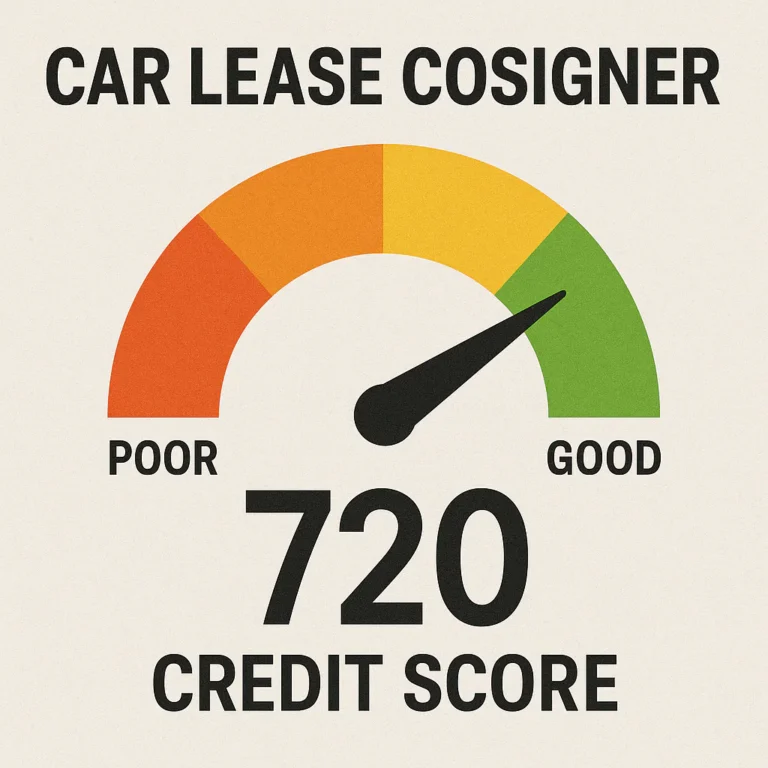
You can technically buy a $50,0 car with a credit score as low as 50, but to avoid paying thousands in extra interest, you really need a score of 720 or higher. Many drivers ask, “What credit score do you need to buy a 50k car?” without realizing that the number on your report dictates whether you’re getting a luxury deal or a financial trap.
We once watched a friend drive off the lot in a shiny new Audi Q5 with a “great” monthly payment, only to realize later he was paying 14% interest because his score sat at 590. That single point of difference cost him nearly $10,0 over the life of the loan compared to a prime borrower.
The gap between “approved” and “affordable” is massive when you’re financing high-value vehicles. Don’t let a low score bleed your wallet dry before you even start driving.
Key Takeaways
- The Magic Number: Aim for a FICO® Score of 720+ to secure the lowest interest rates on a $50k vehicle.
- The Cost of Bad Credit: A score below 60 can increase your total interest paid by $15,0 or more compared to a “Super Prime” borrower.
- Leasing is Stricter: Leasing a $50k car often requires a higher score (70+) than buying due to the lack of equity buildup.
- Preapproval is Power: Getting preapproved before visiting the dealership gives you leverage to negotiate better terms.
- Cash vs. Finance: Paying cash saves interest but loses investment opportunities; financing with a low rate is often the smarter financial move.
Table of Contents
- ⚡️ Quick Tips and Facts
- 📜 The Evolution of Auto Lending: How We Got Here
- 🎯 The Magic Number: What Credit Score Do You Need to Buy a $50,0 Car?
- 📊 Average Car Loan Interest Rates by Credit Score Tier
- 🏎️ Decoding the Ladder: What Are the Credit Score Ranges?
- 🚀 Can I Buy a Car With No Credit or Bad Credit?
- 💸 How Buying a $50k Car Affects Your Credit Score
- 🛠️ How to Build Credit Before Buying a Car
- 🚦 How to Get a Car Loan With Bad Credit: Strategies That Work
- 📝 The Step-by-Step Guide: How to Apply for an Auto Loan
- 🏦 Research Lenders: Banks, Credit Unions, and Dealerships
- 💰 Have a Good Down Payment or Trade-In Ready
- 📜 Get Preapproved Before You Buy: The Secret Weapon
- 🔍 What Makes a Good FICO® Score for a Luxury Loan?
- 🚫 Is It a Good or Bad Idea to Buy a $50k Car in Cash?
- 🚗 7 Common Mistakes to Avoid When Financing a High-Value Vehicle
- 🏁 Conclusion
- 🔗 Recommended Links
- ❓ Frequently Asked Questions
- 📚 Reference Links
⚡️ Quick Tips and Facts
Before we dive into the nitty-gritty of credit scores and $50,0 price tags, let’s hit the brakes and look at the dashboard. Here are the absolute essentials you need to know right now:
- The “Magic Number” Myth: There is no single minimum credit score required to buy a $50k car. Lenders set their own rules. However, to get a decent rate, you generally want to be in the Prime range or higher.
- The Cost of Waiting: A lower score doesn’t just mean “maybe yes.” It means paying thousands extra interest over the life of the loan. We’re talking about the difference between a luxury sedan payment and a small house payment.
- Leasing vs. Buying: If you’re eyeing a lease, the requirements are often stricter. For a deeper dive on that specific scenario, check out our guide on what credit score is needed to lease a car?.
- The 20-4-10 Rule: A popular financial rule of thumb suggests putting 20% down, financing for no more than 4 years, and keeping total car costs under 10% of your gross monthly income.
- Hard Inquiries: Shopping around? Do it within a 14 to 45-day window. Most scoring models count multiple hard inquiries for the same type of loan as a single inquiry, so you can comparison shop without tanking your score.
📜 The Evolution of Auto Lending: How We Got Here
Remember when buying a car was as simple as walking into a dealership, shaking hands, and driving off? Those days are long gone, replaced by a labyrinth of algorithms, risk assessments, and credit tiers.
Back in the day, a handshake and a down payment were often enough. Today, your FICO® Score is your digital passport. The shift began in the early 20s as securitization of auto loans exploded, forcing lenders to be hyper-vigilant about risk. Now, when you apply for a $50,0 vehicle, you aren’t just buying a car; you’re entering a financial contract that lenders scrutinize with the intensity of a NASA launch.
Why does this matter to you? Because understanding why lenders are so picky helps you navigate the process. They aren’t trying to be difficult; they are trying to avoid the “subprime meltdown” of the past. As we explore the numbers later, you’ll see how a few points on your score can swing your interest rate from a sweet 4% to a painful 15%.
🎯 The Magic Number: What Credit Score Do You Need to Buy a $50k Car?
So, you’ve set your sights on a BMW X5, a Mercedes-Benz GLE, or maybe a fully loaded Ford F-150. The sticker price is hovering around $50,0. What number do you need on your credit report to make this happen?
The short answer? It depends.
The long answer is where the real story lies. While there is no federal law mandating a minimum score, the market has established unofficial tiers.
- The “Super Prime” Sweet Spot (781–850): If you have a score in this range, you are the lender’s dream. You’ll likely get the lowest advertised APR, potentially as low as 4.7% for new vehicles. You have the leverage to negotiate.
- The “Prime” Zone (61–780): This is the standard “good” credit range. You will get approved, but your rate might creep up to 6.40%. For a $50k loan, that extra percentage point adds up fast.
- The “Near Prime” Danger Zone (601–60): You can still buy the car, but be prepared for rates around 9.59%. This is where the math starts to hurt.
- The “Subprime” Reality (501–60): Approval is possible, but the rates can hit 13.08% or higher. At this level, the interest alone could cost you more than the car’s depreciation in the first few years.
Here’s the twist: Many people think they need a 750+ score to buy a $50k car. That’s not true. You can buy it with a 60 score. The question isn’t “Can I buy it?” but “Can I afford the interest on it?”
📊 Average Car Loan Interest Rates by Credit Score Tier
Let’s look at the cold, hard numbers. We’re using data from the Experian State of the Automotive Finance Market (Q4 2024) to show you exactly what a $50,0 loan looks like across different credit tiers.
Imagine you are financing the full $50,0 (which we generally advise against, but let’s do the math for illustration).
| Credit Tier | Score Range | New Car APR (Est.) | Monthly Payment (60 mo) | Total Interest Paid |
|---|---|---|---|---|
| Super Prime | 781–850 | ~4.7% | ~$938 | ~$6,280 |
| Prime | 61–780 | ~6.4% | ~$978 | ~$8,680 |
| Near Prime | 601–60 | ~9.6% | ~$1,058 | ~$13,480 |
| Subprime | 501–60 | ~13.1% | ~$1,148 | ~$18,80 |
| Deep Subprime | 30–50 | ~15.8% | ~$1,28 | ~$23,680 |
Note: These are estimates based on a 5-year (60-month) term. Actual rates vary by lender, location, and loan term.
The Shocking Math:
Look at the difference between Super Prime and Deep Subprime.
- Super Prime: You pay ~$6,280 interest.
- Deep Subprime: You pay ~$23,680 interest.
That is a $17,40 difference just for having a lower credit score. That’s enough to buy a used Honda Civic outright! This is why we always say: Fix your credit before you buy the car.
🏎️ Decoding the Ladder: What Are the Credit Score Ranges?
To navigate the auto loan world, you need to know the map. Credit scores aren’t just random numbers; they are categorized into specific tiers that lenders use to determine risk.
Most lenders use FICO® Score 8 or the industry-specific FICO® Auto Score 9. Here is the breakdown:
- Exceptional (80–850): The golden ticket. You get the best rates and highest approval odds.
- Very Good (740–79): You are in great shape. Rates are competitive, and you have plenty of negotiating power.
- Good (670–739): Solid. You will get approved, but you might not get the absolute lowest rate.
- Fair (580–69): This is the “Near Prime” zone. You can get a loan, but expect higher rates and stricter terms.
- Poor (30–579): This is the “Subprime” zone. Lenders will be hesitant, and if they do approve you, the rates will be steep.
Pro Tip: Don’t confuse your VantageScore (often seen on free credit monitoring sites) with your FICO® Score. Lenders almost exclusively use FICO for auto loans. A 70 VantageScore might translate to a 680 FICO, which could drop you a tier. Always check your FICO score specifically for auto lending.
🚀 Can I Buy a Car With No Credit or Bad Credit?
We’ve all been there: you need a car, but your credit file is either a blank slate or a disaster zone. Can you still get that $50k vehicle?
The Answer: Yes, but with conditions.
Buying with No Credit
If you have never borrowed money, you have no credit history. Lenders see this as “unknown risk.”
- The Strategy: You will likely need a cosigner with excellent credit. Alternatively, a massive down payment (30-50%) can convince a lender to take the risk.
- The Reality: You might be approved, but the rate will likely be in the “Subprime” range until you build a history.
Buying with Bad Credit
If your score is below 60, you are in the deep end.
- The Strategy: Look for special finance departments at dealerships. They work with subprime lenders.
- The Trap: Avoid “Buy Here, Pay Here” (BHPH) lots. They often charge predatory rates and don’t report payments to credit bureaus, meaning you won’t build credit while paying them off.
- The Fix: Consider buying a 3-5 year old used car instead. The depreciation hit is already taken, and the loan amount is lower, making it easier to get approved and afford.
💸 How Buying a $50k Car Affects Your Credit Score
Thinking about dropping $50,0 on a car? Here is how that transaction ripples through your credit report.
- The Hard Inquiry: When you apply for a loan, the lender pulls your credit. This hard inquiry can drop your score by 5–10 points. It stays on your report for two years but only affects your score for one.
- The New Account: Opening a new installment loan lowers your average account age, which can temporarily ding your score.
- The Debt-to-Income Ratio: While this doesn’t directly affect your FICO score, lenders look at it. A $50k loan means a high monthly payment. If your DTI gets too high, it can hurt your ability to get other loans (like a mortgage).
- The Payment History: This is the big one. On-time payments are the #1 factor in your score (35%). If you miss a payment on a $50k loan, the damage is severe. Conversely, paying it off on time builds a massive credit history.
The Good News: If you manage the loan well, your score will likely bounce back and exceed your starting point within 12–18 months.
🛠️ How to Build Credit Before Buying a Car
If your score isn’t where you want it, don’t panic. You can fix it, but it takes time. Here is your action plan:
- Pay Everything On Time: Set up autopay for all bills. One 30-day late payment can drop your score by 10 points.
- Lower Your Utilization: Keep your credit card balances below 30% of your limit. Ideally, below 10%. If you have a $5,0 limit, don’t carry more than $50.
- Don’t Close Old Cards: The length of your credit history matters. Keep those old cards open, even if you don’t use them often.
- Use Experian Boost®: This free tool lets you add on-time utility, phone, and streaming payments to your Experian file. It can give you an instant bump.
- Dispute Errors: Check your reports at AnnualCreditReport.com. If you see a mistake, dispute it immediately.
Personal Story: One of our team members, “Mike,” wanted to lease a Porsche Macan. His score was stuck at 640. He spent six months paying down credit card debt and disputing an old collection error. His score jumped to 710, saving him nearly $4,0 interest over the lease term. Patience pays off!
🚦 How to Get a Car Loan With Bad Credit: Strategies That Work
If you are stuck in the subprime zone, you need a game plan. Here is how to get approved for a $50k car (or a more affordable alternative) with bad credit:
- Get Preapproved: Don’t let the dealership run your credit first. Go to a credit union or an online lender like LightStream or Capital One Auto Navigator to get a preapproval. This gives you leverage.
- Increase Your Down Payment: The more cash you put down, the less the lender has to risk. Aim for 20% or more.
- Find a Cosigner: A friend or family member with good credit can co-sign. If you miss a payment, their credit takes the hit, so choose wisely.
- Shorten the Loan Term: Paradoxically, a shorter term (36 or 48 months) might get you a better rate than a 72-month loan, even with bad credit.
- 👉 Shop Around: Don’t settle for the first offer. Compare rates from at least three different lenders.
📝 The Step-by-Step Guide: How to Apply for an Auto Loan
Ready to pull the trigger? Follow this checklist to ensure you don’t miss a step.
- Check Your Credit: Know your score before you walk in.
- Determine Your Budget: Use the 20-4-10 rule. Can you really afford a $50k car?
- Get Preapproved: Apply with a bank, credit union, or online lender.
- 👉 Shop for the Car: Find the specific vehicle you want.
- Negotiate the Price: Negotiate the out-the-door price, not the monthly payment.
- Compare Financing Offers: Bring your preapproval to the dealer and ask them to beat it.
- Review the Contract: Read every line. Watch out for add-ons like extended warranties or gap insurance that inflate the loan.
- Sign and Drive: Once everything looks good, sign the papers.
🏦 Research Lenders: Banks, Credit Unions, and Dealerships
Not all lenders are created equal. Here is where you should look:
- Credit Unions: Often offer the lowest rates for members. They are member-owned and tend to be more flexible with credit issues.
- Banks: Large banks like Chase, Bank of America, and Wells Fargo have robust auto loan programs. They are convenient but may have stricter requirements.
- Online Lenders: Companies like LightStream, SoFi, and Capital One offer fast preapprovals and competitive rates.
- Dealership Financing: Convenient, but often the most expensive. Use them only if they can beat your preapproval rate.
💰 Have a Good Down Payment or Trade-In Ready
Cash is king. A substantial down payment does three things:
- Lowers the Loan Amount: Less principal means less interest.
- Improves Approval Odds: It shows the lender you have skin in the game.
- Prevents Negative Equity: It stops you from being “upside down” (owing more than the car is worth) immediately after driving off the lot.
Trade-Ins: If you have a trade-in, get its value from Keley Blue Book (KBB) or Edmunds before you go to the dealer. Don’t let the dealer lowball you.
📜 Get Preapproved Before You Buy: The Secret Weapon
Why is preapproval the secret weapon? Because it turns you from a “buyer” into a “cash buyer” in the eyes of the dealer.
When you have a preapproval letter, you can walk into the dealership and say, “I have financing for $45,0 at 5.9%. Can you beat that?” This forces the dealer to compete on price, not interest rates. It also protects you from being upsold on expensive financing add-ons.
🔍 What Makes a Good FICO® Score for a Luxury Loan?
Buying a $50k car often means buying a luxury vehicle. Luxury brands like Mercedes-Benz, BMW, and Audi often have their own captive finance arms (e.g., Mercedes-Benz Financial Services).
These lenders often have stricter requirements than general banks. They might require a score of 70+ to qualify for their special “0.9% APR” or “0% APR” promotions. If your score is lower, you might still get approved, but you’ll be stuck with the standard variable rate.
Key Factors for Luxury Loans:
- High Income Verification: They want to see that you can afford the high monthly payments.
- Low Debt-to-Income Ratio: They are less forgiving of high existing debt.
- Clean Credit History: No recent bankruptcies or late payments.
🚫 Is It a Good or Bad Idea to Buy a $50k Car in Cash?
This is the million-dollar question. If you have the cash, should you just pay for the car outright?
The Pros of Paying Cash:
- No Interest: You save thousands interest.
- No Debt: You own the car immediately.
- Simplicity: No monthly payments, no credit checks.
The Cons of Paying Cash:
- Oportunity Cost: That $50k could be invested in the stock market, potentially earning 7-10% annually. If the car loan rate is 4%, you might make more money by investing and taking the loan.
- Liquidity Risk: If you dump all your cash into a car, you have no emergency fund.
- Credit Building: Paying cash doesn’t help build your credit history.
The Verdict: If you have a high-interest loan available (10%+), pay cash. If you can get a low rate (4-5%) and have an emergency fund, financing might be smarter financially.
🚗 7 Common Mistakes to Avoid When Financing a High-Value Vehicle
Don’t let these pitfalls ruin your financial health:
- Focusing Only on Monthly Payment: Dealers love to extend the term to lower the payment. This increases total interest. Focus on the total cost.
- Ignoring the APR: A low monthly payment with a high APR is a trap.
- Skipping the Preapproval: Walking in without a plan makes you vulnerable to pressure.
- Buying Too Much Car: Just because you can get approved for $50k doesn’t mean you should.
- Ignoring Fees: Watch out for documentation fees, dealer prep fees, and unnecessary add-ons.
- Co-signing Without Caution: If you co-sign, you are 10% responsible if the primary borrower defaults.
- Not Shopping Around: Taking the first offer is a rookie mistake.
🏁 Conclusion

So, what credit score do you need to buy a $50k car? The answer is: It depends on what you’re willing to pay.
You can technically buy that car with a score of 50, but you’ll be paying a premium that could buy you a second car. To get the best deal, aim for a FICO® Score of 720 or higher. This puts you in the “Good” to “Very Good” range, securing you competitive rates and saving you thousands over the life of the loan.
Remember, the car is just the beginning. The real cost is the interest. Whether you choose to finance or pay cash, make sure the math works for your long-term financial health. If you’re still unsure, take a look at our Auto Financing Options guide or check out the Latest Car Lease Deals to see if leasing might be a better fit for your situation.
Final Thought: Don’t let a number on a screen define your worth, but do let it guide your wallet. Fix your credit, save your down payment, and drive away with confidence.
🔗 Recommended Links
- 👉 Shop Luxury SUVs on: BMW Official Website | Mercedes-Benz Official Website | Edmunds
- 👉 Shop Trucks on: Ford Official Website | Chevrolet Official Website | TrueCar
- Check Your Credit Score: AnnualCreditReport.com
- Compare Auto Loan Rates: Capital One Auto Navigator | LightStream
❓ Frequently Asked Questions
What credit score is needed to lease a 50k car?
Leasing typically requires a higher credit score than buying. Most manufacturers require a score of 70 or higher to qualify for the best lease terms and promotional rates (like 0.9% APR). With a score below 650, you may face higher money factors (the lease equivalent of interest) or be denied entirely.
Can I get approved for a 50k car lease with bad credit?
It is very difficult to get a lease approved with bad credit. Leasing companies view leses as higher risk because they don’t own the asset. If you have bad credit, you might need a large security deposit (often called a “cap cost reduction”) or a cosigner to get approved. Alternatively, consider buying a used car with a loan.
How does my credit score affect the monthly payment on a 50k car?
Your credit score directly impacts your APR (Annual Percentage Rate). A lower score means a higher interest rate. As shown in our table, the difference between a “Super Prime” and “Subprime” score on a $50k loan can result in a $20–$30 difference in your monthly payment and tens of thousands in total interest.
What is the minimum credit score for a luxury car lease deal?
While there is no universal minimum, most luxury brands (BMW, Audi, Lexus) prefer scores of 720+ for their best “special offer” leases. Scores between 680–720 might still get approved but with less favorable terms. Scores below 650 are rarely accepted for luxury leases without significant cash upfront.
Is it better to lease or buy a $50k car with a 650 credit score?
With a 650 score, buying is often the better option. Leasing with a 650 score usually results in high money factors, making the lease more expensive than a loan. Buying allows you to build equity and potentially refinance later once your credit improves.
📚 Reference Links