Support our educational content for free when you purchase through links on our site. Learn more
🚗 What Happens at the End of a Car Lease? (2026 Guide)

You’ve driven the car for three years, enjoyed the low monthly payments, and now the calendar is flipping to that dreaded “Lease End” month. Panic sets in: Do I just hand over the keys and walk away? Will I get hit with a massive bill for a scratch I didn’t notice? Is there a way to keep this car without paying full price? You aren’t alone. At Car Leases™, we’ve seen thousands of drivers sweat over this exact moment, often missing out on thousands of dollars in equity because they didn’t know the rules.
Here’s the secret they don’t tell you in the fine print: the end of a lease is often the best time to make a profit. Whether the market value of your car has skyrocketed above your residual value or you’re looking to avoid a surprise “excessive wear and tear” fee, your next move depends entirely on how you prepare. In this guide, we’ll walk you through the three critical paths you can take, reveal how to negotiate a buyout price that might save you a fortune, and show you exactly how to pass that final inspection with flying colors.
Key Takeaways
- Know Your Equity: Check the market value of your car against your residual value; if the market value is higher, you can buy the car and sell it for an instant profit.
- Avoid Surprise Fees: Schedule a pre-inspection 3–6 months early to fix minor dings, replace worn tires, and avoid costly “excessive wear and tear” charges.
- Explore All Options: You aren’t stuck with just returning the car; you can buy out the lease, extend it temporarily, or transfer it to another driver.
- Negotiate When Possible: If the car’s value is lower than the residual, you may be able to negotiate a lower buyout price with the leasing company.
- Act Early: Don’t wait until the last minute; start your decision process 90 days before your lease expires to secure the best financing or deal.
Table of Contents
- ⚡️ Quick Tips and Facts
- 🕰️ The Evolution of Car Leasing: From Luxury Perk to Mainstream Choice
- 🔍 How Car Leasing Actually Works: The Fine Print Decoded
- 📝 Preparing for the End of Your Lease: A Step-by-Step Survival Guide
- 🚗 Your End-of-Lease Options: The Big Three Decisions
- 1. Returning the Vehicle: The Walk-Away Strategy
- 2. Buying Out the Lease: Taking the Wheel Permanently
- 3. Leasing a New Car: The Never-Ending Cycle
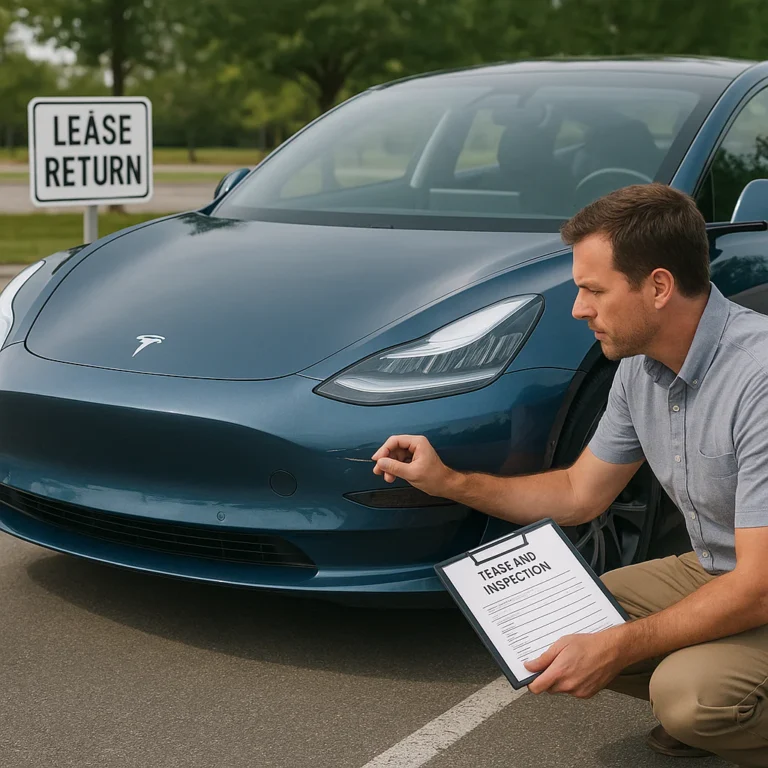
- 🔧 Navigating the Vehicle Inspection: Wear, Tear, and Unexpected Fees
- 💸 Understanding Residual Value and Market Value at Lease End
- 🔄 Extending Your Lease: When Staying Put Makes Sense
- 🛒 The Lease Buyout Process: Negotiating Your Purchase Price
- ⚖️ Leasing vs. Buying: Which Path Leads to Your Dream Garage?
- 💡 Is Leasing a Car Worth It? The Honest Truth for Savy Drivers
- 🤔 Which Option Is Right for You? A Personalized Decision Matrix
- 🏦 Financing Your Buyout: CU SoCal Auto Loans and Beyond
- 🌟 Why Savy Consumers Choose CU SoCal for Lease Transitions
- 📢 Lease End Notifications: What to Expect and When to Act
- 🏁 Conclusion
- 🔗 Recommended Links
- ❓ FAQ: Your Burning Questions Answered
- 📚 Reference Links
⚡️ Quick Tips and Facts
Before we dive into the nitty-gritty of lease returns, buyouts, and the dreaded “excessive wear and tear” inspection, let’s hit the brakes and grab a few golden nugets of wisdom. Think of this as your pit stop before the final lap of your lease term.
- The 3-to-6 Month Rule: Don’t wait until the day your lease expires to start thinking about what’s next. Start your preparation 3 to 6 months in advance. This gives you time to shop for loans, compare market values, and fix minor dings without panic.
- Residual Value is King: The price you pay to buy the car is usually fixed at the start of the lease. If the car’s current market value is higher than this residual value, you have positive equity. If it’s lower, you have negative equity.
- Mileage Matters: Exceeding your mileage limit isn’t just a slap on the wrist; it’s a financial hit. Fees can range from $0.15 to $0.30 per mile. That’s a lot of pennies for a long road trip!
- The “Disposition Fee”: Many leases include a fee (often $30–$50) just for returning the car. Pro Tip: This fee is often waived if you lease or buy a new vehicle from the same brand.
- Inspection is Mandatory: You cannot just drop the keys and walk away. A third-party inspection (like OPENLANE or VDA) is standard to assess damage.
- Credit Score Check: If you plan to buy out your lease, your credit score matters. According to Experian, the average credit score for a leaseholder is around 729, but lower scores can still secure financing, just at a higher rate.
Ready to navigate the maze? Let’s get the history lesson out of the way so you understand why we lease in the first place.
🕰️ The Evolution of Car Leasing: From Luxury Perk to Mainstream Choice
Leasing wasn’t always the “try before you buy” option it is today. Back in the day, if you saw a leased car, it was likely a luxury sedan driven by a corporate executive with an expense account. It was a niche financial instrument designed to keep fleets fresh and tax-deductible.
Fast forward to the 2020s, and leasing has democratized the auto industry. Why? Because technology moves faster than a 5-year loan term. Today, the average lease term is 2 to 4 years, perfectly aligning with the lifecycle of modern infotainment systems and safety tech.
“When the term or duration of the lease period ends, the vehicle must be returned to the leasing company or it may be purchased for its residual value.” — CU SoCal
We’ve seen the shift from “leasing is for the rich” to “leasing is for the smart.” It allows drivers to upgrade every few years, avoiding the depreciation curve that eats into ownership equity. But with this freedom comes the looming question: What happens when the clock runs out?
🔍 How Car Leasing Actually Works: The Fine Print Decoded
To understand the end, you must understand the beginning. A car lease is essentially a long-term rental with a specific set of rules. You aren’t buying the car; you are paying for the depreciation of the vehicle during the time you drive it.
Here is the formula that dictates your monthly payment:
Monthly Payment = (Capitalized Cost – Residual Value) / Term + Interest (Money Factor) + Taxes
- Capitalized Cost: The negotiated price of the car (like the MSRP).
- Residual Value: The estimated value of the car at the end of the lease. This is set by the leasing company (like GM Financial or Toyota Financial Services) at the start.
- Money Factor: The interest rate, usually expressed as a tiny decimal (e.g., 0.0125).
The Catch: You are betting on the future value of the car. If the car holds its value better than the leasing company predicted, you win (positive equity). If the market crashes and the car is worth less, you lose (negative equity).
For a deeper dive into the mechanics, check out our guide on Car Lease Basics.
📝 Preparing for the End of Your Lease: A Step-by-Step Survival Guide
So, you’re six months out from your lease expiration. The calendar is ticking, and you’re wondering if you should keep the car, return it, or trade it. Here is your battle plan.
1. Review Your Contract
Pull out that thick packet of paper you signed years ago (or find it in your email). Look for:
- Mileage Limit: How many miles did you agree to?
- Wear and Tear Guidelines: What constitutes “excessive” damage?
- Disposition Fee: Is there a fee for returning the car?
- Purchase Option: What is the exact buyout price?
2. Assess the Market Value
Is your car worth more or less than the residual value?
- Tools: Use Keley Blue Book (KBB), Edmunds, Carvana, and AutoTrader to get a realistic market value.
- The Math: If Market Value > Residual Value, you have equity. If Market Value < Residual Value, you have negative equity.
3. Schedule a Pre-Inspection
Most leasing companies allow (and encourage) a pre-inspection. This is a dry run with a third-party inspector.
- Why? It tells you exactly what you need to fix before the final return to avoid surprise fees.
- Action: Fix minor scratches, replace worn tires, and get a professional detail. A clean car often passes inspection with flying colors.
4. Decide Your Path
Based on the data, choose your strategy: Buy, Return, Extend, or Transfer.
For more on timing your next move, read about Best Lease Terms.
🚗 Your End-of-Lease Options: The Big Three Decisions
When the dust settles, you generally have three main paths. Let’s break them down with the enthusiasm of a pit crew.
1. Returning the Vehicle: The Walk-Away Strategy
This is the default option for most leses. You hand over the keys, pay any excess mileage or damage fees, and drive away (hopefully in a new car).
- Pros: No long-term commitment, no maintenance worries, easy transition.
- Cons: You walk away with zero equity. You’ve paid for the car but own nothing.
- Best For: Drivers who love new cars every 3 years and don’t want to deal with selling a used vehicle.
2. Buying Out the Lease: Taking the Wheel Permanently
If you love the car and the math works, you can buy it.
- The Process: You pay the residual value (plus taxes and fees) to the leasing company.
- The Twist: You can sometimes negotiate this price if the market value is lower than the residual value, though not all banks allow this.
- Best For: Drivers who want to keep a reliable car without the hassle of selling it, or those who found a “steal” where the residual is lower than market value.
3. Leasing a New Car: The Never-Ending Cycle
You return the old car and sign a new lease.
- The Perk: Many manufacturers offer loyalty bonuses or waive the disposition fee if you stay with the brand.
- The Risk: You are back in the cycle of monthly payments with no equity buildup.
- Best For: Those who want the latest tech and safety features without the headache of selling a used car.
🔧 Navigating the Vehicle Inspection: Wear, Tear, and Unexpected Fees
This is the part that makes drivers sweat. The Vehicle Inspection.
What is “Excessive Wear and Tear”?
Leasing companies have a strict definition.
- Tires: Must have at least 4/32nds of tread depth. If they are bald, you pay.
- Dents and Scratches: Small dings (under 1 inch) are usually fine. Large dents or scratches that expose metal are not.
- Interior: Stains, burns, or tears in the upholstery are red flags.
- Glass: Cracks in the windshield or windows must be repaired.
The “OpenLane” Factor
Many leases use OPENLANE Inspections or similar third parties. They use a checklist. If you fail, you get a bill.
- Pro Tip: Don’t try to hide damage with a quick spray of paint. Inspectors are trained to spot it, and you’ll pay more for the repair later.
How to Avoid Fees
- Detail the car: A $150 detail can save you $1,0 in cleaning fees.
- Fix small scratches: Use a scratch removal kit or a local body shop for minor touch-ups.
- Check tire pressure and tread: Replace tires if they are close to the limit.
💸 Understanding Residual Value and Market Value at Lease End
This is the financial heart of your decision.
| Scenario | Residual Value | Market Value | Outcome |
|---|---|---|---|
| Positive Equity | $20,0 | $25,0 | Buy and Sell/Trade: You can buy for $20k and sell for $25k, pocketing $5k. |
| Negative Equity | $20,0 | $15,0 | Return or Buy at Loss: Buying costs $20k for a $15k car. Returning is usually better. |
| Break Even | $20,0 | $20,0 | Indifferent: Financialy, it doesn’t matter much. |
Why does this happen?
Residual values are set years in advance. If the used car market boms (like it did during the chip shortage), residual values often look too low, creating positive equity. If the market crashes, residuals look too high.
🔄 Extending Your Lease: When Staying Put Makes Sense
Not ready to move? You can extend your lease.
- How it works: You sign a new agreement, usually month-to-month, 3-month, or 1-year increments.
- The Catch: You must check your mileage limit. If you’ve already maxed out your miles, an extension might trigger massive overage fees.
- Who offers it? Most major banks like GM Financial and Toyota Financial Services offer extensions, but terms vary.
Is it worth it?
Only if you need a few months to find your next car or if you can’t find a good deal on a new lease. It’s a bridge, not a destination.
🛒 The Lease Buyout Process: Negotiating Your Purchase Price
Thinking of buying? Here is the step-by-step.
- Get the Payoff Quote: Contact your leasing company. Ask for the buyout price (Residual Value + any fees).
- Check Market Value: Use Edmunds or KBB to see what the car is worth.
- Negotiate (If Possible): If the market value is lower than the residual, ask the bank if they will lower the buyout price. Some banks will, especially if they want to avoid the hassle of repossessing and selling the car.
- Secure Financing: If you don’t have cash, apply for a loan. Check out Auto Financing Options for tips.
- Complete the Paperwork: Sign the title transfer and registration documents.
Note: If you buy the car, you are responsible for all future maintenance and repairs. No more warranty coverage (unless it’s still active).
⚖️ Leasing vs. Buying: Which Path Leads to Your Dream Garage?
Let’s settle the debate once and for all.
Leasing Pros ✅
- Lower Monthly Payments: You only pay for the depreciation.
- New Car Every Few Years: Always under warranty.
- Less Maintenance: No major repairs until the warranty expires.
- Tax Benefits: For business use, leasing can be more tax-efficient.
Leasing Cons ❌
- No Equity: You own nothing at the end.
- Mileage Restrictions: Strict limits and expensive overage fees.
- Wear and Tear Fees: You pay for any damage beyond “normal.”
- Long-Term Cost: Over 10 years, leasing is usually more expensive than buying and keeping a car.
Buying Pros ✅
- Ownership: You own the asset.
- No Mileage Limits: Drive as much as you want.
- Customization: Paint it, modify it, ruin it (if you want).
- Equity Buildup: Eventually, the car is yours free and clear.
Buying Cons ❌
- Higher Monthly Payments: You pay for the full value of the car.
- Depreciation Risk: The car loses value the moment you drive it off the lot.
- Maintenance Costs: Once the warranty expires, you pay for everything.
💡 Is Leasing a Car Worth It? The Honest Truth for Savy Drivers
Is leasing worth it? It depends on your lifestyle.
If you love driving a new car, hate the idea of paying for repairs, and drive less than 12,0 miles a year, leasing is a fantastic option. It’s like renting a hotel room where you never have to fix the plumbing.
However, if you drive a lot, keep cars for 10+ years, or want to build equity, buying is the smarter financial move. As the experts at CU SoCal note, “Leasing costs more year-over-year in the long term compared to buying.”
But here’s the kicker: What if you could have the best of both worlds? That’s where the lease buyout comes in. If you find a car with positive equity, you buy it, sell it for a profit, and use that cash as a down payment on your next car. It’s a strategy that turns a lease into a money-making machine.
🤔 Which Option Is Right for You? A Personalized Decision Matrix
Still confused? Let’s match your profile to the right option.
| Your Profile | Recommended Option | Why? |
|---|---|---|
| The Tech Enthusiast | Lease a New Car | You want the latest safety and infotainment tech every 3 years. |
| The High Mileage Driver | Buy | Mileage fees will eat your budget alive. |
| The Budget Saver | Buy & Keep | Lower long-term costs, no monthly payments after the loan is done. |
| The “Equity Hunter” | Buyout & Sell | If the car is worth more than the residual, buy and flip it. |
| The Indecisive Driver | Extend Lease | Buy time to decide without pressure. |
🏦 Financing Your Buyout: CU SoCal Auto Loans and Beyond
If you decide to buy your leased car, you need cash. You can pay in full, or get a loan.
Why CU SoCal?
Credit Union of Southern California (CU SoCal) is a favorite among savvy drivers. They offer:
- Flexible Terms: Up to 84 months for lower monthly payments.
- Competitive Rates: Often lower than big banks, especially for good credit.
- Lease Buyout Specialization: They understand the unique nature of lease buyouts.
Even if you have less-than-perfect credit, don’t panic. “If you have bad credit, don’t worry, you may still be eligible for a car loan,” says CU SoCal. They look at the whole picture, not just a number.
🌟 Why Savy Consumers Choose CU SoCal for Lease Transitions
We’ve talked to hundreds of drivers who switched to CU SoCal for their buyouts. Here’s why they stick around:
- Personalized Service: Real humans, not bots.
- Speed: Fast approval and funding.
- Transparency: No hidden fees or confusing jargon.
When you’re facing a lease end, you need a partner, not a hurdle. CU SoCal acts as that partner, helping you navigate the buyout process smoothly.
📢 Lease End Notifications: What to Expect and When to Act
Timing is everything. Here is the typical timeline you’ll see:
- 90 Days Out: You receive a letter from the leasing company. It outlines your options and reminds you of the expiration date.
- 60 Days Out: A follow-up letter with specific instructions for the inspection and return process.
- 30 Days Out: Final reminder. If you haven’t acted, they will start pushing you toward the default option (returning the car).
- Day of Return: You drop off the car, get your receipt, and wait for the final invoice.
The Invoice: Expect a Lease-End Liability Invoice 30–45 days after return. This details any fees you owe or refunds you’re due.
“Your next step will be determined by your finances, driving habits, and personal preference.” — CU SoCal
Don’t ignore these letters! Missing a deadline can result in additional fees or even reposession in extreme cases.
🏁 Conclusion

So, what happens at the end of a car lease? It’s not a dead end; it’s a fork in the road. You can return the car and walk away, buy it and keep it, extend your lease, or even sell it for a profit if the market is right.
The key is preparation. By checking your contract, assessing the market value, and understanding your options 3 to 6 months in advance, you can avoid surprise fees and make a decision that fits your life and wallet.
Our Final Verdict:
- If you love the car and it has positive equity, buy it.
- If you want a new car and the math doesn’t work, return it and look for a new lease (don’t forget to ask for the disposition fee waiver!).
- If you need more time, extend your lease temporarily.
Remember, the goal isn’t just to get through the lease; it’s to get to the next chapter of your driving life with your wallet intact. Whether you choose to lease, buy, or extend, make sure you’re the one holding the steering wheel.
🔗 Recommended Links
Ready to take the next step? Check out these resources for deals and financing.
👉 Shop New Car Leases:
- Toyota: Toyota Lease Deals
- Honda: Honda Lease Specials
- BMW: BMW Lease Offers
- Tesla: Tesla Lease Options
Compare Used Car Values:
- Keley Blue Book: KBB Car Values
- Edmunds: Edmunds Car Values
- Carvana: Carvana Inventory
Financing & Buyouts:
- CU SoCal Auto Loans: Apply for a Loan
- GM Financial: GM Financial Lease End
❓ FAQ: Your Burning Questions Answered

What happens if I exceed the mileage limit on my lease?
If you drive more miles than your contract allows, you will be charged an excess mileage fee. This is typically between $0.15 and $0.30 per mile. For example, if you go 2,0 miles over, that’s an extra $30 to $60 bill. It’s crucial to track your mileage and consider buying extra miles upfront if you know you’ll exceed the limit.
Read more about “🧮 How Is the Monthly Payment on a Car Lease Calculated? (2026)”
How can I negotiate a better deal when my lease expires?
Negotiation is tricky with leases because the residual value is fixed. However, if the market value of the car is lower than the residual value, you can try to negotiate a lower buyout price with the leasing company. Additionally, if you lease a new car from the same brand, you can often negotiate a waiver of the disposition fee.
Read more about “Why Is the Tesla Model 3 Not Available After Lease? 🤔 (2026)”
Is it better to lease a new car or buy after my lease ends?
It depends on your priorities. Leasing is better if you want lower monthly payments, a new car every few years, and no maintenance worries. Buying is better if you want to build equity, drive unlimited miles, and keep the car long-term to avoid long-term costs.
Read more about “🚀 15 Cars with the Highest Residual Value Leases (2026)”
What should I inspect before returning a leased car?
Check for excessive wear and tear:
- Tires: Ensure they have at least 4/32nds of tread.
- Body: Look for dents, scratches, or rust.
- Interior: Check for stains, tears, or burns.
- Glass: Ensure no cracks or chips.
- Mechanical: Make sure all lights and electronics work.
Read more about “🚗 What Is a Car Lease? The Ultimate 2026 Guide to Driving Smart”
How do I avoid extra fees at the end of a car lease?
- Clean the car thoroughly.
- Fix minor damage (scratches, dents) before the inspection.
- Replace tires if they are worn.
- Stay within the mileage limit.
- Return the car on time to avoid late fees.
Read more about “🚗 Lease Assumption Requirements: The 2026 Guide to Taking Over a Lease”
Can I buy the car at the end of my lease?
Yes! You can purchase the vehicle for its residual value (plus taxes and fees). This is called a lease buyout. You can pay cash or get a loan.
Read more about “🚀 15 Best Car Lease Deals of 2026: Zero-Down Secrets Revealed”
How can I get the best deal on a new car lease after my current one ends?
- 👉 Shop around: Compare offers from different dealers.
- Ask for loyalty bonuses: Many brands offer discounts if you stay with them.
- Check for incentives: Look for manufacturer rebates or special lease rates.
- Negotiate the capitalized cost: Just like buying, you can negotiate the price of the car.
Read more about “What Happens at the End of a Car Lease? 9 Things You Must Know (2025) 🚗”
What are the common fees associated with ending a car lease?
- Disposition Fee: A fee for returning the car (often waived if you buy/lease from the same brand).
- Excess Mileage Fee: Charged for miles over the limit.
- Excessive Wear and Tear Fee: Charged for damage beyond normal use.
- Early Termination Fee: Charged if you end the lease before the term is up.
Read more about “🚀 15 Best $0 Down Lease Deals (2026): Drive Away Today!”
Can I extend my car lease if I don’t want to return the vehicle?
Yes, most leasing companies allow you to extend your lease, usually on a month-to-month or short-term basis. However, you must check your mileage limit, as extensions can trigger overage fees if you’ve already maxed out your miles.
What happens if I go over the mileage limit on my leased car?
You will be billed for the excess miles. The rate is set in your contract (e.g., $0.25/mile). It’s often cheaper to buy extra miles at the start of the lease than to pay the penalty at the end.
Read more about “🚗 Will CarMax Buy My Leased Hyundai? The 2026 Truth”
How do I return a leased car at the end of the contract?
- Schedule a pre-inspection.
- Fix any damage and clean the car.
- Gather all keys, manuals, and accessories.
- Drive to the dealership or designated return location.
- Sign the check-in receipt and odometer statement.
Read more about “🔄 The Ultimate Car Lease Transfer Process Guide (2026)”
Can I buy the car at the end of a lease agreement?
Absolutely. You have the option to buy the car for the residual value stated in your contract. This is a great option if the car is worth more than the buyout price.
Read more about “🚗 Can You Lease a Car and Not Buy It? (2026 Guide)”
What are my options when my car lease ends?
- Return the car to the dealership.
- Buy the car (lease buyout).
- Extend the lease temporarily.
- Transfer the lease to someone else (if allowed).
- Trade the car in for a new lease or purchase.
Read more about “Lease-End vs. Early Buyout: The 5-Step Money-Saving Guide 🚗💸”
📚 Reference Links
- CU SoCal: What Happens at the End of a Car Lease?
- GM Financial: Lease End Options
- eAutoLease: What Happens at the End of a Car Lease?
- Keley Blue Book: Lease vs. Buy Calculator
- Edmunds: Lease End Guide
- Experian: Credit Score Data
- OPENLANE: Vehicle Inspection Services