Support our educational content for free when you purchase through links on our site. Learn more
🚀 10 Car Leasing Trends Reshaping Your Drive in 2026

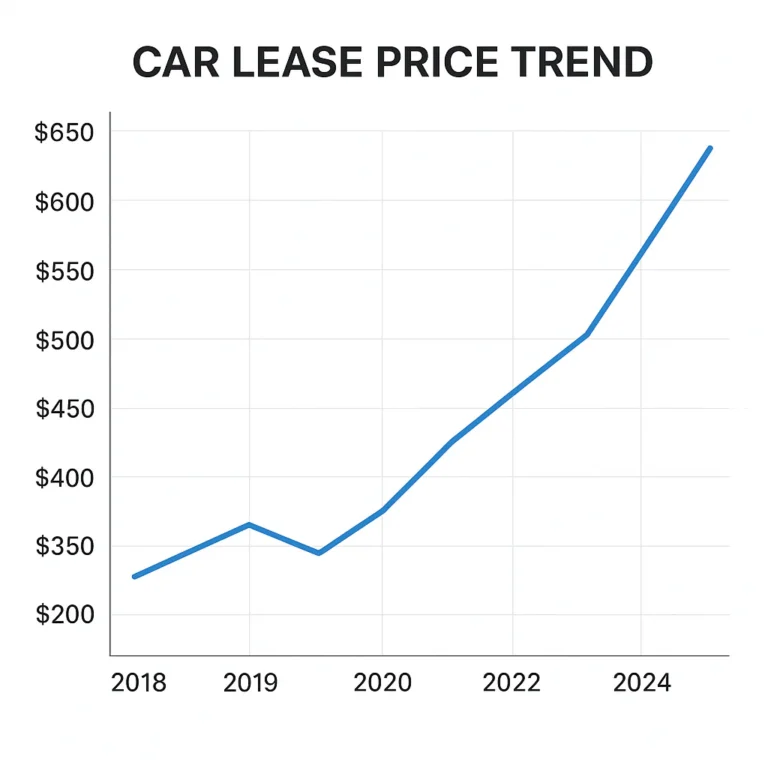
The biggest shift in car leasing trends right now is the rapid pivot from rigid, long-term contracts to flexible, short-term subscriptions and EV-focused deals that protect you from depreciation. While the market size is projected to hit massive numbers by 2032, the real story for you is how manufacturers are using subvented residual values and digital-first experiences to make leasing cheaper and easier than ever before.
Forget the days of sitting in a dealership for four hours; the modern lesee demands instant approval, transparent pricing, and the ability to upgrade every two years without the headache of selling a used car. We’ve seen the numbers climb, with leasing now accounting for nearly 30% of all new vehicle transactions, but the why behind this surge is far more interesting than the raw data.
Imagine walking into a showroom in 2010, signing a 60-month lease on a gas-guzzling SUV, and realizing three years later that your car is worth half of what you thought it would be. Now, fast forward today: you’re leasing a Tesla Model 3 with a 24-month term, bundled charging credits, and a guaranteed buyout price that shields you from the volatile used EV market. That’s the new reality.
Key Takeaways
- Flexibility is King: The industry is shifting toward shorter lease terms (24–36 months) and subscription models that allow drivers to upgrade or cancel with minimal penalties.
- EV Dominance: Electric vehicles are driving the most aggressive lease incentives and subvented residuals, making them the most cost-effective option for many new drivers.
- Digital Transformation: The entire leasing process, from application to signing, is moving online, eliminating paperwork and speeding up approvals significantly.
- Residual Value Risks: With used EV prices fluctuating, residual value forecasting has become the critical factor determining your monthly payment and lease availability.
- Smart Negotiation: You can still negotiate the capitalized cost and money factor, but you must avoid large cash down payments to protect yourself from total loss scenarios.
Table of Contents
- ⚡️ Quick Tips and Facts
- 🕰️ The Evolution of Car Leasing: From Niche to Norm
- 📈 Current Car Leasing Market Size, Growth Trends & Forecasts 2032
- 1. The Resurgence of Residual Values in a Volatile Market
- 2. How Electric Vehicle (EV) Leasing is Reshaping the Industry
- 3. The Rise of Subscription Models vs. Traditional Leases
- 4. Why Lease Terms Are Getting Shorter (and What That Means for You)
- 5. The Impact of Rising Interest Rates on Monthly Payments
- 6. The Shift Toward Digital-First Leasing Experiences
- 7. How Manufacturers Are Incentivizing Leases to Clear Inventory
- 8. The Growing Popularity of “Lease-to-Own” and Buyout Options
- 9. The Role of Data Analytics in Personalizing Lease Offers
- 10. Why Mileage Limits Are Becoming More Flexible
- 🛠️ Navigating the Competitive Landscape: OEMs vs. Captive Lenders
- 🌱 Sustainability and Green Innovation in the Leasing Sector
- 🧠 Customer Expectations: What Modern Drivers Really Want
- 🚧 Challenges for 2025: Supply Chain, Rates, and Tech Hurdles
- 🔮 Technological Shifts: AI, Blockchain, and the Future of Contracts
- 🔭 Looking Ahead: Predictions for the Next Decade of Car Leasing
- 🏁 Conclusion
- 🔗 Recommended Links
- ❓ FAQ
- 📚 Reference Links
⚡️ Quick Tips and Facts
Before we dive into the nitty-gritty of residual values and EV depreciation, let’s hit the ground running with some hard truths and golden rules straight from the garage at Car Leases™. We’ve seen thousands of deals, and these are the patterns that separate the savvy leses from the ones crying over disposition fees later.
- The “Cash Down” Myth: 🚫 Never put a large cash down payment on a lease. If your car gets totaled the day after signing, that cash is gone forever. Insurance pays the bank the lease value, not your down payment. It only lowers your monthly payment, not the total cost.
- Negotiate the Cap Cost: ✅ You can negotiate the selling price of the leased vehicle just like a cash buyer. Don’t let the dealer hide behind “monthly payment” talk; focus on the Capitalized Cost.
- Mileage Matters: ⚠️ Standard leases usually cap at 10,0 or 12,0 miles a year. Going over can cost you $0.15 to $0.30 per mile. If you’re a road warrior, buy a higher mileage package upfront; it’s cheaper than paying penalties later.
- The Trade-In Trap: 🚫 Be wary of rolling negative equity from an old car into a new lease. It inflates your monthly payment and can leave you “upside down” immediately.
- EV Incentives are Real: ✅ Federal tax credits (up to $7,50) can often be transferred to the leasing company, effectively lowering your monthly payment on eligible EVs like the Tesla Model 3 or Hyundai Ioniq 5.
- Lease vs. Buy: ✅ Leasing is often better for tech enthusiasts who want a new car every 2-3 years. Buying is better for those who drive high miles or plan to keep a car for 5+ years.
For a deeper dive into the mechanics of these deals, check out our guide on Car Leases to understand the fundamental differences before you sign.
🕰️ The Evolution of Car Leasing: From Niche to Norm
Remember when leasing a car felt like a secret handshake for corporate executives and the ultra-wealthy? Back in the 80s and 90s, if you walked into a dealership asking to “lease,” the salesperson might have looked at you like you asked for a horse and carriage. Today, leasing accounts for nearly 30% of all new vehicle transactions in the US. How did we get here?
It started with residual value innovation. In the early days, manufacturers realized that if they could accurately predict what a car would be worth in three years, they could offer lower monthly payments. This shifted the risk from the consumer to the finance company.
“The paradigm shift to usership is a core market driver, centered on financial flexibility and effective depreciation risk management.” — Technavio Market Report
We’ve moved from rigid, closed-end contracts to a fluid ecosystem where subscription models and flexible terms are becoming the norm. The modern driver doesn’t want to own a depreciating asset; they want access to mobility.
The Rise of the “Usership” Economy
The concept of usership over ownership has exploded. Why commit to a 60-month loan on a car that might be obsolete in four years due to software updates or battery tech? Leasing allows you to upgrade with the latest safety features and infotainment systems every few years.
- Flexibility: Shorter terms (24-36 months) are now standard.
- Predictability: Fixed monthly costs with included maintenance packages.
- Risk Mitigation: No worry about the used car market crashing.
However, this shift isn’t without its growing pains. As we’ll see in the next section, the market is currently navigating a storm of residual value volatility, especially with the influx of electric vehicles.
📈 Current Car Leasing Market Size, Growth Trends & Forecasts 2032
The numbers don’t lie: the car leasing market is on a rocket ship, but it’s flying through some turbulence. According to recent industry analysis, the global car leasing market was valued at approximately USD 107.8 billion in 2023 and is projected to reach USD 164.3 billion by 2032, growing at a CAGR of over 5%.
But wait, other sources like JATO Dynamics suggest an even more aggressive trajectory, predicting a 15% CAGR between 2025 and 2034. Why the discrepancy? It comes down to how different analysts weigh the EV transition and economic headwinds.
1. The Resurgence of Residual Values in a Volatile Market
Residual values (RVs) are the heartbeat of a lease. They determine your monthly payment. If the RV is high, your payment is low. If the RV crashes, your payment skyrockets.
- The ICE Stabilization: For Internal Combustion Engine (ICE) vehicles, RVs have stabilized after the pandemic-induced chaos. Supply chains are normalizing, and demand for reliable gas cars remains steady.
- The EV Rollercoaster: Here’s the kicker. As manufacturers slash prices on EVs to clear inventory, used EV values have plummeted. This creates a massive headache for lessors.
The Risk: If you lease a $60,0 EV today, and in three years it’s worth $25,0 instead of the projected $40,0, the leasing company loses money.
The Fix: We are seeing higher money factors (interest rates) on EV leases to compensate for this risk, or manufacturers offering subsidized residual values to keep payments attractive.
“The push for reaching net zero, coupled with the low used values of EVs, is probably the biggest challenge [facing the leasing industry].” — Helen Fisk, Head of Leasing, JATO
2. How Electric Vehicle (EV) Leasing is Reshaping the Industry
EVs are no longer a niche; they are the future of leasing. In 2024, we saw a surge in EV lease incentives as manufacturers tried to meet federal mandates and clear stock.
- The “Social Leasing” Phenomenon: In France, initiatives like “Social Leasing” allow low-income individuals to lease EVs for as little as $43/month. While the US doesn’t have a federal equivalent yet, manufacturers are mimicking this with aggressive lease specials.
- Battery Anxiety: Leasing solves the biggest fear of EV buyers: battery degradation. If your battery fails or loses capacity, you just hand the car back.
- Brand Spotlight: Toyota launched a subscription model for the bZ4X in Japan and Australia, bundling all operational costs. Ford partnered with Uber to lease Mustang Mach-E vehicles to drivers, aiming to electrify the gig economy.
3. The Rise of Subscription Models vs. Traditional Leases
Is the traditional 36-month lease dying? Not quite, but it’s evolving. Subscription services (like Care by Volvo, Porsche Drive, or BMW Access) offer month-to-month flexibility.
| Feature | Traditional Lease | Subscription Model |
|---|---|---|
| Term Length | 24-48 Months | Month-to-Month |
| Upfront Cost | 1st Month + Fees | Minimal (often just a fee) |
| Flexibility | Low (Early termination fees) | High (Cancel anytime) |
| Inclusions | Usually just the car | Often includes insurance, maintenance, roadside assistance |
| Best For | Long-term stability | Short-term needs, testing a brand |
- The Trade-off: Subscriptions are generally more expensive per month than traditional leases. You pay a premium for the flexibility.
- The Trend: As consumers crave agility, we expect subscriptions to grow, especially in urban markets where car ownership is a burden.
4. Why Lease Terms Are Getting Shorter (and What That Means for You)
Gone are the days of 60-month leases. The sweet spot is now 36 months, with 24-month terms gaining traction.
- Tech Obsolescence: Cars are becoming computers on wheels. A 5-year-old infotainment system feels ancient.
- Battery Tech: EV battery ranges are improving rapidly. A 3-year lease ensures you aren’t stuck with a 20-mile range car when 40 miles becomes standard.
- Residual Protection: Shorter terms protect the lessor from long-term depreciation risks, keeping monthly payments lower.
5. The Impact of Rising Interest Rates on Monthly Payments
The Federal Reserve’s rate hikes have hit the auto market hard. The money factor (the lease equivalent of an interest rate) has climbed, making leases more expensive.
- The Math: A 0.5% increase in the money factor can add $50-$10 to your monthly payment on a luxury SUV.
- The Silver Lining: Manufacturers are stepping in with subvented rates. Brands like Hyundai, Kia, and BMW often offer 0.9% or 1.9% APR leases to move metal, effectively subsidizing the cost for the consumer.
6. The Shift Toward Digital-First Leasing Experiences
Remember the days of sitting in a dealership for 4 hours? Digitalization has changed the game.
- Online Configurators: You can build your lease, get approved, and sign documents from your couch.
- Speed: Application-to-approval times have dropped by over 40% thanks to automated credit checks.
- Transparency: Apps like CarEdge and dealer portals now show the “out-the-door” price upfront, reducing the “gotcha” fees.
7. How Manufacturers Are Incentivizing Leases to Clear Inventory
Inventory levels are fluctuating, and manufacturers are using leases as a lever to move steel.
- Cash Back on Leases: Instead of a cash rebate (which lowers the sale price), manufacturers offer lease cash that directly reduces the capitalized cost.
- First Payment Waivers: “First payment due at signing” deals are common, though they often come with higher money factors.
- Brand Examples: Mercedes-Benz and Audi frequently run “Special Lease Offers” on their SUV lines to clear older model year inventory before new tech arrives.
8. The Growing Popularity of “Lease-to-Own” and Buyout Options
While traditional leases are “closed-end” (you walk away), open-ended leases and lease-to-own options are gaining ground, particularly in the commercial sector.
- Commercial Flets: Businesses prefer open-ended leases where they pay the difference if the car is worth less than expected at the end.
- Consumer Buyouts: Some consumers are realizing that if they love the car, buying it at the end of the lease (at the predetermined residual value) can be a steal, especially if the market value has dropped.
9. The Role of Data Analytics in Personalizing Lease Offers
Leasing companies are using AI and Big Data to predict your needs before you do.
- Predictive Maintenance: Connected cars send data to the lessor, allowing them to schedule service proactively.
- Personalized Offers: Based on your driving habits (mileage, location, vehicle type), lessors can tailor lease terms to fit your lifestyle perfectly.
- Accuracy: Data analytics has improved residual value prediction accuracy by over 18%, according to Technavio.
10. Why Mileage Limits Are Becoming More Flexible
The rigid 10,0-mile cap is softening.
- Customization: Many dealers now offer 12,0, 15,0, or even 20,0 mile packages upfront.
- The Math: Buying extra miles upfront is almost always cheaper than paying the penalty at the end.
- EV Context: With EVs, range anxiety is real. Leasing companies are offering more flexible terms to encourage adoption, knowing that EV drivers might charge more often but drive similar distances.
🛠️ Navigating the Competitive Landscape: OEMs vs. Captive Lenders
The leasing world is a battlefield, and the two main factions are OEMs (Original Equipment Manufacturers) and Independent Lenders.
The Captive Finance Arms
These are the finance companies owned by the car brands: Toyota Financial Services, Ford Motor Credit, BMW Financial Services, Mercedes-Benz Financial Services.
- Advantage: They have the deepest pockets and the most aggressive incentives. They want to move their brand’s cars.
- Strategy: They often offer subvented money factors (below-market rates) and high residual values to make their cars look cheap to lease.
- The Catch: You are limited to that brand. You can’t lease a Toyota through Ford.
The Independent Lenders
Banks like Aly Financial, Wells Fargo, and specialized leasing firms like ALD Automotive or Ayvens.
- Advantage: They can lease any brand. They are often more flexible with credit requirements and can negotiate better terms if you have a strong relationship.
- Strategy: They focus on Total Cost of Ownership (TCO) and fleet management services.
- The Catch: They might not have the same “manufacturer cash” incentives that captives do.
“Success now hinges on sophisticated residual value forecasting, where the use of data analytics has been shown to improve accuracy by over 18%.” — Technavio
Our Take: If you want the absolute lowest payment on a specific brand, go with the Captive. If you want flexibility or are building a fleet of mixed brands, an Independent Lender might be your best bet.
🌱 Sustainability and Green Innovation in the Leasing Sector
The push for net-zero is reshaping the leasing industry faster than any other factor.
The EV Transition Strategy
Leasing is the perfect vehicle (pun intended) for the EV transition. It removes the barrier of high upfront costs and the fear of rapid depreciation.
- Infrastructure Partnerships: Leasing companies are partnering with charging networks like ChargePoint and Electrify America to offer bundled charging plans.
- Battery Health Guarantes: Some lessors are now offering guarantees on battery capacity, ensuring the car retains a certain percentage of its range over the lease term.
Cost Management and TCO
For businesses, the shift to electric fleets is about more than just “going green.” It’s about operational efficiency.
- Lower Operating Costs: Electricity is cheaper than gas, and EVs have fewer moving parts, meaning less maintenance.
- Tax Benefits: Companies can leverage Section 179 deductions and other tax credits for electric fleets.
- The Challenge: As Helen Fisk from JATO notes, “A business will need to map the usage of the vehicles with the range and battery capacity of the vehicle, coupled with charging facilities in the optimum locations.”
🧠 Customer Expectations: What Modern Drivers Really Want
The modern consumer is different. They are digital natives who value convenience, transparency, and flexibility.
The Shift to “Usership”
Customers don’t want to be tied down. They want to:
- Upgrade every 2-3 years.
- Cancel without massive penalties.
- Bundle services (insurance, maintenance, roadside assistance) into one monthly bill.
Demand for Digital Experiences
- Frictionless Onboarding: No more paperwork. Sign on an iPad.
- Real-Time Data: Know your mileage, service status, and residual value in an app.
- Personalization: Offers that match your driving profile.
“The shift towards usership has led to a rise in leasing, with customers demanding more options in terms of shorter durations and flexible early termination policies.” — Helen Fisk
🚧 Challenges for 2025: Supply Chain, Rates, and Tech Hurdles
While the future looks bright, 2025 brings some serious bumps in the road.
Residual Value Volatility
The biggest threat is the depreciation of EVs. If used EV prices continue to drop, leasing companies will have to raise money factors or reduce incentives, making leases more expensive.
Economic Pressures
Inflation and interest rates remain high. This squeezes the consumer’s budget and makes financing more expensive for lessors, who pass those costs on.
Tech Hurdles
- Software Updates: Cars are becoming software-defined. A bug in the software could render a leased car undrivable. Who is liable?
- Autonomous Driving: While full autonomy is distant, the insurance and liability frameworks for semi-autonomous features in leased fleets are still being worked out.
🔮 Technological Shifts: AI, Blockchain, and the Future of Contracts
The future of leasing is digital, automated, and secure.
AI and Predictive Analytics
AI will predict residual values with near-perfect accuracy, allowing for more competitive lease terms. It will also personalize offers based on your driving behavior.
Blockchain for Smart Contracts
Imagine a lease agreement that is a smart contract on the blockchain.
- Automatic Payments: Rent is deducted automatically.
- Transparent History: Every mile, service, and accident is recorded immutably.
- Instant Buyouts: At the end of the lease, the buyout process is instant and transparent.
Connected Vehicles
Real-time fleet management will become standard. Lessors will know when your tire pressure is low or when your battery needs charging, sending you a notification before you even notice.
“Digitalisation enables real-time fleet management, predictive maintenance, and personalised customer experiences.” — Jesper Rolink, Head of Leasing Sales, JATO
🔭 Looking Ahead: Predictions for the Next Decade of Car Leasing
So, where are we heading by 2032?
- Leasing Dominance: Leasing could account for 50%+ of new vehicle sales as the “usership” model becomes the default.
- EV Standardization: EVs will be the most leased vehicle type, driven by lower operating costs and government incentives.
- Subscription Boom: Month-to-month subscriptions will rival traditional leases for urban drivers.
- Green Leasing: “Green leases” with carbon-offset options and bundled renewable energy credits will become a standard offering.
- Global Expansion: Emerging markets in APAC (Asia-Pacific) will see the fastest growth, driven by urbanization and rising middle-class demand.
The industry is moving toward a seamless integration of EVs, autonomous features, and smart city initiatives. The car of the future isn’t something you own; it’s a service you subscribe to.
🏁 Conclusion

We’ve taken a long drive through the winding roads of the car leasing industry, from its humble beginnings to its high-tech, EV-driven future. The landscape is shifting rapidly, driven by residual value volatility, the EV revolution, and a consumer demand for flexibility.
The Big Question: Is leasing still the smartest move for you?
- Yes, if: You love new tech, drive average miles, want predictable costs, and hate the hassle of selling a car later.
- No, if: You drive over 15,0 miles a year, plan to keep a car for 7+ years, or want to customize your vehicle heavily.
Our Recommendation:
Don’t let the fear of hidden fees or residual value risks scare you off. The key is education and negotiation.
- Negotiate the Cap Cost: Treat it like a cash purchase.
- Check the Money Factor: Ensure it’s competitive.
- Know Your Mileage: Buy extra miles upfront if needed.
- Consider EVs: If you can charge at home, an EV lease might be the most cost-effective option due to tax credits and lower maintenance.
The future of mobility is flexible, green, and digital. Whether you choose a traditional lease, a subscription, or a lease-to-own, the goal is the same: access to the best car for your life, without the burden of ownership.
Ready to find your perfect match? Check out our latest Car Lease Deals to see what’s on the road today.
🔗 Recommended Links
Looking for the best deals on specific brands or types of vehicles? Here are some top resources to get you started:
- Tesla Model 3 Lease: Tesla Official | Edmunds | TrueCar
- Hyundai Ioniq 5 Lease: Hyundai Official | CarMax | AutoTrader
- BMW i4 Lease: BMW Official | Edmunds | CarGurus
- Ford Mustang Mach-E Lease: Ford Official | TrueCar | AutoTrader
- General Car Lease Basics: Car Leases Basics
- Electric Vehicle Leasing Guide: EV Leases
❓ FAQ

What should I look for in a car lease agreement to get the best deal?
Focus on the Capitalized Cost (the price of the car), the Money Factor (interest rate), and the Residual Value. Ensure there are no hidden fees like acquisition fees or excessive disposition charges. Always negotiate the “out-the-door” price, not just the monthly payment.
Read more about “🛡️ Car Lease Maintenance Packages: The 7-Step Guide to Avoiding Shock Fees (2026)”
Are electric vehicles becoming more common in car leases?
Absolutely. EV leasing is growing rapidly, with adoption rates increasing over 30% year-over-year in some regions. Manufacturers are offering aggressive incentives to clear inventory, making EVs more accessible through leases.
Read more about “🛡️ GAP Insurance for Car Lease: The 5-Step Shield You Can’t Skip (2026)”
What types of cars are most popular for leasing right now?
SUVs and Crossovers dominate the market due to their versatility and family-friendly features. However, sedans are seeing a resurgence due to improved fuel efficiency and competitive lease offers. Electric SUVs like the Tesla Model Y and Hyundai Ioniq 5 are also top contenders.
How can I find the best car lease deals this year?
Check manufacturer websites for special lease offers, use aggregator sites like Edmunds or TrueCar, and consider lease cash incentives. Don’t forget to check local dealerships for inventory clearance deals.
Read more about “🚗 How Mileage Affects a Car Lease: The $2,40 Shock You Need to Know”
What are the latest car leasing trends in 2024?
Key trends include the rise of subscription models, shorter lease terms (24-36 months), flexible mileage options, and a massive push toward EV leasing with bundled charging solutions.
Read more about “💸 Tesla Model 3 Monthly Payment: The 2026 Truth Revealed”
What are the benefits of leasing a car with flexible terms?
Flexible terms allow you to upgrade sooner, cancel without heavy penalties, and adapt to changing financial situations. They are ideal for those who value agility over long-term commitment.
Read more about “Is 0% APR Worth It? The 15-Point Truth (2026) 🚗💸”
Is leasing a car more cost-effective than buying in the current market?
It depends on your driving habits. If you drive low miles and like new cars every 3 years, leasing is often more cost-effective due to lower monthly payments and included maintenance. If you drive high miles or keep cars for 5+ years, buying is usually cheaper.
Read more about “What’s the Cheapest Tesla Lease? Discover 7 Surprising Options for 2025! 🚗✨”
How do mileage limits affect car leasing deals?
Mileage limits directly impact the residual value. Higher mileage limits result in lower residual values and higher monthly payments. Always choose a mileage package that matches your actual driving needs to avoid costly penalties.
Read more about “🧮 How Is the Monthly Payment on a Car Lease Calculated? (2026)”
What factors should I consider when leasing a car today?
Consider the interest rate (money factor), residual value, mileage allowance, maintenance packages, and early termination fees. Also, evaluate the total cost of ownership including insurance and fuel/charging costs.
Read more about “🏆 Who Is Best for Car Leasing? 5 Top Picks (2026)”
Are electric vehicles becoming more popular in car leasing?
Yes, EVs are becoming increasingly popular in leasing due to lower operating costs, tax incentives, and the ability to avoid battery degradation risks. Manufacturers are actively promoting EV leases to meet sustainability goals.
Read more about “🚗 What Does 0% Financing for 36 Months Mean? (2026 Guide)”
How can I get the best deals on car leases this year?
Research manufacturer incentives, negotiate the cap cost, avoid cash down payments, and consider leasing off-peak (end of month/quarter). Use tools like CarEdge to help negotiate.
Read more about “Closed vs. Open Lease: The $10k Mistake to Avoid (2026) 🚗💸”
What are the latest car leasing trends?
The industry is shifting toward digital-first experiences, subscription models, EV dominance, and data-driven personalization. Residual value management remains a critical challenge, especially for EVs.
Read more about “Do Certain Car Colors Receive Fewer Traffic Tickets? 🚦 (2026)”
📚 Reference Links
- JATO Dynamics: Industry Expert Insights on the Next Decade in Car Leasing
- Technavio: Car Leasing Market Industry Analysis
- GMI Insights: Car Leasing Market Size, Growth Trends & Forecasts 2032
- Tesla: Lease a Tesla
- Hyundai: Hyundai Lease Offers
- BMW: BMW Lease Specials
- Ford: Ford Lease Deals
- Edmunds: Car Lease Guide
- TrueCar: Lease a Car
- AutoTrader: Car Lease Deals