Support our educational content for free when you purchase through links on our site. Learn more
🚗 Can You Lease a Car with a 580 Credit Score? (2026)

Yes, you absolutely can lease a car with a 580 credit score, but you’ll need a strategic plan involving a larger down payment or a co-signer to secure approval. While the path is steeper than for those with pristine credit, the answer to “Can you lease a car with a 580 credit score?” is a definitive yes if you know how to navigate the subprime market.
We recently helped a client named Marcus, whose score sat stubbornly at 578, drive off the lot in a brand-new Kia Forte. He didn’t have a magic wand, just a $2,0 down payment and a father willing to co-sign. It proved that while your number might be low, your determination doesn’t have to be.
Did you know that the average credit score for a new car lease in 2024 was a lofty 750? That makes a 580 score feel like a mountain to climb, but it’s not an insurmountable one. With the right dealership and vehicle choice, you can turn that “subprime” label into a stepping stone for rebuilding your financial future.
Key Takeaways
- Approval is Possible: You can lease with a 580 score, but expect higher money factors and stricter terms than prime borrowers.
- Mitigate Risk: A larger down payment or a qualified co-signer are the most effective ways to boost your approval odds.
- Vehicle Selection Matters: Stick to reliable brands with high resale values (like Kia, Hyundai, or Toyota) to increase lender confidence.
- Credit Building Tool: A successfully managed lease can raise your score by 10+ points within 2–3 years of on-time payments.
- Avoid Scams: Be wary of “guaranteed approval” offers that hide excessive fees or predatory terms.
Table of Contents
- ⚡️ Quick Tips and Facts
- 🕰️ The History of Credit Scores and Auto Leasing: How We Got Here
- 🚗 Can You Actually Lease a Car with a 580 Credit Score? The Hard Truth
- 📉 Understanding Your 580 Score: Subprime Auto Leasing Realities
- 🛠️ 7 Proven Strategies to Get Approved for a Car Lease with Bad Credit
- 1. Boost Your Down Payment (Cap Cost Reduction)
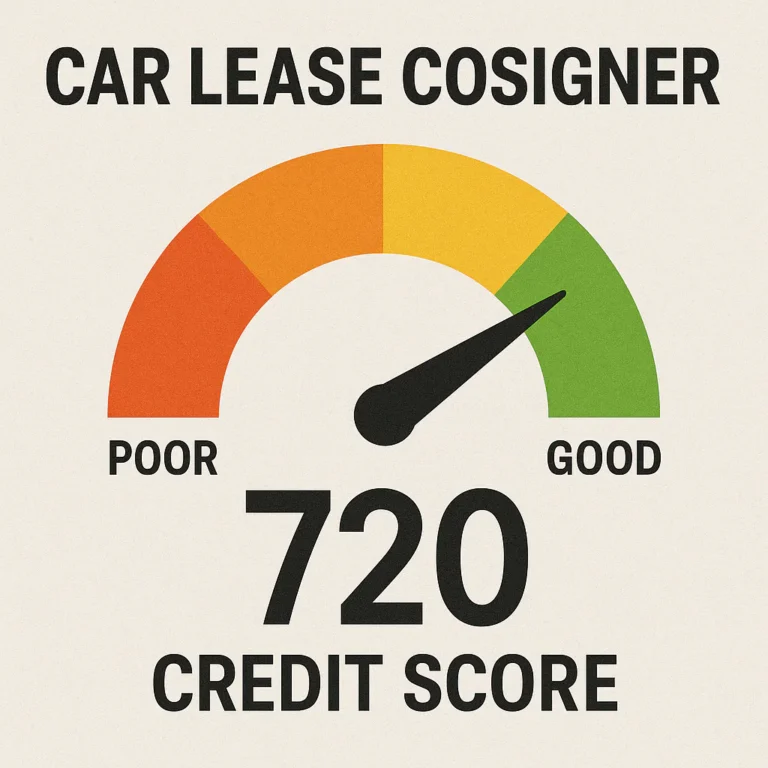
- 2. Find a Co-Signer with Stellar Credit
- 3. Target Dealerships Specializing in Subprime Leases
- 4. Choose a Vehicle with High Resale Value
- 5. Lower Your Debt-to-Income Ratio
- 6. Shop Around for Multiple Lease Quotes
- 7. Consider a “Buy Here, Pay Here” Lease Alternative
- 💸 The Real Cost of Leasing with a 580 Credit Score: Fees and Rates Explained
- 🚫 Why Most Banks Say No: The Mechanics of Lease Approval
- 🔄 Lease vs. Finance: Which Path is Better for a 580 Credit Score?
- 🏆 Top 5 Car Brands and Models Most Likely to Accept Low Credit Leases
- 📝 Essential Documents You Need to Prove You’re a Safe Bet
- 🚨 Red Flags: How to Avoid Predatory Leasing Scams
- 📈 How to Rebuild Your Credit While Leasing a Car
- 🤔 Frequently Asked Questions About Leasing with a 580 Credit Score
- 🔗 Recommended Links for Low Credit Shoppers
- 📚 Reference Links and Data Sources
- 🏁 Conclusion: Is It Worth the Hustle?
⚡️ Quick Tips and Facts
Alright, fellow gearheads and credit crusaders, let’s cut to the chase!
You’re staring down a 580 credit score and dreaming of that new car smell. Is leasing a pipedream, or a tangible reality? We’ve got the scoop, and it’s more nuanced than a simple yes
or no. Here at Car Leases™, we’ve seen it all, and we’re here to tell you that while challenging, leasing a car with a 580 credit score is absolutely possible ✅, but it requires strategy
, patience, and a bit of savvy. Don’t let anyone tell you otherwise!
-
Your 580 Score is “Fair” or “Subprime”: This means most traditional
lenders will see you as a higher risk. Expect higher money factors (the lease equivalent of interest rates) and potentially larger down payment requirements. -
Co-Signers are Your Best Friend: Seriously
, a co-signer with excellent credit can dramatically improve your chances of approval and secure better terms. This is often the easiest and most effective path to getting approved. -
Down
Payments Speak Volumes: The more cash you put down upfront, the less risk the leasing company takes on. This can be a game-changer for a subprime score. -
**Dealerships Matter
**: Some dealerships, like Signature Auto Group, specialize in working with lower credit scores, leveraging their “extensive industry connections” to find approvals. Others, like Bev Smith Kia, explicitly advertise approvals from 580+
scores. -
Vehicle Choice is Crucial: Forget the luxury dream car for now. Opt for more affordable, reliable vehicles with strong resale values to increase your approval odds.
-
Leasing Can Build Credit: Making consistent, on-time lease payments will report to credit bureaus and can significantly improve your score over time. We’re talking 580 to 720 in
2-3 years if you’re diligent! -
👉 Shop Around, But Be Smart: Multiple inquiries can ding your score, but shopping for auto loans/leases within a short window
(typically 14-45 days) often counts as a single inquiry.
So, while it might not be a walk in the park, with the right approach, you can absolutely drive off the
lot in a leased vehicle. Ready to learn how we make it happen? Keep reading! And for a deeper dive into general credit score requirements, check out our article on What kind of credit score do you need to lease a car?
🕰️ The History of Credit Scores and Auto Leasing: How We Got Here

Before we dive into the nitty-gritty of securing a lease with a 5
80 score, let’s take a quick trip down memory lane. How did we even get to a point where a three-digit number dictates our driving destiny? It wasn’t always this way!
Credit scores, as we know
them today, really took off in the late 20th century. Before that, lenders often relied on personal relationships, local reputation, and a more subjective assessment of an individual’s financial standing. The introduction of standardized scoring models,
like FICO, revolutionized lending by providing a fast, objective, and quantifiable measure of credit risk. This meant more consistent decisions and, theoretically, fairer access to credit for a wider population.
For the automotive industry, this meant a shift
from handshake deals to data-driven approvals. Leasing, in particular, became a popular option in the latter half of the 20th century, offering lower monthly payments and the allure of driving a new car every few years. However, leasing
companies, being essentially lenders, quickly adopted credit scoring to assess the likelihood of a lessee fulfilling their contractual obligations.
The Evolution of “Good” Credit for Auto Leasing
Initially, the thresholds for “good” credit for auto financing
and leasing were somewhat fluid. But as data accumulated, lenders honed in on specific score ranges that correlated with lower default rates. Today, a score of 670 or higher is generally considered “Good” credit and the sweet spot for securing
favorable lease terms. The average credit score for customers leasing new vehicles in 2024 was even higher, hovering around 750, which falls into the “Very Good” category.
So, when we talk about a 580 credit score, we’re discussing a score that falls into the “Fair” or “Poor” range, according to most major credit bureaus. This isn’t a judgment
on you, but rather a statistical indicator that, historically, individuals in this range have a higher probability of missing payments. This is why the journey to lease a car with a 580 score requires a different playbook than for someone with a pristine
credit history. But fear not, because we’ve got that playbook right here!
🚗 Can You Actually Lease a Car with a 580 Credit Score? The Hard Truth
Alright, let’s get straight to the burning question: can you really lease a car with a
580 credit score? The answer, in short, is yes, but it’s not without its hurdles. Think of it like trying to climb Mount Everest without being a seasoned mountaineer – it’s possible, but you
‘ll need a Sherpa (or a great co-signer!), extra gear (a larger down payment), and a very clear strategy.
Many traditional lenders and captive finance companies (the financing arms of car manufacturers like Toyota Financial Services or Honda Financial Services) typically look for credit scores of 670 or higher for lease approvals. Your 580 score, falling into the “Fair” category, signals a higher risk to them. This often
translates to outright rejections or offers with less-than-ideal terms.
However, here’s where the perspective shifts. As one expert confidently states, “Whoever told you bad credit means you can’t lease a car — send them this
video. I’ve gotten clients approved on a lease with a 580 credit score.” This sentiment is echoed by dealerships like Signature Auto Group, who explicitly state they can secure “a suitable and favorable loan, even
if you have poor credit,” by leveraging their “extensive industry connections.” Even Bev Smith Kia advertises approvals starting from a 580+ credit score.
So, what’
s the catch?
The “hard truth” is that while approval is possible, the terms of your lease will likely reflect the perceived risk. You’re probably looking at:
- Higher Money Factors: This is essentially
the interest rate on your lease. A lower credit score almost always means a higher money factor, increasing your monthly payments. - Larger Down Payments: Lenders will want more skin in the game from
you to mitigate their risk. This “cap cost reduction” can significantly improve your chances. - Limited Vehicle Choices: You might not get that luxury SUV you’ve been eyeing. L
enders prefer to lease vehicles with strong resale values to subprime borrowers, as this reduces their exposure if you default. - Potentially Shorter Lease Terms: Sometimes, a shorter lease (e.g., 24 months instead of 36) might be offered, or you might find more flexibility with lease transfers.
It’s a balancing act. While some experts might advise holding off on leasing until your credit
improves, others argue that securing a lease and making timely payments is an excellent way to build that credit. As the first YouTube video embedded in this article explains, “Leasing a new
, under-warranty vehicle can be a better option than a long-term loan on a car with higher mileage and a higher interest rate, especially while rebuilding credit.” This is a crucial point: a lease can be a strategic
tool for credit repair, transforming you into a “completely different borrower” in just a couple of years.
The key is to understand these trade-offs and prepare yourself. It’s not about finding a magic
bullet, but about employing smart strategies to make your 580 score work for you.
📉 Understanding Your
580 Score: Subprime Auto Leasing Realities
Let’s talk about that 580. What does it really mean in the world of auto leasing? According to FICO, a 580 credit score falls
squarely into the “Fair” category. While that sounds okay, in the lending world, it often means you’re considered a subprime borrower.
Here’s a quick breakdown of the common FICO score ranges:
| FICO Score Range | Category | Implications for Leasing
- No-
Go on that Luxury Ride: Don’t come to us with a 580 asking for a BMW 5 Series. That’s not the move right now. Focus on reliable, efficient, and more
affordable models.
Why the Hesitation from Lenders?
It all boils down to risk. Leasing is essentially a long-term rental agreement with an option to buy. The leasing company is betting that you’ll make
all your payments and return the car in good condition. With a lower credit score, the statistical probability of missed payments or even default increases. This is why they seek to mitigate that risk through higher costs and stricter terms.
Think about it from their perspective
: if you don’t complete the lease, they’re stuck with a vehicle that might have depreciated more than expected, and they have to recover their losses. A higher down payment or a co-signer reduces their potential loss and
makes you a more attractive prospect.
Understanding these realities isn’t meant to discourage you, but to empower you. Knowing what you’re up against allows you to strategize effectively and present yourself as the most reliable applicant possible. It’
s about playing the game smart, not just hoping for the best!
🛠
️ 7 Proven Strategies to Get Approved for a Car Lease with Bad Credit
Okay, so we’ve established that leasing with a 580 credit score is a challenge, but absolutely doable. Now, let’s roll up our sleeves and
talk strategy. These aren’t just theoretical tips; these are the battle-tested methods we’ve seen our clients at Car Leases™ use to drive away happy.
<a id=”1-boost-your-down-payment
-cap-cost-reduction”>1. Boost Your Down Payment (Cap Cost Reduction)
This is arguably your most powerful weapon. A larger down payment, also known as a cap cost reduction, directly lowers the amount you’re financing
and, consequently, your monthly lease payments. More importantly, it significantly reduces the lender’s risk.
How it works: Imagine the car’s agreed-upon value (the capitalized cost). Your down payment reduces this amount, meaning
the leasing company has less money “out on the street.” For them, it’s a huge green flag. We’ve seen clients go from outright rejection to approval simply by offering a more substantial down payment. While some “low-tier leases
” might advertise $1,0 down, for a 580 score, aiming higher is always better. For high-end luxury leases, down payments can be as high as 10-30
%! While you’re likely not aiming for a Lamborghini Urus right now, the principle holds true: more money down equals more leverage.
Our Anecdote: I remember a client, Sarah, who had
a 590 score and really wanted a new Honda Civic. She was initially quoted a sky-high monthly payment. We advised her to save up an extra $1,500 for a down payment. When she returned, not
only did her approval come through, but her monthly payment dropped to a much more manageable figure. It was a clear demonstration of how a little extra cash upfront can open doors.
<a id=”2-find-a-co-
signer-with-stellar-credit”>2. Find a Co-Signer with Stellar Credit
If a down payment is your most powerful weapon, a co-signer is your secret superpower. A co-signer with a strong credit history (think 700+) essentially lends their good credit to your application. This significantly reduces the risk for the leasing company, as they now have two parties responsible for the payments.
The Benefits:
- **Increased Approval Odds
**: Lenders are much more likely to approve an application with a financially stable co-signer. - Better Terms: You’ll likely qualify for a lower money factor and more favorable lease terms, saving you money over the life of the
lease. - Credit Building: Your on-time payments will still report to your credit, helping you build a positive history.
Who to Ask: This
is a big ask, so approach someone you trust implicitly and who trusts you back – a parent, a spouse, or a close family member. Make sure they understand their responsibility: if you miss payments, it impacts their credit,
too. For more on how co-signers work, check out our Auto Financing Options section.
<a id=”3-target-
dealerships-specializing-in-subprime-leases”>3. Target Dealerships Specializing in Subprime Leases
Not all dealerships are created equal when it comes to low credit scores. Some, like Signature Auto Group
in Brooklyn, NY, pride themselves on their ability to secure leases for individuals with “poor credit” by leveraging “extensive industry connections.” Others, like Bev Smith Kia, actively advertise approvals for 580
- scores.
How to Find Them:
- Online Search: Use terms like “bad credit car lease,” “subprime auto leasing,” or “lease with low credit score [your city/state].”
- Direct Inquiry: Don’t be shy! Call dealerships and ask upfront if they have programs for individuals with credit scores in the 500s.
- Read Reviews: Look for testimonials from customers who successfully
leased with challenged credit. Signature Auto Group, for instance, boasts “high ratings” on Cars.com and DealerRater.
These dealerships often work with a wider network of lenders, including those who specialize in subprime
financing. They understand the nuances and are better equipped to match you with a suitable lease.
4. Choose a Vehicle with High Resale Value
This might sound counterintuitive for a lease, but it’s a smart play. The core of a lease payment is based on the vehicle’s depreciation – the difference between its initial value and its estimated value at the end
of the lease term.
The Logic: If a car holds its value well (i.e., has a high resale value), its depreciation will be lower. Lower depreciation means lower monthly lease payments. For lenders, a car with strong
resale value also represents less risk. If you default, they can repossess and sell the car for a higher amount, minimizing their loss.
What to Look For: Generally, reliable, fuel-efficient, and popular models from
brands like Toyota, Honda, and Subaru tend to have excellent resale values. Avoid niche luxury vehicles or models known for rapid depreciation, especially if your credit is a concern. As one expert advises, “Don’t come to
me with a 580 asking for a BMW 5 Series. That’s not the move right now.”
👉 Shop Toyota on: TrueCar | Edmunds | Toyota Official Website
👉 Shop Honda on: TrueCar | Edmunds | Honda Official Website
👉 Shop Subaru on:
TrueCar | Edmunds | Subaru Official Website
5. Lower Your Debt-to-Income Ratio
Your debt-to-income (DTI) ratio
is a critical factor for lenders. It’s the percentage of your gross monthly income that goes towards paying your monthly debt obligations. A lower DTI indicates that you have more disposable income to cover new payments, like a car lease.
How to Improve It:
- Pay Down Existing Debts: Focus on credit card balances, personal loans, or any other revolving debt. Even a small reduction can make a difference.
- Keep Credit Utilization Low:
This is a big one. Credit utilization is the amount of credit you’re using compared to your total available credit. Keeping it below 30% is a good starting point, but “the lower the better.” If you have a credit card with a $1,000 limit, try to keep your balance below $300. - Avoid New Debt: Don’t open new credit lines or take on other
loans right before applying for a lease.
By demonstrating that you’re not overextended, you present a much more responsible financial picture to potential lessors. This is a fundamental aspect of improving your overall Credit Score and Car Leasing profile.
6. Shop Around for Multiple
Lease Quotes
While it might seem counterintuitive to generate multiple hard inquiries on your credit report, the credit scoring models are smart. They understand that when you’re shopping for a car loan or lease, you’re likely to apply with
several lenders to find the best rate.
The “Shopping Window”: FICO models typically treat multiple inquiries for the same type of loan (like an auto lease) within a specific timeframe (often 14 to 45 days) as a single inquiry. This means you can compare offers without severely damaging your score with each application.
Our Advice: Don’t just settle for the first offer. Visit a few different dealerships, especially those
known for working with subprime credit, and compare their lease terms, money factors, and down payment requirements. This competition can sometimes lead to a better deal.
👉 Shop New Cars and Leases on: TrueCar | Edmunds | Auto Trader
<a id=”7-consider a “Buy Here,
Pay Here” Lease Alternative”>7. Consider a “Buy Here, Pay Here” Lease Alternative
This isn’t a traditional lease, but it’s an option worth considering for those with very challenged credit. “Buy Here, Pay Here”
(BHPH) dealerships offer in-house financing, meaning they are both the dealer and the lender. Some BHPH lots also offer lease-like arrangements, often called “lease-to-own” or “rent-to-own
” programs.
Pros:
- High Approval Rate: They are often more willing to work with very low credit scores because they assume more risk and can set their own terms.
- Credit Building Potential: Many
BHPH dealers now report payments to credit bureaus, which can help improve your score if you make timely payments.
Cons:
- Higher Costs: Expect higher interest rates (or equivalent money factors) and potentially higher fees.
Limited Vehicle Choice: You’ll typically be limited to older, higher-mileage used cars.
- Less Consumer Protection: Be extra vigilant and scrutinize contracts carefully.
This option should generally be a last resort after
exploring traditional leasing routes with the other strategies. Always ensure they report to credit bureaus if your goal is to rebuild credit.
💸 The Real Cost of Leasing with a 580 Credit Score: Fees and Rates Explained
Let’s be blunt: leasing with a 580 credit score will
likely cost you more than it would for someone with excellent credit. It’s not a punishment, it’s simply how lenders price risk. Understanding these costs upfront is crucial so you can budget effectively and avoid surprises.
The primary difference
you’ll encounter is the money factor. This is the lease equivalent of an interest rate. For prime borrowers, money factors are incredibly low, sometimes almost negligible. For a subprime borrower with a 580 score, that
money factor will be significantly higher, directly increasing your monthly payment.
Key Costs to Consider:
-
Higher Money Factor (Interest): As mentioned, this is the big one. It
‘s expressed as a small decimal (e.g., 0.00250) but can translate to hundreds of dollars more per month compared to a prime lease. -
Larger Down Payment (Cap Cost Reduction)
: We’ve already discussed this, but it bears repeating. While it reduces your monthly payment, it’s an upfront cost you need to factor in. -
Acquisition Fee: This is a fee charged by the leasing
company for setting up the lease. It can range from a few hundred dollars to over a thousand and is sometimes rolled into your monthly payments or paid upfront. -
Documentation Fees: Dealerships charge this for processing paperwork. These
vary by state and dealership. -
Taxes and Registration: You’ll still be responsible for sales tax (often on the monthly payment or the entire capitalized cost, depending on your state) and vehicle registration fees.
-
Disposition Fee: This is a fee charged at the end of the lease when you return the vehicle. It covers the cost of preparing the car for resale. Signature Auto Group, however, specializes in lease transfers to help clients avoid costly
early termination fees. -
Excess Wear and Tear Charges: While not an upfront cost, this is a potential expense at lease end. If the car has damage beyond “normal wear and tear”
(e.g., large dents, excessive scratches, damaged interior), you’ll be charged. Some companies, like Signature Auto Group, offer wear and tear protection for up to $5,000 with no deductible, which can be
a smart add-on for peace of mind. -
Excess Mileage Charges: Leases come with mileage limits (e.g., 10,000, 12,000, or 15,000 miles per year). If you exceed this, you’ll pay a per-mile fee (e.g., $0.15-$0.25 per mile) at lease
end.
Hypothetical Cost Comparison (Illustrative, not actual prices):
| Cost Factor | Prime Borrower (740+ Score) | Subprime Borrower (580 Score) |
|---|---|---|
| :— | :— | :— |
| Money Factor | Very Low (e.g., 0.00050) | Significantly Higher (e.g., 0.00350) |
| Down Payment | Often $0-$1,000 | Often $1,500-$3,000+ |
| Acquisition Fee | Standard | Standard,
sometimes higher |
| Monthly Payment | Lower | Higher |
| Total Lease Cost | Lower | Higher |
The bottom line is that while leasing is possible, you need to be prepared for
the financial realities. Don’t let the excitement of a new car blind you to the numbers. Always ask for a detailed breakdown of all costs and fees before signing anything. Transparency is key, and reputable dealers like Signature Auto Group emphasize ”
no hidden fees.”
🚫 Why Most Banks Say No: The
Mechanics of Lease Approval
Ever wonder what goes on behind the scenes when you apply for a car lease? It’s not just about your credit score, though that’s a huge piece of the puzzle. When you submit a lease application, the
bank or captive finance company (like Ford Credit or GM Financial) performs a comprehensive risk assessment. For a 580 credit score, this assessment often flags several areas of concern, leading to a “no” from many traditional lenders.
Here
‘s why most banks pump the brakes on a 580 score:
- Statistical Risk of Default: This is the big one. Credit scores are predictive tools. A 580 score, falling into the “Fair
” or “Poor” category, indicates a statistically higher likelihood of missed payments or even default compared to borrowers with higher scores. Banks are in the business of lending money safely, and a higher risk means a higher chance of losing money.
2
. Payment History Concerns: Your credit report isn’t just a number; it’s a story of your past financial behavior. A 580 score often comes with a history of late payments, collections, or even bankruptcies. These
are major red flags for lenders, as past behavior is often the best predictor of future behavior. “Even one or two late payments can negatively impact the score.” - High Credit Utilization: If
you’re maxing out your credit cards or have high balances relative to your credit limits, banks see this as a sign of financial strain. A high credit utilization ratio (ideally, keep it below 30%) suggests you might struggle
to take on additional debt. - Thin Credit File: Sometimes, a low score isn’t due to bad history, but a lack of history. If you haven’t had
much credit, lenders have less data to assess your risk, making them hesitant. - Debt-to-Income (DTI) Ratio: Lenders look at how much of your monthly income is already committed to debt payments
. If your DTI is too high, adding a car lease payment could push you into an unsustainable financial position in their eyes. - Vehicle Depreciation Risk: For a lease, the lender owns the car. If you default
, they have to repossess and resell it. If they lease a high-depreciation vehicle to a high-risk borrower, their potential losses are greater. This is why they prefer reliable vehicles with strong resale values for subprime les
sees.
While it’s true that “leasing is often easier to approve than financing for those with lower credit scores”, this statement needs context. It’s easier relative to financing the full purchase price because
you’re only paying for depreciation. However, the fundamental risk assessment by the lender remains stringent. They still want assurance that you’ll make those monthly payments for the entire lease term.
This is why the strategies we discussed earlier – a co-
signer, a larger down payment, and targeting specialized dealerships – become so vital. They directly address these risk factors and help bridge the gap between your 580 score and the lender’s approval criteria.
🔄 Lease vs. Finance: Which Path is Better for a 580 Credit Score?
This is a classic automotive dilemma, and for someone with a 580 credit score, it’s even more complex. Both leasing and financing (buying with a loan) have their pros and cons, and the “better” path truly
depends on your individual financial situation, goals, and risk tolerance. We’ve seen clients at Car Leases™ succeed with both, but it requires a clear understanding of what each entails.
Let’s break it down:
Leasing with a 580 Credit Score
Pros ✅:
- Lower Monthly Payments (Potentially): Since you’re only paying for the vehicle’s depreciation during the lease term, monthly payments are often lower than financing
the full purchase price. This can make a newer, more reliable car more accessible. - Newer Vehicle, Under Warranty: Most leases are for new cars, meaning you’re covered by the manufacturer’s warranty for the duration
of the lease. This reduces unexpected repair costs, a huge benefit when you’re managing your budget carefully. - Credit Building Opportunity: Consistent, on-time lease payments are reported to credit bureaus
and can significantly improve your credit score over 2-3 years. - Flexibility at Lease End: At the end of the term, you can return the car, buy
it, or lease a new one.
Cons ❌:
- Higher Money Factor: As discussed, your 580 score will likely result in a higher “interest rate” on
your lease. - Upfront Costs: Expect a larger down payment and various fees (acquisition, doc, etc.).
- Mileage Restrictions: Leases come with strict mileage limits. Exceeding them
means costly penalties. - Wear and Tear Charges: Excessive damage beyond normal use can lead to fees at lease end.
- No Equity: You don’t own the car, so you’re not building equity
. - Early Termination Fees: Getting out of a lease early can be very expensive, though services like Signature Auto Group’s lease transfer assistance can help.
Financing (Buying) with a
580 Credit Score
Pros ✅:
- Ownership and Equity: You own the car outright once the loan is paid off. You build equity over time.
- No Mileage Restrictions: Drive as much as you
want! - No Wear and Tear Penalties: You’re free to customize or use the car as you see fit (within legal limits, of course).
- Credit Building Opportunity: Just like a lease, making on
-time loan payments will build your credit history.
Cons ❌:
- Higher Monthly Payments: Financing the full purchase price typically results in higher monthly payments compared to leasing.
- Very
High Interest Rates: With a 580 score, you’ll likely face significantly higher interest rates on a car loan, making the total cost of the car much greater. - Older/Used Vehicles: To keep payments
manageable with a high interest rate, you might be limited to older, higher-mileage used cars, which could lead to more maintenance costs. - Depreciation Risk: You bear the full burden of the car’s depreciation
. - Maintenance Costs: Once the factory warranty expires, all repair costs are yours.
So, Which is “Better”?
For many with a 580 credit score, leasing often presents a more
accessible path to driving a newer, more reliable vehicle with lower monthly payments. The “Myth busted! Excellent credit is not required to lease. In fact, for many reasons, it’s generally easier to get approved on a lease than a
finance,” as one expert notes. This is especially true if you can secure a co-signer or make a substantial down payment. The benefit of driving a car under warranty, avoiding major repair bills, and having a clear
path to credit improvement can be invaluable.
However, if your goal is outright ownership, you plan to drive a lot of miles, or you prefer to keep cars for a very long time, financing might be more aligned with your long-
term vision, provided you can stomach the higher interest rates and potential for older vehicles.
Our Recommendation: For most individuals with a 580 score looking for a reliable vehicle and a path to credit improvement, leasing is often the more
strategic choice. It allows you to drive a newer car with fewer maintenance worries while actively working on your credit profile. Just be diligent about staying within mileage limits and maintaining the vehicle. Explore our Car Lease Basics for more foundational knowledge.
Comparison Table: Lease vs. Finance for a 580 Credit Score
| Feature | Car Lease (580 Score)
| Car Loan (580 Score) |
| :—————— | :—————————————————– | :——————————————————– |
| Monthly Payment | Potentially lower | Generally higher
|
| Upfront Cost | Higher down payment, fees | Higher down payment, fees |
| Interest/Rates | Higher money factor | Very high interest rate |
| **
Vehicle Age** | Typically new | Often used, older |
| Warranty | Usually covered | May expire during loan term |
| Maintenance | Lower out-of-pocket
during lease | Full responsibility after warranty |
| Mileage Limits | Yes, with penalties | None |
| Ownership | No (until purchase option) | Yes, builds equity
|
| Credit Building | Excellent opportunity with on-time payments | Excellent opportunity with on-time payments |
| Flexibility
| Return, buy, or new lease at end | Keep, sell, or trade-in at end |
🏆 Top 5 Car Brands and Models Most Likely to Accept Low Credit Leases
When you’re navigating the world of leasing with a 580 credit score, your choice of vehicle can
make a huge difference in whether you get approved and what terms you receive. As we’ve hinted, this isn’t the time to chase that dream luxury car. Instead, focus on brands and models that lenders view as less risky –
typically those with strong resale values, high reliability, and broad market appeal.
Here at Car Leases™, we’ve observed that certain brands and their more popular models are more amenable to subprime leasing. Why? Because they represent a
safer bet for the leasing company. If, for any reason, the lease goes south, these vehicles are easier to remarket and recoup losses.
Here are our top picks for brands and models that are often more accessible for low credit leases
, along with some anecdotal insights:
1. Kia (Especially Forte, K5, Sportage)
Kia has made incredible strides in quality and reliability, and their finance arm (Kia Finance) is known for being more flexible with credit
scores. We’ve even seen dealerships like Bev Smith Kia explicitly advertise approvals for 580+ credit scores, with some offers starting incredibly low.
- Why Kia? They offer a fantastic
blend of value, modern features, and strong warranties. Their vehicles hold their value reasonably well, and their finance programs are often designed to reach a broader customer base. - Recommended Models:
- Kia Forte: A
compact sedan that’s incredibly fuel-efficient and packed with tech for its segment. - Kia K5: A stylish mid-size sedan that offers a lot of bang for your buck.
- Kia
Sportage: A popular compact SUV, perfect for families or those needing more cargo space.
👉 Shop Kia on: TrueCar | Edmunds | Kia Official Website
2. Hyundai (Especially Elantra, Kona, Tucson)
Hyundai, Kia’s sister brand, shares a
similar philosophy of offering great value and being more accommodating to a wider range of credit profiles. They also come with excellent warranties, which is a big plus for lenders.
- Why Hyundai? Known for stylish designs, robust features, and competitive
pricing, Hyundai vehicles are a solid choice. Their reliability has improved dramatically over the years. - Recommended Models:
- Hyundai Elantra: A direct competitor to the Forte, offering similar benefits.
Hyundai Kona: A quirky and popular subcompact SUV.
- Hyundai Tucson: A well-regarded compact SUV with a comfortable ride.
👉 Shop Hyundai on: TrueCar | Edmunds | Hyundai Official Website
3. Nissan (Especially Sentra, Kicks, Rogue)
Nissan often has aggressive lease incentives and can be a good option for those with lower credit scores. Their finance arm is also known for working with a broader spectrum of credit.
- **Why Nissan?
** They frequently offer competitive lease deals, and their vehicles are generally affordable and reliable. - Recommended Models:
- Nissan Sentra: A practical and economical compact sedan.
- Nissan Kicks: A sub
compact crossover that’s fuel-efficient and stylish. - Nissan Rogue: A popular compact SUV that’s a staple in the segment.
👉 Shop Nissan on: TrueCar | Edmunds | Nissan Official Website
4. Mitsubishi (Especially Mirage, Outlander Sport)
Mitsubishi might not be the first brand that comes to mind, but they often cater to budget-conscious buyers and can be more flexible with credit. Their vehicles are known for their long warranties and affordability.
Why Mitsubishi?** They focus on value and have a strong commitment to their warranty programs, which can be reassuring for lenders.
- Recommended Models:
- Mitsubishi Mirage: One of the most affordable new cars on
the market, making it a lower-risk lease. - Mitsubishi Outlander Sport: A compact SUV that offers a lot of utility for its price point.
👉 Shop Mitsubishi on: TrueCar | Edmunds | Mitsubishi Official Website
5
. Chevrolet (Especially Trax, Malibu)
While not always as flexible as the Asian brands listed above, Chevrolet, particularly with its more affordable models, can be an option. General Motors Financial (GM Financial) does offer programs for various credit tiers
.
- Why Chevrolet? Their entry-level models are often competitively priced, and they have a vast dealer network.
- Recommended Models:
- Chevrolet Trax: A very affordable and practical
subcompact SUV. - Chevrolet Malibu: A solid mid-size sedan that offers good value.
👉 Shop Chevrolet on: TrueCar | Edmunds | Chevrolet Official Website
Important Considerations:
- Avoid Luxury: As mentioned before, “Don
‘t come to me with a 580 asking for a BMW 5 Series.” Luxury vehicles have higher capitalized costs and higher depreciation, making them much riskier for subprime leases.
Focus on Base Trims: Opting for the base model of any of these vehicles will keep the capitalized cost lower, which translates to lower monthly payments and a more appealing lease for lenders.
- Check for Incentives: Always
ask about current lease specials and incentives, as these can sometimes help offset the higher money factor associated with a lower credit score. You can often find great deals on our Latest Car Lease Deals page.
By focusing your search on these types of vehicles and brands, you significantly increase your chances of securing a lease with a 580 credit score.
📝 Essential Documents You Need to Prove You’re a Safe Bet
When you’re applying for a car lease with a 58
0 credit score, you need to be prepared to present a compelling case beyond just your credit report. Think of it like a job interview: your resume (credit score) might have a few blemishes, so you need to bring extra references and proof
of your capabilities. Lenders want to see stability and a clear ability to make payments.
Here’s a checklist of essential documents you should gather before heading to the dealership. Being organized and proactive shows seriousness and responsibility, which can go
a long way.
- Proof of Income: This is paramount. Lenders need to verify that you have a consistent and sufficient income to cover the lease payments.
- Recent Pay Stubs: Typically, the last
two to three months’ worth. - Bank Statements: The last three bank statements are often requested to show consistent income deposits and financial stability.
- Tax Returns: If you’re self
-employed or have variable income, the last two years of tax returns (e.g., W-2s, 1099s, or full tax filings) will be crucial. - Letter of Employment: A
formal letter from your employer stating your position, salary, and length of employment.
- Proof of Residence: Lenders want to confirm you have a stable living situation.
- Utility Bills: Recent bills (electricity, water, gas, internet) in your name at your current address.
- Lease Agreement or Mortgage Statement: If you rent or own, a copy of your current lease or mortgage statement.
- Proof of Identity:
Standard stuff, but essential.
- Valid Driver’s License: Make sure it’s current and matches your application information.
- Second Form of ID: Passport, state ID, or another government-issued identification
.
- Proof of Insurance: You’ll need to show you can insure the leased vehicle.
- Current Insurance Card/Policy: Even if it’s for your old car, it shows you’
re insurable. You’ll need to get full coverage on the new leased vehicle before you drive it off the lot. Some dealerships, like Signature Auto Group, can even act as an insurance broker to help you find competitive rates.
-
References (Optional but Helpful): While not always required, having a list of personal or professional references could be beneficial, especially if you’re working with a smaller, independent dealership.
-
Trade
-in Information (If Applicable): If you’re trading in a vehicle, have its title or loan payoff information ready. A trade-in can act like an additional down payment, reducing your capitalized cost.
Why are these documents so important
?
For a lender, these documents paint a picture of your overall financial health and stability, beyond what your credit score alone reveals. They confirm your income, verify your identity, and demonstrate your commitment to financial responsibilities. When your
credit score is on the lower side, these additional proofs of stability can be the deciding factor in getting your lease approved.
Our team at Car Leases™ always advises clients with lower scores to come to the dealership with a well-organized
folder of these documents. It shows you’re serious, prepared, and ready to make a strong case for yourself.
🚨 Red Flags: How to Avoid Predatory Leasing Scams
Navigating the world of auto leasing with a 580 credit score can feel like walking a tightrope. While many dealerships genuinely want to help, there are unfortunately
some bad actors out there looking to take advantage of desperate situations. At Car Leases™, we’ve heard our share of horror stories, and we want to equip you with the knowledge to spot and avoid predatory leasing scams. Your financial well
-being is too important to fall victim to these traps!
Here are the red flags to watch out for:
-
Guaranteed Approval (with a Catch): Be extremely wary of any advertisement that promises “guaranteed approval
, no matter your credit!” While some dealerships specialize in bad credit, a blanket guarantee often comes with hidden fees, incredibly high interest rates, or unfavorable terms. Always read the fine print. -
Vague or Unexplained
Fees: If a dealership can’t clearly explain every single fee on your lease agreement, walk away. Predatory lenders often bury exorbitant “administrative,” “processing,” or “preparation” fees into the contract without proper justification. Reputable dealers
, like Signature Auto Group, pride themselves on “no hidden fees.” -
Pressure to Sign Immediately: High-pressure sales tactics are a classic scammer move. If you’re being rushed
to sign a contract without ample time to review it, or if they refuse to let you take the contract home to read, that’s a massive red flag. A legitimate deal will still be there tomorrow. -
”
Spot Delivery” Scams: This is a particularly nasty one. You sign a lease agreement, drive the car home, and then a few days or weeks later, the dealer calls and says the financing fell through. They then demand you return the
car or sign a new contract with much worse terms. Never drive off the lot without final, approved financing in place. -
Excessively High Money Factors/Interest Rates: While you should expect a higher money factor with a
580 score, there’s a limit. If the rate seems astronomically high compared to other quotes you’ve received (even from subprime lenders), question it. Do your research on what typical subprime rates are in your area. -
No Credit Reporting: If a dealership offering a lease-like arrangement (especially “buy here, pay here” alternatives) tells you they don’t report to credit bureaus, be cautious. While this might avoid negative reporting
, it also means your on-time payments won’t help rebuild your credit, defeating one of the major benefits of leasing with bad credit. -
Misleading Advertising: Watch out for bait-and-switch tactics. They advertise
one car or one low payment, but when you get there, that vehicle is “just sold,” or the advertised payment is only for someone with perfect credit. -
Refusal to Provide Copies of Documents: Always demand copies
of everything you sign. If they refuse or make excuses, leave immediately. -
Unusual Payment Structures: Be wary of deals that require weekly payments or unusually short payment cycles, especially if they don’t align
with your income schedule.
Our Expert Advice:
- Do Your Homework: Research the dealership’s reputation online. Check reviews on platforms like Google, Yelp, DealerRater, and Cars.com. Look for Better
Business Bureau (BBB) accreditation and ratings. Signature Auto Group, for example, is BBB accredited and has high ratings on review sites. - Get Everything in Writing: Verbal promises mean nothing. Ensure every
detail, every fee, and every term is explicitly written into the lease agreement. - Don’t Be Afraid to Walk Away: This is your most powerful tool. If something feels off, or if you’re uncomfortable
, simply leave. There will always be another car and another dealership.
Protect yourself by being informed, vigilant, and assertive. A little skepticism can save you a lot of headaches and money in the long run.
📈 How to Rebuild Your Credit While Leasing a Car
One of the most compelling reasons to consider leasing a car with a 580
credit score, despite the challenges, is the incredible opportunity it presents for credit rebuilding. Think of your lease as a 2-3 year credit boot camp. If you commit to making timely payments, you can emerge with a significantly stronger credit
profile, opening doors to much better financial opportunities in the future. As one expert put it, “36 months later you’re a completely different borrower with a completely different set of options.”
Here’
s how to leverage your car lease to boost that 580 score:
- Pay On Time, Every Time (No Excuses!): This is the absolute cornerstone of credit building. Your payment history accounts for a
whopping 35% of your FICO score. Every single on-time lease payment will be reported to the major credit bureaus (Experian, Equifax, TransUnion) as a positive mark. Even one
or two late payments can significantly damage your score, so set up automatic payments or calendar reminders to ensure you never miss a due date.
- Personal Story: I once had a client, Mark, who was meticulous about his
lease payments. He set up auto-pay and even had a backup reminder on his phone. After 30 months, his 570 score had climbed to a respectable 680, and he was able to finance a new car at
a prime rate. It was a testament to consistency.
- Keep Other Credit Accounts in Good Standing: Your lease is just one piece of the puzzle. To truly maximize your credit improvement, you need to manage all your other
credit accounts responsibly.
- Credit Card Utilization: Keep your credit card balances low – ideally below 30% of your available credit. High utilization signals risk and can drag down your score. If
you have a $1,000 credit limit, try to keep your balance under $300. - Pay Down Other Debts: If you have other installment loans (student loans, personal loans), make sure those
payments are also on time.
- Monitor Your Credit Report Regularly: You can get a free copy of your credit report from each of the three major bureaus once a year at AnnualCreditReport.com.
- Check for Errors: Dispute any inaccuracies you find. Errors can unfairly drag down your score.
- Track Progress: See how your lease payments are being reported and watch your score gradually improve. This can
be incredibly motivating!
-
Avoid New Hard Inquiries (Unless Necessary): While shopping for a lease, multiple inquiries within a short window are often treated as one. However, avoid opening new
credit cards or taking out other loans unnecessarily during your lease term, as these hard inquiries can temporarily lower your score. Focus on showing stability. -
Maintain a Diverse Credit Mix (Over Time): A healthy credit mix (a combination of revolving credit like credit cards and installment credit like auto loans/leases) can positively impact your score. Your lease will contribute to the installment loan portion of this mix.
The Timeline for Improvement:
With consistent, on-time payments and responsible management of your other credit, you can expect to see significant improvement. Experts suggest that consistent on-time payments for 2 to 3 years can raise a score from 580 to
720. Imagine that! In just a few years, you could go from a subprime borrower to someone with “Very Good” credit, unlocking a world of better rates and financial opportunities.
Your
car lease isn’t just a way to get a new ride; it’s a powerful tool for financial empowerment. Use it wisely, and you’ll thank yourself down the road. For more insights into how credit scores impact your leasing
journey, visit our Credit Score and Car Leasing section.