Support our educational content for free when you purchase through links on our site. Learn more
🚗 The Ultimate Car Lease Buyout Process: 7 Steps to Own Your Ride (2026)


Ever found yourself staring at a leased car you’ve grown to love, only to realize the dealership is trying to charge you a fortune to keep it? You’re not alone. At Car Leases™, we’ve seen countless drivers walk away from vehicles they adored simply because they didn’t know the car lease buyout process could be their secret weapon for instant equity. In fact, did you know that in a recent market shift, nearly 30% of leased vehicles were worth significantly more than their residual value? That’s free money left on the table by those who didn’t know how to negotiate.
Whether you’re trying to avoid crushing excess mileage fees, escape a wear-and-tear inspection nightmare, or just want to stop paying for a car you don’t own, this guide is your roadmap. We’re stripping away the confusing legal jargon and the dealership sales tactics to reveal the 7-step master guide that turns a lesee into an owner. From pinpointing your exact payoff amount to negotiating fees that most people blindly accept, we’ll show you exactly how to drive away with the title in your hand and a smile on your face.
Key Takeaways
- Know Your Numbers: The market value of your car is your biggest leverage; if it’s higher than the residual value, you have instant equity.
- Skip the Dealership: Always go direct to the lessor to avoid unnecessary markups and hidden fees that can cost you thousands.
- Secure Your Own Financing: Don’t let the leasing company dictate your loan; shop around with credit unions and banks for better rates.
- Negotiate the Fees: While the residual value is often fixed, the purchase option fee and administrative costs are frequently negotiable.
- Timing Matters: Buying out at the end of the lease is usually the sweet spot, but early buyouts can save you from massive mileage penalties.
Table of Contents
- ⚡️ Quick Tips and Facts
- 📜 The Evolution of the Auto Lease Buyout: From Concept to Cash Keys
- 🤔 What Exactly is an Auto Lease Buyout?
- 🛠️ The 7-Step Master Guide to the Car Lease Buyout Process
- 1. Pinpoint Your Residual Value and Payoff Amount
- 2. Assess Your Vehicle’s Condition and Market Reality
- 3. Crunch the Numbers: Buyout vs. Return vs. Trade-In
- 4. Secure Financing for Your Lease Buyout Loan
- 5. Negotiate the Final Buyout Price (Yes, You Can!)
- 6. Navigate the Paperwork and Title Transfer Maze
- 7. Drive Off as the Official Owner
- 💰 Is Buying Out Your Lease the Smart Financial Move?
- Do You Plan to Keep the Car for the Long Haul?
- Is the Buyout Price Lower Than the Car’s Market Value?
- Have You Racked Up Excessive Mileage?
- Does the Vehicle Need Major Repairs?
- Can You Afford the Down Payment and Monthly Loan?
- 🏦 Financing Your Lease Buyout: Loans, Rates, and Lenders
- 🎖️ Special Considerations for Military Servicembers and Leases
- ⚖️ Lease Buyout vs. Trade-In vs. Return: The Ultimate Showdown
- 🚫 Common Lease Buyout Pitfalls and How to Avoid Them
- 📝 Understanding the Lease Buyout Contract and Legal Jargon
- 🔍 How to Check Your Car’s True Market Value Before Buying
- 🚗 Should You Lease or Buy Your Next Vehicle? A Strategic Look
- 🏁 Bottom Line Up Front: The Verdict on Lease Buyouts
- 📚 Auto Buying Resources and Tools
- 🔗 Recommended Links
- 📖 Reference Links
- Conclusion
⚡️ Quick Tips and Facts
Before we dive into the nitty-gritty of turning your leased ride into your owned ride, let’s hit the fast lane with some golden nugets of wisdom. We’ve seen thousands of leases come and go at Car Leases™, and these are the rules that separate the pros from the amateurs.
- The “Golden Rule” of Buyouts: If the market value of your car is higher than the residual value (the buyout price), you are sitting on a goldmine! 🏆 If the buyout price is higher, you might better off walking away.
- Dealerships Love Buyouts (For the Wrong Reasons): As industry insiders like “the lease guy” Adam point out, dealerships often view a lease buyout as a final chance to squeeze profit out of you. Do not let them handle the transaction if you can avoid it; they will add unnecessary fees. 🚫
- Financing is Key: You don’t need to pay cash. You can secure a lease buyout loan through your own bank or credit union, often at better rates than the leasing company.
- Early vs. Late: You can buy out your lease early, but be prepared to pay the remaining lease payments plus the residual value, which can be pricey. Buying at the end of the lease is usually the sweet spot.
- Negotiation Myth: Many believe the residual value is set in stone. While often true, fes and administrative costs are frequently negotiable!
Ready to stop guessing and start owning? Let’s get into the history of how we got here.
📜 The Evolution of the Auto Lease Buyout: From Concept to Cash Keys
Leasing wasn’t always the mainstream option it is today. Back in the day, if you wanted a car, you bought it. Period. The concept of “leasing” a car was largely reserved for businesses or the ultra-wealthy who wanted to write off expenses.
However, as the automotive landscape shifted in the 1980s and 90s, manufacturers realized that leasing could keep customers in their brand ecosystem more frequently. The residual value—the estimated worth of the car at the end of the lease—became the linchpin of the entire industry.
The lease buyout emerged as a necessary compromise. It gave leses an “out” if they fell in love with the car, and it gave lessors a guaranteed sale price if the car’s value dropped. Over time, this evolved into a sophisticated financial tool. Today, it’s a strategic move for savvy drivers who want to avoid excess mileage fees or secure a vehicle with instant equity.
But how do you know if you’re making a smart move or a costly mistake? That’s where understanding the core mechanics comes in.
🤔 What Exactly is an Auto Lease Buyout?
At its simplest, an auto lease buyout is the process of purchasing the vehicle you are currently leasing. It’s like hitting the “Buy Now” button on a subscription service you’ve been enjoying for three years.
When you sign a lease, you agree to pay for the vehicle’s depreciation during the term, plus interest and fees. The residual value is the portion of the car’s value that remains at the end of the lease. When you buy out the lease, you pay that residual value (plus any applicable fees and taxes) to take full ownership.
There are two main flavors of buyouts:
- Lease-End Buyout: This happens when your contract expires. You pay the residual value and walk away with the title.
- Early Lease Buyout: This happens before the term ends. You usually have to pay the residual value plus the remaining lease payments, and potentially an early termination fee.
Why do this? Maybe you’ve exceeded your mileage limit and the per-mile fees would cost a fortune. Maybe the car has been a gem, and you want to keep it without the hassle of returning it. Or maybe you just hate the idea of driving a new car every three years.
For a deeper dive into the mechanics, check out our guide on Car Lease Basics.
🛠️ The 7-Step Master Guide to the Car Lease Buyout Process
Okay, buckle up! This is the meat and potatoes of the article. We’re breaking down the car lease buyout process into seven actionable steps. Follow this, and you’ll navigate the paperwork jungle like a pro.
1. Pinpoint Your Residual Value and Payoff Amount
The first step is to know exactly what you owe. This isn’t a guess; it’s a number written in your contract.
- Locate Your Contract: Dig out your original lease agreement. Look for the Residual Value.
- Contact the Lessor: Call the leasing company (not the dealership!) and ask for the payoff quote. This figure includes the residual value plus any accrued interest, fees, or taxes.
- Ask About Fees: Inquire specifically about the purchase option fee. Some lessors charge a flat fee (e.g., $30-$50) just to process the buyout.
Pro Tip: Get this quote in writing. Verbal promises are as reliable as a screen door on a submarine.
2. Assess Your Vehicle’s Condition and Market Reality
Now, let’s talk reality. Is your car worth what you’re being asked to pay?
- Check the Market: Use tools like Keley Blue Book (KBB), Edmunds, or NADA Guides to find the Fair Market Value of your specific make, model, year, and mileage.
- Be Honest About Condition: If your car has scratches, dents, or worn tires, adjust the value downward. If it’s pristine, you might be able to argue for a higher value.
- Compare:
Scenario A: Buyout Price = $15,0 | Market Value = $18,0. You win! You have $3,0 instant equity.
Scenario B: Buyout Price = $15,0 | Market Value = $12,0. Uh oh. You’d be overpaying by $3,0.
3. Crunch the Numbers: Buyout vs. Return vs. Trade-In
Don’t just look at the buyout price in isolation. You need to compare it to your other options.
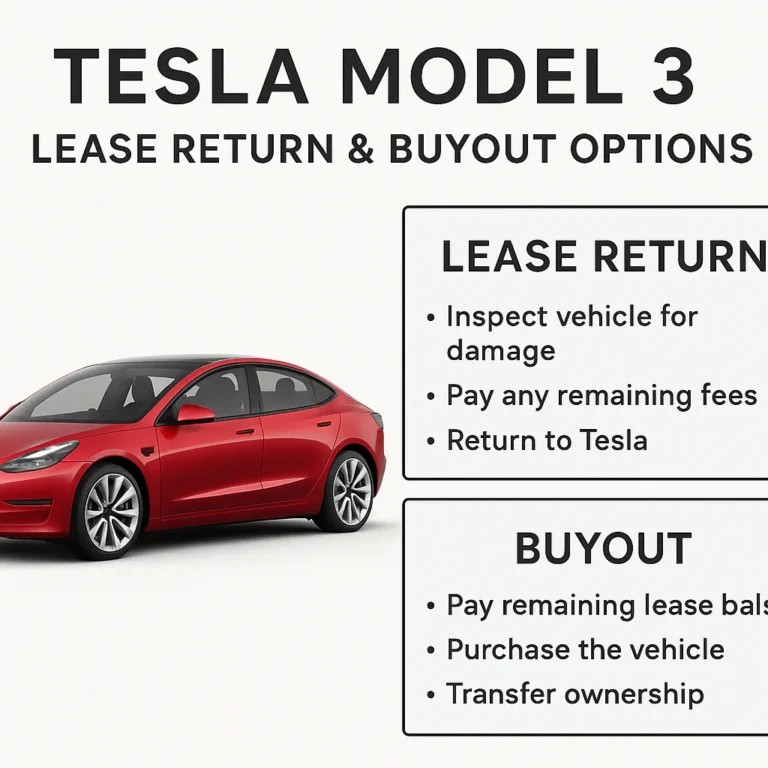
- The Return Option: If you return the car, you might face excess mileage fees (often 15-25 cents per mile) and wear and tear charges.
- The Trade-In Option: If you trade it in at a dealership, they might offer you the market value, but they will also try to sell you a new car.
- The Buyout Option: If the buyout price is lower than the market value, you can potentially sell the car privately later for a profit, or keep it and save on future lease payments.
4. Secure Financing for Your Lease Buyout Loan
Unless you have a stack of cash in your garage, you’ll need a loan.
- 👉 Shop Around: Don’t just take the leasing company’s offer. Check with your local credit union (like Navy Federal or Island FCU), your bank, or online lenders.
- Credit Score Matters: A higher credit score usually means a lower interest rate. If your score is below 60, you might struggle to get a good deal.
- Loan Terms: Lease buyout loans are treated as used car loans, so interest rates might be slightly higher than new car loans.
5. Negotiate the Final Buyout Price (Yes, You Can!)
Here’s the secret most people miss: The residual value is fixed, but the fees are not.
- Waive the Fees: Ask the lessor to waive the purchase option fee or documentation fee.
- The “Dealer” Trap: As Adam from the video we mentioned earlier warns, dealerships will try to add every fee in the book. Do not let the dealership handle the buyout. Go directly to the leasing company.
- Leverage: If the market value is significantly lower than the residual value, some lessors might be willing to negotiate the price to avoid a “loss” on the vehicle.
6. Navigate the Paperwork and Title Transfer Maze
This is where the rubber meets the road.
- Sign the Documents: You’ll need to sign a bill of sale and a title transfer form.
- Register the Vehicle: Take the paperwork to your local DMV to register the car in your name.
- Update Insurance: Switch your policy from “leased” to “owned” coverage.
7. Drive Off as the Official Owner
Congratulations! You are now the proud owner of your vehicle. No more lease payments, no more mileage limits, and no more return inspections.
💰 Is Buying Out Your Lease the Smart Financial Move?
Not every buyout is a good deal. Let’s break down the factors that determine if you should pull the trigger.
Do You Plan to Keep the Car for the Long Haul?
If you plan to drive the car for another 5-10 years, buying it out makes sense. You’ll avoid the depreciation hit of a new car and the hassle of shopping for a new lease.
Is the Buyout Price Lower Than the Car’s Market Value?
This is the single most important factor. If you can buy the car for less than it’s worth, you’re making a smart financial move.
Have You Racked Up Excessive Mileage?
If you’ve driven 20,0 miles over your limit, the per-mile fees could cost thousands. Buying out the lease might be cheaper than paying those penalties.
Does the Vehicle Need Major Repairs?
If the car is a money pit, buying it out might be a bad idea. Leases often cover major repairs under warranty; once you own it, you’re on the hook for everything.
Can You Afford the Down Payment and Monthly Loan?
Even if the deal is good, can you afford the monthly payment? Make sure the new loan fits your budget.
🏦 Financing Your Lease Buyout: Loans, Rates, and Lenders
Financing a lease buyout is similar to buying a used car, but with a few twists.
- Credit Unions: Institutions like Navy Federal Credit Union and Island Federal Credit Union often offer competitive rates for lease buyouts because they are member-focused.
- Banks: Major banks like Chase or Bank of America also offer lease buyout loans.
- Online Lenders: Platforms like LightStream or SoFi can provide quick approvals and competitive rates.
Key Considerations:
- Interest Rates: Expect rates to be higher than new car loans.
- Loan-to-Value (LTV): Lenders may require a down payment if the loan amount exceeds the car’s value.
- GAP Insurance: Consider Guaranteed Asset Protection (GAP) insurance to cover the difference between the loan amount and the car’s value if it’s totaled.
🎖️ Special Considerations for Military Servicembers and Leases
Military life is unique, and so are your leasing options.
- SCRA Protections: Under the Servicembers Civil Relief Act (SCRA), active-duty members can terminate a lease early without penalty if they receive Permanent Change of Station (PCS) orders or are deployed for more than 180 days.
- Flexibility: If you’re moving frequently, owning a car might be a burden. However, if you’re settling down, buying out the lease could be a great way to secure a reliable vehicle.
- Special Programs: Many credit unions offer special programs for military members, including lower rates and waived fees.
⚖️ Lease Buyout vs. Trade-In vs. Return: The Ultimate Showdown
Let’s compare the three main options at the end of your lease.
| Feature | Lease Buyout | Return to Lessor | Trade-In |
|---|---|---|---|
| Cost | Residual Value + Fees | $0 (plus fees) | Market Value (minus fees) |
| Mileage Fees | Avoided | Charged if over limit | Avoided |
| Wear & Tear | Avoided | Charged if excessive | Avoided |
| Ownership | You own the car | You return the car | You get cash/credit |
| Flexibility | High (keep or sell) | Low (must return) | Medium (trade for new) |
| Best For | Low mileage, good condition | High mileage, bad condition | Wanting a new car |
🚫 Common Lease Buyout Pitfalls and How to Avoid Them
- Ignoring Fees: Don’t forget the purchase option fee, title fee, and sales tax. These can add up quickly.
- Overpaying: If the buyout price is higher than the market value, you’re throwing money away.
- Dealership Traps: As mentioned, dealerships will try to add fees. Go direct to the lessor.
- Skipping the Inspection: If you buy out the lease, you’re responsible for all future repairs. Make sure the car is in good shape.
📝 Understanding the Lease Buyout Contract and Legal Jargon
The contract can be a maze of legal terms. Here are the key ones:
- Residual Value: The predetermined value of the car at the end of the lease.
- Purchase Option Fee: A fee charged to exercise the buyout option.
- Title Transfer Fee: The cost to transfer the title from the lessor to you.
- Sales Tax: Tax on the purchase price, which varies by state.
🔍 How to Check Your Car’s True Market Value Before Buying
Don’t guess; use data.
- Keley Blue Book (KBB): Enter your VIN for a detailed report.
- Edmunds: Provides a “True Market Value” based on local sales data.
- NADA Guides: Often used by lenders for valuation.
- AutoTrader: Check what similar cars are selling for in your area.
🚗 Should You Lease or Buy Your Next Vehicle? A Strategic Look
If you’re considering a buyout, you might be wondering if you should lease or buy next time.
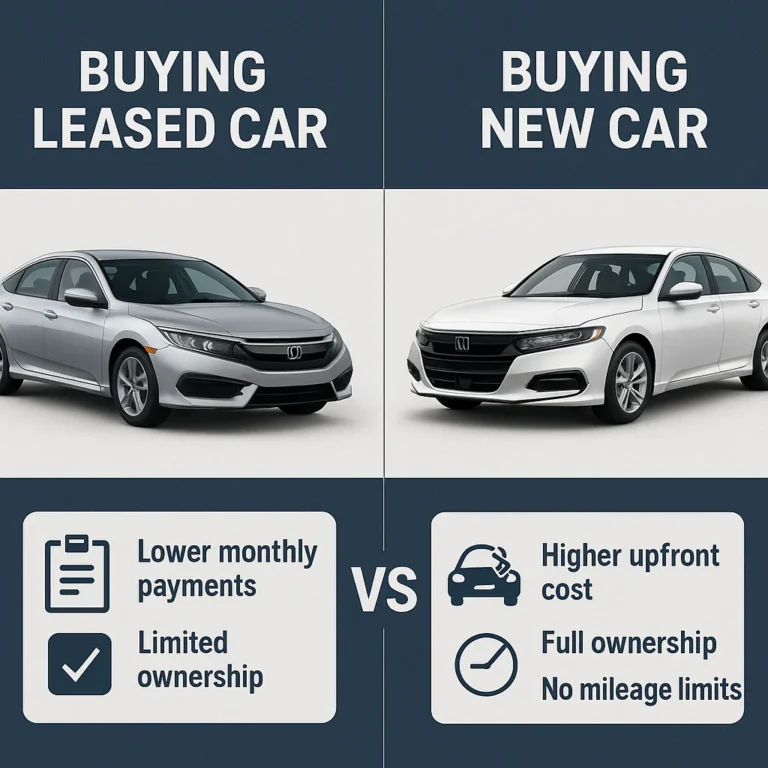
- Lease: Good for those who want a new car every 2-3 years, low mileage, and predictable costs.
- Buy: Good for those who want to keep a car long-term, drive high mileage, or want to customize their vehicle.
For more insights, check out our article on Best Lease Terms.
🏁 Bottom Line Up Front: The Verdict on Lease Buyouts
So, is a lease buyout right for you?
- YES if: The buyout price is lower than the market value, you love the car, you’ve exceeded mileage limits, or you want to avoid wear-and-tear fees.
- NO if: The buyout price is higher than the market value, the car needs major repairs, or you’re ready for a new vehicle.
The key is to do your homework, negotiate the fees, and secure the best financing. Don’t let the dealership dictate the terms. Go direct to the lessor, get your own financing, and drive away with confidence.
📚 Auto Buying Resources and Tools
- Keley Blue Book: kbb.com
- Edmunds: edmunds.com
- NADA Guides: nadaguides.com
- AutoTrader: autotrader.com
🔗 Recommended Links
- 👉 Shop
on:
Toyota: Toyota Official Website | Edmunds Toyota
Honda: Honda Official Website | Edmunds Honda
Ford: Ford Official Website | Edmunds Ford
📖 Reference Links
- Island Federal Credit Union: How Does a Lease Buyout Work?
- Navy Federal Credit Union: Auto Lease Buyout
- Car and Driver: How Lease Buyout Works
Conclusion

Buying out a car lease can be a fantastic financial move, but only if you approach it with eyes wide open. We’ve walked you through the 7-step process, from pinpointing your residual value to navigating the title transfer. Remember, the dealership is not your friend in this process; they want to sell you a new car. Go direct to the lessor, secure your own financing, and negotiate those fees.
If the numbers make sense—if the market value exceeds the buyout price—then congratulations, you’ve just scored a great deal. If not, don’t be afraid to walk away. The goal is to drive away with confidence, knowing you’ve made the smartest choice for your wallet and your wheels.
FAQ

What documents do I need to complete a car lease buyout?
You’ll typically need your lease agreement, a government-issued ID, proof of insurance, and the payoff quote from the lessor. Some states may require a bill of sale or specific title transfer forms.
Read more about “🚨 15 Hidden Lease Fees You Won’t See Coming (2026)”
When is the best time to buy out a car lease?
The best time is usually at the end of the lease term when you have a clear picture of the car’s condition and market value. However, if you’ve exceeded your mileage limit early, buying out early might save you money.
Read more about “Can I Negotiate a Car Lease? 7 Terms You MUST Change 🚗”
How does financing work for a car lease buyout?
Financing works similarly to a used car loan. You apply for a loan, and the lender pays the lessor the buyout amount. You then repay the loan with interest. Credit unions often offer the best rates.
Read more about “🚗 Can You Lease a Car and Not Buy It? (2026 Guide)”
What fees should I expect when buying out a car lease?
Expect a purchase option fee, title transfer fee, registration fee, and sales tax. Some lessors may also charge an early termination fee if you buy out before the lease ends.
Read more about “🚗 Tesla Model 3 Lease Price (2026): The $29 Myth vs. Reality”
Can I negotiate the price during a car lease buyout?
While the residual value is usually fixed, you can often negotiate the purchase option fee and other administrative fees. If the market value is significantly lower than the residual value, some lessors may be willing to lower the price.
Read more about “🚗 Can You Really Negotiate a Zero-Down Lease? (2026)”
How do I know if a car lease buyout is a good deal?
Compare the buyout price (plus fees) to the current market value of the car. If the buyout price is lower, it’s a good deal. If it’s higher, you might better off returning the car.
Read more about “🚫 No, You Don’t *Have* to Put $4,50 Down on a Tesla (2026)”
What are the best strategies to get the most savings on car leases?
Shop around for financing, negotiate fees, and avoid the dealership. Also, consider buying out the lease if you’ve exceeded mileage limits to avoid per-mile fees.
Read more about “🚀 Tesla Model Y Zero Down Lease: 5 Secrets to the Ultimate 2026 Deal”
What are the steps involved in the car lease buyout process?
- Get the payoff quote.
- Check the market value.
- Compare the numbers.
- Secure financing.
- Negotiate fees.
- Complete paperwork.
- Drive away as the owner.
How do maintenance costs compare between leased and owned vehicles over time?
During a lease, maintenance is often covered by the manufacturer’s warranty. Once you own the car, you’re responsible for all maintenance and repairs, which can add up over time.
How much does a car lease buyout cost?
The cost is the residual value plus any fes and taxes. This varies by lease and vehicle.
Read more about “🚗 How Mileage Affects Your Lease Payments: The 2026 Guide”
Is it worth buying out my lease early?
It depends. If you’ve exceeded your mileage limit or the car is in great shape and the buyout price is low, it might be worth it. Otherwise, waiting until the end of the lease is usually better.
Read more about “🚪 7 Ways to Escape Your Tesla Model 3 Lease (2026)”
What is the residual value in a lease buyout?
The residual value is the predetermined value of the car at the end of the lease, set in the original contract. It’s the amount you pay to buy the car.
Read more about “Why Is the Tesla Model 3 Not Available After Lease? 🤔 (2026)”
Can I negotiate the buyout price on a car lease?
The residual value is usually fixed, but you can negotiate fes and, in some cases, the price if the market value is significantly lower.
Read more about “🚨 Honda Lease Mileage Penalty: The $0.25/mile Shock (2026)”
What fees are included in a lease buyout?
Common fees include the purchase option fee, title fee, registration fee, and sales tax.
Read more about “Leased Car Fair Wear and Tear Guide: 15 Must-Know Facts for 2026 🚗”
How do I finance a car lease buyout?
You can finance through a bank, credit union, or online lender. Compare rates to get the best deal.
Read more about “Car Lease Maintenance Packages: 12 Must-Know Facts for 2026 🚗”
What happens if I don’t buy out my leased car?
If you don’t buy out the lease, you return the car to the lessor. You may face excess mileage fees and wear and tear charges if the car is not in good condition.
Read more about “🚫 Why You Should Never Put Money Down on a Lease (2026)”