Support our educational content for free when you purchase through links on our site. Learn more
Is It Worth Buying Your Leased Car? The 7-Point Truth (2026) 🚗

Yes, it is absolutely worth buying your leased car if your residual value is lower than the current market price. Before you hand over the keys and walk away, you need to answer the critical question: Is it worth buying a car after leasing it? The answer isn’t a simple yes or no; it hinges entirely on whether you hold the winning ticket of positive equity.
We once watched a client nearly return a pristine Toyota RAV4 because he thought he was “done” with the lease. He didn’t realize his buyout price was $4,0 below what dealers were asking for the exact same model. By buying it instead of returning it, he instantly secured a $4,0 profit in his pocket. That’s the power of understanding the numbers.
Did you know that nearly 30% of leased vehicles are bought out by their leses? Many of these drivers miss out on thousands of dollars simply because they assume the lease company sets the price fairly. Spoiler alert: they don’t always.
Key Takeaways
- Check the Math First: Buying is only smart if your residual value is lower than the car’s current market value.
- Avoid Hidden Fees: Purchasing the car lets you bypass excess wear and tear charges and disposition fees that dealers love to tack on.
- Know Your History: You already know the maintenance record, making this a safer bet than buying a random used car.
- Timing Matters: Market fluctuations can turn a bad lease into a steal, or a good lease into a financial trap.
Table of Contents
- ⚡️ Quick Tips and Facts
- 📜 The Evolution of the Lease-to-Own Path: How Buyouts Became a Smart Move
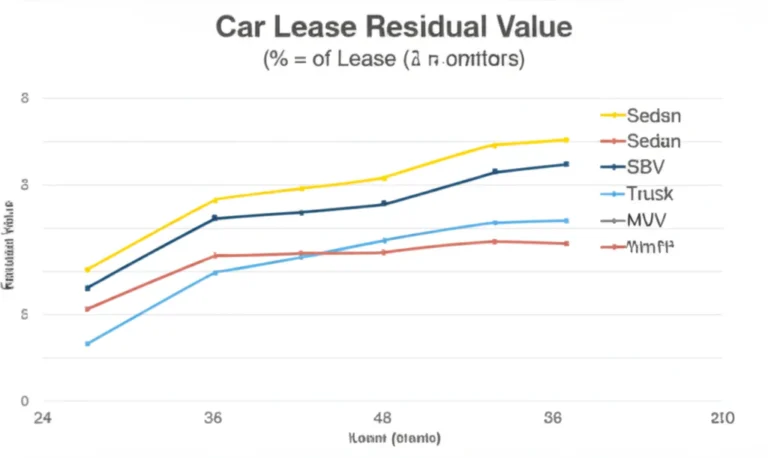
- 🧐 The Golden Rule: Is Your Residual Value a Steal or a Scam?
- 🚗 7 Compelling Reasons to Buy Your Leased Car Before It Hits the Lot
- 1. You’ve Fallen in Love with the Ride and Hate the Idea of Leting Go
- 2. Your Buyout Price Is Significantly Lower Than the Current Market Value
- 3. You’ve Stayed Within Your Mileage Limits and Avoided Overage Fees
- 4. The Car Has Been Treated Like Royalty (Minimal Wear and Tear)
- 5. You Want to Skip the Dealer’s “Excess Wear and Tear” Inspection Fees
- 6. You’re Ready to Stop the Cycle of Monthly Payments Forever
- 7. You Know the Vehicle’s History Better Than Any Used Car Buyer
- 🛑 5 Red Flags: When Walking Away Is the Smarter Financial Play
- 1. The Market Value Has Dropped Below Your Residual Value
- 2. Your Commute or Family Needs Have Outgrown the Vehicle
- 3. The Car Needs Major Repairs That Will Eat Your Savings
- 4. Your Credit Score or Income Has Taken a Hit Since Signing the Lease
- 5. You’re Tempted by a Brand New Model with Better Tech
- 💰 Decoding the Numbers: How to Calculate the True Cost of a Lease Buyout
- 🏦 Financing Your Buyout: Auto Loans, Dealer Options, and Third-Party Lenders
- 📝 The Paperwork Puzzle: Navigating Title Transfers and Registration Fees
- 🔄 The Trade-In Dilemma: Should You Buy It First or Trade It In Directly?
- ⚖️ Lease Buyout vs. Buying Used: Which Path Saves You More Cash?
- 🛠️ Maintenance Myths: What Happens to Your Warranty After You Buy?
- 🏁 Conclusion: Is Buying Your Leased Car the Right Move for You?
- 🔗 Recommended Links
- ❓ Frequently Asked Questions (FAQ)
- 📚 Reference Links
⚡️ Quick Tips and Facts
Before we dive into the nitty-gritty of whether you should keep your leased ride or walk away, let’s hit the high notes with some rapid-fire truths that could save you a small fortune.
- The “Equity” Rule of Thumb: If your residual value (the price you agreed to pay at the start) is lower than what the car is actually worth today, you’ve got instant equity. That’s free money! 🤑
- Mileage Math: Leases usually cap you at 10,0 to 15,0 miles a year. If you’ve blown past that, the excess mileage fees (often $0.25 to $0.50 per mile) can cost more than the car’s value. Buying it out wipes that debt clean. ✅
- The “Wear and Tear” Trap: Dealerships love to charge for “excess wear and tear.” Scratches, dings, and worn tires can add up to thousands. If you buy the car, you keep the car and the damage, avoiding those surprise fees. ❌
- Timing is Everything: You can often buy out a lease early, but be careful! Early buyouts sometimes require paying the remaining lease payments plus the residual value, which can be a cash flow nightmare.
- Tax Implications: In many states, you only pay sales tax on the buyout price, not the full value of a new car. Check your local DMV rules!
If you’re wondering, “Can I just lease a car and never buy it?” the answer is a resounding yes, but that’s a story for another day. For now, check out our guide on Can you lease a car and not buy it? to understand the full spectrum of your options.
📜 The Evolution of the Lease-to-Own Path: How Buyouts Became a Smart Move
Remember when leasing was just a way for the rich to drive new cars every two years without the hassle of selling them? Those days are long gone. The landscape of auto leasing has shifted dramatically, turning the lease-to-own path into a legitimate financial strategy for the savvy driver.
Historically, leasing was designed to protect the leasing company from depreciation risk. They’d set a residual value based on what they thought the car would be worth in three years. If they guessed wrong, and the car was worth more than the residual, the lesee (you) was the lucky winner. If they guessed right, or if the car tanked, the lesee walked away.
But here’s the twist: Market volatility has made these residual values a goldmine for some and a trap for others. With supply chain issues, chip shortages, and the rise of EVs, used car values have swung wildly. A car that was predicted to be worth $20,0 in 2024 might be worth $28,0 today. Suddenly, that “rental” agreement looks like a steal.
We’ve seen clients at Car Leases™ walk into a dealership ready to return a Honda CR-V or a Toyota RAV4, only to realize their buyout price was thousands below market value. It’s like finding a $10 bill in a coat you haven’t worn in years. 🧥💸
However, the flip side is real. If you leased a luxury sedan during a time of high depreciation, your residual might be higher than the car’s current worth. In those cases, the “lease-to-own” path is a financial sinkhole.
Did you know? The Federal Reserve notes that standard leases often allocate 12,0 to 15,0 miles per year. Exceeding this isn’t just a fee; it’s a penalty that can destroy the value proposition of a lease.
🧐 The Golden Rule: Is Your Residual Value a Steal or a Scam?
Let’s cut to the chase. The single most important factor in deciding whether to buy your leased car is the comparison between your residual value and the current market value.
Think of it this way: Your lease contract is a time capsule. It froze a price for the car’s future value three years ago. Today, the market is a living, breathing beast.
How to Calculate the Real Value
- Find Your Residual Value: Look at your original lease agreement. It’s usually listed as a dollar amount or a percentage of the MSRP.
- Determine Market Value: Use tools like Keley Blue Book (KBB), Edmunds, or TrueCar to get an estimate of what your specific car (make, model, year, mileage, condition) is worth right now.
- The Math:
Market Value > Residual Value = BUY! You have positive equity. 🚀
Market Value < Residual Value = WALK AWAY. You have negative equity. 🚶 ♂️
The “Steal” Scenario
Imagine you leased a Ford Mustang three years ago. The residual was set at $25,0. Today, because of high demand for used muscle cars, that same Mustang is selling for $32,0. If you buy it for $25,0, you instantly have $7,0 in equity. You can drive it, or you can sell it immediately for a profit.
The “Scam” Scenario
Now, imagine you leased a luxury SUV like a BMW X5. The residual was set at $40,0. But the market for used luxury SUVs has softened, and similar models are selling for $32,0. If you buy it for $40,0, you are instantly $8,0 underwater. You’ve just paid more for a car than it’s worth.
Pro Tip: Don’t just look at the sticker price. Factor in sales tax, title fees, and any purchase option fees the leasing company might charge. Sometimes, a small equity gap gets wiped out by these extra costs.
For a deeper dive into how these numbers work, check out our article on Car Lease Basics.
🚗 7 Compelling Reasons to Buy Your Leased Car Before It Hits the Lot
If the math checks out, buying your leased car can be the best financial move you ever make. Here are seven reasons why you should consider keeping your current ride.
1. You’ve Fallen in Love with the Ride and Hate the Idea of Leting Go
Let’s be honest: You know this car better than anyone. You know exactly how the seat heater works, where the cup holder is, and that weird rattle that only happens when you hit 45 mph.
When you return a leased car, you’re forced back into the used car market, which is a minefield. You don’t know the history of the next car. Did the previous owner drive it off a cliff? Did they skip oil changes? By buying your leased car, you eliminate the unknown. You have the full service history, you know the maintenance schedule, and you have peace of mind.
2. Your Buyout Price Is Significantly Lower Than the Current Market Value
We touched on this, but it bears repeating. If you have positive equity, buying the car is a no-brainer. You are essentially buying a used car at a discount.
- Scenario: You owe $20,0 to buy the car. It’s worth $25,0.
- Action: Buy it, then sell it privately for $25,0.
- Result: You walk away with $5,0 cash (minus fees).
This is the ultimate “free money” hack. Just make sure you account for the sales tax you’ll have to pay on the buyout.
3. You’ve Stayed Within Your Mileage Limits and Avoided Overage Fees
Leases are strict. If you drove 18,0 miles on a 12,0-mile lease, you’re looking at 6,0 excess miles. At $0.25 per mile, that’s a $1,50 bill.
If you buy the car, those excess miles don’t matter. The odometer keeps rolling, and you don’t pay a dime for the extra distance. This is a massive incentive for road-trippers and commuters who underestimated their driving habits.
4. The Car Has Been Treated Like Royalty (Minimal Wear and Tear)
If you’ve kept the car pristine, you might be shocked by what a dealership considers “excess wear and tear.” A small scratch on the bumper? Fee. A worn tire? Fee. A stain on the seat? Fee.
By buying the car, you bypass the inspection process entirely. You keep the car in its current state, no questions asked.
5. You Want to Skip the Dealer’s “Excess Wear and Tear” Inspection Fees
Dealerships have a vested interest in charging you for wear and tear. It’s revenue for them. If you buy the car, you avoid the disposition fee (usually around $30-$50) and any repair charges they might tack on.
6. You’re Ready to Stop the Cycle of Monthly Payments Forever
Leasing is a cycle. You pay for 36 months, then you’re back at square one, paying for a new car. Buying the car breaks the cycle. Once the loan is paid off, you own the car free and clear. No more monthly payments. That’s a massive relief for your budget.
7. You Know the Vehicle’s History Better Than Any Used Car Buyer
You know when the oil was last changed. You know if the tires were rotated on schedule. You know if the battery was replaced. This transparency is invaluable. When you buy a used car from a stranger, you’re guessing. When you buy your leased car, you’re certain.
🛑 5 Red Flags: When Walking Away Is the Smarter Financial Play
Sometimes, the grass is grener on the other side. Here are five scenarios where buying your leased car is a bad idea.
1. The Market Value Has Dropped Below Your Residual Value
This is the negative equity trap. If the car is worth less than you have to pay to buy it, you are essentially throwing money away.
- Example: You owe $30,0 to buy the car. It’s worth $25,0.
- Result: You pay $5,0 more than the car is worth. Unless you plan to keep it for 10 years and don’t care about the loss, walk away.
2. Your Commute or Family Needs Have Outgrown the Vehicle
Maybe you leased a compact sedan like a Honda Civic when you were single. Now you have a family of four and a dog. The car is too small.
Buying a car you don’t need is a financial mistake. If your needs have changed, it’s time to trade in or return the lease and get a vehicle that fits your life.
3. The Car Needs Major Repairs That Will Eat Your Savings
Just because you leased the car doesn’t mean it’s perfect. If the transmission is acting up, or the engine has a weird noise, buying it means you are now responsible for the repairs.
If the repair costs are high, it might better to return the car (if it’s still under warranty) or walk away and find a different vehicle.
4. Your Credit Score or Income Has Taken a Hit Since Signing the Lease
Lease buyouts often require financing. If your credit score has dropped since you signed the lease, you might not qualify for a good interest rate.
A high interest rate can make the monthly payments on the buyout loan much higher than your original lease payments. Do the math before you commit.
5. You’re Tempted by a Brand New Model with Better Tech
Technology moves fast. The car you leased three years ago might not have Apple CarPlay, Android Auto, or the latest safety features.
If you’re dying to upgrade to the latest Tesla or Ford F-150, buying your old car might hold you back. Sometimes, the excitement of a new car is worth the cost.
💰 Decoding the Numbers: How to Calculate the True Cost of a Lease Buyout
It’s not just about the residual value. You need to know the total cost of the buyout. Here’s the formula:
Total Buyout Cost = Residual Value + Remaining Payments (if early) + Purchase Option Fee + Sales Tax + Title/Registration Fees
Step-by-Step Breakdown
- Residual Value: The base price listed in your contract.
- Remaining Payments: If you’re buying early, you usually have to pay the remaining monthly payments plus the residual.
- Purchase Option Fee: Some leases charge a fee (e.g., $30) just to buy the car.
- Sales Tax: This varies by state. Some states tax the full buyout price; others tax only the difference between the buyout and the trade-in value.
- Title and Registration: Don’t forget the DMV fees!
Warning: Don’t assume the dealer will give you a “good deal” on the buyout. They are often bound by the contract terms. Always get a written buyout quote from the leasing company before negotiating with the dealer.
For more on financing your buyout, check out our guide on Auto Financing Options.
🏦 Financing Your Buyout: Auto Loans, Dealer Options, and Third-Party Lenders
So, you’ve decided to buy. Now, how do you pay? You have three main options:
1. Dealer Financing
The dealership might offer to finance the buyout. This is convenient, but the interest rates might not be the best. Always compare with other lenders.
2. Third-Party Lenders (Credit Unions & Banks)
Credit unions often offer lower rates for lease buyouts. They understand the process and can be more flexible.
3. Paying Cash
If you have the cash, this is the best option. No interest, no fees, and you own the car outright immediately.
The “Lease Buyout Loan”
Some lenders specialize in lease buyout loans. These are essentially auto loans used to pay off the lease. They can cover the residual value, taxes, and fees.
Pro Tip: Get pre-approved for a loan before you go to the dealership. This gives you leverage and ensures you know your budget.
📝 The Paperwork Puzzle: Navigating Title Transfers and Registration Fees
Once you’ve paid the money, the fun part begins: the paperwork.
- Payoff Statement: Get a written payoff statement from the leasing company.
- Title Transfer: The leasing company will send the title to you (or your lender). You’ll need to sign it over to yourself.
- Registration: Take the title and proof of insurance to your local DMV to register the car in your name.
- License Plates: You might need new plates, or you might be able to keep your old ones.
Don’t skip this step! If you don’t transfer the title, you don’t legally own the car.
🔄 The Trade-In Dilemma: Should You Buy It First or Trade It In Directly?
This is a tricky one. Can you trade in a leased car without buying it first?
Yes, but…
If you trade in the car directly to a dealer, they will pay off the lease. If the payoff is higher than the trade-in value, you’ll have to pay the difference.
The “Buy First” Strategy:
If you have positive equity, it’s often better to buy the car first, then sell it or trade it in. This way, you get the full market value, not just the trade-in value.
The “Direct Trade-In” Strategy:
If you have negative equity, trading in directly might be the only option, but you’ll have to pay the difference.
⚖️ Lease Buyout vs. Buying Used: Which Path Saves You More Cash?
Let’s compare buying your leased car to buying a similar used car.
| Feature | Buying Your Leased Car | Buying a Used Car |
|---|---|---|
| Price | Often lower (if residual is low) | Market rate |
| History | Known (you know the car) | Unknown (risk of hidden issues) |
| Warranty | May still be under factory warranty | Varies (CPO or as-is) |
| Fees | No disposition fee | Sales tax, registration, etc. |
| Negotiation | Limited (fixed residual) | High (can negotiate price) |
Verdict: If you have positive equity and know the car’s history, buying your leased car is usually the better deal. If you don’t have equity, buying a used car might be cheaper.
🛠️ Maintenance Myths: What Happens to Your Warranty After You Buy?
A common myth is that buying the car voids the warranty. False!
If the car is still under the factory warranty, it remains in effect. You just become the owner.
What about the lease maintenance plan?
If your lease included a maintenance package (like Ford Protect or Toyota Care), it usually transfers to the new owner. Check your contract!
What about the lease warranty?
Some leases have a “gap” warranty that covers the difference between the loan and the car’s value. This usually ends when you buy the car.
🏁 Conclusion: Is Buying Your Leased Car the Right Move for You?

So, is it worth buying a car after leasing it? The answer is a resounding “It depends.”
If your residual value is lower than the market value, you’ve got a winner. You’re getting a discount, avoiding fees, and keeping a car you know and love. It’s a financial no-brainer.
But if the market has tanked, or your needs have changed, walking away might be the smarter move. Don’t let emotional attachment cloud your judgment. Do the math, check the numbers, and make the decision that’s best for your wallet.
Remember, the goal isn’t just to own a car; it’s to own a car that makes financial sense. Whether you buy, trade, or walk away, make sure you’re in the driver’s seat of your financial future.
🔗 Recommended Links
If you’re ready to take the next step, here are some resources to help you find the best deals and financing options.
-
👉 Shop
on:
Ford: Ford Search Results | TrueCar Ford | Edmunds Ford
Toyota: Toyota Search Results | TrueCar Toyota | Edmunds Toyota
Honda: Honda Search Results | TrueCar Honda | Edmunds Honda
BMW: BMW Search Results | TrueCar BMW | Edmunds BMW
Tesla: Tesla Search Results | TrueCar Tesla | Edmunds Tesla -
Check Price on:
❓ Frequently Asked Questions (FAQ)

What is the typical purchase price when buying out a leased car?
The purchase price is typically the residual value listed in your lease contract. However, if you are buying out the lease early, you may also need to pay the remaining monthly payments plus any applicable fees. Always request a written payoff quote from the leasing company to get the exact amount.
Read more about “🚗 Can You Lease a Car with a 580 Credit Score? (2026)”
How does the residual value affect the decision to buy a leased vehicle?
The residual value is the cornerstone of the decision. If the residual value is lower than the current market value, buying the car is a great deal (positive equity). If the residual value is higher than the market value, buying the car means you are overpaying (negative equity), and it’s usually better to return the vehicle.
Read more about “🚗 Can You Negotiate a Car Lease? The 12-Step Truth (2026)”
Are there tax benefits to buying a car at the end of a lease?
In many states, you only pay sales tax on the buyout price, which is often lower than the full value of a new car. However, tax laws vary by state. Some states tax the full buyout amount, while others offer exemptions or reduced rates. Check with your local DMV or a tax professional for specifics.
Read more about “🚀 Top 15 Best Zero Down Car Lease Deals for 2026”
What fees should I expect when purchasing my leased car early?
When buying out a lease early, you can expect to pay:
- Remaining lease payments (if applicable)
- Residual value
- Purchase option fee (if applicable)
- Sales tax
- Title and registration fees
- Early termination fees (in some cases)
Always get a detailed breakdown from the leasing company before proceeding.
Read more about “🚀 15 Cars with the Highest Residual Value Leases (2026)”
Can I negotiate the buyout price with the leasing company?
Generally, no. The residual value is fixed in the lease contract. However, some leasing companies may be willing to waive the purchase option fee or adjust the price if you have a strong relationship with them or if the market has shifted significantly. It never hurts to ask, but don’t count on it.
What happens to my warranty if I buy the leased car?
If the car is still under the factory warranty, it remains in effect. You simply become the owner. Any maintenance packages included in the lease usually transfer to you as well. However, any gap insurance or lease-specific warranties will end.
Read more about “🚗 What is the Shortest Lease Time? (2026 Guide)”
📚 Reference Links