Support our educational content for free when you purchase through links on our site. Learn more
What Happens to Leased Cars After Return? 🚗

What happens to leased cars after return? The leasing company or automaker typically inspects the vehicle, settles any lease-end charges, then sells it—often through a franchised dealer, a certified pre-owned program, or a wholesale auction. Some cars are bought by their original drivers, while heavily damaged or uneconomical vehicles may be sent to salvage or recycling.
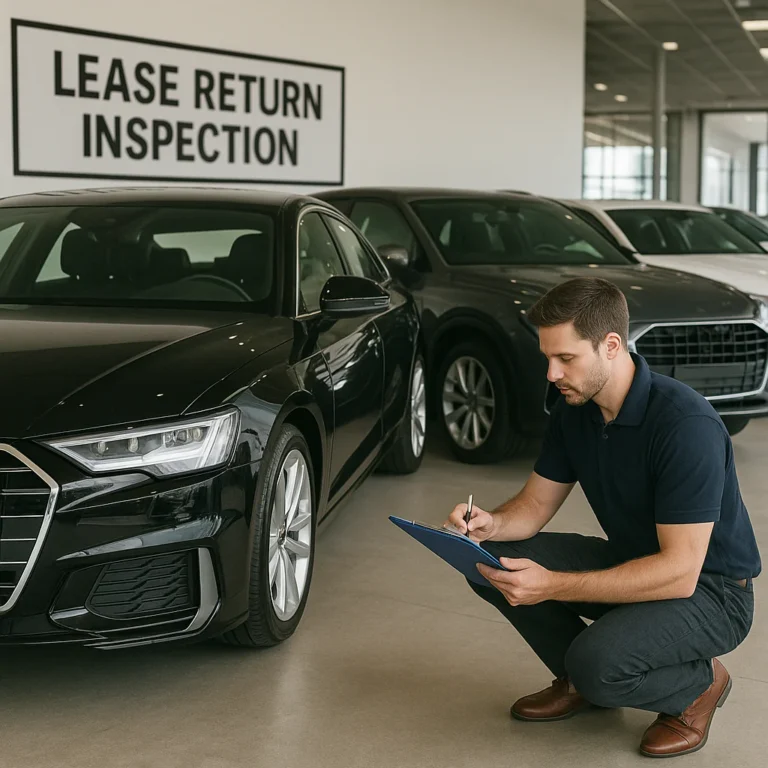
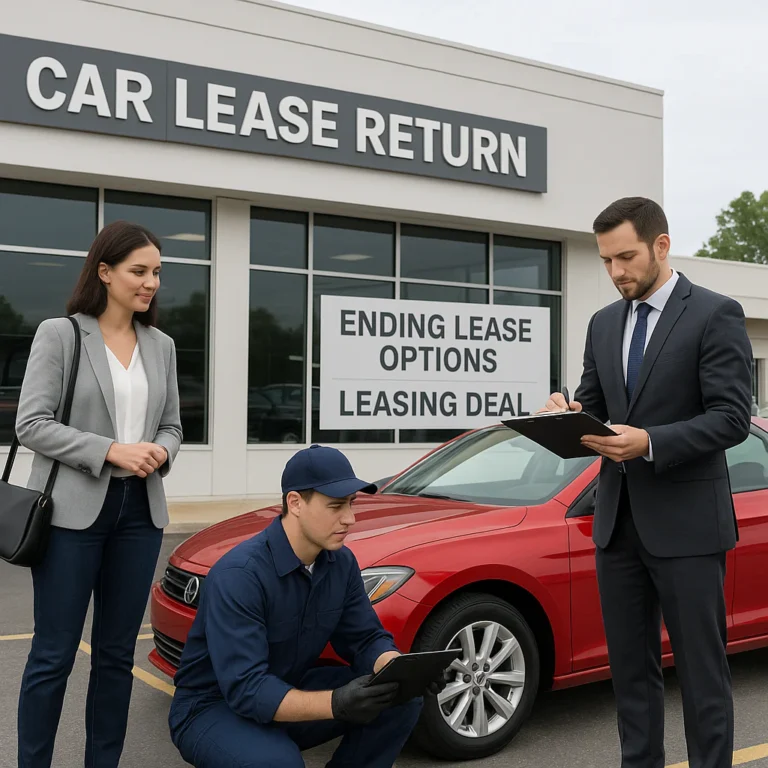
We’ve seen lease returns arrive at dealerships looking almost showroom-fresh—and others with a missing key, worn tires, and a mysterious bumper scrape that clearly wasn’t there at pickup. That condition, along with mileage, service history, demand, and the car’s projected value, helps determine where it goes next.
If you’re returning a car, understanding that process can help you avoid surprises and decide whether to return, buy out, or trade it. If you’re shopping for an off-lease vehicle, the return history can offer useful clues—but it’s no substitute for checking records and getting an independent inspection.
Key Takeaways
- Most returned lease cars are inspected and resold, commonly through a dealership, certified pre-owned program, or wholesale auction.
- The leasing company usually takes the vehicle back, but the car may later be sold to a dealer or another buyer.
- Mileage and condition can affect your final bill and the vehicle’s resale path. Review your lease agreement and inspection report before turning in the keys.
- An off-lease car may have useful service records and a known ownership history, but check its vehicle history, open recalls, and mechanical condition.
- You may be able to buy out your leased car rather than return it; compare the buyout terms and vehicle condition before deciding.
Table of Contents
- ⚡ Quick Tips and Facts: What Happens to Leased Cars After Return
- 🚗 The Lease-Return Process: What Happens First
- Where You Return a Leased Car
- The Vehicle Inspection and Lease-End Condition Report
- Mileage, Wear and Tear, and Final Charges
- 📜 Why Automakers Take Back Leased Vehicles
- How Lease Residual Value Affects the Next Step
- Who Owns the Car After You Return It?
- 🔀 7 Common Destinations for Returned Lease Cars
- 1. The Original Lesee Buys Out the Lease
- 2. The Car Is Sold at a Franchise Dealership
- 3. The Vehicle Goes to a Certified Pre-Owned Program
- 4. The Car Is Sold at a Wholesale Auction
- 5. An Independent Dealer Buys the Vehicle
- 6. The Car Is Reconditioned Before Resale
- 7. The Vehicle Is Sent to a Salvage or Recycling Facility
- 🔎 How Returned Lease Cars Are Inspected, Reconditioned, and Resold
- Mechanical Checks and Safety Repairs
- Cosmetic Repairs and Vehicle Detailing
- Vehicle History, Title, and Recall Checks
- 🛡️ How to Verify an Off-Lease Car Before Buying
- Check the Vehicle History Report
- Confirm Recall Repairs and Service Records
- Get an Independent Pre-Purchase Inspection
- 🚙 Are Ex-Lease Cars Good Used-Car Buys?
- Advantages of Buying an Off-Lease Vehicle
- Potential Risks and Common Drawbacks
- Off-Lease Cars Compared With Other Used Cars
- 💡 What Happens If You Buy Out Your Lease Instead?
- Lease Buyout Versus Returning the Car
- Can You Sell or Trade In a Leased Car?
- 📋 How to Prepare Your Car for Lease Return
- Gather Keys, Records, and Required Equipment
- Review Your Mileage and Lease-End Inspection
- Remove Personal Items and Connected-Services Data
- ❓ Common Questions About Cars After Lease Return
- 🏁 Conclusion
- 🔗 Recommended Links
- 🙋 FAQ
- 📚 Reference Links
Table of Contents
- ⚡ Quick Tips and Facts: What Happens to Leased Cars After Return
- 🚗 The Lease-Return Process: What Happens First
- Where You Return a Leased Car
- The Vehicle Inspection and Lease-End Condition Report
- Mileage, Wear and Tear, and Final Charges
- 📜 Why Automakers Take Back Leased Vehicles
- How Lease Residual Value Affects the Next Step
- Who Owns the Car After You Return It?
- 🔀 7 Common Destinations for Returned Lease Cars
- 1. The Original Lese Buys Out the Lease
- 2. The Car Is Sold at a Franchise Dealership
- 3. The Vehicle Goes to a Certified Pre-Owned Program
- 4. The Car Is Sold at a Wholesale Auction
- 5. An Independent Dealer Buys the Vehicle
- 6. The Car Is Reconditioned Before Resale
- 7. The Vehicle Is Sent to a Salvage or Recycling Facility
- 🔎 How Returned Lease Cars Are Inspected, Reconditioned, and Resold
- Mechanical Checks and Safety Repairs
- Cosmetic Repairs and Vehicle Detailing
- Vehicle History, Title, and Recall Checks
- 🛡️ How to Verify an Off-Lease Car Before Buying
- Check the Vehicle History Report
- Confirm Recall Repairs and Service Records
- Get an Independent Pre-Purchase Inspection
- 🚙 Are Ex-Lease Cars Good Used-Car Buys?
- Advantages of Buying an Off-Lease Vehicle
- Potential Risks and Common Drawbacks
- Off-Lease Cars Compared With Other Used Cars
- 💡 What Happens If You Buy Out Your Lease Instead?
- Lease Buyout Versus Returning the Car
- Can You Sell or Trade In a Leased Car?
- 📋 How to Prepare Your Car for Lease Return
- Gather Keys, Records, and Required Equipment
- Review Your Mileage and Lease-End Inspection
- Remove Personal Items and Connected-Services Data
- ❓ Common Questions About Cars After Lease Return
- 🏁 Conclusion
- 🔗 Recommended Links
- 🙋 FAQ
- 📚 Reference Links