Support our educational content for free when you purchase through links on our site. Learn more
Why Do Car Manufacturers Limit Lease Returns? 🚗

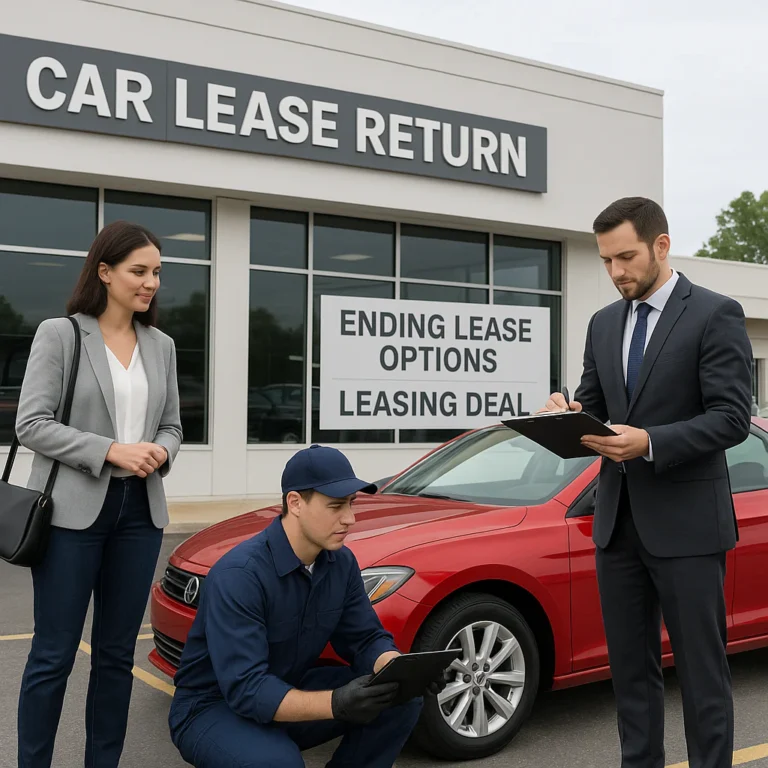
Car manufacturers and leasing companies may limit where or how certain vehicles can be returned to manage dealer capacity, inspections, resale channels, and changing market conditions. A restriction at one dealership does not automatically mean you can’t return your car—your lease contract and the lessor’s instructions determine your options.
The tricky part is that “the manufacturer” may not be the company handling your lease. The automaker, its finance arm, and the dealership can have different roles, so a dealer saying “we don’t take those back” may simply mean you need an authorized return location.
We’ve seen lease-end plans get wobbly over a seemingly small detail: a driver assumes the dealership where they leased the car must accept it back. Then maturity day arrives, and everyone is pointing at a different phone number. A quick call to the lessor—ideally followed by written confirmation—can save you that last-minute runaround.
Key Takeaways
- Check the lease contract and contact the lessor first. Policies can vary by finance company, model, region, and dealership.
- A return restriction may be about logistics, not the vehicle’s quality or resale value. Don’t assume a model is ineligible just because one dealer declines the return.
- Ask for an authorized return location and written instructions. Confirm the inspection, appointment, and deadline requirements.
- Explore your alternatives carefully. A buyout, trade-in, or lease extension may be possible, but eligibility and costs depend on your contract and lessor.
- Keep records. Save the return receipt, inspection report, odometer reading, photos, and communications in case a fee or deadline is disputed.
Table of Contents
- ⚡️ Quick Tips and Facts
- 🚗 Background: Why Lease Returns Are Restricted on Some Models
- 🔍 Why Do Car Manufacturers Limit Lease Returns on Certain Models?
- Protecting Residual Values and Used-Car Prices
- Managing Supply, Demand, and Dealer Inventory
- Controlling Lease Costs and Manufacturer Incentives
- Reducing Risks from Repairs, Recalls, and Model Changes
- 🧾 What “Limited Lease Returns” Actually Means
- Return Restrictions vs. Lease Eligibility
- Model, Trim, Region, and Dealership Restrictions
- 📋 Which Vehicles Are Most Likely to Have Lease-Return Limits?
- High-Demand and Supply-Constrained Models
- Electric Vehicles, Hybrids, and Rapidly Changing Technology
- Special Editions, Luxury Trims, and Discontinued Models
- 🔄 What Happens If Your Lease-End Return Is Restricted?
- Returning the Vehicle to Another Authorized Dealer
- Buying Out or Trading In Your Leased Car
- Extending Your Lease or Arranging a Different Return
- 💰 Lease-End Costs, Fees, and Your Options
- Disposition Fees, Excess Mileage, and Wear Charges
- Lease Buyout Amounts and Third-Party Purchase Rules
- How Equity Can Change Your Best Move
- 🛠️ How to Check Your Lease-Return Rules Before You Sign
- Read the Lease Contract and Lessor’s Policies
- Ask About Return Locations, Appointments, and Exceptions
- Get Restrictions and Promises in Writing
- ✅ Smart Strategies for a Smooth Lease Return
- ⚖️ Can a Manufacturer Change Lease-Return Rules After You Sign?
- ❓ Frequently Asked Questions About Restricted Lease Returns
- Can I return my leased car to any dealership?
- Can a dealer refuse my lease return?
- Can I return a leased vehicle to a different brand’s dealership?
- Can I sell or trade in my leased car instead of returning it?
- Do lease-return restrictions affect my fees or credit?
- 🏁 Conclusion
- 🔗 Recommended Links
- 📚 Reference Links
⚡️ Quick Tips and Facts
Short answer: a lease-return restriction is usually about where, when, or under what conditions a vehicle can be returned—not a universal rule that the manufacturer will refuse to take back that model. Your signed lease and the leasing company’s current instructions are the authorities to check.
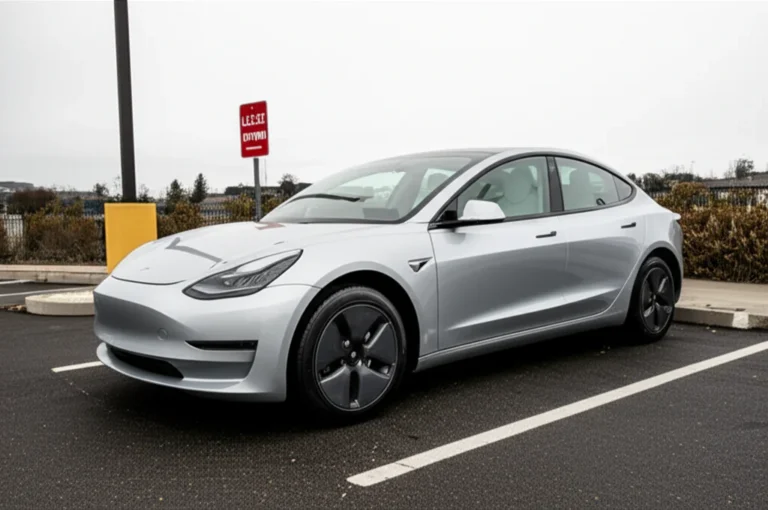
If you’re asking because a specific vehicle is no longer being accepted, our related guide to why the Tesla Model 3 may not be available after lease explains one model-specific version of the problem.
| Quick fact | What it means for you |
|---|---|
| The lessor is the company that owns the vehicle during the lease. | It may be the manufacturer’s finance arm, a bank, or another leasing company. |
| Lease-end instructions can depend on the lessor, brand, dealer, location, and contract. | Don’t assume every dealership can process your return. |
| Used-car values and vehicle demand can influence lease programs. | They may help explain policy changes, but they don’t prove the reason for a particular restriction. |
| You may have alternatives to a standard return. | Depending on your contract and current rules, you might buy out the vehicle, trade it, return it at another authorized location, or request an extension. |
| A lease buyout is not automatically a bargain. | Compare the contractual payoff with a realistic market value, taxes, fees, and financing costs. |
| Get written instructions early. | Confirm the return location, inspection process, deadlines, and any restrictions directly with the lessor. |
For a quick primer on car lease basics, start with the difference between the lease contract, the vehicle brand, and the finance company. They’re related, but they don’t always make the same decisions. 🚗
🚗 Background: Why Lease Returns Are Restricted on Some Models

A common source of confusion is that “the manufacturer” may mean several different businesses. The automaker builds and sells the vehicle; a captive finance company—such as Toyota Financial Services, Ford Credit, or GM Financial—may write or service the lease; and a dealership may handle inspections or paperwork.
Those roles matter because a salesperson saying “we don’t take those back here” may mean that dealership does not process that return, not that the leasing company has canceled your contractual return option.
Who does what at lease end?
| Party | Typical role | What to verify |
|---|---|---|
| Automaker | Builds and markets the vehicle; may influence lease promotions and support its finance arm. | Brand-specific lease-end policies, if applicable. |
| Lessor or finance company | Owns the vehicle during the lease and administers the contract. | Contractual return rights, payoff, approved locations, and deadlines. |
| Dealer | May inspect, accept, buy, or resell the vehicle, depending on its agreement and business practices. | Whether that specific location can process your return. |
| Third-party inspection company | May document wear, mileage, or damage on the lessor’s behalf. | Inspection appointment, report, and dispute process. |
The Federal Trade Commission explains that a lease is a contract with terms such as mileage limits, end-of-lease charges, and purchase options. The useful starting point is your lease agreement and the FTC’s leasing guidance, not a rumor from a dealership lot.
“Limited returns” can mean several different things
A restriction may concern:
- Return location: only certain authorized dealers or facilities can complete the process.
- Dealer participation: a particular dealer may not want to handle the return or may lack the required system access.
- Model or program eligibility: a finance company may change which vehicles it accepts through a specific program or transaction channel.
- Lease-end timing: instructions can differ for early returns, extensions, or a contract nearing maturity.
- Buyout rules: a lessor may limit who can purchase the vehicle or how a payoff is processed.
So why would a model-specific rule appear in the first place? The answer often involves a mix of logistics, inventory, finance policy, and changing market conditions—not one universal “bad resale value” explanation.
🔍 Why Do Car Manufacturers Limit Lease Returns on Certain Models?
The most responsible answer is it depends on who is imposing the restriction and what “limit” means. Automakers and lessors manage large fleets, contracts, resale channels, and dealer networks. A policy change can be practical or financial; it doesn’t necessarily mean the vehicle is unreliable, undesirable, or impossible to return.
Protecting Residual Values and Used-Car Prices
A residual value is the estimated value of a leased vehicle at the end of the lease. It helps determine how much depreciation the lease payment covers. Residual assumptions are one reason lease offers can differ by vehicle, term, mileage allowance, and region. But a residual value is a contract calculation, not a guarantee of what a used car will sell for later.
The Consumer Financial Protection Bureau explains key lease terms and costs, while the FTC’s leasing guide covers mileage, wear, and end-of-lease obligations. These are better sources for contract basics than treating a projected residual as a future market quote.
A lease-return policy may be connected to resale planning, but we shouldn’t overstate the evidence: a return restriction by itself does not establish that the vehicle’s residual value caused it. The lessor may simply route vehicles through selected locations or channels.
Managing Supply, Demand, and Dealer Inventory
When many similar vehicles arrive at once, a lessor or dealer network may need to manage inspection, transport, storage, and resale capacity. High demand can make a used vehicle easier to place; oversupply can make it harder. These market pressures can influence operational decisions, but they don’t automatically mean a customer loses their contractual return right.
Industry and credit-market conditions also shift. Moody’s has published analysis titled “Increased uncertainty for auto leases”, though the page may not currently display the auto-lease material described by that title. Treat it as a pointer to broader uncertainty, not proof of a specific manufacturer’s return policy.
Controlling Lease Costs and Manufacturer Incentives
Lease deals are shaped by more than resale value. The monthly payment can reflect the vehicle’s negotiated capitalized cost, residual, money factor, mileage allowance, taxes, fees, and applicable incentives. A manufacturer may support a lease to attract customers, move inventory, or compete in a segment. That commercial strategy is separate from the rules for handing the vehicle back later.
Consumer discussions sometimes suggest that finance companies make money mainly from interest and fees, or that an inflated residual can help advertise a lower payment. Those are forum opinions and examples, not universal accounting rules. The actual economics vary by lessor, contract, resale result, and incentives. We would trust the written contract and the lessor’s official policy over anonymous claim about what “manufacturers always do.”
Compare lease and loan alternatives with our guides to auto financing options and best lease terms.
Reducing Risks from Repairs, Recalls, and Model Changes
Operational factors can matter too. A vehicle may need a particular inspection, safety repair, software update, battery assessment, or remarketing process before resale. That can be especially relevant for newer technologies, but it is not evidence that all EVs or hybrids have restricted returns.
For electric vehicles, battery condition and rapidly changing model specifications can affect how a used vehicle is evaluated. If you lease an EV, check the lessor’s return instructions and any manufacturer-specific requirements; our Electric Vehicle Leases hub covers EV lease considerations. For brand-specific requirements, consult the official Tesla, Ford, or Toyota Financial Services resources relevant to your contract.
🧾 What “Limited Lease Returns” Actually Means
Before changing plans, pin down exactly what is restricted. “We can’t take it” is incomplete information. Ask: Who is “we,” what can’t they do, and where does the contract say I can go instead?
Return Restrictions vs. Lease Eligibility
These two ideas often get mixed up:
- Lease eligibility concerns whether a customer can lease a vehicle under a particular program.
- Lease return processing concerns how and where a current lesee fulfills the end-of-lease process.
- Buyout eligibility concerns who may purchase the vehicle and what payoff procedures apply.
A vehicle disappearing from a new-lease offer does not automatically mean existing leses cannot return it. Likewise, a dealership declining to process paperwork does not by itself tell you what your lease contract allows.
Model, Trim, Region, and Dealership Restrictions
Rules can differ by region, finance company, and participating dealer. A premium trim or specialty model may follow the same return process as the base model—or it may have separate inspection or resale arrangements. Don’t assume.
Call the finance company using the number on your statement or contract and ask:
- Is my lease eligible for a normal maturity return?
- Which locations can accept this VIN?
- Is there an approved return center if my local dealer cannot help?
- Are there separate rules for my model, trim, or powertrain?
- What is the inspection and final-billing process?
- Can I buy out the vehicle, and who is eligible to do so?
Get the answers by email, secure message, or another written channel when possible. A helpful verbal answer is nice; a documented one is much nicer when deadlines get close.
📋 Which Vehicles Are Most Likely to Have Lease-Return Limits?
There is no reliable universal list of models that manufacturers “limit” for returns. Policies change, and the same car may be handled differently by different lessors or dealers. It is more useful to know which situations deserve extra checking.
| Vehicle or situation | Why you should verify the process | What not to assume |
|---|---|---|
| High-demand or supply-constrained model | Dealers may have different capacity or interest in processing returns. | That strong demand guarantees an easy return—or a buyout profit. |
| EV or plug-in hybrid | Battery, software, and resale procedures may be specific to the lessor or brand. | That EV leases are automatically restricted. |
| Specialty, performance, or low-volume trim | Inspection and resale channels may be less familiar to a general dealer. | That a niche trim cannot be returned. |
| Discontinued or redesigned model | The vehicle may have a different market or support pathway after a model change. | That discontinuation cancels lease terms. |
| Lease from a non-captive lender | The finance company’s policies may differ from the vehicle brand’s dealer network. | That any dealer selling the brand can process the contract. |
High-Demand and Supply-Constrained Models
A popular vehicle can be attractive to buyers and dealers, but lease-return procedures still belong to the contract and lessor. A Toyota Tacoma or Jeep Wrangler may have a different used-market profile from a slow-selling sedan, yet that alone does not tell you whether a given store can take your return.
Check the brand’s official lease-end information—for example, Toyota Financial Services lease-end options—and confirm the location with the finance company. Market popularity is not a substitute for return authorization.
Electric Vehicles, Hybrids, and Rapidly Changing Technology
EV resale values can move as battery technology, incentives, new-car pricing, and consumer demand change. Moody’s has discussed uncertainty in auto leasing, but market volatility is only one backdrop; it does not prove a restriction on any specific model.
For an EV or hybrid lease, ask whether the inspection includes a battery or charging-system check and whether all keys, charging equipment, and accessories must be returned. Check the official Ford lease-end resources or Tesla lease support when those brands apply. More EV-specific guidance is available in our Electric Vehicle Leases section. ⚡
Special Editions, Luxury Trims, and Discontinued Models
A scarce or discontinued model can prompt questions about parts, warranty coverage, or resale, but a model change does not erase the lease contract. Contact the lessor rather than relying on a dealer’s guess. If your lease is through a captive finance company, start with its official website; if it is through a bank, use that lender’s lease-end department.
🔄 What Happens If Your Lease-End Return Is Restricted?
First, don’t panic—and don’t simply leave the car in a dealer lot or stop making required payments. A restriction at one location may have a straightforward workaround. The key is to confirm an approved route before your maturity date.
Returning the Vehicle to Another Authorized Dealer
If your preferred dealership cannot process the return:
- Contact the lessor, not only the dealer.
- Ask for an authorized return-location list or referral.
- Confirm whether the alternative dealer accepts your specific brand, model, and lease account.
- Schedule the inspection and return appointment.
- Keep the appointment confirmation, odometer reading, return receipt, and photos.
A dealership may be willing to accept the vehicle as a trade-in even if it cannot process a formal lease return. Those are different transactions, so clarify which one you’re discussing.
Buying Out or Trading In Your Leased Car
Your contract may provide a purchase option, but the payoff, taxes, and eligible buyers depend on the lessor and local rules. Ask for a current written payoff and compare it with realistic offers for the same vehicle, mileage, and condition.
A useful comparison:
| Option | Potential benefit | Main caution |
|---|---|---|
| Return to an authorized location | Follows the lease-end process and leaves resale risk with the lessor, subject to contract charges. | Mileage, wear, disposition, or other contractual charges may apply. |
| Buy out the vehicle | Lets you keep a car you like or potentially capture value if the payoff is favorable. | Taxes, fees, financing, and condition can change the math. |
| Trade it to a dealer | May simplify replacing the vehicle and could apply eligible equity to another transaction. | The dealer’s offer and payoff handling must be transparent. |
| Sell to an eligible third party | Could produce a competitive offer if the lessor permits it. | Some lessors restrict third-party buyouts or require a specific process. |
If the vehicle’s market value is higher than the payoff, you may have equity—but don’t count it until the lessor confirms the payoff and the buyer confirms the offer. The first YouTube video embedded above, “Ex-Car Salesman Explains – How to Turn CAR LEASE EQUITY Into Cash!”, offers a useful walkthrough of lease equity. Use it as a starting point, then verify the rules with your own finance company.
For credit-related questions about a new lease or loan, see our Credit Score and Car Leasing resources. A lease buyout may involve financing, so compare that route with other auto financing options.
Extending Your Lease or Arranging a Different Return
Some lessors may offer a short extension or other transition arrangement; others may not, or may require approval. Do not assume an extension is automatic. Ask whether payments, mileage limits, insurance requirements, and the end date change during the extension. Get any approval in writing before the original maturity date.
💰 Lease-End Costs, Fees, and Your Options
A restricted return does not automatically create a new fee, but confusion can lead to missed appointments, extra mileage, or avoidable disputes. Review the contract and ask for an itemized explanation of any amount you’re asked to pay.
Disposition Fees, Excess Mileage, and Wear Charges
Depending on the contract and applicable rules, lease-end charges may include:
- Excess mileage beyond the allowance.
- Excess wear or damage under the contract’s standards.
- A disposition fee, if the agreement provides for one and it applies.
- Unpaid payments, taxes, or other contractual charges.
The FTC recommends understanding mileage limits and possible end-of-lease charges before signing. Review its car leasing guidance, then compare your inspection report with the vehicle’s actual condition. Keep dated photos and receipts for repairs or maintenance.
Lease Buyout Amounts and Third-Party Purchase Rules
A payoff quote can include more than the vehicle’s residual or purchase-option amount. Ask the lessor to itemize the payoff, taxes, fees, quote expiration, and any restrictions on who can buy the vehicle. A forum anecdote about one finance company refusing to negotiate is not proof that every lessor will act the same way.
The Consumer Financial Protection Bureau’s auto-finance resources can help you understand financing questions. For brand-specific procedures, use the official finance company’s site, such as Ford Credit, GM Financial, or Toyota Financial Services.
How Equity Can Change Your Best Move
Equity is the gap between a vehicle’s realistic market value and the amount required to purchase it, after considering transaction costs. A dealer’s high appraisal is not enough if the lessor will not permit that buyer to complete the payoff; a low payoff is not a bargain if taxes and repairs erase the difference.
Use this simple checklist:
- Get the current payoff directly from the lessor.
- Obtain more than one written vehicle offer where practical.
- Check whether the offer is valid for your mileage and condition.
- Confirm who can buy the vehicle under your lease.
- Subtract taxes, fees, repairs, and any remaining contractual charges.
- Compare the net result with a standard return.
🛠️ How to Check Your Lease-Return Rules Before You Sign
The easiest time to spot a lease-end surprise is before you sign. Ask the salesperson and finance company specific questions, and make sure the answer is reflected in the contract or official policy—not just the showroom conversation.
Read the Lease Contract and Lessor’s Policies
Look for:
- The name and contact details of the lessor.
- The lease maturity date and notice requirements.
- The purchase option and payoff procedure.
- Mileage allowance and excess-mileage terms.
- Wear-and-use standards.
- Disposition fee terms, if any.
- Return location and inspection instructions.
- Rules for extensions, early termination, and third-party buyouts.
If you’re comparing offers, don’t focus only on the monthly payment. Our guides to best lease terms and car lease basics can help you evaluate the contract structure.
Ask About Return Locations, Appointments, and Exceptions
Before signing, ask: “If I don’t lease another vehicle from this dealer, where can I return this one?” Then ask whether the answer changes for your model, trim, or finance company.
A good answer names a process. A vague answer—“we’ll sort it out later”—is a cue to get written clarification.
Get Restrictions and Promises in Writing
Save the signed contract, official lease-end guide, emails, payoff quotes, inspection results, and return receipt. If a dealer says it will waive a fee or accept a vehicle under special conditions, request written confirmation from the party authorized to make that promise. A casual assurance may not override a finance company’s contract.
✅ Smart Strategies for a Smooth Lease Return
Use this timeline to avoid last-minute dealership ping-pong:
Several months before maturity
- Review the lease and contact the lessor for current instructions.
- Check your mileage against the allowance.
- Ask whether your local dealer can process the return.
- If you may buy or trade the vehicle, request payoff and eligibility details.
Before the inspection
- Remove personal belongings and clean out the vehicle.
- Gather all keys, remotes, manuals, and required accessories.
- Photograph the exterior, interior, wheels, odometer, and any existing damage.
- Keep maintenance and repair records.
- Ask how to dispute an inspection finding.
On return day
- Confirm the vehicle identification number and odometer reading.
- Request a dated return receipt showing the location and vehicle condition if available.
- Keep copies of all paperwork.
- Confirm whether the account remains open pending a final statement.
- Follow the lessor’s directions for plates, insurance, and any remaining payments.
The practical rule: never rely on a verbal “you’re all set” when you can get a receipt. It’s not glamorous, but neither is proving later that a car was returned on time. 📄
⚖️ Can a Manufacturer Change Lease-Return Rules After You Sign?
A manufacturer, dealer, or finance company may update procedures, participating locations, or administrative processes. Whether it can change a contractual right or obligation is a separate legal question that depends on the agreement and applicable law.
If a new instruction appears inconsistent with your lease:
- Ask the lessor to identify the relevant contract clause or policy.
- Request the explanation in writing.
- Keep records of calls, messages, and appointments.
- Ask for an alternative authorized return location if the original one is unavailable.
- If a significant dispute remains, consider contacting your state consumer-protection office or a qualified attorney.
The FTC’s guidance on financing and leasing a car is a useful starting point, but it cannot replace advice about your specific contract. A new sales promotion or a dealer’s policy should not be confused with a change to the lease you already signed.
❓ Frequently Asked Questions About Restricted Lease Returns
Why do car manufacturers restrict lease returns on certain vehicle models?
There isn’t one confirmed reason that applies to every model. A restriction may reflect return-center capacity, dealer participation, a lessor’s resale process, model-specific inspection needs, or changing market conditions. Do not infer a vehicle’s quality or residual value from a return restriction alone. Ask the finance company which rule applies to your contract and where you can complete the return.
Can you return a leased car to a different dealership?
Sometimes, but don’t assume every dealer can process every lease. Call the lessor and verify that the location is authorized for your account and VIN. If the dealer is willing to take the car as a trade-in, confirm that this is not being confused with a formal lease return.
What happens if your leased car model is no longer accepted for returns?
First establish whether the model is truly excluded or whether your chosen dealership simply cannot handle the transaction. Ask the lessor for a written explanation and an authorized return location. If normal return processing is unavailable, ask whether you can buy out the vehicle, use a permitted trade-in, or arrange an extension. Keep making payments and meeting the contract requirements until the lessor confirms the next steps.
How can you avoid fees when returning a leased car?
You can’t always avoid fees that are properly due under the contract, but you can reduce surprises:
- Stay within your mileage allowance where possible.
- Follow the lease’s wear-and-use standards.
- Get an inspection early enough to review potential repairs.
- Return the vehicle at an authorized location and on time.
- Keep proof of the return and all communications.
- Dispute inaccurate or unsupported charges in writing.
Check your lease for the exact rules; the FTC’s leasing guide explains common mileage and condition considerations.
Does a high-demand car guarantee positive lease equity?
No. Demand can support market value, but equity depends on your actual payoff, the vehicle’s condition and mileage, eligible buyers, taxes, and transaction costs. Get a current payoff and written offers rather than relying on a model’s reputation or an online estimate.
Can I buy my leased car if a dealer refuses the return?
Possibly. The dealer’s refusal to process a return does not necessarily determine your buyout rights. Check the purchase option in your contract and ask the lessor for a written payoff and buyer-eligibility rules. Compare the total buyout cost with the vehicle’s market value before deciding.
Does a lease-return restriction mean my vehicle has a low residual value?
Not necessarily. Return logistics and residual-value calculations are different issues. A restriction could be about dealer participation or processing capacity. Ask the lessor what specifically changed instead of treating a return policy as a resale-value assessment.