Support our educational content for free when you purchase through links on our site. Learn more
🚗 Can I Buy My Leased Car After the Lease Ends? Find Out

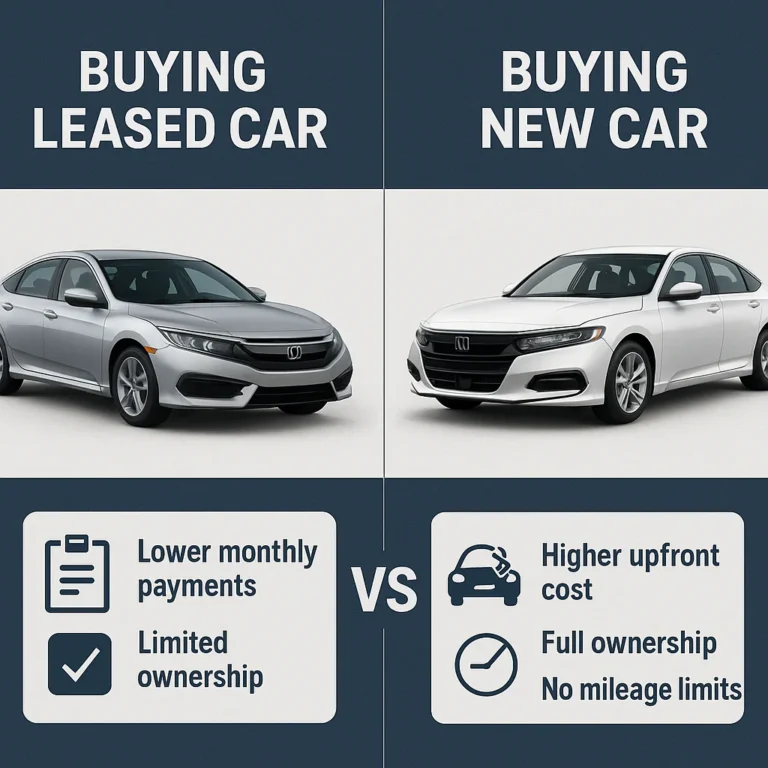
Yes, you can often buy your leased car after the lease is over—but your contract and leasing company’s rules determine whether you can and how the purchase works. Before you say goodbye to the keys or sign a buyout, compare the all-in cost with the car’s current market value and what you’d spend on your next vehicle.
That familiar car in the driveway has one advantage a replacement can’t match: you already know its history, quirks, and whether that mystery rattle is new. But familiarity isn’t a free pass; taxes, fees, financing, and repairs can turn an appealing buyout into a costly one.
The smart move is to request a current written payoff quote, check the car’s condition, and compare your options before your lease-end deadline. Here’s how to decide whether keeping your leased car is a good deal—or whether it’s time to hand over the keys.
Key Takeaways
- You can often buy your leased car at lease-end, but eligibility and procedures depend on your contract and lessor.
- Get an itemized, current buyout quote. Residual value may not include taxes, fees, or other charges.
- Compare total buyout cost with market value for a similar car in similar condition and mileage.
- Inspect the vehicle before buying. Upcoming repairs, tire replacement, or warranty status can change the math.
- Compare all three paths: buy the car, return it, or lease or buy another vehicle.
- If financing, shop loan terms and compare APR and total interest—not just the monthly payment.
Table of Contents
- ⚡ Quick Tips and Facts: Buying Your Leased Car
- 🚘 Lease Buyout Basics: What Happens When Your Lease Ends?
- 🧭 Can You Buy Your Leased Car After the Lease Is Over?
- Lease-end purchase options and your contract
- Buying before versus after the lease expiration date
- What happens if you miss the lease-end deadline?
- 🔍 How to Find Your Lease Buyout Amount
- Residual value, purchase-option fee, taxes, and other costs
- Get a payoff quote from your leasing company
- 💰 Is Buying Out Your Lease a Good Deal?
- Compare the buyout price with the car’s market value
- How mileage, condition, and vehicle history affect the decision
- When a lease buyout makes financial sense
- When returning the leased car may be smarter
- 📝 How to Buy Your Leased Car: Step-by-Step
- 1. Review your lease and purchase options
- 2. Request a current buyout quote
- 3. Arrange payment or lease buyout financing
- 4. Complete the purchase, title, and registration
- 5. Arrange insurance and keep your paperwork
- 🏦 Financing a Lease Buyout: Loans, Rates, and Credit
- Lease buyout loans versus personal loans
- How to compare lenders and loan terms
- 🧾 Taxes, Fees, and Paperwork for Buying a Leased Car
- Sales tax and state-specific rules
- Title transfer, registration, and inspection
- Manufacturer and dealer buyout requirements
- 🚗 Buyout or Return? Comparing Your Lease-End Options
- Buying your leased car
- Returning the vehicle
- Leasing or buying a different car
- 🛠️ What to Check Before You Keep Your Leased Car
- Inspection, maintenance, and repair costs
- Warranty coverage and extended protection
- Recalls, service records, and vehicle history
- ⚠️ Common Lease Buyout Mistakes to Avoid
- 💡 Expert Tips for Getting the Best Lease Buyout
- ✅ Conclusion
- 🔗 Recommended Links
- ❓ FAQ: Buying a Leased Car After the Lease Ends
- Can I buy my leased car after the lease is over?
- Can I buy my leased car if I don’t have cash?
- Can someone else buy my leased car?
- Can I negotiate my lease buyout price?
- Do I need a vehicle inspection before buying out my lease?
- What happens if my buyout amount is higher than the car’s value?
- 📚 Reference Links
⚡ Quick Tips and Facts: Buying Your Leased Car
Yes, you can usually buy your leased car when the lease ends if your contract or leasing company allows a purchase option. The better question is whether the total buyout cost makes sense for you. Start with the contract’s purchase terms, then compare the payoff with the car’s current value and the cost of keeping or replacing it.
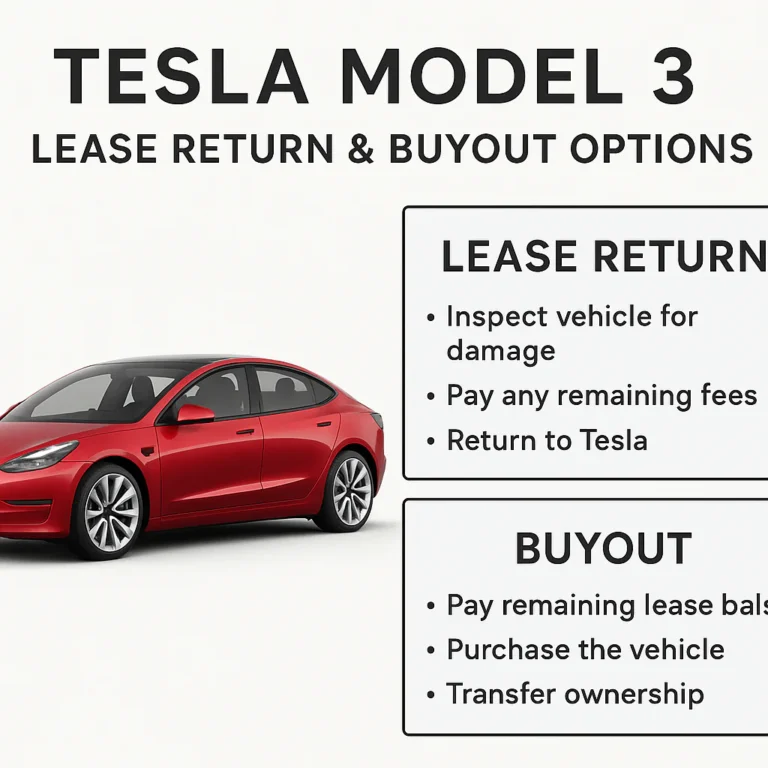
If you’re considering a Tesla, check the lessor’s current rules before counting on a buyout: why the Model 3 may not be available to buy after a lease. Lease-end purchase policies can vary by manufacturer and can change.
| Quick fact | What it means for you |
|---|---|
| The contract is your starting point | Look for the purchase option, residual value, deadline, and fees. |
| Your payoff may differ from residual value | Request a current, written buyout quote from the leasing company. |
| Market value matters | Compare the total cost to buy with comparable vehicles in similar condition and mileage. |
| Taxes and fees add to the bill | Budget for applicable sales tax, title, registration, and purchase-option fees. |
| Financing is optional | You may pay cash or apply for a lease-buyout loan through a bank, credit union, or other lender. |
| Mileage and damage are part of the math | Buying may avoid some return-related charges, but it doesn’t automatically make an overpriced buyout a good deal. |
| Policies vary | Confirm directly with your lessor; a dealer or manufacturer may have additional rules. |
Our quick recommendation: Keep the car if the buyout is competitive, it still fits your life, and an inspection doesn’t uncover expensive repairs. If the price is above market or your needs have changed, compare a return or replacement vehicle instead. For more on lease-end decisions, see our Car Lease Basics guide.
🚘 Lease Buyout Basics: What Happens When Your Lease Ends?
A lease buyout is the purchase of the vehicle you’ve been leasing. At the end of the lease, you typically return the car, buy it under the contract’s purchase option, or explore another vehicle. Your exact choices depend on the lease contract and the leasing company’s current policies.
The contract commonly sets a residual value: the estimated value of the car at the end of the lease, calculated when you signed. That figure may form the basis of the purchase option, but it is not necessarily your all-in cost. Taxes, fees, and any remaining amounts can change the final payoff.
| Term | Plain-English meaning |
|---|---|
| Residual value | The vehicle’s projected value at lease-end, stated in the contract. |
| Buyout or payoff quote | The amount the lessor currently requires to sell the vehicle, often with applicable fees and a quote expiration date. |
| Purchase-option fee | A contract or transaction fee that may apply when you buy the vehicle. |
| Disposition fee | A possible charge for processing a returned vehicle; whether it applies depends on your contract and circumstances. |
| Lease-end inspection | An assessment for condition, damage, or other return-related charges. |
| Lease-buyout loan | Financing used to purchase the vehicle from the leasing company. |
A useful perspective comes from Car and Driver: “Before you decide whether to go through with a lease buyout, run the numbers.” That advice cuts through the “I already know this car” feeling. Familiarity is valuable, but it doesn’t make repairs, taxes, or an unfavorable purchase price disappear.
You can also watch Clark Howard’s short explainer, “How Do You Decide if You Should Buy a Leased Vehicle When the Lease Ends?”, for a consumer-focused take on lease-end choices. Its point about unusual market conditions is a reminder to use current vehicle values, not assumptions from when you first leased.
🧭 Can You Buy Your Leased Car After the Lease Is Over?
Often, yes—but don’t assume every lease allows it. Check your lease agreement and contact the company that owns or services the lease. Ask whether you have a purchase option, who is eligible to exercise it, how to complete the transaction, and when the quote expires.
Some contracts permit the lesee to buy the vehicle at lease-end; others may restrict the buyer or route the purchase through a specific dealer. Brand policies can differ, so verify the rules for your specific vehicle and account rather than relying on a friend’s experience with another make.
Lease-end purchase options and your contract
Find the lease-end or purchase-option section in your agreement. Look for:
- The purchase-option price or formula used to calculate it.
- Any purchase-option, administrative, or documentation fees.
- The date by which you must notify the lessor or complete the buyout.
- Whether the lesee, a dealer, or another eligible buyer may purchase the vehicle.
- Instructions for taxes, title transfer, payment, and vehicle return.
- Any requirements for an inspection or payoff quote.
If the contract language is unclear, ask the lessor to explain it in writing. Keep the name of the representative, date, and confirmation number with your paperwork. That small bit of recordkeeping can save a surprisingly large amount of phone-tag later.
Buying before versus after the lease expiration date
An end-of-lease buyout uses the lease-end purchase terms. An early buyout happens before the lease expires and may be calculated differently. You may owe a payoff that includes remaining lease obligations, not just the residual value, so don’t assume that buying early means skipping future payments.
An early purchase could be worth exploring if you’re approaching a mileage limit or expect return-condition charges. But compare the lessor’s early payoff with the cost of waiting. Ask for a dated quote and check what it includes.
| Timing | Potential benefit | Watch out for |
|---|---|---|
| At lease-end | Often follows the purchase terms listed in the contract | Quote deadlines, taxes, fees, and return timing still matter |
| Before lease-end | May help if mileage or damage penalties are a concern | Payoff calculation may include remaining obligations and other charges |
| After the lease expires | May be possible if the lessor permits an extension or delayed purchase | The lease may have ended; get permission and exact terms before keeping or driving the car |
What happens if you miss the lease-end deadline?
Contact your leasing company immediately. Ask whether you can complete the purchase, request a short extension, or arrange the return. Don’t assume that continuing to drive the vehicle automatically extends your purchase option. The lessor may have rules about payments, insurance, late returns, and additional use.
If you need more time, get the extension terms in writing, including any added payment or return requirements. The Consumer Financial Protection Bureau explains that auto leases and their obligations are governed by contract terms; its consumer guidance on auto loans and leases is a useful starting point for understanding your paperwork.
🔍 How to Find Your Lease Buyout Amount
Start with the leasing company—not a salesperson’s rough estimate. Request a current, itemized buyout quote and confirm the date it expires. Ask whether the amount is for a direct purchase by you, a dealer transaction, or financing through a lender; the process may differ.
A quote should make it easier to identify the purchase amount, applicable fees, taxes, and any outstanding lease balance. If any line is unclear, ask for an explanation before paying.
Residual value, purchase-option fee, taxes, and other costs
Your total cost may include more than the residual value. Depending on your contract and jurisdiction, possible items include:
- The contract purchase amount or current payoff.
- A purchase-option or administrative fee.
- Sales or use tax.
- Title and registration charges.
- Lender fees if you finance.
- Any unpaid lease amount or other account balance.
Do not add the same fee twice. For example, a quote may already include a purchase-option fee. Ask the lessor whether each item is included, then confirm tax and title charges with the appropriate state agency or transaction provider.
Get a payoff quote from your leasing company
When you call or use the online account portal, ask:
- What is the payoff amount for a lease-end purchase today?
- When does this quote expire?
- Does it include the purchase-option fee, taxes, and other charges?
- Who is permitted to buy the vehicle under my contract?
- Can my chosen lender pay you directly?
- What paperwork and title process should I expect?
- If I return the car instead, which return charges may apply?
If you’re financing, ask the lender to confirm that it can work with the lessor’s title and payoff process. You can learn more about comparing loan options in our Auto Financing Options section.
💰 Is Buying Out Your Lease a Good Deal?
The decision comes down to more than “Do I like this car?” Compare the all-in buyout cost with the car’s realistic market value, your likely repair and ownership costs, and what it would cost to switch vehicles.
Car and Driver offers examples that illustrate the basic comparison: buying for more than the vehicle is worth is usually unatractive, while a buyout below market value may be appealing. But the estimate is only a starting point. Condition, fees, taxes, loan costs, and your actual alternatives all matter.
Compare the buyout price with the car’s market value
Use several estimates and compare vehicles with similar year, trim, mileage, condition, and options. Resources such as Kelley Blue Book, Edmunds, and NADA/J.D. Power can help you estimate value. Online estimates are not guaranteed offers, so treat them as reference points—not a promise of what you’ll receive.
| Compare | Include |
|---|---|
| Buyout cost | Payoff quote, purchase fee, taxes, title, registration, and financing costs |
| Vehicle value | Local comparable listings, mileage, trim, options, accident history, and condition |
| Keep-it costs | Maintenance, tires, insurance, repairs, and any loan interest |
| Return-or-replace costs | Possible return charges and the cost of your next vehicle |
A buyout that looks favorable before fees can become less attractive once you add taxes and repairs. Conversely, a car worth more than its buyout may offer flexibility: you could purchase it and keep it, or investigate whether the lessor permits a later sale. Confirm the rules before relying on that plan.
How mileage, condition, and vehicle history affect the decision
Low mileage and good condition can make your car more desirable than the value assumed when the lease was written. High mileage, accident damage, worn tires, or deferred maintenance can tilt the comparison the other way.
If you expect excess-mileage or wear charges for returning the vehicle, compare those charges with the cost and value of buying it. A buyout may avoid certain return-related charges, but you’re then taking responsibility for the car and its condition. Don’t buy a vehicle with major problems just to dodge a fee without pricing the repair.
Check the vehicle’s history and open recalls using the National Highway Traffic Safety Administration VIN lookup. If the car has an accident history or a repair you’re unsure about, consider an independent inspection before making a final decision.
When a lease buyout makes financial sense
Buying may be a strong option when:
- The total buyout cost is competitive with comparable vehicles.
- You know the car’s maintenance and driving history.
- It still suits your household, commute, and cargo needs.
- You have lower mileage than the contract allowance or expect return penalties.
- The car is in good condition and an inspection finds no costly surprises.
- You can pay cash or secure financing with a payment and term that fit your budget.
For EV drivers, battery condition and warranty coverage deserve extra attention. Our Electric Vehicle Leases section can help you think through EV-specific lease questions, but check the manufacturer’s warranty and your vehicle’s current battery information before buying.
When returning the leased car may be smarter
Returning can make more sense when:
- The buyout is materially above the car’s market value.
- Your needs have changed or you no longer want this vehicle.
- The car needs expensive repairs or has a questionable history.
- You prefer a new warranty, newer safety features, or a different vehicle type.
- The buyout loan would stretch your budget or come with unfavorable terms.
A lease return isn’t automatically the cheapest choice either. Ask for an estimate of return charges, review the inspection results, and compare them with the cost of buying and repairing the vehicle. The winner is the option with the better total cost and fit, not the most familiar badge.
📝 How to Buy Your Leased Car: Step-by-Step
Treat the buyout like a regular used-car purchase—with one advantage: you already know a lot about the vehicle. Here’s how to turn that familiarity into a careful decision rather than a rushed signature.
1. Review your lease and purchase options
Read the purchase-option terms, lease-end date, mileage allowance, return obligations, and fees. Contact the lessor to confirm eligibility and the exact process. If a dealer handles the transaction, ask whether its paperwork or fees differ from buying directly.
2. Request a current buyout quote
Request a written, itemized quote and note the expiration date. Confirm which taxes and charges are included and whether you must complete the purchase through a specific channel. A quote that expires before your financing is ready can complicate the transaction, so coordinate timing with the lender.
3. Arrange payment or lease buyout financing
If paying cash, verify the accepted payment methods and get written confirmation of the payoff process. If financing, compare offers from banks, credit unions, and lenders that provide lease-buyout loans. Review the annual percentage rate, term, total interest, fees, and any prepayment terms—not just the monthly payment.
Check your credit report before applying through AnnualCreditReport.com, the federally authorized source for free credit reports. Our Credit Score and Car Leasing articles explain how credit can affect vehicle financing.
4. Complete the purchase, title, and registration
Follow the lessor’s instructions for payment, bill of sale, odometer disclosure, and title transfer. The title may first be sent to the lender if you finance. Requirements vary by state, so verify tax, title, registration, and inspection steps with your state motor-vehicle agency.
5. Arrange insurance and keep your paperwork
Confirm insurance coverage before the ownership or registration change takes effect. Keep the final purchase documents, payoff confirmation, title or lien information, registration, and any warranty details. Once the lease is closed and the purchase is complete, review your billing account to ensure recurring lease payments have stopped.
🏦 Financing a Lease Buyout: Loans, Rates, and Credit
You don’t need to pay cash to buy the car. A lease-buyout loan can finance the purchase, subject to lender approval and the leasing company’s process. Compare the complete borrowing cost with the cost of replacing the vehicle; a payment that looks manageable can still cost more over a longer term.
Lease buyout loans versus personal loans
A lease-buyout loan is designed for purchasing a vehicle you currently lease. A personal loan is typically unsecured and may have different rates, terms, and eligibility requirements. Ask lenders whether they finance lease buyouts and how they handle payment and title transfer.
| Financing route | Potential advantage | Questions to ask |
|---|---|---|
| Bank or credit union auto loan | Familiar vehicle-financing structure; may offer competitive terms | Does the institution handle lease buyouts and your lessor’s paperwork? |
| Captive or affiliated lender | May understand the brand’s lease process | Is financing available for this specific lease and vehicle? |
| Personal loan | May provide flexible funds without an auto lien | What are the rate, fees, term, and total repayment cost? |
| Cash | No loan interest or lender approval | Will paying cash leave enough emergency savings? |
How to compare lenders and loan terms
Get written offers from more than one lender, ideally within a short shopping period, and compare the APR, loan term, total interest, fees, and required down payment. The CFPB’s auto-loan shopping guidance explains key financing concepts and questions to ask.
Avoid choosing solely by monthly payment. A longer term can lower the payment while increasing total interest and keeping you in debt longer. If you’re weighing a buyout against a new lease, compare the full terms side by side; our Best Lease Terms resources can help you assess the alternative.
🧾 Taxes, Fees, and Paperwork for Buying a Leased Car
The purchase may involve taxes and administrative charges that aren’t obvious from the residual value. The details depend on the contract, lender, transaction route, and state or local rules. Ask for an itemized breakdown, then verify state requirements with the relevant motor-vehicle and tax agencies.
Sales tax and state-specific rules
Sales or use tax may apply to a lease buyout, but timing and calculation vary by jurisdiction. Don’t assume that the sales tax you paid during lease payments covers tax due on the purchase. Ask the lessor or dealer for a written explanation and check with your state revenue department.
Title transfer, registration, and inspection
You may need a title transfer, new or updated registration, an odometer statement, and—in some states—an emissions or safety inspection. If you finance, the lender may be listed as a lienholder. Check the requirements and deadlines on your state’s official DMV or transportation website.
Manufacturer and dealer buyout requirements
A manufacturer’s finance arm may set rules about who can purchase the car and where the transaction must take place. For example, a Toyota Financial Services account and a Ford Credit account may have different instructions; use the company that appears on your lease paperwork and verify your specific contract.
Some brands change buyout policies over time. For that reason, your written contract and a current confirmation from the lessor outrank outdated online advice.
🚗 Buyout or Return? Comparing Your Lease-End Options
You generally have three practical paths: buy the current vehicle, return it, or move to another vehicle. The right choice depends on your lease terms, the car’s condition, your budget, and what you need next.
| Option | Best fit when… | Main drawback |
|---|---|---|
| Buy the leased car | The price is competitive and you want to keep it | You take on ownership costs and repair risk |
| Return the car | The buyout is unatractive or you want a change | Return charges may apply under your contract |
| Get another vehicle | Your needs changed or a different car fits better | A new lease or loan has its own costs and terms |
Buying your leased car
Buying preserves a vehicle you know, including its service history and how it behaves in your daily routine. It can also avoid some return-related charges if you’d otherwise face them. On the flip side, you become responsible for future repairs and may need a loan.
Returning the vehicle
Returning is straightforward when the car is in acceptable condition and the buyout doesn’t compare favorably with market value. Ask what inspection, mileage, wear, and disposition charges may apply. Review your contract and get return instructions before dropping off the keys.
Leasing or buying a different car
A different vehicle may be the right call if your needs have changed—for example, a growing family, a longer commute, or a switch to an EV. Compare the replacement vehicle’s full lease or loan terms with the cost of keeping your current car. See our Electric Vehicle Leases guide if you’re considering an EV.
🛠️ What to Check Before You Keep Your Leased Car
Knowing the car is helpful, but it doesn’t replace an inspection. We’ve seen drivers focus on the buyout number and overlook tires, brakes, upcoming service, or a warning light that turns into a repair bill. Check the vehicle’s condition before you commit.
Inspection, maintenance, and repair costs
Ask a trusted independent mechanic to inspect the vehicle, especially if you have noticed new noises, warning lights, uneven tire wear, or fluid leaks. Review maintenance records and check the manufacturer’s recommended service schedule. Include likely near-term work in your cost comparison.
Warranty coverage and extended protection
Confirm whether the factory warranty remains active and what it covers. A lease buyout doesn’t automatically give you a new-vehicle warranty. If you’re offered an extended service plan, read its exclusions, deductible, repair network, and cancellation terms before deciding; don’t buy one simply because the paperwork is on the desk.
Recalls, service records, and vehicle history
Check open recalls through the official NHTSA recall lookup. Review service records and any accident or repair documentation you have. If the vehicle was involved in a crash, consider having the repair quality assessed, even if the car currently drives normally.
⚠️ Common Lease Buyout Mistakes to Avoid
Avoid these common pitfalls:
- Treating residual value as the final price. Get an itemized payoff quote and confirm taxes and fees.
- Skipping the market-value comparison. Use comparable vehicles, not just a national average.
- Ignoring financing cost. Compare APR and total repayment, not monthly payment alone.
- Assuming you can buy from anyone. Confirm buyer eligibility and the lessor’s required process.
- Rushing past the deadline. Ask how long the quote is valid and whether an extension is available.
- Buying to avoid fees without checking the car. A return penalty may be less costly than major repairs or an inflated buyout.
- Assuming early buyout equals lease-end buyout. Early payoff calculations may include additional obligations.
- Relying on old policy information. Manufacturer and lessor rules can change; request current written confirmation.
💡 Expert Tips for Getting the Best Lease Buyout

- Start early. Begin reviewing your contract and exploring values well before the return deadline.
- Ask for the numbers in writing. Get a dated payoff quote and a breakdown of charges.
- Compare several value sources. Check local listings and valuation tools such as Kelley Blue Book and Edmunds.
- Get an inspection. A pre-purchase inspection can surface maintenance needs before they become your problem.
- 👉 Shop financing. Ask your bank, credit union, and eligible manufacturer-affiliated lender about buyout loans.
- Verify mileage and wear charges. Compare return costs with the full buyout cost—not the residual alone.
- Confirm the transaction route. Ask whether you can buy directly or must work through a dealer.
- Don’t let a deadline make the decision for you. Ask about a permitted extension, but get its terms in writing.
- Keep your records. Save quotes, payoff confirmations, inspection results, and proof of title and registration.
Car and Driver’s lease-buyout guidance emphasizes comparing costs and checking the contract; its two perspectives are compatible, not contradictory. One focuses on how a buyout works, while the other emphasizes when keeping the car makes sense. In both cases, the reliable method is the same: confirm eligibility, compare the all-in cost with realistic alternatives, and decide based on your car and your budget.