Support our educational content for free when you purchase through links on our site. Learn more
🚗 What is a Good Credit Score to Finance a Car? (2026 Guide)


The magic number for the best auto loan rates is a FICO® score of 781 or higher, but you can still drive away with a score as low as 501 if you’re willing to pay a premium. If you are wondering what is a good credit score to finance a car, the answer isn’t a single digit; it’s a sliding scale where every 20-point jump can save you thousands interest over the life of your loan.
We once met a guy named Dave who thought his 620 score was “bad enough” to get stuck with a 19% rate on a used Ford F-150. Turns out, he just needed to pay down one credit card balance to jump into the “Prime” tier, instantly dropping his rate to 7.5% and saving him nearly $8,0.
According to the latest data from Experian, the gap between the highest and lowest credit tiers results in an average interest rate difference of over 1 percentage points. That means a borrower with a “Super Prime” score pays less than half the interest of someone in the “Deep Subprime” category for the exact same vehicle.
Don’t let a number on a screen dictate your entire financial future without understanding the tiers. Whether you are eyeing a brand-new Tesla or a reliable Honda Civic, knowing where you stand is the first step to securing a deal that actually makes sense.
Key Takeaways
- Super Prime (781+) gets the lowest interest rates and best lease terms, often qualifying for 0% APR promotions.
- Prime (61–780) is the sweet spot for most buyers, offering competitive rates and strong negotiation power.
- Subprime (501–60) borrowers can still get approved, but expect significantly higher interest rates that increase the total cost of the vehicle.
- Shopping within a 45-day window ensures multiple loan applications count as a single hard inquiry, protecting your score.
- A larger down payment can offset a lower credit score, lowering monthly payments and potentially improving your interest rate.
Table of Contents
- ⚡️ Quick Tips and Facts
- 📜 The Evolution of Auto Lending: From Horse-Drawn Cariages to FICO® Scores
- 🎯 The Magic Number: What is a Good Credit Score to Finance a Car?
- 1. Super Prime: The VIP Lounge of Auto Loans (781–850)
- 2. Prime: The Sweet Spot for Most Buyers (61–780)
- 3. Near Prime: Walking the Tightrope of Interest Rates (601–60)
- 4. Subprime: High Risk, High Cost, But Still Possible (501–60)
- 5. Deep Subprime: The Last Resort Territory (30–50)
- 📊 Average Car Loan Interest Rates by Credit Tier: The Real Cost of Your Score
- 🚗 Can I Buy a Car With No Credit? The “Blank Slate” Strategy
- 📉 How Does Buying a Car Affect Your Credit Score? The Good, The Bad, and The Ugly
- 🛠️ How to Build Credit Before Buying a Car: A Step-by-Step Roadmap
- 1. Become an Authorized User on a Trusted Card
- 2. Secure a Credit Builder Loan
- 3. Pay Down Revolving Balances to Under 30%
- 4. Dispute Errors on Your Credit Report
- 🚨 How to Get a Car Loan With Bad Credit: Surviving the Subprime Jungle
- 📝 How to Apply for an Auto Loan: The Preapproval Power Play
- 💰 What Makes a Good FICO® Score for Auto Lending? The 5 Pillars
- 🏦 Research Lenders: Banks, Credit Unions, and Captive Finance Companies
- 💵 Have a Good Down Payment or Trade-In: The Equity Boost
- 🔍 Compare Rates on a New Auto Loan: Don’t Setle for the Dealer’s First Offer
- ❓ Frequently Asked Questions
- 🚀 Conclusion
- 🔗 Recommended Links
- 📚 Reference Links
⚡️ Quick Tips and Facts
Before we dive into the nitty-gritty of credit scores and interest rates, let’s hit the brakes and grab a few essential nugets of wisdom. At Car Leases™, we’ve seen it all, from the guy who got a Ferrari with a 580 score (long story, involves a very generous uncle) to the lady who walked away from a deal because she thought her 720 score was “bad” (it’s actually fantastic!).
Here is the TL;DR for your journey to car ownership:
- ✅ There is no single “magic number.” While 670 is often cited as the threshold for “good” credit, lenders have their own internal algorithms. You can get approved with a 50, but you’ll pay a premium.
- ✅ The “Super Prime” club (781+) gets the lowest rates, often beating credit card APRs.
- ✅ Leasing vs. Buying: If you are looking to lease, the bar is often higher. For a deeper dive, check out our guide on What credit score is needed to lease a car?.
- ✅ Hard Inquiries Hurt (Temporarily): Applying for a loan drops your score by 5–15 points, but multiple applications within a 30-to-45-day window usually count as just one inquiry.
- ✅ The Down Payment is King: A larger down payment can sometimes offset a lower credit score, lowering your monthly payment and interest rate.
- ❌ Don’t trust “Buy Here, Pay Here” blindly: These dealerships often charge astronomical interest rates that can trap you in debt for years.
📜 The Evolution of Auto Lending: From Horse-Drawn Cariages to FICO® Scores
You might think credit scores are a modern invention, but the concept of judging a borrower’s reliability is as old as commerce itself. In the days of horse-drawn cariages, a merchant would simply ask, “Do you look trustworthy? Do you have a stable job?” If the answer was yes, you got the carriage.
Fast forward to the 1950s, and the automotive boom exploded. Suddenly, banks needed a faster way to assess risk than asking neighbors about your character. Enter the FICO® Score, developed by Fair Isaac Corporation in 1989. Before this, lenders used their own subjective “credit scoring” methods, which were often inconsistent and prone to bias.
The FICO® Score changed the game by standardizing risk assessment across the board. It looked at your payment history, amounts owed, length of credit history, new credit, and credit mix. Today, we have specialized versions like the FICO® Auto Score 9, which weighs your auto loan history more heavily than your credit card history.
Fun Fact: Did you know that in the early 20s, some lenders would approve loans based on a “credit score” that was actually just a guess? The standardization of FICO® scores brought transparency (mostly) to the industry.
However, the landscape is shifting again. With the rise of VantageScore® and alternative data (like utility payments), the definition of “creditworthy” is expanding. But for now, if you want to finance a Toyota RAV4 or a Ford F-150, the FICO® score remains the gold standard.
🎯 The Magic Number: What is a Good Credit Score to Finance a Car?
So, you’re staring at that dashboard, wondering: “What is a good credit score to finance a car?”
The short answer? It depends on what you want to pay.
The long answer? It depends on which tier you fall into. Lenders categorize borrowers into five distinct tiers. Each tier dictates your interest rate, your approval odds, and whether you’ll be driving a brand-new Honda Civic or a 10-year-old sedan with 150,0 miles.
Let’s break down the tiers. Remember, these ranges are based on VantageScore® 4.0 and FICO® Score 8 models, which are the most commonly used by auto lenders.
1. Super Prime: The VIP Lounge of Auto Loans (781–850)
If you are in this club, you are the golden child of the lending world. You get the lowest interest rates available, often close to 0% APR promotions from manufacturers.
- ✅ Approval Odds: Near 10%.
- ✅ Interest Rates: Typically under 5% for new cars.
- ✅ Leasing: You’ll qualify for the most attractive lease deals with low money factors.
- The Catch: You likely have a long history of perfect payments and low credit utilization.
2. Prime: The Sweet Spot for Most Buyers (61–780)
This is where the majority of “responsible” borrowers live. You aren’t getting the absolute rock-bottom rates, but you aren’t getting ripped off either.
- ✅ Approval Odds: Very High.
- ✅ Interest Rates: Competitive, usually between 5% and 8%.
- ✅ Negotiation Power: Dealers know you can get financing elsewhere, so they are more likely to negotiate the price of the car.
3. Near Prime: Walking the Tightrope of Interest Rates (601–60)
Here, things get a bit tricky. You are approved, but the interest rates start to climb. You might find yourself paying 1% to 3% more than a Prime borrower.
- ⚠️ Approval Odds: Moderate to High.
- ⚠️ Interest Rates: Can range from 8% to 12%.
- ⚠️ Strategy: A larger down payment is crucial here to lower the monthly payment.
4. Subprime: High Risk, High Cost, But Still Possible (501–60)
Welcome to the “survival” zone. You can still get a car, but the cost of borrowing is steep. Lenders view you as a higher risk, so they charge more to offset that risk.
- ❌ Approval Odds: Variable (depends heavily on income and down payment).
- ❌ Interest Rates: Often 12% to 18% or higher.
- ❌ Loan Terms: You might be forced into longer loan terms (72 or 84 months) to keep the monthly payment “affordable,” which leads to being “upside down” on your loan.
5. Deep Subprime: The Last Resort Territory (30–50)
This is the danger zone. Getting approved is difficult, and the rates are predatory.
- ❌ Approval Odds: Low without a cosigner or massive down payment.
- ❌ Interest Rates: Can exceed 20%.
- ❌ The Trap: Many borrowers in this tier end up at “Buy Here, Pay Here” lots, where the car is often overpriced and the interest is crushing.
Wait, is there a minimum?
According to Experian, there is no absolute minimum credit score required to get an auto loan. However, a score of 61 or above (VantageScore) is generally considered the baseline for “Prime” status. But practically speaking, most mainstream lenders won’t touch a score below 50.
📊 Average Car Loan Interest Rates by Credit Tier: The Real Cost of Your Score
Numbers don’t lie, but they can be boring. Let’s make them hurt a little so you understand why that credit score matters. We’re looking at Q4 2024 data from Experian’s State of the Automotive Finance Market.
Notice the massive gap between a Super Prime borrower and a Subprime borrower. That difference isn’t just a few dollars; it’s thousands of dollars over the life of the loan.
| Credit Tier | Score Range (VantageScore) | Avg. New Car Loan APR | Avg. Used Car Loan APR | Population % |
|---|---|---|---|---|
| Super Prime | 781 – 850 | 4.70% | 7.67% | 31% |
| Prime | 61 – 780 | 6.40% | 9.95% | 3% |
| Near Prime | 601 – 60 | 9.59% | 14.46% | 17% |
| Subprime | 501 – 60 | 13.08% | 19.38% | 18% |
| Deep Subprime | 30 – 50 | 15.75% | 21.81% | 1% |
Source: Experian State of the Automotive Finance Market
The Math of Misery:
Imagine you are buying a $30,0 used car for 60 months.
- Super Prime (7.67%): Your monthly payment is roughly $603. Total interest paid: $6,180.
- Subprime (19.38%): Your monthly payment jumps to roughly $780. Total interest paid: $16,80.
That is a $10,620 difference just because of your credit score! That’s the price of a new set of tires, a full tank of gas for a year, or a nice vacation.
🚗 Can I Buy a Car With No Credit? The “Blank Slate” Strategy
“No credit” sounds like a blank canvas, but to a lender, it looks like a mystery. You haven’t proven you can pay back money, so you are a risk. But guess what? You can still buy a car.
We’ve helped clients with zero credit history get behind the wheel of a Chevrolet Malibu and a Nissan Altima. How? By proving reliability in other ways.
Strategies for the “Blank Slate”
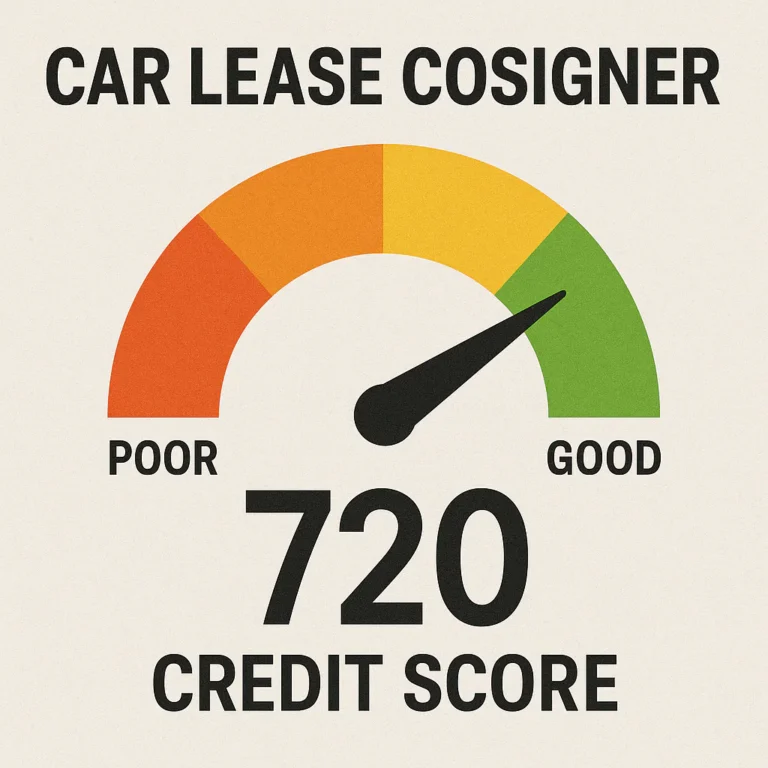
- The Cosigner: This is the golden ticket. If you have a parent, spouse, or friend with good credit willing to cosign, their credit history is added to your application. They become legally liable if you don’t pay.
- The Big Down Payment: If you can put down 20% or more, you lower the lender’s risk. You’re essentially saying, “I have skin in the game.”
- Proof of Income: Show steady employment history (2+ years) and bank statements. Some lenders, like Navy Federal Credit Union, look at the whole picture, not just the score.
- Start Small: Consider a secured credit card or a credit-builder loan to establish a history before applying for a car loan.
Pro Tip: Avoid “Buy Here, Pay Here” dealerships if possible. They often charge interest rates over 20% and don’t always report your payments to the credit bureaus, meaning you aren’t building credit while you pay.
📉 How Does Buying a Car Affect Your Credit Score? The Good, The Bad, and The Ugly
You might be wondering, “If I get a car loan, will my score tank?”
The answer is: It depends on how you handle it.
The Immediate Impact (The Bad)
When you apply for a loan, the lender performs a hard inquiry. This typically drops your score by 5 to 15 points.
- The Silver Lining: If you shop around, multiple inquiries for the same type of loan (auto) within a 30-to-45-day window are usually treated as a single inquiry by scoring models. So, take your time comparing rates!
The Long-Term Impact (The Good)
Once the loan is active, two things happen:
- Credit Mix: If you only have credit cards, adding an installment loan (like a car loan) diversifies your credit mix, which can boost your score.
- Payment History: This is the biggest factor (35% of your score). Making on-time payments every single month will steadily increase your score.
The Danger Zone (The Ugly)
- Missed Payments: A single 30-day late payment can drop your score by 10+ points and stay on your report for 7 years.
- High Utilization: If you max out your credit cards while paying for the car, your score will suffer.
- Early Payoff: Surprisingly, paying off a loan too early can sometimes cause a small dip in your score because it closes an active installment account, shortening your average credit age. (Though the interest savings usually outweigh this).
For a visual breakdown of this process, check out the perspective shared in our featured video analysis: Video Summary on Credit Impact.
🛠️ How to Build Credit Before Buying a Car: A Step-by-Step Roadmap
If your score isn’t where you want it yet, don’t panic. You can fix it. But you need time. Start 6 to 12 months before you plan to buy.
1. Become an Authorized User on a Trusted Card
Ask a parent or spouse with a long history of on-time payments to add you as an authorized user on their credit card. Their positive history gets “pigybacked” onto your report.
- ✅ Benefit: Instant history boost.
- ⚠️ Risk: If they miss a payment, it hurts you too.
2. Secure a Credit Builder Loan
Many credit unions (like Alliant Credit Union or Navy Federal) offer credit builder loans. You make payments into a savings account, and once the loan is paid off, you get the money.
- ✅ Benefit: Proves you can handle installment debt.
- ✅ Benefit: The payments are reported to all three bureaus.
3. Pay Down Revolving Balances to Under 30%
Credit utilization (how much of your limit you use) is the second biggest factor in your score.
- Target: Keep your balance below 30% of your limit. Ideally, below 10%.
- Example: If you have a $5,0 limit, try to keep the balance under $1,50.
4. Dispute Errors on Your Credit Report
Mistakes happen. A late payment from 3 years ago that you actually paid on time? That’s an error.
- Action: Order your free reports from AnnualCreditReport.com.
- Action: File a dispute with Equifax, Experian, or TransUnion. Removing errors can instantly boost your score.
5. Use Experian Boost®
This is a free tool from Experian that allows you to add on-time utility, phone, and streaming service payments to your credit file.
- ✅ Benefit: Can instantly add points to your VantageScore.
- ⚠️ Note: Not all lenders use VantageScore, so check if your lender accepts this data.
🚨 How to Get a Car Loan With Bad Credit: Surviving the Subprime Jungle
If you are stuck in the Subprime or Deep Subprime tier, you need a survival guide. Here is how to navigate the jungle without getting eaten by high interest rates.
1. Get Preapproved (The Power Move)
Do not walk into a dealership and let them run your credit first. Go to a Credit Union or an online lender like Capital One Auto Navigator or RoadLoans and get preapproved.
- Why? You know your rate beforehand. The dealer can’t low-ball you with a “special rate” that turns out to be 18%.
2. The Cosigner Strategy
As mentioned before, a cosigner is your best friend. Find someone with a Prime or Super Prime score.
- Warning: Make sure they understand that if you miss a payment, their credit takes the hit.
3. Increase Your Down Payment
The more cash you put down, the less the lender has to risk. Aim for at least 20% down. This can sometimes drop your interest rate by 1-2%.
4. Shorten the Loan Term
It sounds counterintuitive (higher monthly payment), but a shorter loan term (36 or 48 months) often comes with a lower interest rate than a 72-month loan. Plus, you won’t be upside down on the car as quickly.
5. Avoid “Add-Ons”
Dealers love to sell you extended warranties, gap insurance, and fabric protection. These add thousands to the loan amount.
- Tip: Buy gap insurance separately or through your own insurer; it’s often cheaper.
📝 How to Apply for an Auto Loan: The Preapproval Power Play
Ready to apply? Here is the step-by-step process to ensure you don’t get stuck with a bad deal.
Step 1: Check Your Credit Score
Know where you stand. Use free tools from Credit Karma, Discover, or your bank.
Step 2: Gather Your Documents
Lenders will ask for:
- Proof of Income (Pay stubs, tax returns).
- Proof of Residence (Utility bill, lease agreement).
- Proof of Identity (Driver’s license, Social Security card).
- Proof of Insurance (Some lenders require this before funding).
Step 3: Shop Around
Apply to at least three different types of lenders:
- Your Local Credit Union: Often offer the best rates for members.
- Online Lenders: Like LightStream or SoFi, which offer competitive rates and fast funding.
- Captive Finance Companies: The bank owned by the car manufacturer (e.g., Toyota Financial Services, Ford Credit). They often have special 0% APR deals for high-credit buyers.
Step 4: Get Preapproved
Submit your application. The lender will give you a preapproval letter with a maximum loan amount and an interest rate. This is your leverage.
Step 5: Negotiate the Car Price
Go to the dealership. Negotiate the out-the-door price of the car before mentioning financing. Once the price is set, present your preapproval letter.
- Scenario: If the dealer offers a “special rate” of 2.9%, compare it to your preapproval. If your preapproval is 3.5%, ask the dealer to match it. If they can’t, walk away with your preapproved loan.
💰 What Makes a Good FICO® Score for Auto Lending? The 5 Pillars
You might wonder, “Why is my score 680 and my friend’s is 720?” It comes down to the 5 Pillars of the FICO® Score.
- Payment History (35%): Have you paid your bills on time? One late payment can ruin years of good work.
- Amounts Owed (30%): How much debt do you have relative to your limits? High utilization kills scores.
- Length of Credit History (15%): How long have you had credit? Older accounts are better.
- Credit Mix (10%): Do you have a mix of credit cards, car loans, and mortgages? Diversity is good.
- New Credit (10%): Have you opened too many new accounts recently? Too many hard inquiries look risky.
The Auto Score Twist:
Lenders often use the FICO® Auto Score, which weighs your history with auto loans more heavily. If you have a perfect history with car loans but a messy credit card history, your Auto Score might be higher than your general FICO® Score.
🏦 Research Lenders: Banks, Credit Unions, and Captive Finance Companies
Not all lenders are created equal. Here is a breakdown of where to look.
Credit Unions
- Pros: Non-profit, often lower rates, more flexible with bad credit, focus on member relationships.
- Cons: Must be a member (often easy to join), slower processing times.
- Top Picks: Navy Federal Credit Union, Alliant Credit Union, PenFed.
Banks
- Pros: Convenient (if you already bank there), fast processing.
- Cons: Rates can be higher, stricter requirements.
- Top Picks: Chase, Bank of America, Wells Fargo.
Captive Finance Companies
- Pros: Special manufacturer incentives (0% APR, cash back), easy approval for new cars.
- Cons: Only finance that specific brand, rates can be high for used cars.
- Top Picks: Toyota Financial Services, Honda Financial Services, GM Financial.
Online Lenders
- Pros: Fast, user-friendly, competitive rates, prequalification without hard inquiry.
- Cons: No face-to-face interaction.
- Top Picks: Capital One Auto Navigator, LightStream, RoadLoans.
💵 Have a Good Down Payment or Trade-In: The Equity Boost
Your down payment is your secret weapon. It does three things:
- Lowers the Loan Amount: Less money borrowed = less interest paid.
- Lowers the Interest Rate: Some lenders offer better rates for larger down payments.
- Prevents Negative Equity: It ensures you don’t owe more than the car is worth immediately after driving off the lot.
How much is enough?
- New Car: Aim for 20%.
- Used Car: Aim for 10-15%.
Trade-Ins:
Don’t let the dealer low-ball your trade-in. Get an appraisal from Keley Blue Book (KBB) or CarMax before you go. If the dealer offers less than the market value, use that money as a cash down payment instead.
🔍 Compare Rates on a New Auto Loan: Don’t Setle for the Dealer’s First Offer
The dealer’s finance manager is a salesperson. Their goal is to sell you a loan, not save you money. They might say, “We can get you approved for 4.9%!” But if your preapproval is 3.5%, they are trying to make a profit on the “rate buy-up.”
The Strategy:
- Get preapproved from a credit union or online lender.
- Go to the dealer.
- Let them make an offer.
- Compare: If their offer is higher, tell them, “I have a preapproval for 3.5%. Can you beat that?”
- Walk Away: If they can’t, you have the power to use your preapproved loan.
Remember: The dealer makes money on the “F&I” (Finance and Insurance) products. If they can’t make money on the interest rate, they will try to sell you an expensive extended warranty. Be firm.
Conclusion

So, what is a good credit score to finance a car? The answer is a spectrum. If you have a Super Prime score (781+), you are in the driver’s seat with the best rates. If you are Prime (61-780), you are in a comfortable spot with competitive rates. If you are Subprime or lower, you can still get a car, but you must be strategic: get a cosigner, put more money down, and shop around.
The journey to car ownership isn’t just about the car; it’s about understanding your financial health. Whether you are leasing a sleek Tesla Model 3 or financing a rugged Jep Wrangler, your credit score is the key that unlocks the door.
Our Final Recommendation:
Don’t rush. Check your credit, fix any errors, and get preapproved before you fall in love with a car. The difference between a 6% loan and a 15% loan is the difference between financial freedom and a debt trap.
If you are ready to start your search, check out our latest Car Lease Deals or explore Auto Financing Options to find the perfect fit for your budget.
🔗 Recommended Links
- 👉 Shop New Cars: Search New Cars on TrueCar
- 👉 Shop Used Cars: Search Used Cars on Edmunds
- Compare Rates: Capital One Auto Navigator
- Credit Builder Loans: Navy Federal Credit Union
- Lease Deals: Latest Car Lease Deals
- Electric Vehicle Leases: Electric Vehicle Leases
❓ Frequently Asked Questions
What credit score do I need to lease a car?
Generally, leasing requires a higher credit score than buying. Most dealerships look for a score of 70 or higher for the best lease terms. However, some lenders may approve scores in the 650-690 range with a larger down payment. For a detailed breakdown, read our article on What credit score is needed to lease a car?.
Does a higher credit score lower my car lease payments?
Yes, absolutely. Lease payments are calculated using a “money factor,” which is essentially the interest rate. A higher credit score qualifies you for a lower money factor, directly reducing your monthly payment.
How can I improve my credit score before leasing a car?
Focus on the basics: pay all bills on time, lower your credit card balances to under 30% of your limit, and avoid opening new credit accounts. Dispute any errors on your credit report. If you have time, wait 6 months to see significant improvements.
What is the minimum credit score for a 0% APR car lease?
To qualify for a 0% APR promotion (which is rare for leases but common for purchases), you typically need a Super Prime score of 780 or higher. These deals are reserved for the most creditworthy borrowers.
Can I get a car loan with a 50 credit score?
Yes, it is possible, but you will likely face high interest rates (15%+) and may need a cosigner or a significant down payment. Avoid “Buy Here, Pay Here” lots if possible, as they often trap borrowers in high-cost loans.
How many hard inquiries will hurt my credit score?
Multiple inquiries for an auto loan within a 30-to-45-day window are usually counted as a single inquiry by FICO® scoring models. This allows you to shop around without tanking your score.
📚 Reference Links
- Experian: What is a Good Credit Score for an Auto Loan?
- Navy Federal Credit Union: What Credit Score Is Needed to Buy a Car?
- FICO® Score Ranges and Definitions
- VantageScore® Credit Score Ranges
- AnnualCreditReport.com: Free Credit Reports
- Toyota Financial Services
- Ford Credit
- Capital One Auto Navigator