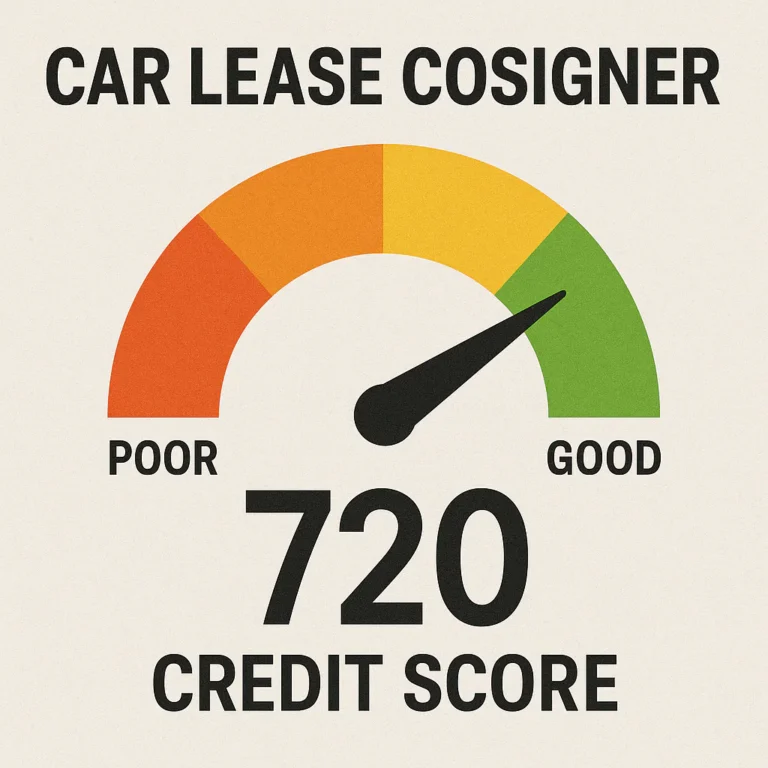
Support our educational content for free when you purchase through links on our site. Learn more
🚗 What Credit Score is Needed for a Toyota Lease? (2026 Guide)

We’ve all been there: you walk into the dealership with your heart set on a sleek new Toyota RAV4 or a rugged Tacoma, only to be told your credit score isn’t “quite there.” It’s a frustrating moment that leaves many wondering if leasing is a dream reserved solely for those with 80+ scores. The truth? The barrier to entry is lower than you think, but the path to the best deal requires a little insider knowledge.
At Car Leases™, we’ve seen everything from “Super Prime” applicants walk away with rock-bottom payments to “Near Prime” drivers secure fantastic deals by simply knowing the right questions to ask. Did you know that a difference of just 50 points on your FICO score can cost you hundreds of dollars over a 36-month lease? Or that Toyota has a specific program designed just for folks with no credit history? In this guide, we’re pulling back the curtain on the exact numbers you need, the hidden fees that trap the unprepared, and the step-by-step strategy to get approved even if your score is less than perfect.
Key Takeaways
- The Sweet Spot: A credit score of 670 or higher is generally required to secure the lowest lease rates and best terms, though approvals are possible with scores as low as 620.
- Beyond the Number: Lenders look at your Debt-to-Income (DTI) ratio and income stability just as closely as your FICO score; a lower score can be offset with a larger down payment or a co-signer.
- Special Programs: If you have no credit or limited history, the Toyota iFi (First Time Buyer) program evaluates your banking and rent history instead of just your credit score.
- Money Factor Matters: Your credit tier directly dictates your Money Factor (interest rate); improving your score by 50 points can save you significantly on monthly payments.
- Preparation is Key: Always check your credit reports for errors and gather proof of income and residence before applying to speed up approval and avoid surprises.
Table of Contents
- ⚡️ Quick Tips and Facts
- 📜 The History of Toyota Leasing: From “Good Credit” to “Good Deal”
- 🎯 The Magic Number: What Credit Score is Needed for a Toyota Lease?
- 📊 Credit Score Tiers and Toyota Lease Rates Explained
- 🚗 How to Qualify for a Toyota Lease with Bad or No Credit
- 💰 Understanding Toyota Lease Terms: Money Factor, Residual Value, and Mileage Caps
- 🆚 Should I Lease or Buy a Toyota? A Real-World Breakdown
- 🏢 Toyota Direct vs. Dealership Negotiations: Where to Find the Best Rates
- 🤝 The Toyota First Time Buyer Program: Financing for Limited Credit (iFi)
- 🛠️ 7 Steps to Boost Your Credit Score Before Signing a Toyota Lease
- ❓ Common Myths About Toyota Lease Credit Requirements Debunked
- 📝 The Ultimate Checklist: Documents You Need for a Toyota Lease Application
- 🚫 What Happens If Your Credit Application Gets Denied?
- 🔍 How to Check Your Credit Report for Errors Before Leasing
- 🏁 Conclusion
- 🔗 Recommended Links
- ❓ FAQ
- 📚 Reference Links
⚡️ Quick Tips and Facts
Before we dive into the nitty-gritty of credit scores and lease contracts, let’s hit the high notes so you can walk into the dealership with your head held high. We’ve seen too many folks get blindsided by “surprise” fees or denied applications because they didn’t do their homework.
Here is the TL;DR from the Car Leases™ team:
- The Magic Number: While there is no single “Toyota” number, a score of 670 or higher is generally the sweet spot for the best lease rates. However, you can often get approved with scores as low as 620, provided you have a solid income and low debt.
- It’s Not Just the Score: Lenders look at your Debt-to-Income (DTI) ratio just as closely as your FICO score. If you’re drowning in student loans, a 750 score might not save you.
- The “Super Prime” Advantage: Scores above 780 unlock the lowest Money Factors (the lease equivalent of interest rates), potentially saving you hundreds over the term.
- 👉 Shop Around: Different dealerships have different “buy boxes.” One might reject a 640, while another might approve it with a slightly higher down payment.
- Check Your Reports: Errors happen! A single incorrect late payment can tank your score. Always check your reports from Equifax, Experian, and TransUnion before applying.
If you’re looking for the absolute best deals right now, check out our latest Toyota lease deals to see what’s currently available in the market.
📜 The History of Toyota Leasing: From “Good Credit” to “Good Deal”

Leasing wasn’t always the mainstream option it is today. Back in the day, if you wanted a new car, you bought it, drove it into the ground, and prayed it didn’t break down. The concept of “leasing” was reserved for corporate fleets or the ultra-wealthy.
Toyota, known for its reliability and “just-in-time” manufacturing, was initially slow to embrace consumer leasing. However, as the market shifted in the 190s and 20s, Toyota Financial Services (TFS) realized that offering flexible terms could capture a younger demographic who wanted new tech every few years without the long-term commitment.
The Evolution of Credit Requirements:
- The Early Days: Leases were strict. You needed prime credit (70+) and a massive down payment. It was an exclusive club.
- The Expansion Era: As competition from Honda and Ford heated up, TFS introduced tiered pricing. Suddenly, “Prime” and “Near Prime” borrowers had options.
- The Modern Era: Today, with programs like the iFi (First Time Buyer) initiative, Toyota is actively trying to help those with limited or no credit history get behind the wheel. The focus has shifted from “Can we trust you?” to “How can we structure a deal that works for you?”
This shift means that while the ideal score remains high, the minimum threshold has become more flexible, provided you have the cash flow to support the monthly payments.
🎯 The Magic Number: What Credit Score is Needed for a Toyota Lease?
So, you’re asking the million-dollar question: “What credit score is needed for a Toyota lease?”
Here is the honest truth from our team: There is no single number. It’s a range, a spectrum, and a negotiation. However, based on thousands of deals we’ve analyzed, we can break it down into tiers that will help you gauge your chances.
The Credit Score Tiers for Toyota Leasing
| Credit Tier | FICO Score Range | Likelihood of Approval | Expected Money Factor (Interest) | Down Payment Expectation |
|---|---|---|---|---|
| Super Prime | 780 – 850 | ✅ Very High | Lowest (Best Rates) | Minimal or $0 |
| Prime | 670 – 79 | ✅ High | Low to Moderate | Standard |
| Near Prime | 620 – 69 | ⚠️ Possible | Moderate to High | Higher (Cap Reduction) |
| Sub-Prime | 580 – 619 | ❌ Difficult | Very High | Significant (Often Denied) |
| Deep Sub-Prime | < 580 | ❌ Rarely Approved | N/A | N/A |
Note: Money Factors are dynamic and change with market conditions. The ranges above are estimates based on current market trends.
Why the Confusion?
You might read one article saying “620 is the minimum” and another saying “You need 70.” Why the discrepancy?
- Dealership Discretion: Some dealers have their own “buy boxes” that are stricter than Toyota Financial Services’ official guidelines.
- Vehicle Specifics: Leasing a Toyota Camry might be easier than leasing a Toyota Tacoma or a bZ4X because the risk profile and residual values differ.
- The “Whole Picture”: A lender might approve a 630 score if your income is $10k, but deny a 720 score if you have $50k in credit card debt.
The Verdict: Aim for 670 to play it safe. If you are between 620 and 69, you can still get a lease, but you must be prepared to negotiate the Capitalized Cost (the price of the car) and potentially put more money down to offset the risk.
📊 Credit Score Tiers and Toyota Lease Rates Explained
Let’s get nerdy for a second. Understanding how your score translates to your monthly payment is the key to saving money. In the leasing world, we don’t talk about “interest rates”; we talk about the Money Factor.
What is a Money Factor?
Think of the Money Factor as the lease version of an APR. To get the actual interest rate, you multiply the Money Factor by 2,40.
- Super Prime (780+): Might get a Money Factor of 0.0125 (approx. 3% APR).
- Prime (670-79): Might get a Money Factor of 0.0250 (approx. 6% APR).
- Near Prime (620-69): Might get a Money Factor of 0.040 (approx. 9.6% APR) or higher.
The Cost of a Lower Score:
Let’s say you are leasing a Toyota RAV4 with a $30,0 capitalized cost over 36 months.
- With a Super Prime rate, your finance charge might be $150/month.
- With a Near Prime rate, that finance charge could jump to $350/month.
- That’s an extra $20 a month, or $7,20 over the life of the lease!
This is why improving your score by even 50 points before signing can be the difference between a luxury lifestyle and a financial struggle.
Pro Tip: Always ask the dealer for the Money Factor on your contract. By law, they must disclose it. If they refuse, walk away.
🚗 How to Qualify for a Toyota Lease with Bad or No Credit
Don’t let a less-than-perfect score stop you. We’ve helped plenty of folks with “bad” credit get into a new Toyota Corolla or Highlander. Here is how you do it.
1. The “Co-Signer” Strategy
This is the oldest trick in the book, and it works. If you have a parent, spouse, or friend with Super Prime credit, ask them to co-sign. Their credit history is added to yours, and the lender will often approve the lease based on their score.
- Warning: If you miss a payment, their credit takes the hit. Make sure you trust them (and they trust you).
2. The “First Time Buyer” (iFi) Program
Toyota has a specific initiative for those with limited credit history or no credit. This is often called the iFi Program.
- How it works: Instead of relying solely on a FICO score, TFS looks at your banking history, rent payments, and utility bills.
- Requirements: You usually need to be a first-time lesee, have a steady job, and provide proof of income.
- Where to find it: Not all dealers advertise this heavily. You have to ask specifically for the “First Time Buyer” or “iFi” program.
3. The “Cap Cost Reduction” (Down Payment)
If your score is low, the lender sees you as a risk. To mitigate this, they may require a larger Capitalized Cost Reduction (down payment).
- Strategy: Put down a chunk of cash (e.g., $2,0 or $3,0) to lower the monthly payment and show the lender you have “skin in the game.”
- Caution: Never put down more than $1,0 unless you are sure the car won’t be totaled in the first month. If the car is stolen or totaled, that money is gone.
4. Proof of Income and Residency
Sometimes, a lower score is forgiven if your Debt-to-Income (DTI) ratio is stellar.
- Provide 2-3 months of bank statements.
- Show proof of residence (utility bills, lease agreement).
- Show proof of employment (pay stubs).
💰 Understanding Toyota Lease Terms: Money Factor, Residual Value, and Mileage Caps
You’ve got the credit score (or a plan to fix it). Now, let’s talk about the terms of the lease. A great credit score won’t save you if you sign a bad deal.
The Three Pillars of a Lease
- Capitalized Cost (Cap Cost): This is the “price” of the car. Negotiate this! Just like buying a car, you can negotiate the selling price. A lower Cap Cost means a lower monthly payment.
- Residual Value: This is what the car is worth at the end of the lease. Toyota Financial Services sets this based on the model and mileage.
High Residual = Lower Payments.
Low Residual = Higher Payments.
Tip: Some models, like the Toyota Tacoma or 4Runner, hold their value incredibly well, leading to lower lease payments compared to sedans. - Money Factor: As discussed, this is your interest rate.
Mileage Caps: The Silent Killer
Most standard leases come with 10,0, 12,0, or 15,0 miles per year.
- The Trap: If you exceed the limit, you pay $0.15 to $0.25 per mile at the end of the lease.
- The Fix: If you know you drive 15,0 miles a year, do not sign a 10,0-mile lease. It’s cheaper to pre-pay for the extra miles upfront than to pay the penalty later.
🆚 Should I Lease or Buy a Toyota? A Real-World Breakdown
We get asked this every day. “I have good credit, should I lease or buy?” The answer depends entirely on your lifestyle.
When to LEASE 🏎️
- You love new tech: You want the latest safety features, infotainment, and fuel efficiency every 3 years.
- Low Mileage Driver: You drive less than 12,0 miles a year (commuter, stay-at-home parent).
- Warranty Peace of Mind: You never want to pay for major repairs. Leases cover the entire term under the factory warranty.
- Cash Flow: You prefer lower monthly payments over owning an asset.
When to BUY 🛠️
- High Mileage Driver: You drive 20,0+ miles a year. The excess mileage fees will eat your savings.
- Long-Term Owner: You plan to keep the car for 5-10 years.
- Customization: You want to lift your Tacoma or add a roof rack. Leases require you to return the car in stock condition.
- Equity Building: You want to own the asset and eventually have a car with no payment.
The “Hybrid” Approach:
Some people lease for 3 years, then buy the car at the end if the Residual Value is lower than the market value. This is called a “lease buyout.” It’s a great strategy if you fall in love with the car but didn’t want the commitment upfront.
🏢 Toyota Direct vs. Dealership Negotiations: Where to Find the Best Rates
You have two main paths to get a Toyota lease: Toyota Direct (online) or the traditional Dealership.
Toyota Direct
- Pros: Transparent pricing, no haggling, fixed monthly payments. Great for people who hate negotiation.
- Cons: Limited inventory. You might not get the exact color or trim you want.
- Credit Check: They run a hard credit pull, so be sure your score is ready.
The Dealership
- Pros: You can see the car, test drive it, and negotiate the Cap Cost. You can also leverage multiple dealers against each other.
- Cons: Sales tactics can be aggressive. You might get upsold on extended warranties or protection packages you don’t need.
- The “Bank” Factor: Dealers can sometimes access different “buy boxes” or special financing programs that aren’t available online.
Our Recommendation: Start with Toyota Direct to get a baseline price. Then, take that offer to a local dealer and see if they can beat it. If you have a lower credit score, the dealership might be more flexible with a co-signer or a larger down payment than the rigid online system.
🤝 The Toyota First Time Buyer Program: Financing for Limited Credit (iFi)
We mentioned this earlier, but it deserves its own spotlight. The iFi (First Time Buyer) program is a game-changer for young professionals, students, or anyone rebuilding their credit.
How the iFi Program Works:
- Eligibility: You must be a first-time lesee with no credit history or a limited credit history (usually less than 24 months of credit).
- Evaluation: Instead of just a FICO score, TFS reviews your banking history (on-time rent/utility payments), employment stability, and income.
- Terms: While the Money Factor might be slightly higher than a Super Prime borrower, it is often much better than a standard “sub-prime” loan.
- Documentation: You’ll need to provide:
- Proof of income (pay stubs).
- Bank statements (last 2-3 months).
- Proof of residence.
- Valid driver’s license.
Where to Apply:
Not all dealers know about this program. You need to find a dealer who is an iFi partner. For more details, you can check out the specific program information at Beechmont Toyota’s iFi Program page.
Note: The iFi program is not available for every model or in every state. Always ask your dealer specifically: “Do you participate in the First Time Buyer (iFi) program?”
🛠️ 7 Steps to Boost Your Credit Score Before Signing a Toyota Lease
If your score is in the “Near Prime” or “Sub-Prime” range, don’t panic. You can often boost your score by 30-50 points in just a few weeks if you act fast.
- Check Your Reports: Go to AnnualCreditReport.com and get your free reports from all three bureaus. Look for errors.
- Dispute Errors: If you see a late payment that wasn’t yours, dispute it immediately. It can be removed within 30 days.
- Pay Down Balances: The Credit Utilization Ratio (how much of your limit you use) is huge. If you have a $5,0 limit and a $4,0 balance, pay it down to $1,50 (30%) before applying.
- Become an Authorized User: Ask a family member with great credit to add you as an authorized user on their credit card. Their history gets added to your report.
- Avoid New Inquiries: Do not apply for other credit cards or loans in the 30 days before your lease application. Each inquiry dings your score.
- Pay Bills Early: Ensure all utilities, rent, and phone bills are paid on time. Some services (like Experian Boost) allow you to add these to your credit file.
- Wait for the “Score Update”: Credit scores update monthly. If you pay down a balance on the 1st, it might not show up until the 15th. Plan your application accordingly.
❓ Common Myths About Toyota Lease Credit Requirements Debunked
Let’s clear the air on some persistent myths.
Myth 1: “You need a 750+ score to lease a Toyota.”
- Fact: False. While 750 gets you the best rates, many people lease with scores in the 640-680 range. You just pay a bit more interest.
Myth 2: “Dealerships can’t see my credit score.”
- Fact: They can, and they will. They run a “hard pull” which temporarily lowers your score by a few points. This is normal.
Myth 3: “If I have a co-signer, I don’t need to check my own credit.”
- Fact: The lender will still check your credit. A co-signer helps, but if your income is too low or you have a bankruptcy, you might still be denied.
Myth 4: “Leasing is always cheaper than buying.”
- Fact: Not always. If you drive a lot of miles or keep the car for 10 years, buying is almost always cheaper. Leasing is only cheaper if you stick to the terms.
Myth 5: “Toyota Financial Services is the only lender.”
- Fact: While TFS is the primary lender, some dealers have relationships with other banks (like Chase or Wells Fargo) that might offer different terms for specific credit profiles.
📝 The Ultimate Checklist: Documents You Need for a Toyota Lease Application
Don’t show up to the dealership empty-handed. Being organized speeds up the process and makes you look like a serious buyer.
Essential Documents:
- ✅ Valid Driver’s License: Must be current and match your address.
- ✅ Proof of Income: Recent pay stubs (last 2-3 months) or tax returns if self-employed.
- ✅ Proof of Residence: Utility bill, lease agreement, or mortgage statement (must match your license address).
- ✅ Bank Statements: Last 2-3 months (to show you have funds for the down payment and security deposit).
- ✅ Social Security Number: For the credit check.
- ✅ Trade-In Documents: If you are trading in a vehicle, bring the title and registration.
Optional but Helpful:
- ✅ Co-Signer’s Documents: If applicable, bring their ID, proof of income, and bank statements.
- ✅ Proof of Insurance: Some dealers require proof of insurance before you drive off the lot.
🚫 What Happens If Your Credit Application Gets Denied?
It happens. You get the dreaded “No.” Don’t let it crush you. Here is what to do next.
- Ask for the Reason: By law, the lender must provide an Adverse Action Notice explaining why you were denied. Was it the score? The DTI? The income?
- Don’t Apply Elsewhere Immediately: Every new application hurts your score. Take a break for 30-60 days.
- Fix the Issue: If it was a high DTI, pay down debt. If it was a low score, follow the steps in the “Boost Your Score” section.
- Try a Different Lender: Some dealers have access to “sub-prime” lenders who specialize in difficult credit.
- Consider a Co-Signer: If you have a friend or family member with good credit, ask them to co-sign.
- Look at Used Leases: Sometimes, buying a “lease takeover” (assuming someone else’s lease) is easier to get approved for than a new lease. Check sites like Swapalease or LeaseTrader.
🔍 How to Check Your Credit Report for Errors Before Leasing
Errors are more common than you think. A single typo can cost you thousands.
Step-by-Step Guide:
- Go to AnnualCreditReport.com: This is the only official site for free reports from the three major bureaus.
- Download Reports from All Three: Don’t just check one. Errors can be one but not the others.
- Scan for Red Flags:
- Accounts you don’t recognize.
- Late payments you made on time.
- Incorrect addresses or names.
- Accounts that should be closed but are still open.
- File a Dispute: Most bureaus have an online dispute form. Upload proof (receipts, statements) and wait for the investigation (usually 30 days).
- Re-Check: After 30 days, check your report again to ensure the error was removed.
Pro Tip: If you find an error, do not apply for a lease until it is fixed. It’s better to wait a month than to get a high interest rate for a year.
🏁 Conclusion

So, what credit score is needed for a Toyota lease? The short answer is: It depends. While 670 is the golden ticket for the best rates, the door is open for scores as low as 620 with the right strategy. And for those with no credit, the iFi program offers a lifeline.
Leasing a Toyota is a fantastic way to enjoy the latest technology, reliability, and safety features without the long-term commitment of ownership. But it requires preparation. You can’t just walk in and hope for the best. You need to know your score, understand your Money Factor, and have your documents ready.
The Final Word:
If you have a Super Prime score, you’re in the driver’s seat. If you’re Prime, you’re still in a great position. If you’re Near Prime or Sub-Prime, don’t give up. Use a co-signer, put more money down, or explore the iFi program. The car you want is out there, and with the right approach, you can get it.
Remember, the goal isn’t just to get any lease; it’s to get a lease that fits your budget and lifestyle. Do your homework, negotiate the Cap Cost, and drive away with confidence.
🔗 Recommended Links
Ready to start your journey? Here are the best places to find deals and get financing:
-
👉 Shop Toyota Leases:
-
Credit Resources:
-
AnnualCreditReport.com (Free Credit Reports)
-
Lease Takeover Sites:
-
[LeaseTrader](https://www.lease trader.com/)
❓ FAQ

What is the minimum credit score for a Toyota lease approval?
While Toyota Financial Services doesn’t publish a hard minimum, most dealerships look for a score of 620 as the baseline for approval. Scores below 620 are considered “Sub-Prime” and are rarely approved unless you have a co-signer or a significant down payment. For the best rates, aim for 670 or higher.
Read more about “🚗 What Credit Score Do You Need to Lease a Car? (2026 Guide)”
Does Toyota Financial Services require a high credit score for leasing?
Not necessarily “high,” but they do require “good” credit. A score of 780+ (Super Prime) gets you the absolute best terms, but a score in the 670-79 range (Prime) is sufficient for standard approval. If your score is lower, they will likely require a higher down payment or a co-signer to offset the risk.
Read more about “🚗 Can You Lease a Car and Not Buy It? (2026 Guide)”
How does my credit score affect my Toyota lease monthly payment?
Your credit score directly impacts your Money Factor (interest rate). A lower score means a higher Money Factor, which increases your monthly finance charge. For example, dropping from a 780 score to a 640 score could increase your monthly payment by $50-$10 over a 36-month term, depending on the vehicle.
Can I lease a Toyota with bad credit or no credit history?
Yes, but it is more challenging.
- Bad Credit: You may need a co-signer, a large down payment, or to prove a strong income.
- No Credit: You can apply for the iFi (First Time Buyer) program, which evaluates your banking history and rent payments instead of just a FICO score.
- Strategy: If you have bad credit, consider buying a used car first to build credit, then lease a new Toyota in a year or two.
Read more about “What Credit Score Do You Need to Lease a Car with No Down Payment? 🚗 (2025)”
📚 Reference Links