Support our educational content for free when you purchase through links on our site. Learn more
Can I Buy My Leased Car After the Lease Ends? 🚗

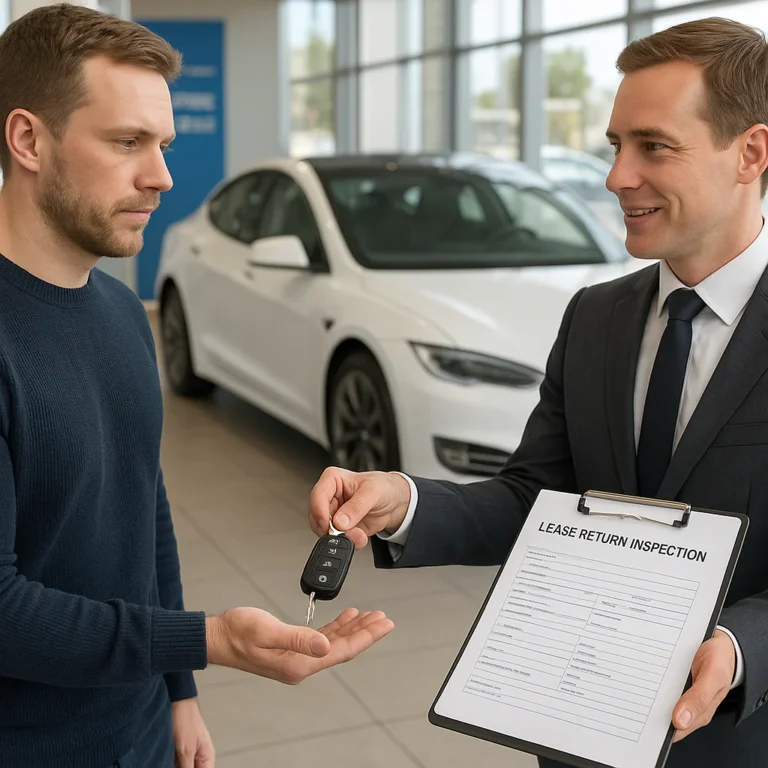
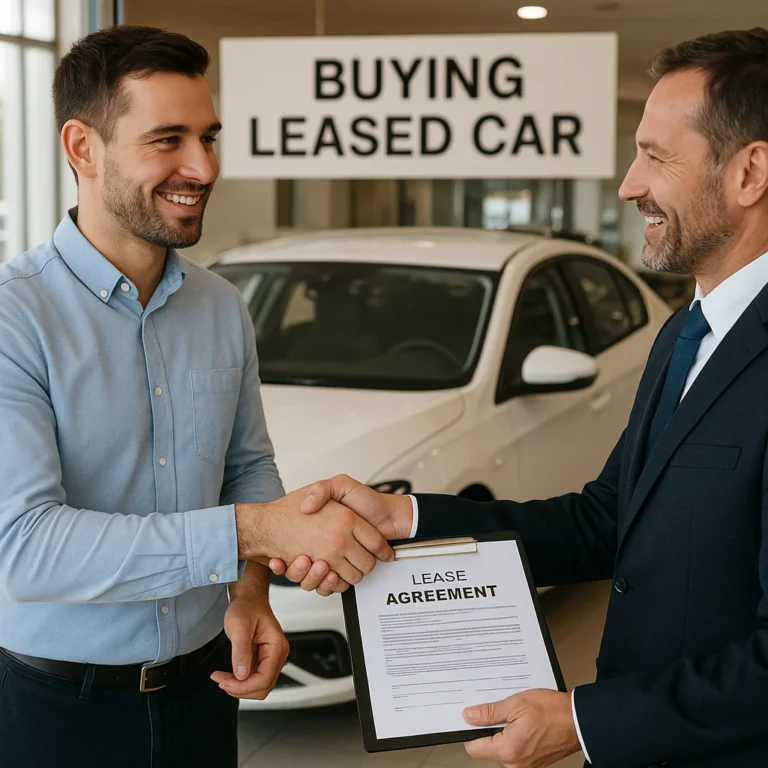
Yes, you can usually buy your leased car after the lease ends if your contract includes a purchase option and your leasing company allows it. Before you sign, compare the official buyout total—including taxes and fees—with the car’s current market value and condition.
That familiar car in your driveway may be a better deal than starting a new lease—or it may be a very comfortable way to overpay. We’ve seen drivers focus on avoiding mileage charges and overlook the bigger question: would they choose this same car at this same total cost if they were shopping today?
The smart move is to request a written buyout quote early, check comparable vehicles, and arrange financing or an inspection before your deadline. A little homework can turn a convenient buyout into a confident decision.
Key Takeaways
- You can usually buy your leased car at lease end if your agreement and leasing company permit it.
- Get an official, itemized buyout quote. The contract’s residual value may not include every tax or fee.
- Compare the all-in buyout cost with similar cars’ market value and account for the vehicle’s mileage, condition, and upcoming repairs.
- You may pay cash or use a lease buyout loan. Compare the APR, loan term, total interest, and down payment—not just the monthly payment.
- Start early. Deadlines, title transfers, lender requirements, and state registration rules can take time.
- Buying can avoid return-related mileage or wear charges, but it doesn’t make those miles or repairs cost-free. They still affect the car’s value and future ownership costs.
Table of Contents
- ⚡️ Quick Tips and Facts: Buying Your Leased Car
- 🚗 Can You Buy Your Leased Car After the Lease Ends?
- 📚 How Lease-End Buyouts Work
- Your Lease’s Purchase Option and Residual Value
- Buying at Lease End vs. Buying Early
- 🔍 Is Buying Out Your Lease a Good Deal?
- Compare the Buyout Price With the Car’s Market Value
- Consider Mileage, Condition, and Maintenance History
- When Keeping Your Leased Car Makes Sense
- When Returning or Replacing Your Car May Better
- 🧭 How to Buy Your Leased Car: A Step-by-Step Guide
- Step 1: Review Your Lease Agreement and Buyout Deadline
- Step 2: Request an Official Lease Buyout Quote
- Step 3: Research the Car’s Market Value and Get an Inspection
- Step 4: Compare Cash, Bank, Credit Union, and Dealer Financing
- Step 5: Apply for a Lease Buyout Loan
- Step 6: Pay the Buyout Amount and Complete the Paperwork
- Step 7: Title, Register, and Insure Your Car
- 💳 Lease Buyout Financing: Loans, Rates, and Approval
- How Lease Buyout Loans Work
- Credit, Down Payments, and Loan Terms
- Paying Cash vs. Financing the Buyout
- 🧾 Lease Buyout Costs, Taxes, and Fees
- Residual Value, Purchase Option Fee, and Payoff Amount
- Sales Tax, Title, Registration, and Documentation Fees
- Possible Disposition Fees and Other Lease-End Charges
- 🏢 Can You Buy Your Leased Car From a Dealer?
- Buying Directly From the Leasing Company
- Buying Through a Dealership
- Third-Party Buyout Restrictions
- ⏰ When to Start the Lease-End Buyout Process
- Buyout Timing Before, On, or After Your Lease-End Date
- What Happens If You Miss the Buyout Deadline?
- ⚖️ Lease Buyout vs. Returning, Leasing, or Buying Another Car
- Lease Buyout vs. Lease Return
- Lease Buyout vs. Leasing a New Car
- Lease Buyout vs. Buying a Different Used Car
- 🛠️ Inspections, Warranties, and Ownership Responsibilities
- Should You Get a Pre-Buyout Inspection?
- Remaining Factory Warranty and Extended Coverage
- Repairs, Maintenance, and Recalls to Check
- 📍 State Rules and Special Lease Buyout Situations
- State Taxes and Title Transfer Requirements
- Buying a Leased Car Out of State
- Buying Out a Lease After a Move, Divorce, or Death
- Business, Fleet, and Company-Car Lease Buyouts
- ✅ Lease Buyout Checklist: Documents and Questions to Gather
- 🔗 Recommended Links
- ❓ FAQ
- Can I buy my leased car after the lease ends?
- Can I negotiate the lease buyout price?
- Can I buy my leased car if I have mileage or damage charges?
- Can someone else buy my leased car?
- Do I need a down payment for a lease buyout loan?
- Can I buy out my lease with bad credit?
- Do I have to pay sales tax when I buy my leased car?
- What happens to my lease payments after I buy the car?
- 📖 Reference Links
Table of Contents
- ⚡️ Quick Tips and Facts: Buying Your Leased Car
- 🚗 Can You Buy Your Leased Car After the Lease Ends?
- 📚 How Lease-End Buyouts Work
- Your Lease’s Purchase Option and Residual Value
- Buying at Lease End vs. Buying Early
- 🔍 Is Buying Out Your Lease a Good Deal?
- Compare the Buyout Price With the Car’s Market Value
- Consider Mileage, Condition, and Maintenance History
- When Keeping Your Leased Car Makes Sense
- When Returning or Replacing Your Car May Better
- 🧭 How to Buy Your Leased Car: A Step-by-Step Guide
- Step 1: Review Your Lease Agreement and Buyout Deadline
- Step 2: Request an Official Lease Buyout Quote
- Step 3: Research the Car’s Market Value and Get an Inspection
- Step 4: Compare Cash, Bank, Credit Union, and Dealer Financing
- Step 5: Apply for a Lease Buyout Loan
- Step 6: Pay the Buyout Amount and Complete the Paperwork
- Step 7: Title, Register, and Insure Your Car
- 💳 Lease Buyout Financing: Loans, Rates, and Approval
- How Lease Buyout Loans Work
- Credit, Down Payments, and Loan Terms
- Paying Cash vs. Financing the Buyout
- 🧾 Lease Buyout Costs, Taxes, and Fees
- Residual Value, Purchase Option Fee, and Payoff Amount
- Sales Tax, Title, Registration, and Documentation Fees
- Possible Disposition Fees and Other Lease-End Charges
- 🏢 Can You Buy Your Leased Car From a Dealer?
- Buying Directly From the Leasing Company
- Buying Through a Dealership
- Third-Party Buyout Restrictions
- ⏰ When to Start the Lease-End Buyout Process
- Buyout Timing Before, On, or After Your Lease-End Date
- What Happens If You Miss the Buyout Deadline?
- ⚖️ Lease Buyout vs. Returning, Leasing, or Buying Another Car
- Lease Buyout vs. Lease Return
- Lease Buyout vs. Leasing a New Car
- Lease Buyout vs. Buying a Different Used Car
- 🛠️ Inspections, Warranties, and Ownership Responsibilities
- Should You Get a Pre-Buyout Inspection?
- Remaining Factory Warranty and Extended Coverage
- Repairs, Maintenance, and Recalls to Check
- 📍 State Rules and Special Lease Buyout Situations
- State Taxes and Title Transfer Requirements
- Buying a Leased Car Out of State
- Buying Out a Lease After a Move, Divorce, or Death
- Business, Fleet, and Company-Car Lease Buyouts
- ✅ Lease Buyout Checklist: Documents and Questions to Gather
- 🔗 Recommended Links
- ❓ FAQ
- Can I negotiate the buyout price of my leased car?
- Is it cheaper to buy my leased car or lease a new one?
- What fees should I expect when buying my leased car at the end of the lease?
- Can I finance the purchase of my leased car after the lease ends?
- Can I buy out my leased car early?
- Do I avoid mileage and wear charges if I buy the car?
- Can someone else buy my leased car?
- 📖 Reference Links
⚡️ Quick Tips and Facts: Buying Your Leased Car
Yes, you can usually buy your leased car when the lease ends if your contract includes a purchase option and the leasing company allows it. The car may be familiar, the paperwork fairly straightforward, and the used-car market might even make the preset buyout price look unusually attractive. But a familiar steering wheel does not automatically equal a good deal.
If you’re weighing a lease return against buying a Tesla, start by checking the lease’s transfer rules; our guide to why a Model 3 may not be available after lease explains why some lessors restrict who can purchase a leased vehicle. For broader lease basics, see our Car Lease Basics guides.
| Quick question | Short answer |
|---|---|
| Can I buy my leased car after the lease ends? | Usually yes, subject to your contract and lessor’s process. |
| Is the buyout price negotiable? | Often not, particularly when it is the contract’s preset residual value. Ask anyway; policies differ. |
| How do I know if the buyout is a good deal? | Compare the official all-in buyout total with comparable cars’ market values and account for taxes, fees, condition, and repairs. |
| Can I finance the buyout? | Yes. Banks, credit unions, and some captive lenders offer lease buyout loans. |
| Do I avoid mileage charges if I buy? | You generally avoid return-related excess-mileage charges, but that does not make extra miles free: they affect the car’s value and future resale. |
| Should I wait until the last day? | No. Ask for the quote and required documents early; title and lender processing can take time. |
| Does buying make sense if the car needs repairs? | Maybe. Get an inspection and compare repair costs with the cost of returning the car and replacing it. |
The fast buyout math
Use this as a starting point, not a substitute for the lessor’s written payoff:
Buyout value gap = comparable-car market value − all-in buyout cost
If the result is positive, the leased car may cost less to buy than a similar vehicle elsewhere. If it is negative, buying it may still be worthwhile for convenience or known history—but you’re paying a premium for those benefits.
For valuation, compare similar vehicles by model year, trim, mileage, condition, and location using [Kelley Blue Book](https://www.kbb.com/ car-values/) and Edmunds. Then confirm your real purchase figure with the leasing company. The residual printed in your contract may not include every fee or tax.
Our Car Leases™ take: We’d rather see you spend an hour comparing the numbers now than spend years paying for a buyout that only felt convenient. Later, we’ll show you how to make that comparison without accidentally counting an avoided return charge as a discount.
🚗 Can You Buy Your Leased Car After the Lease Ends?
In most cases, yes. The right to buy is typically described in your lease as a purchase option, lease-end purchase option, or residual value. The leasing company—also called the lessor—owns the vehicle during the lease, so you must follow its process to purchase and transfer ownership.
Your lease agreement is the first authority to check. The lessor’s current instructions and written buyout quote are the next. A dealership may help complete the transaction, but it cannot promise a purchase option the lessor has withdrawn or does not permit. Chase’s lease-to-own overview likewise advises checking your contract and confirming the amount and process with the lessor.
The quick answer depends on your contract
You may be able to buy the car:
- At the scheduled end of the lease, using the purchase option in your agreement.
- Before the lease ends, if the lessor permits an early buyout and provides a payoff quote.
- Through a dealer or directly from the leasing company, depending on the lessor’s rules.
- With cash or financing, subject to payment, credit, and title-transfer requirements.
Do not assume you can buy it through any dealer, or that a friend or family member can purchase it on your behalf. Some finance companies limit third-party buyouts or require the lesee to complete the purchase first.
What you’re actually buying
A lease buyout is a purchase of the vehicle from the company that owns it—not an extension of your old lease. After the sale:
- You become the owner, or the lender becomes the lienholder if you finance it.
- Lease payments stop according to the lessor’s payoff and account-closing process.
- You take on ownership costs such as insurance, repairs, registration, and future resale risk.
- Lease-return rules for mileage and wear may no longer apply in the same way, but the car’s condition still affects what it is worth.
That last point matters. A buyer who keeps a high-mileage car avoids a return bill, but still owns a high-mileage car. We’ll separate those two ideas when we compare buyout value with market value.
📚 How Lease-End Buyouts Work
When you leased the vehicle, the lessor estimated what it would be worth at the end of the term. That estimate—often called residual value—helps determine your lease payments and may also be the basis for your purchase option.
At lease end, you can usually choose to return the vehicle or exercise the purchase option if your contract and lessor allow it. The buyout is not necessarily identical to the number listed as the residual: a current quote may include applicable fees, taxes, unpaid obligations, or other amounts.
| Term | What it means | Why it matters |
|---|---|---|
| Lessor | The company that owns or finances the leased vehicle | It controls the purchase process and title transfer. |
| Residual value | The estimated end-of-lease value specified in the lease | It may form the basis of the purchase-option price. |
| Buyout quote/payoff | The lessor’s current amount required to complete a purchase | It may include more than the residual; request an itemized quote. |
| Purchase-option fee | A contract- or process-related charge, if applicable | Check whether it is included in the quote. |
| Disposition fee | A possible charge for processing a returned vehicle | Whether it applies if you buy depends on your contract and lessor. |
| Lease buyout loan | A loan used to pay the lessor for the vehicle | Compare the full loan terms, not just the monthly payment. |
Chase describes a lease buyout as buying the leased car at the end of the lease—or, where permitted, earlier. Navy Federal Credit Union also outlines the process and recommends comparing the car’s value with its buyout amount.
Your Lease’s Purchase Option and Residual Value
Find the section of your contract that explains the purchase option. It may specify:
- The purchase price or a formula for calculating it.
- Whether the option can be exercised before the scheduled end date.
- A purchase-option fee or other charges.
- The party that must buy the vehicle.
- Any notice, inspection, or paperwork deadlines.
The residual is a contractual estimate, not a promise that the car will be worth that amount. If the car’s market value rises above the residual, your buyout can look favorable. If the market value falls below it, the fixed purchase price may be less attractive.
A current payoff quote matters because the contract figure may not tell you what you must pay today. Ask the lessor to spell out the purchase amount, taxes, fees, expiration date, and payment instructions in writing.
Buying at Lease End vs. Buying Early
An early buyout can make sense if you need to sell the car, want to end the lease sooner, or have a specific financing opportunity. But an early payoff is not always just the residual minus a few remaining payments. The lessor may calculate it under the contract’s terms and current account balance.
| Timing | Potential benefit | What to verify |
|---|---|---|
| At lease end | Usually follows the purchase option laid out for the scheduled end date | Deadline, final payoff, fees, return charges, and title-transfer steps |
| Before lease end | Can give you ownership sooner or help you sell the car | Early payoff formula, remaining obligations, lender restrictions, and taxes |
| After lease end | May be allowed during a short post-term period | Whether the option remains available, extension rules, late fees, and insurance |
Ask the lessor for an early-buyout quote rather than estimating it yourself. If the vehicle is worth substantially more than the payoff, you may have equity—but selling or trading it may require the lessor’s cooperation. The exact process varies by finance company.
🔍 Is Buying Out Your Lease a Good Deal?
A buyout can be a bargain, a sensible convenience purchase, or an expensive case of “I already know where the coffee stains are.” The difference comes down to the all-in cost, the vehicle’s condition, your plans, and what comparable cars actually sell for.
Navy Federal’s guidance is to compare the vehicle’s current market value with its buyout price, then account for fees and your budget. Chase makes a similar point: a buyout may work well if the preset residual is lower than the car’s market value, but it may be poor value if you would be overpaying for the vehicle. Those statements are compatible: the contract sets the purchase framework; the market helps you judge whether it’s attractive.
Compare the Buyout Price With the Car’s Market Value
Start with the current written payoff—not just the residual in the lease. Then compare it with similar vehicles for sale in your area. Match:
- Model year, make, model, and trim.
- Mileage and vehicle history.
- Optional equipment and drivetrain.
- Condition, location, and any known repairs.
- Whether the comparison is a dealer retail asking price, trade-in estimate, or private-party value.
A dealer’s advertised price is not necessarily what you’d pay after fees, nor is a trade-in estimate the same as retail value. Use multiple references, including Kelley Blue Book and Edmunds’ appraisal tools, and treat estimates as a range.
| Comparison | What to include |
|---|---|
| Buyout cost | Official payoff, purchase-option fee, taxes, title, registration, and any lender or dealer charges |
| Comparable-car cost | Purchase price of a similar car plus taxes, fees, inspection, and any immediate maintenance |
| Potential value gap | Comparable market value minus total buyout cost |
| Ownership costs | Loan interest, insurance, maintenance, repairs, tires, and future depreciation |
Illustration, not a quote: If a comparable car’s value is above your all-in buyout cost, the gap can indicate potential value. If the buyout total is higher, you might still prefer your familiar car—but make that choice knowingly rather than calling it a bargain.
A useful question: Would you buy this exact car at this total price if it weren’t already in your driveway? If the answer is no, convenience may be doing more work than the math.
Consider Mileage, Condition, and Maintenance History
Your lease may set a mileage allowance and return-condition standards. The lessor may charge for excess mileage or damage when you return the car, subject to your contract. Buying generally changes the return calculation because you are purchasing rather than handing the vehicle back—but those miles and repairs still affect ownership value.
Check:
- Tire tread, brakes, suspension, and alignment.
- Maintenance records and upcoming scheduled services.
- Warning lights, diagnostic codes, and open recalls.
- Collision history, paintwork, windshield damage, and interior wear.
- Battery health and charging history on an EV.
- Whether factory warranty coverage remains.
The Federal Trade Commission’s used-car guidance recommends getting vehicle history information and an independent inspection when purchasing a used car. A lease buyout is familiar, but it is still a used-car purchase.
When Keeping Your Leased Car Makes Sense
A buyout may be appealing when:
- The all-in buyout is competitive with comparable vehicles.
- You know the car’s history and have maintained it well.
- It suits your household, commute, and driving needs.
- You want to avoid the time and uncertainty of shopping for a replacement.
- You are facing return-related mileage or wear charges and would rather keep the car.
- The car has features or a configuration that would be difficult to find again.
Our team has seen drivers get attached to a quiet, reliable commuter after three years of school runs and highway miles. That familiarity is real value—but it should sit beside the numbers, not replace them.
When Returning or Replacing Your Car May Better
Returning may be preferable if:
- The buyout is above market value and the lessor won’t adjust it.
- The vehicle needs expensive repairs or is no longer right for your life.
- You want a newer safety, technology, or powertrain package.
- A different used car offers better condition, warranty coverage, or total cost.
- Financing the buyout would strain your budget or require an unfavorable loan.
For drivers comparing a new EV lease with ownership, browse our Electric Vehicle Leases coverage. If a new vehicle is on the table, compare the complete cost—not simply its advertised monthly payment—with your lease buyout.
🧭 How to Buy Your Leased Car: A Step-by-Step Guide
The cleanest buyouts follow a simple rhythm: verify your option, get the real quote, inspect the car, arrange payment, and finish the title work. Start early enough that a mailing delay or lender checklist doesn’t leave you scrambling with a lease-end appointment looming.
The featured video, “Best way to buy your car lease” by The Lease Guy, discusses financing a lease buyout. It may be a useful companion if you’re comparing loan options; still, confirm today’s terms directly with lenders, since rates and eligibility change.
Step 1: Review Your Lease Agreement and Buyout Deadline
Locate your contract and review:
- The purchase-option section.
- The residual or stated purchase price.
- The lease-end date and any notice deadline.
- Whether an early buyout is permitted.
- Any purchase-option or administrative fees.
- Rules about who may buy the vehicle.
- Instructions for returning the car if you decide against buying.
If you can’t find the paperwork, contact the lessor using a verified number from a statement or its official website. Don’t rely on a dealer’s verbal estimate as a substitute for your contract.
Step 2: Request an Official Lease Buyout Quote
Ask the lessor for a written, itemized quote. Confirm:
- Quote amount and expiration date.
- Purchase-option fee and other charges.
- Applicable taxes, if included or billed separately.
- Accepted payment methods and where funds must be sent.
- Whether a dealer can process the transaction.
- Title, lien, and registration documents required.
- Whether you or your lender must be listed as purchaser.
If you’re financing, send the quote to prospective lenders. They may need a payoff statement, VIN, mileage, lease account information, and proof of insurance. For more financing fundamentals, see our Auto Financing Options resources.
Step 3: Research the Car’s Market Value and Get an Inspection
Use the VIN, trim, mileage, and condition to estimate value. Check more than one source, then compare against local listings for genuinely similar cars.
Consider an independent inspection if you are unsure about the mechanical condition. A vehicle can look showroom-ready after a wash while hiding worn brakes, overdue maintenance, or a weak EV battery. If the inspection finds problems, include realistic repair estimates in your buyout calculation.
Step 4: Compare Cash, Bank, Credit Union, and Dealer Financing
You can pay cash or seek financing from:
- A bank where you already have an account.
- A credit union, such as Navy Federal Credit Union if eligible.
- An online lender offering lease buyout loans.
- The manufacturer’s finance company, if it offers a buyout program.
- A dealership that handles buyouts through its finance department.
Ask each lender whether it finances a lease buyout, how it handles taxes and fees, and who pays the lessor. Compare APR, loan term, total interest, required down payment, and conditions. Our Credit Score and Car Leasing guides can help you prepare for a credit application.
Step 5: Apply for a Lease Buyout Loan
Typical documents may include:
- Government-issued identification.
- Lease agreement and current payoff quote.
- VIN, mileage, and vehicle details.
- Proof of income and residence, depending on the lender.
- Insurance information.
- Purchase agreement or bill of sale when available.
Loan requirements vary by lender and borrower. Don’t rely on a universal credit-score cutoff or assume a zero-down loan is guaranteed. Get the lender’s conditions in writing before committing.
Step 6: Pay the Buyout Amount and Complete the Paperwork
Follow the lessor’s payment instructions exactly. If a lender is financing the purchase, the lender may send funds directly and receive the title or lien documentation. If paying cash, confirm accepted payment methods and how the lessor will document receipt.
Before signing, check that the purchase documents match the agreed vehicle and amount. Keep copies of the payoff confirmation, bill of sale, odometer disclosure, and any tax or fee receipts.
Step 7: Title, Register, and Insure Your Car
The leasing company or lender must complete the ownership transfer. Timing and paperwork differ by state, so follow your state motor vehicle agency’s instructions. Use the USA.gov state motor vehicle services directory to find the correct agency.
Tell your insurer that the vehicle’s ownership or lienholder is changing. A lease may require particular coverage, and your lender may have its own insurance requirements. Keep coverage continuous while the title transfer is in progress.
💳 Lease Buyout Financing: Loans, Rates, and Approval
A lease buyout loan works much like financing a used car: a lender pays the lessor, and you repay the lender over time. The vehicle may be treated as used collateral, so the lender will look at its age, mileage, condition, loan amount, and your credit and income.
The best offer is not necessarily the one with the smallest payment. A longer term may lower the payment while increasing the total interest and keeping you in debt longer.
How Lease Buyout Loans Work
The lender generally needs the lease payoff and vehicle details before final approval. Depending on the program, it may:
- Pay the leasing company directly.
- Finance taxes or certain fees, subject to loan-to-value limits.
- Require a down payment if the vehicle’s value does not support the full amount.
- Place a lien on the title until the loan is paid off.
Compare the APR, fees, loan term, total amount financed, and prepayment conditions. The Consumer Financial Protection Bureau’s auto-loan guide explains how to compare loan offers and understand financing costs.
Credit, Down Payments, and Loan Terms
Approval is lender-specific. Credit history, income, existing debts, vehicle age, mileage, and the loan-to-value ratio can all matter. Some lenders may offer no-down-payment financing to qualified borrowers; others may require money down.
Before applying:
- Check your credit reports for errors through AnnualCreditReport.com.
- Ask whether the lender can prequalify you without a hard inquiry.
- Compare a few offers within a short shopping period where appropriate.
- Avoid choosing a loan based only on payment size.
- Confirm whether taxes and fees are included or paid separately.
For advice on how credit can affect lease and finance decisions, see our Credit Score and Car Leasing category.
Paying Cash vs. Financing the Buyout
| Option | Potential upside | Potential trade-off |
|---|---|---|
| Cash | No loan interest or monthly auto payment | Uses savings that may be needed for emergencies or other goals |
| Buyout loan | Preserves cash and spreads the cost over time | Adds interest, lender requirements, and a lien |
| Partial down payment + loan | Balances upfront spending and borrowing | Still requires comparing total interest and remaining cash reserves |
Keep an emergency fund in the picture. A paid-off car can still need tires, brakes, insurance, and repairs; being “payment-free” does not make maintenance disappear.
🧾 Lease Buyout Costs, Taxes, and Fees
The residual value is not automatically the amount you need in hand. Ask for an itemized total and separate purchase costs from charges that would apply only if you return the car.
Residual Value, Purchase Option Fee, and Payoff Amount
Your buyout quote may include:
- Contractual purchase-option amount or residual.
- Purchase-option or processing fee.
- Unpaid lease obligations, if any.
- Tax, title, or registration amounts, depending on the quote and jurisdiction.
- Dealer handling charges, if you use a dealer and agree to its services.
Ask what each line means and whether a charge is required by your contract, the lessor, the state, or the dealer. If the total looks different from the lease, request an explanation in writing.
Sales Tax, Title, Registration, and Documentation Fees
Tax treatment varies by state and transaction structure. Some states may collect sales or use tax on a buyout; title and registration costs also vary. A lender or dealer may collect certain amounts at closing, while the motor vehicle agency handles others.
Because rules differ, verify with your state revenue department and motor vehicle agency. The Tax Foundation’s state sales tax resources can provide broad state context, but it is not a substitute for your state’s official tax guidance or your transaction documents.
Possible Disposition Fees and Other Lease-End Charges
A disposition fee may apply when you return a leased vehicle, subject to your agreement and the lessor’s rules. If you buy the car, ask whether that fee is waived. Do not assume every charge disappears automatically.
Similarly, buying may prevent return-related excess-mileage or wear charges, but it does not erase unrelated unpaid obligations or guarantee that all condition-related costs vanish. Avoided lease-return charges are not the same thing as equity. A heavily worn vehicle still may need repairs after you own it.
🏢 Can You Buy Your Leased Car From a Dealer?
Sometimes. A dealer may coordinate the purchase, arrange financing, and handle paperwork, but the lessor controls the vehicle and its buyout rules. Ask whether the dealer adds a processing or documentation charge and whether you can complete the purchase directly instead.
Buying Directly From the Leasing Company
A direct buyout can reduce unnecessary dealership steps, but the lessor may still require particular forms, payment procedures, or a third-party inspection. Contact the finance company named in your contract and confirm its current process.
For manufacturer-affiliated programs, use the official finance or owner portal for your vehicle’s brand. For example, check Toyota Financial Services, Ford Credit, or Tesla’s lease-end guidance as applicable. Policies differ by brand, contract, and location.
Buying Through a Dealership
A dealer may be convenient if you need financing or want help coordinating the title transfer. Before signing, ask for an itemized buyer’s order and separate:
- The lessor’s buyout amount.
- Taxes and government fees.
- Dealer documentation or processing fees.
- Optional products such as service contracts or GAP coverage.
- Any add-ons you did not request.
A dealer’s convenience can be worth something, but it should not come wrapped in unwanted products. Read every line; “just sign here” is not a pricing strategy.
Third-Party Buyout Restrictions
Some lessors restrict direct purchases by someone other than the lesee or a dealership. Others may require the original lesee to buy the car first, then transfer it—potentialy creating additional tax or title steps.
Call the lessor before accepting a buyer’s offer or arranging a loan in another person’s name. Tesla, for example, has specific lease-end policies; its official lease-end options page is a useful reminder that brand rules can be unusually specific.
⏰ When to Start the Lease-End Buyout Process
Start as soon as you know you are seriously considering a buyout. A few weeks of lead time gives you room to compare values, get an inspection, apply for financing, and resolve title or insurance requirements.
Buyout Timing Before, On, or After Your Lease-End Date
| Timing | What to do |
|---|---|
| Several weeks before lease end | Review the contract, request the payoff, compare market values, and check lender options. |
| As the end date approaches | Confirm the quote is still valid, arrange payment, and complete the lessor’s forms. |
| On the lease-end date | Follow the lessor’s stated instructions; do not assume a verbal extension. |
| After lease end | Confirm whether the purchase option remains available and whether extension or late charges apply. |
The exact timeline depends on the lessor, lender, state, and title process. Get dates in writing and keep proof that required paperwork and payments were submitted.
What Happens If You Miss the Buyout Deadline?
You may lose the right to exercise the purchase option, or the lessor may require additional steps, fees, or an extension. Some companies allow a short grace period; others do not. There is no universal post-lease grace period.
Contact the lessor immediately if you are close to the deadline. Ask whether you can extend the lease, complete a late buyout, or schedule a return. Do not continue driving under the assumption that your old lease automatically rolls over.
⚖️ Lease Buyout vs. Returning, Leasing, or Buying Another Car
Compare the choices on total cost and practical fit. A low advertised payment on a new lease can hide a due-at-signing amount, mileage limits, and future turn-in costs. A buyout may have a higher payment but gives you an ownership path.
Lease Buyout vs. Lease Return
| Buyout | Return |
|---|---|
| Keep a car you know and like | End ownership responsibility for this vehicle |
| May avoid return-related mileage or wear charges | Avoid taking on future repair and resale risk |
| Requires purchase funds or a loan | May require a disposition fee and condition assessment |
| You own or finance a used car | You need another transportation plan |
If you return the car, ask for the lessor’s inspection and return instructions. If you buy, compare the total purchase amount with the cost of similar vehicles and any near-term repair needs.
Lease Buyout vs. Leasing a New Car
A new lease can provide a newer vehicle and may include warranty coverage during much of the term, depending on the manufacturer’s warranty and lease length. It also starts a new contract with mileage limits, required insurance, and future return obligations.
A buyout may suit you if you want to keep the current vehicle, drive more miles, or avoid replacing a car that still fits. Compare the full lease commitment—including upfront costs, payments, mileage allowance, and end-of-lease responsibilities—with the buyout loan’s total cost. Our Best Lease Terms guides can help you evaluate a replacement lease.
Lease Buyout vs. Buying a Different Used Car
A different used car may offer lower mileage, a longer remaining warranty, newer safety features, or a better price. But it also brings shopping time, history checks, inspection risk, and possibly an unfamiliar maintenance record.
Use the same standards for both choices: vehicle history, independent inspection, total purchase cost, financing terms, and expected maintenance. The car in your driveway does not get a free pass just because you already know its favorite radio station.
🛠️ Inspections, Warranties, and Ownership Responsibilities
Buying the leased car means accepting it as a used vehicle. The fact that you were responsible for its care does not guarantee that every component is healthy or every warranty remains active.
Should You Get a Pre-Buyout Inspection?
An independent inspection can identify repairs you may notice on a test drive. Ask the mechanic to check:
- Tires, brakes, steering, and suspension.
- Engine, transmission, cooling, and electrical systems.
- Leaks, corrosion, warning lights, and diagnostic codes.
- Accident repairs and body structure.
- EV battery and charging operation, if applicable.
For a vehicle-history check, the National Motor Vehicle Title Information System lists approved providers. A history report is helpful, but it does not replace an inspection.
Remaining Factory Warranty and Extended Coverage
Verify warranty coverage by model year, in-service date, mileage, and the manufacturer’s terms. Some coverage transfers to a new owner; some components have separate limits; and leased vehicles may be nearing the end of their original warranty.
Contact the manufacturer or an authorized dealer with the VIN. If you are offered an extended service contract, read its exclusions, deductible, repair authorization rules, and cancellation terms before buying. It is optional—not a required part of the buyout.
Repairs, Maintenance, and Recalls to Check
Review service records, the owner’s manual maintenance schedule, and open recalls. You can search recalls through the National Highway Traffic Safety Administration’s VIN tool.
For EVs, ask about battery coverage and available battery-health information. Browse our Electric Vehicle Leases coverage for more EV-specific ownership and lease considerations.
📍 State Rules and Special Lease Buyout Situations
The contract sets the lessor’s buyout process, but state law affects taxes, title transfers, registration, and consumer protections. When the situation is unusual, call the lessor and your state agencies before committing.
State Taxes and Title Transfer Requirements
States may treat a lease buyout differently for tax and title purposes. You may need a bill of sale, odometer disclosure, title application, lienholder information, and proof of insurance. Use your state motor vehicle agency’s official guidance and request the lessor’s document checklist.
Buying a Leased Car Out of State
If you moved during the lease, tell the lessor before starting the buyout. Confirm which state’s taxes and registration rules apply, where the title will be sent, and whether the lender can register its lien in your new state.
The relevant motor vehicle agency may require an emissions or safety inspection. Do not rely on a dealer in your old state to know every requirement in the new one.
Buying Out a Lease After a Move, Divorce, or Death
A change in household or legal status may affect who can exercise the purchase option. For a move, update your address and registration details. For divorce or a deceased lesee, ask the lessor what authority documents it requires, such as a court order, estate appointment, or death certificate.
These are contract- and jurisdiction-specific matters. A lender’s customer-service representative can explain its process, but legal or tax advice may be appropriate when ownership rights are disputed.
Business, Fleet, and Company-Car Lease Buyouts
Business leases may include tax, accounting, title, and authorization requirements that differ from consumer leases. Confirm who has authority to purchase the vehicle and how the transaction should be recorded with the company’s finance or tax professional.
For a company car assigned to an employee, the person who drove it may not have the right to exercise the purchase option. Review the lease and company policy before making plans.
✅ Lease Buyout Checklist: Documents and Questions to Gather
Before you commit, gather:
- Lease agreement and account number.
- Current, written buyout quote with an expiration date.
- Itemized list of taxes, fees, and payoff components.
- VIN, mileage, vehicle history, and maintenance records.
- Market-value estimates for comparable vehicles.
- Independent inspection findings and repair estimates.
- Loan preapproval or proof of funds.
- Insurance confirmation and lender requirements.
- Lessor instructions for payment, title, and registration.
- State motor vehicle agency requirements.
Ask the lessor:
- Is the purchase option still available, and what is the deadline?
- Is the quoted amount the full payoff? What is excluded?
- Can I buy directly, or must a dealer process the transaction?
- Can a third party purchase the vehicle?
- Will a disposition fee apply if I buy?
- What documents and payment methods do you accept?
- When and how will the title be transferred?
The final decision test: If the car passes inspection, the all-in price is reasonable, and ownership fits your budget, a buyout can be an excellent way to keep a known vehicle. If one of those pieces fails, pause before letting familiarity make the decision for you.