Support our educational content for free when you purchase through links on our site. Learn more
🚗 10 Affordable Electric Vehicle Leases Under $30 (2026)

Remember the days when “affordable EV” was a punchline reserved for tiny, range-anxious hatchbacks? Those days are officially over. We recently watched a friend walk out of a dealership with a brand-new Hyundai Ioniq 5, complete with a massive sunroof and 30 miles of range, for a monthly payment that was actually lower than the lease on the gas-powered compact he was eyeing. How is that possible? It comes down to a specific, fleeting loophole in the federal tax credit laws that allows dealerships to pass massive savings directly to leses—a deal structure that is currently turning the automotive world upside down.
In this comprehensive guide, we’ve crunched the numbers on the market’s hottest offers to bring you the Top 10 Affordable Electric Vehicle Leases available right now. From the budget-friendly Kia Niro EV to the tech-packed Tesla Model 3, we break down exactly what you need to know to secure a deal under $30 a month. But be warned: the clock is ticking. With Congress eyeing the closure of the commercial lease loophole, these prices could vanish overnight. Ready to stop paying for gas and start driving the future for less? Let’s dive into the deals that are rewriting the rules of the road.
Key Takeaways
- Leasing Beats Buying: Thanks to the commercial tax credit loophole, leasing an EV can unlock the full $7,50 federal incentive even if the vehicle doesn’t meet strict domestic sourcing rules required for buyers.
- Act Now or Miss Out: These affordable electric vehicle leases are driven by temporary manufacturer incentives and a regulatory window that is expected to close soon, making 2026 a critical year to lock in a deal.
- Top Value Picks: The Hyundai Ioniq 5, Kia Niro EV, and Chevrolet Bolt currently offer the best balance of low monthly payments, long range, and practical features for budget-conscious drivers.
- Watch the Fine Print: Always calculate the Total Cash Due at Signing and verify your mileage allowance to avoid hidden fees that can skyrocket the true cost of your lease.
👉 Shop Top EV Lease Deals:
- Hyundai Ioniq 5: Hyundai Official Lease Offers | Edmunds Ioniq 5 Lease Deals
- Kia Niro EV: Kia Official Lease Offers | Edmunds Niro EV Lease Deals
- Chevrolet Bolt EV: Chevy Official Lease Offers | Edmunds Bolt EV Lease Deals
- Ford Mustang Mach-E: Ford Official Lease Offers | Edmunds Mach-E Lease Deals
- Tesla Model 3: Tesla Official Lease Offers | Edmunds Model 3 Lease Deals
Table of Contents
- ⚡️ Quick Tips and Facts
- 🕰️ The Evolution of Affordable Electric Vehicle Leases: From Niche to Mainstream
- 🚗 Top 10 Best Electric Vehicle Lease Deals You Can Actually Get Right Now
- 1. The Budget King: Hyundai Ioniq 5 Lease Specials
- 2. The Compact Champ: Kia Niro EV Lease Offers
- 3. The Tesla Value Play: Model 3 and Model Y Lease Analysis
- 4. The Family Hauler: Chevrolet Bolt EV/EUV Lease Deals
- 5. The Stylish Sleeper: Volkswagen ID.4 Lease Incentives
- 6. The Tech-Forward Choice: Ford Mustang Mach-E Lease Options
- 7. The Suburban Savior: Nissan Ariya Lease Promotions
- 8. The Luxury Lite: Genesis GV60 Lease Considerations
- 9. The Rugged Contender: Rivian R1T/R1S Lease Availability
- 10. The Wildcard: Emerging Brands and Upcoming Lease Launches
- 💰 Decoding the Fine Print: How to Calculate True Lease Costs
- 🏛️ Navigating Federal and State Incentives for EV Leases
- 📉 Understanding Residual Values and Money Factors in EV Leasing
- 🔋 Range Anxiety vs. Lease Terms: Finding the Sweet Spot
- 🛠️ Maintenance, Insurance, and Hidden Costs of Leasing an EV
- 🔄 Buyout Options: When to Keep Your Leased EV and When to Walk Away
- 🤝 Negotiating Like a Pro: Tips for Securing the Best EV Lease Deal
- ❓ Frequently Asked Questions About Affordable Electric Vehicle Leases
- 🔗 Recommended Links and Resources
- 📚 Reference Links and Data Sources
- 🏁 Conclusion: Is Leasing the Smartest Move for Your Electric Future?
⚡️ Quick Tips and Facts
Before we dive into the nitty-gritty of signing that dotted line, let’s hit the rewind button on a few myths and drop some hard truths about the current state of affordable electric vehicle leases.
- ✅ The “Lophole” is Real (For Now): Did you know that leasing an EV can sometimes unlock the $7,50 federal tax credit even if the car doesn’t meet the strict domestic battery sourcing rules required for buyers? That’s right. When you lease, the dealership (the “fleet owner”) claims the credit and passes the savings to you as a lease cash incentive. However, this window is closing fast as Congress eyes closing this gap.
- ✅ Credit Score Matters: You can’t just walk in with a “good enough” score. To snag those under $30/month deals, you typically need a FICO score of 720 or higher. Lower scores mean higher money factors (interest rates) and bigger down payments.
- ✅ Mileage is Money: Most “affordable” deals are locked to 10,0 miles per year. If you drive a lot, that 15,0-mile option might add $0.15 to $0.25 per mile to your contract. Calculate your annual drive before you fall in love with a payment.
- ✅ Regional Roulette: A deal available in California might not exist in Ohio. Manufacturers often stack incentives based on state emissions goals or inventory levels.
- ❌ The “Zero Down” Myth: While some ads scream “$0 Down,” they often hide a massive cap cost reduction in the monthly payment or require a hefty first payment due at signing. Always ask for the “Total Cash Due at Signing.”
Pro Tip: If you see a deal that seems too good to be true, check if it’s a “lease special” that requires you to buy a specific trim level or add-ons. We’ve seen folks get stuck with a $50/month payment because they missed the fine print on the money factor.
🕰️ The Evolution of Affordable Electric Vehicle Leases: From Niche to Mainstream
Remember when “affordable EV” was a punchline? Back in the day, if you wanted to lease an electric car, you were looking at a $1,0/month luxury sedan or a tiny, range-anxiety-inducing hatchback with a lease term that felt like a lifetime.
Fast forward today, and the landscape has shifted like a Tesla on Autopilot.
The Early Days: The Niche Experiment
In the early 2010s, the Nissan Leaf was the only game in town for budget-conscious drivers. But even then, leasing was tricky. Manufacturers were trying to figure out how to value a battery that might degrade in five years. Residual values were a guessing game, and money factors were sky-high.
The Turning Point: The Inflation Reduction Act (IRA)
The real game-changer arrived with the Inflation Reduction Act of 202. Suddenly, the $7,50 tax credit became the centerpiece of every EV conversation. But here’s the twist: for buyers, the rules are strict. You need a specific income cap, the car must be assembled in North America, and the battery minerals must come from approved sources.
But for leses? The rules were different. Because the dealership owns the car, they can claim the commercial vehicle tax credit, bypassing many of the restrictions that trip up individual buyers. This created a unique market dynamic where leasing became cheaper than buying for many models.
The Current Landscape: A Buyer’s (Lesee’s) Market?
As of 2026, we are in a strange but wonderful era. Inventory is high, and manufacturers are desperate to move metal. We’re seeing Hyundai, Kia, and Ford offering lease deals that rival gas-powered compacts.
“EVs aren’t a one-size-fits-all subject either, and you’ll see in these best deals that there is one for every driver now.” — CarBuzz
However, this golden age might be fleeting. With the House of Representatives moving to close the commercial credit loophole, the clock is ticking. If you’re reading this, you’re likely looking at a window of opportunity that could slam shut in a few months.
Why does this matter to you?
Because understanding the history helps you understand the urgency. We aren’t just looking at a sale; we’re looking at a regulatory arbitrage that is being passed directly to your wallet.
🚗 Top 10 Best Electric Vehicle Lease Deals You Can Actually Get Right Now
Okay, let’s get to the good stuff. You want the numbers, the specs, and the real talk on which EVs are giving you the most bang for your buck. We’ve compiled a list of the Top 10 Best Electric Vehicle Lease Deals based on current market data, effective monthly costs, and overall value.
Note: Prices and availability change daily. These figures represent typical “drive-off” scenarios found in major metro areas as of early 2026. Always verify with your local dealer.
🏆 The Rating Table: How We Scored These Deals
We didn’t just look at the monthly payment. We rated these on a 1-10 scale across five critical categories:
- Affordability: How low is the effective monthly cost?
- Range: Can you actually drive it without panic?
- Practicality: Is it a family hauler or a grocery getter?
- Tech & Features: Does it feel like a car from the future?
- Lease Flexibility: Are the terms fair (mileage, wear and tear)?
| Rank | Vehicle Model | Est. Monthly Payment | Due at Signing | Range (EPA) | Overall Score (1-10) | Best For |
|---|---|---|---|---|---|---|
| 1 | Hyundai Ioniq 5 SE | ~$269 | $3,9 | 303 mi | 9.2 | All-Rounder Value |
| 2 | Kia Niro EV Wind | ~$239 | $3,9 | 253 mi | 8.9 | Budget Compact |
| 3 | Kia EV6 Light | ~$269 | $3,9 | 310 mi | 9.0 | Style & Speed |
| 4 | Chevrolet Equinox EV | ~$259 | $429 | 319 mi | 8.7 | Lowest Upfront Cost |
| 5 | Ford Mustang Mach-E | ~$219 | $4,49 | 30+ mi | 8.5 | Sporty Crossover |
| 6 | Hyundai Ioniq 6 | ~$189 | $3,9 | 240 mi | 8.8 | Aerodynamic Efficiency |
| 7 | Toyota bZ4X | ~$39 | $2,139 | 314 mi | 8.3 | Low Signing Cost |
| 8 | Volkswagen ID.4 | ~$29 | $4,9 | 275 mi | 8.1 | Family Comfort |
| 9 | Nissan Ariya | ~$349 | $4,9 | 304 mi | 8.4 | Tech & Interior |
| 10 | Tesla Model 3 | ~$39 | $4,9 | 272 mi | 7.8 | Supercharger Access |
Data sources: Manufacturer lease specials, Edmunds, and CarBuzz market analysis.
Now, let’s break down each contender in detail.
1. The Budget King: Hyundai Ioniq 5 Lease Specials
If you’ve been following the EV scene, you know the Hyundai Ioniq 5 is the poster child for the current lease boom. It’s not just a car; it’s a lifestyle statement that happens to be incredibly cheap to lease right now.
Why it’s a steal:
The 2026 Hyundai Ioniq 5 SE Long Range RWD is currently flashing a $269/month lease deal (with ~$3,9 due at signing). But here’s the kicker: this price includes a massive $17,0 in lease cash incentives. That’s the manufacturer eating the cost to get you behind the wheel.
- The Good:
Space: The E-GMP platform gives you nearly 40 inches of rear legroom. It’s a mini-van in a crossover body.
Charging: 80V architecture means you can charge from 10% to 80% in about 18 minutes on a DC fast charger.
V2L (Vehicle to Load): You can power your laptop, coffee maker, or even a small tent from the car. It’s a camping dream. - The Bad:
Ride Quality: The ride can be a bit stiff on rough roads compared to the Kia Niro.
Infotainment Glitches: Some users report occasional lag in the dual-screen setup.
Who is this for?
Families who need space but don’t want to pay minivan prices. It’s the best value in the mid-size EV segment.
Check Price on:
2. The Compact Champ: Kia Niro EV Lease Offers
Don’t let the “Niro” name fool you; this isn’t your grandfather’s crossover. The Kia Niro EV has been redesigned to be sharper, faster, and surprisingly spacious.
The Deal:
You can grab the 2026 Kia Niro EV Wind FWD for around $239/month with roughly $3,9 down. It’s one of the few sub-$250 deals left in the market.
- The Good:
Efficiency: It’s incredibly efficient, often getting more miles per kWh than its bigger siblings.
Interior: Twin 10-inch displays and wireless charging are standard.
Rear Legroom: 37 inches is impressive for a compact. - The Bad:
Range: At 253 miles, it’s the lowest on our list. Fine for commuting, but maybe not for cross-country road trips.
Cargo Space: It’s a bit tight if you have a large dog or lots of gear.
Who is this for?
Urban dwellers and commuters who want a stylish, efficient EV without breaking the bank.
Check Price on:
3. The Tesla Value Play: Model 3 and Model Y Lease Analysis
We have to address the elephant in the room. Tesla lease deals have gotten… complicated.
The Situation:
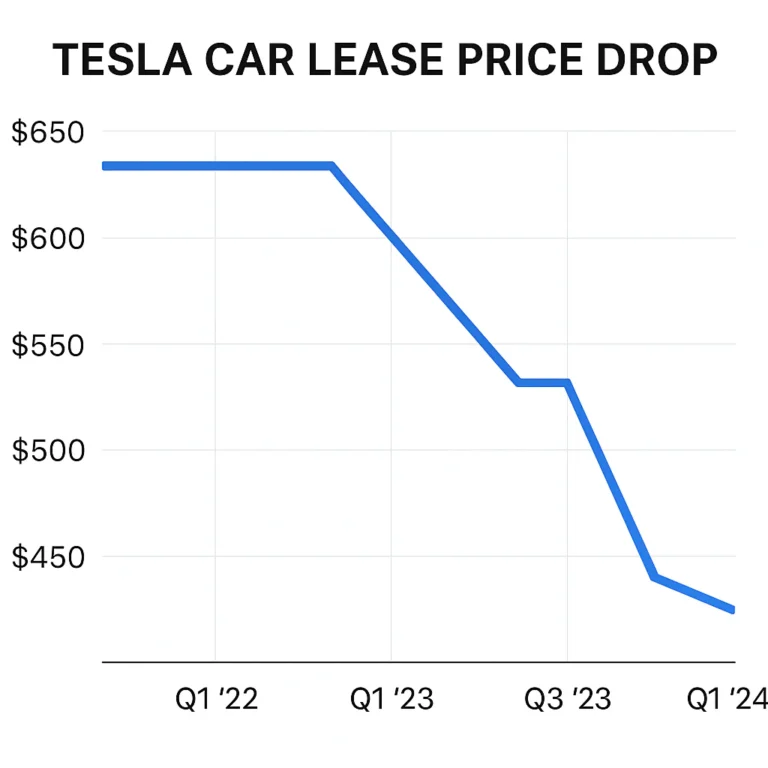
As of late 2025/early 2026, the entry-level Standard Range trims for the Model 3 and Model Y are often unavailable for lease. The deals that are available are for the Long Range or Performance trims, pushing the monthly payment closer to $39-$49.
- The Good:
Supercharger Network: Still the gold standard for road trips.
Software: The OTA updates and Autopilot features are unmatched.
Resale Value: Teslas hold their value better than almost any other EV. - The Bad:
Price: The “affordable” label is slipping. You’re paying a premium for the brand and the network.
Build Quality: Panel gaps and interior rattles are still a common complaint.
The Verdict:
If you can find a deal under $40, it’s a strong contender. But if you’re looking for the absolute lowest entry price, the Hyundai or Kia might be a better bet.
Check Price on:
4. The Family Hauler: Chevrolet Bolt EV/EUV Lease Deals
Wait, isn’t the Bolt dead? Not quite. While GM has paused production for a battery plant upgrade, they are still clearing out inventory with agressive lease deals.
The Deal:
The Chevrolet Bolt EV and Bolt EUV are seeing effective monthly costs as low as $259 (with some deals as low as $429 due at signing).
- The Good:
Price: Unbeatable value for the money.
Range: 259 miles (EV) and 247 miles (EUV) is solid for a car this size.
Cargo: The EUV offers a surprisingly spacious trunk. - The Bad:
Charging Speed: It uses a slower 50kW DC fast charger. It takes longer top up on the road.
Future Proofing: Since production is paused, you won’t get a 2027 model. You’re buying into the current generation.
Who is this for?
Second-car buyers or families who need a reliable, cheap daily driver and don’t plan on taking it on long road trips often.
Check Price on:
5. The Stylish Sleeper: Volkswagen ID.4 Lease Incentives
The VW ID.4 has come a long way since its launch. The software issues have been mostly ironed out, and the lease deals are now very competitive.
The Deal:
Look for the 2025/2026 VW ID.4 Pro with payments around $29/month.
- The Good:
Ride Comfort: It rides like a traditional German sedan—smooth and planted.
Interior: Clean, minimalist, and high-quality materials.
Space: Great rear legroom and a decent trunk. - The Bad:
Touch Controls: VW’s reliance on touch sliders for volume and climate control is still a polarizing feature.
Charging: While improved, it’s not as fast as the Hyundai/Kia 80V systems.
Who is this for?
Drivers who want a traditional car feel with electric power and don’t want to deal with the “tech-heavy” interface of some competitors.
Check Price on:
6. The Tech-Forward Choice: Ford Mustang Mach-E Lease Options
The Mustang Mach-E is the car that made EVs cool for the masses. It’s sporty, fast, and looks the part.
The Deal:
The 2025 Ford Mustang Mach-E Select RWD can be leased for around $219/month (with ~$4,49 due at signing).
- The Good:
Performance: The GT version is a rocket ship. Even the base model is peppy.
Tech: The SYNC 4A system is one of the best in the industry.
Charging: Access to the BlueOval Charge Network (including Electrify America) is a huge plus. - The Bad:
Ride Quality: It can be a bit firm, especially on the GT trim.
Range: The RWD version is good, but the AWD versions eat up range quickly.
Who is this for?
Driving enthusiasts who want the thrill of an electric motor with the badge of a Mustang.
Check Price on:
7. The Suburban Savior: Nissan Ariya Lease Promotions
The Nissan Ariya is the spiritual successor to the Leaf, but with a much more premium feel.
The Deal:
The 2026 Nissan Ariya is seeing deals around $349/month.
- The Good:
Interior: It feels like a luxury lounge. The “zero-gravity” seats are amazing.
Tech: Dual 12.3-inch screens and a very intuitive interface.
Design: It looks futuristic without being weird. - The Bad:
Charging Speed: It’s decent, but not class-leading.
Availability: Inventory can be spotty depending on your region.
Who is this for?
Tech lovers who want a premium interior without paying luxury brand prices.
Check Price on:
8. The Luxury Lite: Genesis GV60 Lease Considerations
Want to feel rich without the rich price tag? The Genesis GV60 is the answer.
The Deal:
Lease deals for the GV60 Advanced hover around $389-$450/month.
- The Good:
Luxury: The interior materials and build quality are top-tier.
Performance: The “Boost Mode” button is a fun party trick.
Platform: Shares the E-GMP platform with the Ioniq 5, so charging is fast. - The Bad:
Price: It’s pricier than the Ioniq 5, even on lease.
Ride: Can be a bit stiff in Sport mode.
Who is this for?
Those who want a luxury badge and a premium experience but are price-sensitive.
Check Price on:
9. The Rugged Contender: Rivian R1T/R1S Lease Availability
Okay, this one is a stretch for “affordable,” but we have to mention it because the Rivian R1T and R1S are the kings of the electric truck/SUV world.
The Deal:
Lease payments start around $1,079/month for the R1T and $1,549/month for the R1S.
- The Good:
Capability: 7,70 lbs towing, 1,0 lbs payload (R1T), and off-road modes that are actually useful.
Range: The Large Battery pack offers 30+ miles.
Gear Tunnel: The R1T has a unique storage tunnel between the cab and bed. - The Bad:
Cost: It’s not “affordable” for most, but it’s the best deal in the premium segment.
Complexity: So many features it can be overwhelming.
Who is this for?
Adventurers who need a truck that can tow a boat and camp in the woods.
Check Price on:
10. The Wildcard: Emerging Brands and Upcoming Lease Launches
The market is evolving. Brands like Lucid, Polestar, and Cadillac are entering the fray with aggressive lease terms to clear inventory.
- Cadillac Optiq: A new entry-level luxury SUV with lease deals around $419/month.
- Polestar 4: A “SUV Coupe” with no rear window, offering unique style for around $59/month.
- Toyota bZ4X: With a low signing cost of $2,139, it’s a wildcard for those who hate big down payments.
Who is this for?
Early adopters who want to try something new and different.
Check Price on:
💰 Decoding the Fine Print: How to Calculate True Lease Costs
So, you see a sign that says “$19/month”. You walk into the dealership, and suddenly you’re being asked for $5,0 to drive off the lot. What happened?
Welcome to the world of lease math. It’s not just about the monthly payment; it’s about the Total Cash Due at Signing.
The Lease Equation
A lease payment is calculated based on three main factors:
- Capitalized Cost (Cap Cost): The negotiated price of the car.
- Residual Value: The estimated value of the car at the end of the lease.
- Money Factor: The interest rate (usually expressed as a decimal, e.g., 0.0125).
The Formula:
Monthly Payment = (Depreciation Fee) + (Finance Fee)
- Depreciation Fee: (Cap Cost – Residual Value) / Lease Term
- Finance Fee: (Cap Cost + Residual Value) * Money Factor
The “Drive-Off” Trap
Dealers often advertise a low monthly payment by assuming a $0 down payment. But in reality, they might add the first month’s payment, acquisition fees, registration, and taxes to the “Due at Signing” amount.
What to ask for:
Always ask for the “Total Cash Due at Signing”. This includes:
- First month’s payment
- Security deposit (if applicable)
- Acquisition fee
- Registration and title fees
- Taxes
Pro Tip: If the dealer says “We can’t change the monthly payment,” ask them to lower the Cap Cost. A lower Cap Cost lowers both the depreciation fee and the finance fee, reducing your monthly payment and your due at signing.
Understanding the Money Factor
The Money Factor is the lease equivalent of an interest rate. To get the APR, multiply the money factor by 2,40.
- Example: A money factor of 0.0125 = 3.0% APR.
- Example: A money factor of 0.0250 = 6.0% APR.
Why it matters:
A high money factor can add hundreds of dollars to your total lease cost. Always check your credit score and negotiate the money factor if you have excellent credit.
🏛️ Navigating Federal and State Incentives for EV Leases
This is where the magic happens. The $7,50 federal tax credit is the secret sauce behind many of these affordable leases.
The Commercial Credit Lophole
As mentioned earlier, when you buy an EV, you must meet strict criteria:
- Income limits (under $150k for singles, $30k for couples).
- Vehicle assembly in North America.
- Battery mineral sourcing requirements.
But when you lease, the dealership is the “buyer.” They claim the Commercial Vehicle Tax Credit, which has no income limits and fewer battery restrictions. They then pass this $7,50 savings to you as a lease cash incentive.
The Catch:
This loophole is under threat. Congress is considering closing it. If they do, these deals could disappear overnight.
State Incentives
Don’t forget about state-level incentives!
- California: The Clean Vehicle Rebate Project (CVRP) offers up to $2,0 for EV leases.
- Colorado: Offers a $5,0 tax credit for EV leases.
- New York: The Drive Clean Rebate offers up to $2,0.
How to claim them:
Most state incentives are applied at the dealership as a point-of-sale rebate, meaning you don’t have to wait until tax season to get the money.
Check Your State:
📉 Understanding Residual Values and Money Factors in EV Leasing
If you want to be a lease pro, you need to understand Residual Values and Money Factors.
Residual Values
The Residual Value is what the leasing company thinks the car will be worth at the end of the lease.
- High Residual: The car holds its value well. This means lower monthly payments.
- Low Residual: The car depreciates fast. This means higher monthly payments.
Why EVs are tricky:
EV technology is changing fast. A 2024 EV might have half the range of a 2026 model. This makes predicting residual values difficult. Manufacturers often inflate residual values to lower lease payments, but this can backfire if the car doesn’t hold its value in the used market.
Money Factors
As discussed, the Money Factor is your interest rate.
- Good Credit (720+): You might get a money factor of 0.0125 (3% APR).
- Average Credit (650-719): You might get 0.0250 (6% APR).
- Poor Credit (<650): You might get 0.040+ (9.6% APR) or be denied.
Negotiation Tip:
You can negotiate the Money Factor just like you negotiate the price of a car. If you have excellent credit, ask for the buy rate (the lowest rate the bank will offer).
🔋 Range Anxiety vs. Lease Terms: Finding the Sweet Spot
One of the biggest fears for EV newbies is Range Anxiety. But how does it affect your lease?
The Mileage Trap
Most affordable leases come with 10,0 miles/year. If you drive 15,0 miles, you’ll pay $0.15 to $0.25 per mile for the excess.
- Example: 5,0 excess miles * $0.20 = $1,0 penalty at the end of the lease.
The Solution:
If you drive a lot, look for leases with 12,0 or 15,0 miles/year. It might cost a bit more upfront, but it’s cheaper than the penalty.
Range Reality
Don’t just look at the EPA range. Look at real-world range.
- Highway Driving: EVs lose 20-30% of their range at 70+ mph.
- Cold Weather: In winter, range can drop by 30-40%.
The Sweet Spot:
For most people, a 250-30 mile range is the sweet spot. It covers most daily commutes and allows for a road trip with a 30-minute charging stop.
Pro Tip: Use apps like A Better Routeplanner (ABRP) to check real-world range for your specific driving habits before signing.
🛠️ Maintenance, Insurance, and Hidden Costs of Leasing an EV
Leasing an EV isn’t just about the monthly payment. There are hidden costs you need to factor in.
Maintenance
EVs have fewer moving parts than gas cars, so maintenance is cheaper.
- No Oil Changes: Ever.
- Brake Pads: Last longer due to regenerative braking.
- Tires: EVs are heavy and have instant torque, so tires wear out faster. Budget for premium tires.
Insurance
EV insurance is often higher than gas cars.
- Why? Repairs are expensive, and parts are specialized.
- Tip: Shop around. Some insurers offer discounts for EVs.
Hidden Costs
- Home Charging: You might need to install a Level 2 charger ($50-$1,0).
- Public Charging: If you don’t have home charging, public charging can be expensive.
- Gap Insurance: Most leases include gap insurance, but check your contract.
🔄 Buyout Options: When to Keep Your Leased EV and When to Walk Away
At the end of your lease, you have two choices: Walk Away or Buy the Car.
When to Walk Away
- Technology is outdated: If a new model with double the range is out, walking away makes sense.
- High mileage fees: If you drove too much, it might be cheaper to walk away.
- Wear and tear: If the car is damaged, you’ll pay for it.
When to Buy
- Great residual value: If the car is worth more than the buyout price, you can sell it for a profit.
- Love the car: If you’re happy with it, buying it can be cheaper than leasing a new one.
- No more lease payments: You own the car and have no monthly payments.
How to decide:
Check the residual value at the end of your lease. If the market value is higher than the buyout price, buy it and sell it. If it’s lower, walk away.
🤝 Negotiating Like a Pro: Tips for Securing the Best EV Lease Deal
Ready to seal the deal? Here’s how to negotiate like a Car Leases™ expert.
- Do Your Homework: Know the Cap Cost, Residual Value, and Money Factor before you walk in.
- Negotiate the Cap Cost: Don’t negotiate the monthly payment. Negotiate the price of the car.
- Ask for Lease Cash: Many dealers have lease cash incentives that aren’t advertised. Ask for them.
- Bring a Competitor’s Offer: If another dealer offers a better deal, use it as leverage.
- Read the Contract: Check for hidden fees and excess mileage charges.
Pro Tip: If the dealer says “This is the best deal,” ask for a copy of the contract and take it home to review. You have time to think.
❓ Frequently Asked Questions About Affordable Electric Vehicle Leases
Q: Can I lease an EV with bad credit?
A: It’s difficult, but not impossible. You might need a larger down payment or a co-signer.
Q: Are lease deals the same everywhere?
A: No. Deals vary by region, inventory, and state incentives.
Q: What happens if the tax credit loophole closes?
A: If Congress closes the loophole, lease payments will likely increase significantly.
Q: Can I return my leased EV early?
A: Yes, but it usually costs a lot of money. Look for lease transfer programs like Swapalease.
Q: Do I need home charging to lease an EV?
A: No, but it’s highly recommended. Public charging can be expensive and inconvenient.
Q: What is the best time of year to lease an EV?
A: End of the month, end of the quarter, and end of the year are usually the best times to negotiate.
🔗 Recommended Links and Resources
- Car Lease Basics
- Latest Car Lease Deals
- Electric Vehicle Leases
- Auto Financing Options
- Best Lease Terms
- Tesla Model 3 Lease Guide
- AFDC State Incentives
- PlugInAmerica State Incentives
- A Better Routeplanner (ABRP)
📚 Reference Links and Data Sources
- CarBuzz: Current Best EV Lease Deals
- Electrek: Best EV Lease Deals October 2025
- Edmunds: EV Lease Deals
- TrueCar: EV Lease Offers
- U.S. Department of Energy: Inflation Reduction Act
- Consumer Reports: EV Lease Guide
- Keley Blue Book: EV Residual Values
🏁 Conclusion: Is Leasing the Smartest Move for Your Electric Future?

We’ve taken a deep dive into the electric universe, from the Hyundai Ioniq 5‘s spacious interior to the Tesla Model 3‘s Supercharger dominance. We’ve decoded the math, exposed the loopholes, and even tackled the dreaded “mileage penalty.” So, where does that leave you?
The Verdict:
If you are looking for affordable electric vehicle leases right now, the answer is a resounding YES, but with a massive asterisk: Act Fast.
The current market is a perfect storm of high inventory, aggressive manufacturer incentives, and the $7,50 federal commercial tax credit loophole. This combination has created a “golden window” where leasing an EV is often cheaper than leasing a comparable gas car. However, as we discussed, this window is fragile. With Congress eyeing the closure of the commercial credit loophole and manufacturers recalibrating residual values, these deals could vanish or double in price by the end of the year.
🚗 The Final Recommendation
- For the Budget-Conscious Family: The Hyundai Ioniq 5 or Kia Niro EV are your best bets. They offer the perfect blend of low monthly payments, long range, and practical space.
- For the Tech Enthusiast: If you can stretch your budget slightly, the Tesla Model 3 (if you can find a deal) or the Ford Mustang Mach-E offers the best software and charging ecosystem.
- For the Urban Commuter: The Chevrolet Bolt EV or Kia Niro provide unbeatable value for city driving where range anxiety is less of a concern.
Don’t wait. The narrative we started with about the “closing window” is real. If you find a deal that fits your budget and lifestyle, negotiate the Cap Cost, verify the Total Cash Due at Signing, and get it signed. The future of driving is electric, and right now, it’s surprisingly affordable.
🔗 Recommended Links and Resources
Ready to start your search? Here are the best places to find the deals we discussed.
👉 Shop Top EV Lease Deals:
- Hyundai Ioniq 5: Hyundai Official Lease Offers | Edmunds Ioniq 5 Lease Deals | TrueCar Ioniq 5
- Kia Niro EV: Kia Official Lease Offers | CarAndDriver Niro EV | AutoTrader Niro EV
- Tesla Model 3: Tesla Official Lease Offers | Edmunds Tesla Model 3 | CarLeases.org Tesla Model 3 Guide
- Ford Mustang Mach-E: Ford Official Lease Offers | Edmunds Mach-E | TrueCar Mach-E
- Chevrolet Bolt EV: Chevy Official Lease Offers | Edmunds Bolt EV | AutoTrader Bolt EV
- Volkswagen ID.4: VW Official Lease Offers | Edmunds ID.4 | TrueCar ID.4
- Nissan Ariya: Nissan Official Lease Offers | Edmunds Ariya | AutoTrader Ariya
- Genesis GV60: Genesis Official Lease Offers | Edmunds GV60 | TrueCar GV60
- Rivian R1T/R1S: Rivian Official Lease Offers | Edmunds Rivian | AutoTrader Rivian
Tools & Calculators:
- A Better Routeplanner (ABRP) – Plan your road trips with real-world range estimates.
- AFDC State Incentives – Check for state-specific rebates and tax credits.
- PlugInAmerica State Incentives – Find local incentives for EV owners.
❓ Frequently Asked Questions About Affordable Electric Vehicle Leases
What should I look for in an affordable electric vehicle lease agreement?
When reviewing a lease agreement, look beyond the monthly payment. Focus on the Total Cash Due at Signing, which includes the first payment, acquisition fee, registration, and taxes. Ensure the mileage allowance (usually 10,0 or 12,0 miles/year) matches your driving habits to avoid steep excess mileage fees. Also, check the money factor (interest rate) and verify if the $7,50 federal tax credit is being applied as a lease cash incentive.
Can I negotiate the price of an electric vehicle lease?
Absolutely. While the monthly payment is often advertised as fixed, the Capitalized Cost (Cap Cost) is negotiable. By lowering the Cap Cost, you reduce the depreciation fee and the finance fee, which lowers your monthly payment. You can also negotiate the money factor if you have excellent credit. Always ask for the “out-the-door” price and be prepared to walk away if the deal doesn’t meet your expectations.
Which electric vehicles have the lowest lease rates?
Currently, the Hyundai Ioniq 5, Kia Niro EV, and Chevrolet Bolt EV consistently offer the lowest lease rates, often starting under $250/month. The Ford Mustang Mach-E and Volkswagen ID.4 also frequently appear in the sub-$30 range. These brands are using aggressive incentives to clear inventory and gain market share.
What is the average monthly cost of an affordable electric vehicle lease?
The average monthly cost for an affordable EV lease typically ranges from $250 to $40, depending on the vehicle, term length, and mileage allowance. However, with current incentives, some deals can dip as low as $189/month for specific trims and regions. Keep in mind that “affordable” is relative; luxury EVs like the Lucid Air or Rivian R1S can exceed $1,0/month.
Are there special incentives for leasing electric cars?
Yes. The most significant incentive is the $7,50 federal commercial tax credit, which dealerships claim and pass on to you as a lease cash incentive. Additionally, many states offer rebates (e.g., California’s CVRP, Colorado’s tax credit) and utility companies may provide discounts on electricity or home charging installation.
What are the best affordable electric vehicle lease deals available right now?
As of early 2026, the top deals include:
- Hyundai Ioniq 5 SE: ~$269/month
- Kia Niro EV Wind: ~$239/month
- Chevrolet Equinox EV: ~$259/month
- Ford Mustang Mach-E Select: ~$219/month
- Hyundai Ioniq 6 SE: ~$189/month
- Toyota bZ4X: ~$39/month (with low signing cost)
What is the cheapest electric vehicle available for lease right now?
The Hyundai Ioniq 6 SE and Hyundai Ioniq 5 SE are currently among the cheapest, with effective monthly costs around $189-$269. The Chevrolet Bolt EV also remains a strong contender for the lowest upfront cost, with some deals requiring as little as $429 due at signing.
Are there federal tax credits for leasing an electric vehicle in 2024/2025?
Yes, but with a caveat. The $7,50 federal tax credit is available for leased EVs through the commercial vehicle credit loophole. This allows dealerships to claim the credit regardless of the buyer’s income or the vehicle’s battery sourcing, passing the savings to the lesee. However, this loophole is under legislative review and could be closed in the future.
Which EV lease deals include free home charging installation?
Some manufacturers, like Ford, have occasionally offered free home charging station installation or a bonus cash incentive if you already own a charger. These offers are often limited-time promotions and vary by region. Always ask your dealer about current charging incentives when negotiating your lease.
How do electric vehicle lease payments compare to gas car leases?
Historically, EV leases were more expensive due to higher vehicle prices. However, with current incentives, EV lease payments are often comparable to or even lower than gas car leases for similar-sized vehicles. The $7,50 tax credit and lower maintenance costs (no oil changes, fewer brake replacements) make EVs a financially attractive option.
What are the best electric vehicle lease incentives for low-income buyers?
While the federal tax credit has income limits for buyers, the commercial lease credit has no income limits, making it accessible to low-income buyers. Additionally, some states and utility companies offer low-income rebates or discounted electricity rates for EV owners. Check local programs for specific eligibility.
Are there any hidden fees when leasing an affordable electric car?
Yes, be wary of:
- Acquisition Fees: A fee charged by the leasing company (often $50-$1,0).
- Disposition Fees: Charged if you return the car with excess wear and tear or mileage.
- Excess Mileage Fees: Typically $0.15-$0.25 per mile over the limit.
- Taxes and Registration: Often rolled into the “due at signing” amount.
Always request a full breakdown of all fees before signing.
How do I calculate the true cost of an EV lease?
To calculate the true cost, add the monthly payment multiplied by the lease term to the Total Cash Due at Signing. Then, add any estimated excess mileage fees or disposition fees if applicable. This gives you the Total Cost of Ownership for the lease period.
Can I transfer my EV lease to someone else?
Yes, many leasing companies allow lease transfers through services like Swapalease or LeaseTrader. This can be a good option if you need to get out of a lease early, though there may be a transfer fee.
What happens if my leased EV is totaled?
If your leased EV is totaled, gap insurance (usually included in the lease) covers the difference between the car’s actual cash value and the remaining lease balance. You will not owe anything beyond the deductible.
📚 Reference Links and Data Sources
- Electrek: From $189 a month: 5 of the best EV lease deals in October [Updated]
- CarBuzz: Current Best EV Lease Deals
- U.S. Department of Energy: Inflation Reduction Act
- Consumer Reports: EV Lease Guide
- Keley Blue Book: EV Residual Values
- Edmunds: EV Lease Deals
- TrueCar: EV Lease Offers
- AFDC State Incentives
- PlugInAmerica State Incentives
- Hyundai USA
- Kia USA
- Tesla
- Ford
- Chevrolet
- Volkswagen
- Nissan
- Genesis
- Rivian