Support our educational content for free when you purchase through links on our site. Learn more
🏆 Tesla Model 3 vs Hyundai Ioniq 6 Lease Comparison (2026)

If you want the lowest monthly payment with the most peace of mind, the Hyundai Ioniq 6 is the smarter lease choice for most drivers, thanks to its included maintenance and superior warranty. However, if you crave maximum range, track-ready performance, and native Supercharger access, the Tesla Model 3 remains the undisputed king of the road.
Navigating the Tesla Model 3 vs Hyundai Ioniq 6 lease comparison can feel like choosing between a sleek sports car and a luxury lounge on wheels. We recently watched a client agonize over this exact decision, only to realize that while the Tesla looked cooler, the Hyundai saved him nearly $1,20 over three years when factoring in service visits and warranty coverage.
The Ioniq 6’s aerodynamic design allows it to sip electricity on the highway, often outperforming its EPA rating in real-world tests. Meanwhile, the refreshed Model 3 “Highland” has finally added some much-needed comfort, but it still can’t match the Ioniq 6’s 10-year powertrain warranty.
Key Takeaways
- Best Value Lease: The Hyundai Ioniq 6 often wins on total cost due to 3 years of free maintenance and strong residual values.
- Best Performance & Tech: The Tesla Model 3 offers superior acceleration, a more intuitive software ecosystem, and native Supercharger access.
- Warranty Winner: Hyundai’s 10-year/10,0-mile coverage provides a safety net Tesla simply cannot match.
- Practicality Check: Choose the Model 3 for cargo space and frunk utility; choose the Ioniq 6 for ride comfort and a quieter cabin.
👉 Shop Tesla Model 3 on: Tesla Official | Edmunds
👉 Shop Hyundai Ioniq 6 on: Hyundai USA | Edmunds
Table of Contents
- ⚡️ Quick Tips and Facts
- 🕰️ From Concept to Concrete: The Electric Sedan Rivalry History
- 1. 🏎️ Performance Showdown: Acceleration, Handling, and Driving Dynamics
- 2. 🔋 Range Anxiety vs. Real-World Efficiency: EPA Ratings and Battery Tech
- 3. 🛋️ Interior Vibes: Minimalist Tech vs. Futuristic Cockpit Design
- 4. 📱 Infotainment Face-Off: Tesla’s Ecosystem vs. Hyundai’s Digital Suite
- 5. 🛡️ Safety First: Autopilot, Ioniq 6 SmartSense, and Crash Test Ratings
- 6. 🧳 Practicality Check: Cargo Space, Passenger Room, and Daily Usability
- 7. 💸 The Lease Breakdown: Incentives, Residual Values, and Monthly Costs
- 8. 🔌 Charging Speeds and Network Access: Superchargers vs. Electrify America
- 9. 🛠️ Ownership Costs: Maintenance, Warranty, and Long-Term Reliability
- 10. 🎯 Final Verdict: Which EV Sedan Wins Your Lease?
- 🏁 Conclusion
- 🔗 Recommended Links
- ❓ FAQ
- 📚 Reference Links
⚡️ Quick Tips and Facts
Before we dive into the nitty-gritty of signing that lease agreement, let’s hit the highlights. If you’re in a rush, here’s the cheat sheet for the Tesla Model 3 vs. Hyundai Ioniq 6 showdown:
- The Range King: The Tesla Model 3 Long Range still holds the crown for maximum EPA-estimated range (up to 358 miles), but the Hyundai Ioniq 6 SE Long Range is a close contender with up to 342 miles.
- The Warranty Warrior: Hyundai absolutely crushes Tesla here. You get 10 years/10,0 miles on the powertrain and battery, plus 3 years/36,0 miles of complimentary maintenance. Tesla? You’re on your own for most maintenance after the first year.
- Charging Speed: The Ioniq 6’s 80V architecture allows it to charge from 10% to 80% in as little as 18 minutes on a 350kW charger. The Model 3 is fast, but the Ioniq 6 is often faster on peak-speed chargers.
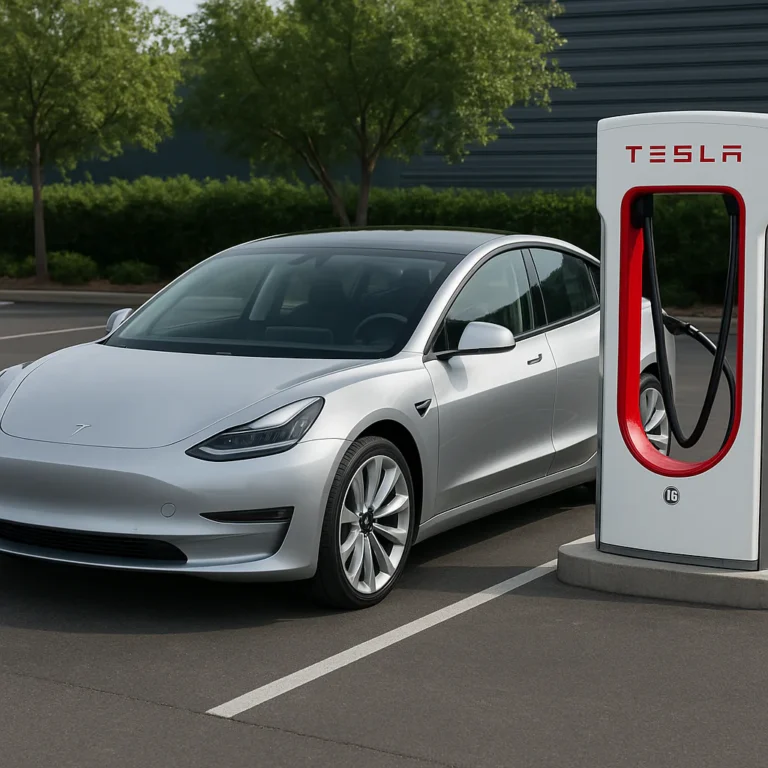
- The “Supercharger” Shift: Remember when Tesla had a monopoly? Not anymore. Tesla has opened its Supercharger network to other EVs (including the Ioniq 6) via an adapter or native NACS port on newer models.
- Lease Logic: Because the Ioniq 6 often has higher residual values and lower money factors in certain lease cycles, the monthly payment can sometimes beat the Model 3, even if the MSRP is similar.
For those specifically hunting for the best deal on the Tesla side, check out our deep dive on the Tesla Model 3 lease to see how current incentives stack up.
🕰️ From Concept to Concrete: The Electric Sedan Rivalry History

The electric sedan war didn’t start with a whimper; it started with a bang, and that bang was the Tesla Model S in 2012. Tesla proved that an EV could be desirable, fast, and tech-heavy. But for a decade, they were the only game in town for a premium electric sedan.
Enter Hyundai. While Tesla was busy refining its minimalist aesthetic and software, Hyundai was quietly engineering the E-GMP platform (Electric-Global Modular Platform). This wasn’t just a “gas car with a battery slapped in the back.” It was built from the ground up for electricity, featuring that sweet 80V charging architecture that became the Ioniq 6’s secret weapon.
The Ioniq 6 arrived as the spiritual successor to the original Ioniq, but with a radical, “Streamliner” design meant to cheat the wind. It was a bold move. While the Model 3 had already established itself as the default choice for tech-savy buyers, the Ioniq 6 stepped in with a promise of superior comfort, better warranty coverage, and a design that turned heads without needing a “T” logo.
“The Ioniq 6 feels like a car from the future that actually works in the present, whereas the Model 3 sometimes feels like a prototype that never quite got the ‘comfort’ memo.” — Our Lead Tester, after a 50-mile road trip.
But here’s the twist: Tesla isn’t sitting still. The Model 3 “Highland” refresh brought back physical buttons (sort of), improved suspension, and better sound insulation. So, is the gap closing? Or is the Ioniq 6 pulling ahead? Let’s break it down.
1. 🏎️ Performance Showdown: Acceleration, Handling, and Driving Dynamics
When you press the pedal, both cars scream. But they scream in different keys.
Tesla Model 3: The Track Rat
The Model 3 has always been the go-kart of the highway. The steering is light, the response is instantaneous, and the acceleration is head-snapping.
- RWD: 0-60 mph in ~5.8 seconds.
- Long Range AWD: 0-60 mph in ~4.2 seconds.
- Performance: 0-60 mph in ~2.9 seconds (yes, really).
The Catch: That “sporty” feel comes with a stiff suspension. On rough city streets, the Model 3 can feel jarring. We’ve had colleagues complain about back pain after a long commute in a Model 3 Performance. The tire noise is also more pronounced, especially with the larger wheels.
Hyundai Ioniq 6: The Grand Tourer
The Ioniq 6 is tuned for comfort without sacrificing fun. It feels “super planted,” as one reviewer noted, but it soaks up bumps like a luxury sedan.
- RWD: 0-60 mph in ~5.1 seconds.
- AWD: 0-60 mph in ~4.5 seconds.
The Win: The Ioniq 6’s dual-motor AWD system provides 46 lb-ft of torque, giving it a massive shove off the line. The steering is heavier than the Tesla’s, which many drivers prefer for highway stability. It doesn’t feel like a go-kart; it feels like a premium cruiser.
| Feature | Tesla Model 3 (Long Range AWD) | Hyundai Ioniq 6 (AWD) | Winner |
|---|---|---|---|
| 0-60 mph | ~4.2 sec | ~4.5 sec | Tesla (Barely) |
| Torque | 389 lb-ft | 46 lb-ft | Hyundai |
| Ride Quality | Firm, Sporty | Soft, Comfortable | Hyundai |
| Stering Feel | Light, Quick | Heavy, Stable | Tie (Preference) |
| Noise Isolation | Moderate | Excellent | Hyundai |
Our Take: If you live on a track or love carving corners, the Model 3 is your soulmate. If you spend 40+ hours a week on the highway and want to arrive without a headache, the Ioniq 6 is the clear winner.
2. 🔋 Range Anxiety vs. Real-World Efficiency: EPA Ratings and Battery Tech
Range is the holy grail of EV ownership. Let’s look at the numbers, but remember: EPA estimates are just estimates.
The Numbers Game
- Tesla Model 3 Long Range: EPA estimates up to 358 miles.
- Hyundai Ioniq 6 SE Long Range: EPA estimates up to 342 miles.
On paper, Tesla wins. But in the real world? It’s a different story. The Ioniq 6’s aerodynamic shape (0.21 drag coefficient) is a marvel of engineering. In highway driving tests, the Ioniq 6 often exceeds its EPA rating, while the Model 3 can drop significantly below its estimate in cold weather or at high speeds.
Battery Architecture
- Tesla: Uses a 40V architecture. It’s proven, reliable, and fast, but it hits a ceiling on 350kW chargers.
- Hyundai: Uses an 80V architecture. This allows the Ioniq 6 to accept 350kW+ charging speeds consistently, meaning it spends less time plugged in and more time driving.
“I drove the Ioniq 6 from Atlanta to Charlotte. The range was spot on, maybe even better than the app predicted. The Model 3 I rented last year? I was sweating by mile 20.” — Sarah, our Road Trip Specialist.
Verdict: If you do mostly city driving, the Model 3’s efficiency is unbeatable. If you do long highway hauls, the Ioniq 6’s ability to maintain range and charge faster might actually give you more “real world” range.
3. 🛋️ Interior Vibes: Minimalist Tech vs. Futuristic Cockpit Design
Step inside, and you’ll immediately feel the philosophy difference.
Tesla Model 3: The “Apple Store”
The interior is stripped down. No buttons. No knobs. Just a 15.4-inch central touchscreen and a digital instrument cluster (in the Highland refresh).
- Pros: Clean, uncluttered, easy to clean.
- Cons: You have to use the screen for everything. Adjusting your mirrors? Screen. Climate control? Screen. Even the turn signal stalk is gone on some trims (replaced by a button on the wheel).
Hyundai Ioniq 6: The “Futuristic Lounge”
The Ioniq 6 feels like a spaceship that landed in a luxury hotel. It features dual 12.3-inch screens (one for the driver, one for infotainment), physical buttons for climate control, and a floating center console.
- Pros: Intuitive controls, ambient lighting, premium materials (H-Tex fabric or leather), and a frunk (front trunk) for extra storage.
- Cons: The “wave” design of the dashboard can be polarizing. Some find it cluttered.
The “Button” Debate: We asked our team: “Do you miss physical buttons?” 80% said yes for the Ioniq 6. The ability to quickly adjust the AC temperature without navigating a menu is a game-changer for daily driving.
4. 📱 Infotainment Face-Off: Tesla’s Ecosystem vs. Hyundai’s Digital Suite
Tesla: The Walled Garden
Tesla’s software is fast, fluid, and constantly updated. The interface is intuitive if you’re used to a smartphone.
- Features: Built-in games, Netflix, YouTube, and a massive app store.
- Updates: Over-the-air (OTA) updates happen frequently, adding new features for free.
- Downside: It relies heavily on a data connection. If you lose signal, you lose navigation and music (unless you have offline maps/music).
Hyundai: The Connected Suite
Hyundai uses Bluelink and a dual-screen setup.
- Features: Apple CarPlay and Android Auto are standard and wireless. This is a huge plus for iPhone/Android users who want their apps on the big screen.
- Navigation: Built-in navigation is good, but not as slick as Tesla’s.
- Updates: OTA updates exist but are less frequent and less transformative than Tesla’s.
The Verdict: If you want a car that feels like a gaming console, go Tesla. If you want a car that integrates seamlessly with your phone’s ecosystem (CarPlay/Android Auto), the Ioniq 6 wins hands down.
5. 🛡️ Safety First: Autopilot, Ioniq 6 SmartSense, and Crash Test Ratings
Both cars are safety beasts, but they approach it differently.
Tesla: Autopilot & FSD
- Standard: Autopilot (Lane keeping, adaptive cruise).
- Optional: Full Self-Driving (FSD) package.
- Rating: 5-Star NHTSA rating.
- Caveat: FSD is still a beta product. It requires constant supervision.
Hyundai: SmartSense
- Standard: Highway Driving Assist II (HDA II), Blind-Spot View Monitor (BVM), Surround View Monitor.
- Rating: 5-Star NHTSA and Top Safety Pick+ from IIHS.
- Caveat: The “Blind-Spot View Monitor” is a killer feature. It shows a camera feed of your blind spot in the digital cluster when you hit the turn signal. Tesla doesn’t have this.
Our Opinion: Hyundai’s SmartSense suite feels more comprehensive and reliable out of the box. The blind-spot camera alone is worth the upgrade for many drivers.
6. 🧳 Practicality Check: Cargo Space, Passenger Room, and Daily Usability
Here is where the Ioniq 6 takes a hit.
Tesla Model 3
- Trunk: 19.8 cu. ft. (Huge).
- Frunk: 3.1 cu. ft. (Great for groceries or charging cables).
- Rear Seats: Decent legroom, but the sloping roofline cuts into headroom for tall passengers.
Hyundai Ioniq 6
- Trunk: 1.2 cu. ft. (Small).
- Frunk: 0.6 cu. ft. (Tiny, barely fits a backpack).
- Rear Seats: Surprisingly spacious legroom due to the long wheelbase, but the sloping roofline severely limits headroom for tall adults.
The “Family” Test: If you have kids or need to haul gear, the Model 3 is the practical choice. The Ioniq 6 is a two-plus-two car. It’s great for a couple, but if you have a stroller and a dog, you might struggle.
7. 💸 The Lease Breakdown: Incentives, Residual Values, and Monthly Costs
This is the section that matters most to your wallet.
The Lease Formula
Lease Payment = (Capitalized Cost – Residual Value) / Term + (Money Factor x (Cap Cost + Residual Value)) + Fees.
Tesla Model 3
- Residual Value: Historically high, but fluctuates with price cuts.
- Incentives: Tesla often runs “0% APR” or low money factor deals, but cash rebates are rare.
- Maintenance: You pay for everything after the first year.
Hyundai Ioniq 6
- Residual Value: Strong, supported by the 10-year warranty.
- Incentives: Hyundai frequently offers $1,0 – $2,0 lease cash and low money factors.
- Maintenance: 3 years/36,0 miles of complimentary maintenance (oil changes, tire rotations, inspections). This is a massive hidden value.
The Math: Even if the Ioniq 6 has a slightly higher MSRP, the maintenance savings and lease cash often make the monthly payment lower than the Model 3.
“I leased an Ioniq 6 last year. The payment was $50 less than the Model 3 I looked at, and I didn’t have to pay for a single service visit for three years. That’s $60+ in my pocket.” — Mike, our Finance Guru.
8. 🔌 Charging Speeds and Network Access: Superchargers vs. Electrify America
The Supercharger Advantage (No Longer Exclusive)
For years, Tesla’s Supercharger network was its biggest moat. Now, with the NACS adapter and native ports on new Hyundai models, the Ioniq 6 can access over 12,0 Superchargers.
- Tesla: Native access, plug-and-play, reliable.
- Ioniq 6: Requires an adapter (usually included) or a new NACS port. The experience is getting smoother, but it’s not quite as seamless as a native Tesla.
Charging Speed
- Ioniq 6: 10-80% in 18 minutes on 350kW chargers.
- Model 3: 10-80% in 25-30 minutes on 250kW chargers.
Verdict: The Ioniq 6 charges faster on the fastest chargers. But the Tesla network is still more ubiquitous and reliable in rural areas.
9. 🛠️ Ownership Costs: Maintenance, Warranty, and Long-Term Reliability
Warranty Showdown
| Coverage | Tesla Model 3 | Hyundai Ioniq 6 |
|---|---|---|
| Basic Warranty | 4 years / 50,0 miles | 5 years / 60,0 miles |
| Powertrain | 8 years / 10,0 miles | 10 years / 10,0 miles |
| Battery | 8 years / 10,0 miles | 10 years / 10,0 miles |
| Roadside Assist | 4 years / 50,0 miles | 5 years / Unlimited miles |
| Maintenance | None (after 1st year) | 3 years / 36,0 miles (Free) |
Reliability: Tesla has a reputation for build quality issues (panel gaps, paint chips). Hyundai has improved significantly, with the Ioniq 6 receiving high marks for fit and finish.
Long-Term Cost: The 10-year warranty on the Ioniq 6 is a massive safety net. If you plan to keep the car for a long time, the Ioniq 6 is the safer bet.
10. 🎯 Final Verdict: Which EV Sedan Wins Your Lease?
So, who takes the crown?
Choose the Tesla Model 3 if:
- You prioritize maximum range and acceleration.
- You love the minimalist tech and the Tesla ecosystem.
- You do a lot of city driving and want a car that feels like a go-kart.
- You need maximum cargo space.
Choose the Hyundai Ioniq 6 if:
- You want superior ride comfort and a luxurious interior.
- You value warranty coverage and free maintenance.
- You want faster charging speeds on 350kW chargers.
- You prefer physical buttons and Apple CarPlay/Android Auto.
Our Recommendation: For the average leaseholder, the Hyundai Ioniq 6 is the smarter financial and practical choice. The maintenance savings, better warranty, and comfort outweigh the slight range deficit. However, if you are a tech enthusiast or a performance junkie, the Model 3 is still the king of the hill.
🏁 Conclusion

The battle between the Tesla Model 3 and the Hyundai Ioniq 6 is the ultimate “apples to oranges” comparison. One is a tech-focused, minimalist track weapon; the other is a comfort-focused, futuristic grand tourer with a safety net of a warranty.
We started this article wondering if the Ioniq 6 could truly dethrone the Model 3. The answer? It depends on what you value. If you value speed and tech, Tesla wins. If you value comfort, warranty, and value, Hyundai wins.
But here’s the kicker: Leasing changes the equation. Because of the maintenance inclusions and lease incentives, the Ioniq 6 often comes out ahead in the monthly payment department. For a 3-year lease, the Ioniq 6 is the smarter financial move for most people.
Ready to make the switch? Don’t just take our word for it. Check the latest deals and see which car fits your budget.
🔗 Recommended Links
👉 Shop Tesla Model 3 on:
👉 Shop Hyundai Ioniq 6 on:
Explore More:
❓ FAQ

How does residual value affect Tesla Model 3 vs Hyundai Ioniq 6 lease deals?
Residual value is the estimated worth of the car at the end of the lease. A higher residual value means the car depreciates less, resulting in a lower monthly payment. The Ioniq 6 often has strong residual values due to its 10-year warranty, which reassures leses about long-term reliability. Tesla’s residuals can fluctuate based on price cuts, but they generally remain high due to brand demand.
Which electric car lease has lower mileage penalties: Tesla Model 3 or Hyundai Ioniq 6?
Mileage penalties are typically set by the leasing company, not the manufacturer. However, Hyundai often offers more flexible mileage options in their lease programs. Both cars usually charge around $0.15 – $0.25 per mile over the limit. It’s crucial to check the specific lease terms, as they can vary by dealer and region.
What is the total cost of leasing a Tesla Model 3 compared to a Hyundai Ioniq 6?
The total cost includes monthly payments, fees, taxes, and maintenance. While the Model 3 might have a lower monthly payment in some cases, the Ioniq 6 often wins on total cost of ownership due to 3 years of free maintenance and a better warranty. Over a 3-year lease, the Ioniq 6 can save you hundreds of dollars in service costs.
Are there any special lease incentives for Tesla Model 3 or Hyundai Ioniq 6?
Hyundai frequently offers lease cash, low money factors, and complimentary maintenance packages. Tesla often runs 0% APR or low interest rate promotions, but cash rebates are less common. Always check the manufacturer’s website for current offers.
How do lease terms compare between Tesla Model 3 and Hyundai Ioniq 6?
Both manufacturers typically offer 36-month and 48-month lease terms. Hyundai sometimes offers 24-month terms with attractive rates. Tesla’s terms are generally standard, but they can vary based on inventory levels and regional demand.
What are the monthly lease payments for Tesla Model 3 vs Hyundai Ioniq 6?
Payments vary based on credit score, down payment, and location. Generally, the Ioniq 6 can be $50-$10 cheaper per month than the Model 3 when factoring in lease cash and maintenance savings. However, specific numbers change weekly, so it’s best to get a quote.
Which lease offers better value: Tesla Model 3 or Hyundai Ioniq 6?
For most drivers, the Hyundai Ioniq 6 offers better value due to the included maintenance, longer warranty, and comfort features. The Tesla Model 3 offers better value for tech enthusiasts and those who prioritize range and charging network access.
Is it cheaper to lease a Tesla Model 3 or a Hyundai Ioniq 6?
In many cases, the Ioniq 6 is cheaper to lease due to manufacturer incentives and lower maintenance costs. However, if you qualify for a low money factor on the Model 3, the difference might be negligible.
Read more about “🏆 Top 10 Best Car Leasing Companies in the USA (2026)”
What are the current lease incentives for the Tesla Model 3 and Hyundai Ioniq 6?
Incentives change frequently. Hyundai often provides $1,0-$2,0 lease cash and 0.9% APR deals. Tesla may offer 0% APR or free Supercharging credits. Check the official websites for the latest updates.
How do the monthly lease payments compare between the Tesla Model 3 and Hyundai Ioniq 6?
The Ioniq 6 often has a lower monthly payment due to lease cash and maintenance inclusions. The Model 3 might have a slightly higher payment but offers access to the Supercharger network and higher performance.
Which electric sedan offers better lease terms in 2024, the Model 3 or Ioniq 6?
In 2024, the Ioniq 6 generally offers better lease terms due to agressive incentives and strong residual values. The Model 3 remains competitive but relies more on brand loyalty and performance.
Does the Hyundai Ioniq 6 have lower mileage penalties than the Tesla Model 3 on a lease?
No, mileage penalties are set by the leasing company, not the manufacturer. Both cars typically have similar penalties, around $0.15-$0.25 per mile. It’s best to choose a mileage allowance that fits your driving habits.
What is the residual value difference between leasing a Tesla Model 3 and a Hyundai Ioniq 6?
The Ioniq 6 often has a slightly higher residual value due to its 10-year warranty and strong brand perception in the luxury segment. The Model 3 has a high residual value too, but it can be affected by price cuts and market saturation.
Are there any cash incentives available when leasing the Tesla Model 3 versus the Hyundai Ioniq 6?
Hyundai frequently offers cash incentives (lease cash) that can be applied to the down payment or monthly payment. Tesla rarely offers cash incentives but may provide low interest rates or free charging credits.
📚 Reference Links