Support our educational content for free when you purchase through links on our site. Learn more
🚫 Why Can’t You Buy a Model 3 After Lease? (2026)


You’ve spent three years falling in love with your Tesla Model 3. The instant torque, the silent glide, and the ever-evolving Autopilot have made every commute a joy. Now, the lease term is ticking down, and you’re ready to make it yours forever. You pick up the phone, ready to sign the papers, only to be hit with a wall of silence: “Sorry, that’s not an option.” It feels like a betrayal, doesn’t it? You aren’t alone. Thousands of leses hit this same brick wall every year, wondering why a company that champions “ownership” of the future seems to lock the door on the present.
The truth is more strategic than it is personal. Tesla operates on a unique closed-end lease model designed to keep their inventory flowing and their Certified Pre-Owned (CPO) program thriving. Unlike traditional automakers where a local dealer might happily sell you the car you’ve been driving, Tesla retains the right to sell that vehicle to the highest bidder—often for significantly more than your residual value. But before you resign yourself to returning your keys, there’s a clever, albeit complex, loophole involving third-party dealers that could still let you keep your ride. We’ll break down exactly how this works, the financial traps to avoid, and the step-by-step guide to potentially buying your Model 3 against the odds.
Key Takeaways
- Tesla blocks direct buyouts: Unlike most competitors, Tesla does not offer a purchase option to leses at the end of a standard closed-end lease.
- The “Third-Party” Lophole exists: You can still buy the car if a third-party dealer purchases it from Tesla and resells it to you, though this often comes with a markup.
- Market value is king: Always compare the lease residual value against current market prices; if the market is lower, walking away is the smarter financial move.
- Early buyouts are possible: You may be able to purchase the vehicle before the lease ends by contacting Tesla Finance for a payoff quote, subject to fees and financing approval.
- Don’t skip the inspection: If you return the car, expect strict wear-and-tear and mileage penalties that can cost hundreds of dollars.
Table of Contents
- ⚡️ Quick Tips and Facts
- 🕰️ The Tesla Lease History: How We Got Here
- 🚫 The Hard Truth: Why You Can’t Buy a Model 3 After a Lease
- 📜 Decoding the Fine Print: Understanding Tesla’s Closed-End Lease Structure
- 💰 The Financial Breakdown: Residual Values vs. Market Reality
- 🔄 Your Options: What Actually Happens When Your Lease Ends?
- 🚗 The Third-Party Buyout: Can You Purchase from the Dealer Instead?
- 🆚 Leasing vs. Buying: Which Path is Best for Your Wallet?
- 🛠️ Common Lease End Scenarios and How to Handle Them
- 💡 Expert Tips for Maximizing Value at Lease Termination
- 📊 Comparison: Tesla Model 3 Lease Terms vs. Competitor EV Leases
- 🧐 Frequently Asked Questions About Tesla Model 3 Lease Buyouts
- 🔗 Recommended Links for Lease End Assistance
- 📚 Reference Links and Sources
- 🏁 Conclusion: The Final Word on Model 3 Ownership
⚡️ Quick Tips and Facts
Before we dive into the deep end of the Tesla leasing pool, let’s hit the high notes. If you’re here because you’re staring at a lease contract and wondering why the “Buy Now” button is missing, you aren’t alone. Here is the TL;DR for the impatient (and the curious):
- The Hard Rule: Tesla generally does not offer a direct buyout option to the lesee at the end of a standard closed-end lease. Unlike Ford or GM, you can’t just walk into a Tesla Service Center and sign over a check to keep the car.
- The “Why”: It’s a strategic business decision. Tesla wants to keep the inventory flowing, manage residual values tightly, and often sell the returned cars through their own certified pre-owned (CPO) program at a premium.
- The Lophole: While you can’t buy it directly from Tesla, you can buy it from a third-party dealer who purchases the car from Tesla, or you can arrange an early buyout (with caveats) before the lease ends.
- The Cost: If you do manage to buy it, the price is the Residual Value set at the start of the lease, plus any fees, taxes, and potentially a “buyout fee.”
- The Reality Check: Sometimes, the residual value is higher than the market value, meaning you might be overpaying to keep a car you could buy cheaper elsewhere.
For a deeper dive into the specific mechanics of this restriction, check out our dedicated guide on Why is Model 3 not available after lease?.
🕰️ The Tesla Lease History: How We Got Here

To understand why you can’t just buy your Model 3 at the end of the lease, we have to look at how Tesla disrupted the entire automotive ecosystem. When Tesla launched the Model S, they didn’t just sell cars; they sold a subscription to the future.
The Shift from Traditional Dealerships
Traditional automakers (the “Big Three” and the European luxury brands) rely on a franchise model. They sell cars to dealers, and the dealers handle the leases. At the end of the lease, the dealer has a vested interest in selling that car to the lesee because it keeps the customer in the family and generates service revenue.
Tesla, however, operates on a Direct-to-Consumer (DTC) model. There are no third-party dealerships. Tesla controls the entire lifecycle:
- Manufacturing
- Sales
- Financing
- Service
- Resale
This vertical integration is a double-edged sword. It allows for a seamless customer experience but removes the flexibility of local dealer negotiations. When your lease ends, the car doesn’t go to a local lot; it goes back to Tesla’s centralized inventory.
The Evolution of Tesla Financing
In the early days (Model S and X era), Tesla was desperate for volume. They offered aggressive lease deals with low money factors to get people into the cars. Back then, the buyout option was sometimes more fluid, or at least the conversation was easier to have with a regional manager.
However, as the Model 3 became a mass-market vehicle, Tesla tightened the screws. They realized that their cars held their value incredibly well (sometimes too well). If they let every lesee buy the car at the pre-set residual value, they might be giving away a car worth $30,0 for $25,0. By restricting the buyout, they ensure that the residual value is a floor, not a ceiling, for their resale operations.
Fun Fact: Did you know that in some states, consumer protection laws actually require lessors to offer a buyout option? Tesla has had to navigate a legal minefield to maintain their “no direct buyout” policy, often relying on the fact that they are the manufacturer and not a traditional lessor in the eyes of some state statutes.
🚫 The Hard Truth: Why You Can’t Buy a Model 3 After a Lease
So, you’ve driven your Model 3 for three years. You love the autopilot, the acceleration, and the fact that you never have to visit a gas station. Now, the lease is up. You call Tesla, and they say, “Sorry, you can’t buy it.” Why?
1. The Closed-End Lease Structure
Most Tesla leases are closed-end leases. This means that at the end of the term, you have the option to return the car, walk away, and pay nothing (assuming you stayed within mileage and wear-and-tear limits). You do not have an automatic right to purchase the vehicle.
In a traditional open-end lease (common in commercial trucking or some luxury leases), the lesee is responsible for the difference between the residual value and the actual market value. Tesla avoids this risk by keeping the buyout option off the table for the general public.
2. Inventory Management and CPO Strategy
Tesla has a massive incentive to keep the supply of Certified Pre-Owned (CPO) Model 3s high.
- Quality Control: By taking the car back, inspecting it, and selling it as CPO, they control the narrative of quality.
- Pricing Power: They can set the CPO price higher than the lease residual value. If they let you buy it for the residual, they lose that margin.
- Demand Balancing: If there is a shortage of new Model 3s, Tesla needs every returned car to sell to a new customer. Selling it to the old lesee removes it from the market.
3. The “Residual Value” Trap
The residual value is set at the beginning of the lease based on predictions of what the car will be worth in 3 years.
- Scenario A: The market crashes. The car is worth $15k, but your residual is $20k. You don’t want to buy it. Tesla is happy to take it back.
- Scenario B: The market boms. The car is worth $30k, but your residual is $20k. You want to buy it. Tesla says “No” because they can sell it for $30k to someone else.
This is the core conflict: Tesla prioritizes maximizing asset value over lesee convenience.
📜 Decoding the Fine Print: Understanding Tesla’s Closed-End Lease Structure
Let’s get nerdy for a second. Understanding the contract is the only way to beat the system. When you sign a Tesla lease, you are signing a Closed-End Lease Agreement.
Key Clauses to Watch
- No Purchase Option Clause: Unlike a GM or Ford lease contract which explicitly lists a “Purchase Option Price,” Tesla contracts often omit this or state that the vehicle is not available for purchase by the lesee.
- Disposition Fee: If you return the car, you might be hit with a Disposition Fee (typically around $395). This fee is essentially a penalty for not buying the car. It’s a psychological nudge, but since you can’t buy it anyway, it feels like a fee for returning a product you were never allowed to keep.
- Mileage and Wear-and-Tear: Tesla is notoriously strict here. Exceeding your mileage limit (usually 10k, 12k, or 15k per year) can cost you $0.25 per mile. That adds up fast!
The “Early Buyout” Exception
Here is where it gets interesting. While you can’t buy it at the end, you can sometimes buy it during the lease.
- How it works: You contact Tesla Finance and ask for a “payoff quote.”
- The Catch: Tesla may charge a buyout fee (often $50+) and may require you to finance the entire amount through them or a third party.
- The Risk: If you buy it early, you are taking on the depreciation risk. If the market value drops, you are stuck with a car worth less than you paid.
Pro Tip: Always ask for the Payoff Quote in writing before making any decisions. Don’t rely on verbal assurances from a service advisor.
💰 The Financial Breakdown: Residual Values vs. Market Reality
Let’s talk numbers. Why does this matter to your wallet?
The Residual Value Game
The residual value is the estimated value of the car at the end of the lease.
- High Residual: Lower monthly payments, but a higher buyout price (if allowed).
- Low Residual: Higher monthly payments, but a lower buyout price.
Tesla tends to set agressive residuals to keep monthly payments low and attractive. However, because they don’t offer a buyout, this “low payment” strategy is a trap for those who want to own the car eventually.
Market Value vs. Residual Value
| Scenario | Lease Residual Value | Current Market Value | Can You Buy? | Verdict |
|---|---|---|---|---|
| Market Crash | $20,0 | $15,0 | ❌ No | You walk away. Tesla takes the loss. |
| Market Boom | $20,0 | $30,0 | ❌ No | You lose out on $10k equity. Tesla sells it for $30k. |
| Stable Market | $20,0 | $20,0 | ❌ No | You miss the chance to own at fair value. |
The “Lease Hackr” Perspective
In the Leasehackr community, enthusiasts often debate the math. One user noted: “I understand the depreciation on a 36/10k lease to be 58%, but had to reverse-enginer the money factor so the numbers would match.”
This highlights a critical point: Tesla’s lease math is opaque. They don’t publish the money factor (interest rate) upfront. You have to calculate it yourself. If you are leasing just to drive the car for 3 years and return it, the math might work. But if you are leasing with the hope of buying it later, the math is broken because the option doesn’t exist.
🔄 Your Options: What Actually Happens When Your Lease Ends?
So, you’re at the finish line. The lease is up. What can you actually do?
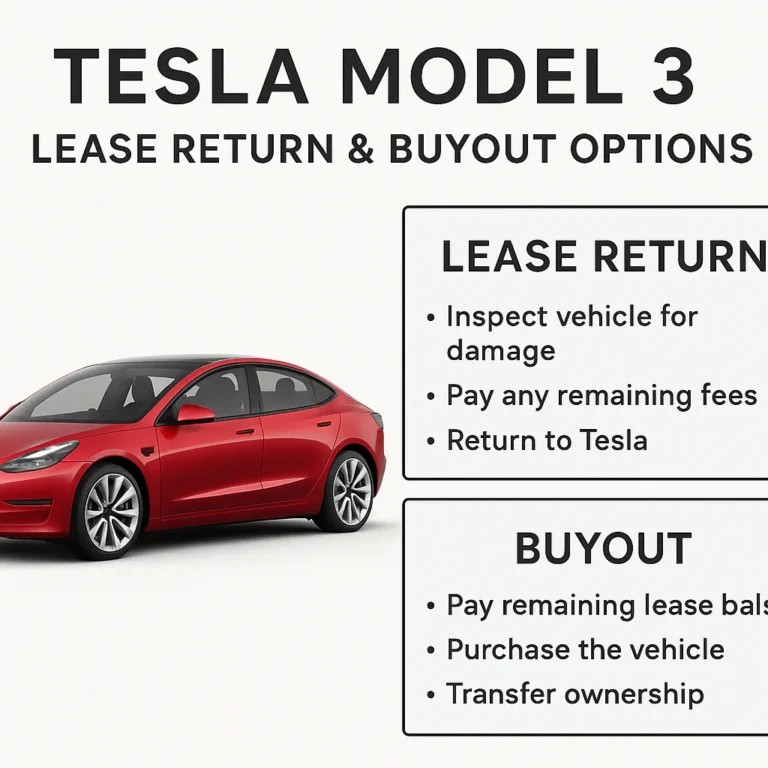
Option 1: Return the Vehicle
This is the most common path.
- Process: Schedule a drop-off at a Tesla Service Center.
- Inspection: They will check for damage, tire tread, and mileage.
- Fees: Pay any excess mileage or damage fees.
- Outcome: You walk away. The car goes to Tesla’s CPO lot.
Option 2: Lease Another Tesla
Tesla loves to keep you in the ecosystem.
- Incentive: They often offer “Lease Loyalty” discounts or waive the acquisition fee for new leases.
- Benefit: You get a new car, new warranty, and new tech.
- Drawback: You are back in the cycle of monthly payments forever.
Option 3: The Third-Party Buyout (The “Lophole”)
This is the only way to actually own the car.
- Find a Dealer: Contact a local used car dealer or a “lease buyout” specialist.
- The Deal: The dealer contacts Tesla, agrees to buy the car at the residual value, and then sells it to you.
- The Cost: The dealer will add a markup (usually $1,0 – $3,0) to cover their risk and profit.
- The Result: You own the car, but you paid a premium.
Wait, is this worth it? Only if the Residual Value + Dealer Markup is still lower than the Current Market Value of a similar used Model 3. If the market price is $28k and the buyout is $20k + $2k markup = $2k, then YES, it’s a steal. If the market price is $18k, you are overpaying.
🚗 The Third-Party Buyout: Can You Purchase from the Dealer Instead?
Let’s break down the Third-Party Buyout process, because it’s the only real path to ownership.
How It Works Step-by-Step
- Get the Payoff Quote: Contact Tesla Finance and ask for the “Early Termination Payoff” or “End of Lease Payoff” amount.
- Find a Buyer: Look for dealerships that specialize in lease buyouts. Some online platforms like Carvana or Vroom might facilitate this, but local independent dealers are often more flexible.
- Negotiate the Markup: The dealer will buy the car from Tesla for the residual value. They will then sell it to you. Negotiate the dealer’s fee.
- Secure Financing: You will need a loan to pay the dealer. Since the dealer is buying the car, they will treat it as a standard used car purchase.
- Transfer Title: The dealer handles the paperwork to transfer the title from Tesla to you.
Pros and Cons of Third-Party Buyouts
| Pros | Cons |
|---|---|
| ✅ You can finally own the car. | ❌ Dealer markup increases the cost. |
| ✅ You avoid the “no buyout” restriction. | ❌ Financing rates may be higher than Tesla’s internal rates. |
| ✅ You can negotiate the final price with the dealer. | ❌ The process is complex and time-consuming. |
| ✅ You might get a great deal if the market is low. | ❌ Tesla might refuse to sell to a third party if they have high demand. |
Real-World Example
Imagine your Model 3 has a residual value of $2,0.
- Market Value: A similar used Model 3 is selling for $26,0.
- Dealer Offer: A dealer offers to buy it from Tesla for $2k and sell it to you for $24,0.
- Your Savings: You save $2,0 compared to buying a used car elsewhere.
- Verdict: Worth it!
But if the market value is $20,0, and the dealer sells it to you for $24,0, you are losing money. Do the math first!
🆚 Leasing vs. Buying: Which Path is Best for Your Wallet?
This is the million-dollar question. Should you lease or buy a Model 3?
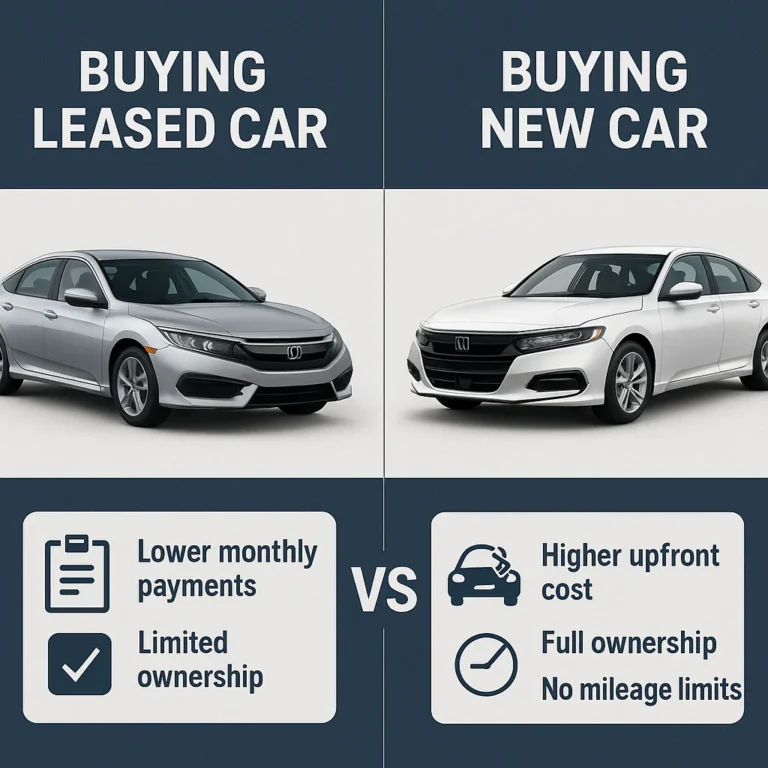
The Case for Leasing
- Lower Monthly Payments: You only pay for the depreciation, not the full value of the car.
- Tech Upgrades: Tesla updates their software and hardware frequently. Leasing lets you upgrade every 3 years to the latest version.
- No Resale Risk: If the car value crashes, you just walk away.
- Warranty Coverage: The car is almost always under warranty during the lease term.
The Case for Buying
- Equity Building: Every payment builds ownership.
- No Mileage Limits: Drive as much as you want.
- Customization: You can modify the car (wheels, tint, etc.) without worrying about lease return fees.
- Long-Term Cost: If you keep the car for 10+ years, buying is almost always cheaper.
The “Tesla Dilemma”
The unique problem with Tesla is that leasing is often the only way to get a good deal on a new Model 3 due to high demand and low inventory. But if you love the car, you can’t keep it. This creates a cycle of dependency.
Expert Opinion: If you plan to keep a car for more than 5 years, buying is almost always the better financial decision. If you love having the latest tech and hate maintenance, leasing is the way to go. But be prepared to return the car.
🛠️ Common Lease End Scenarios and How to Handle Them
Let’s walk through some common scenarios you might face.
Scenario 1: The “I Love My Car” Panic
- Situation: Your lease is ending, and you don’t want to return it.
- Action: Immediately contact a third-party dealer. Ask if they can facilitate a buyout.
- Backup Plan: If no dealer is interested, look into leasing a new Model 3 with a “lease-to-own” structure (rare, but possible with some lenders).
Scenario 2: The “Market Crash” Opportunity
- Situation: The used car market has crashed, and your residual value is higher than the market price.
- Action: Return the car. Do not try to buy it. You would be overpaying.
- Bonus: Use the equity (if any) to negotiate a better deal on a new lease.
Scenario 3: The “Excess Mileage” Surprise
- Situation: You drove 20,0 miles over your limit.
- Action: Calculate the cost. 10,0 miles x $0.25 = $2,50.
- Strategy: Sometimes, it’s cheaper to buy the car (if you can) than to pay the mileage fees. If you can’t buy it, look for a dealer who will accept the car and waive the fees (unlikely, but worth asking).
💡 Expert Tips for Maximizing Value at Lease Termination
Here are some insider tips from the Car Leases™ team to get the most out of your Tesla lease.
1. Check the Market Value Early
Don’t wait until the last month. Check Keley Blue Book (KBB), Edmunds, and TrueCar 6 months before your lease ends.
- If Market > Residual: Try to find a third-party buyout.
- If Market < Residual: Return the car and walk away.
2. Negotiate the “Disposition Fee”
Even though Tesla says it’s non-negotiable, some leses have reported success in waiving the $395 disposition fee if they lease a new Tesla immediately.
- Tip: Ask your sales rep: “If I lease a new Model 3 today, will you waive the disposition fee on my current lease?”
3. Maintain the Car Perfectly
Tesla is strict about wear and tear.
- Tires: Ensure they have at least 4/32″ of tread.
- Dents: Fix small dents before the inspection.
- Glass: No cracks or chips.
- Why? A single scratch can cost you hundreds in fees.
4. Consider the “Early Buyout”
If you have the cash or financing, consider buying the car 6 months early.
- Why? You might avoid the end-of-lease rush and get a better deal on financing.
- Warning: Check the prepayment penalty (if any) and the buyout fee.
📊 Comparison: Tesla Model 3 Lease Terms vs. Competitor EV Leases
How does Tesla stack up against the competition?
| Feature | Tesla Model 3 | BMW i4 | Hyundai Ioniq 6 | Ford Mustang Mach-E |
|---|---|---|---|---|
| Buyout Option | ❌ No (Direct) | ✅ Yes | ✅ Yes | ✅ Yes |
| Disposition Fee | ~$395 | ~$395 | ~$395 | ~$395 |
| Mileage Penalty | $0.25/mile | $0.25/mile | $0.20/mile | $0.25/mile |
| Lease Flexibility | Low | High | High | High |
| Residual Value | Agressive | Moderate | Moderate | Moderate |
| Tech Updates | Over-the-Air (Best) | Over-the-Air | Over-the-Air | Over-the-Air |
Key Takeaway: Tesla is the only major EV manufacturer that restricts the buyout option. This is a significant disadvantage for leses who want to own their vehicle.
🧐 Frequently Asked Questions About Tesla Model 3 Lease Buyouts
Can you buy a Tesla Model 3 at the end of a lease?
No, not directly from Tesla. Tesla does not offer a purchase option to the lesee at the end of a standard closed-end lease. However, you can purchase the vehicle through a third-party dealer who buys it from Tesla and resells it to you.
What is the residual value of a Tesla Model 3 lease?
The residual value is determined at the start of the lease and varies based on the term (24, 36, 48 months) and mileage allowance. It is typically set between 45% and 5% of the MSRP for a 36-month lease. You can find the exact residual value in your lease contract or by contacting Tesla Finance.
Are Tesla lease buyout prices negotiable?
Not with Tesla. The residual value is fixed in the contract. However, if you go through a third-party dealer, you can negotiate the dealer’s markup. The dealer buys the car at the fixed residual, but they can adjust the final price to you.
How to calculate the cost to buy out a Tesla lease early?
To calculate the early buyout cost:
- Contact Tesla Finance for the Payoff Quote.
- Add any early termination fees (if applicable).
- Add sales tax (based on your state).
- Add registration fees.
- Formula:
Payoff Quote + Fees + Tax = Total Cost.
Note: Always get the payoff quote in writing. Verbal quotes can change.
🔗 Recommended Links for Lease End Assistance
If you’re ready to take action, here are some resources to help you navigate the process:
- Tesla Finance: Contact Tesla Finance
- Leasehackr Forum: Leasehackr Community
- Edmunds Lease Calculator: Edmunds Lease Calculator
- Keley Blue Book: KBB Used Car Values
- TrueCar: TrueCar Lease Deals
👉 CHECK PRICE on:
- Tesla Model 3: Tesla Official Website | Edmunds | TrueCar
- Lease Buyout Specialists: Carvana | Vroom
📚 Reference Links and Sources
- Tesla Official Support: Tesla Lease Terms
- Consumer Reports: Leasing vs. Buying
- Edmunds: Understanding Lease Residual Values
- Keley Blue Book: Lease Buyout Guide
- Leasehackr Forum: Tesla Model 3 Lease Discussion
- Facebook Group Discussion: Do I need to add FSD for $8K to use the feature when leasing a Tesla?
🏁 Conclusion: The Final Word on Model 3 Ownership

So, here we are. The big question: Why can’t you buy a Model 3 after a lease?
The answer is simple, yet frustrating: Tesla wants to control the asset. By restricting the buyout, they ensure that their inventory remains high, their CPO program stays profitable, and they maintain pricing power in the used car market. It’s a business strategy that prioritizes the company’s bottom line over the lesee’s desire for ownership.
The Verdict:
- If you love the car: Be prepared to jump through hoops. Find a third-party dealer, negotiate a markup, and hope the math works out.
- If you just want to drive: Leasing is a fantastic option. Enjoy the low payments, the tech, and the lack of maintenance. Just remember to return it.
- If you want to own: Consider buying new or used from the start. The lease route is a dead end for ownership unless you’re willing to play the third-party game.
Final Thought: The Tesla Model 3 is an incredible car. But the leasing model is designed to keep you in a cycle, not to help you build equity. If you value ownership, buying is the only way to go. If you value flexibility, leasing is great, but don’t expect to keep the car.
Ready to make a move? Check out our Latest Car Lease Deals or explore Electric Vehicle Leases to find the best option for you.
Don’t forget: Always read the fine print, check the market value, and never let a sales rep rush you into a decision. Your wallet will thank you! 🚗💨