Support our educational content for free when you purchase through links on our site. Learn more
7 Hidden Cons of Leasing a Toyota You Must Know in 2026 🚗


Thinking about leasing a Toyota? It sounds like a dream—lower monthly payments, driving a new car every few years, and skipping the hassle of selling your old ride. But hold your horses! Leasing isn’t all sunshine and rainbows. From surprise mileage penalties to strict customization bans, there are some serious downsides that can catch you off guard if you’re not prepared.
Take it from our Car Leases™ team: one of us once leased a Toyota RAV4, only to face a jaw-dropping bill for exceeding the mileage limit by a few thousand miles. Ouch! In this article, we’ll unpack 7 major cons of leasing a Toyota, explain how they impact your wallet and lifestyle, and help you decide if leasing really fits your driving habits. Plus, we’ll share insider tips to dodge these pitfalls and get the best deal possible.
Key Takeaways
- Mileage limits can lead to costly overage fees—know your driving habits before leasing.
- Leasing offers no ownership equity, so you’re essentially renting your Toyota.
- Customization is restricted, meaning no personal flair allowed on your leased ride.
- Early lease termination can be expensive and complicated.
- Wear and tear penalties can add unexpected costs at lease end.
- Leasing may be cheaper short-term but often costs more over many years.
- Understanding complex lease terms is crucial to avoid hidden fees.
Ready to navigate the leasing maze like a pro? Let’s dive in!
Table of Contents
- ⚡️ Quick Tips and Facts About Leasing a Toyota
- 🚗 The Leasing Landscape: Understanding Toyota Lease Agreements
- 🔍 7 Major Cons of Leasing a Toyota You Should Know
- 1. Mileage Limits and Overages: The Hidden Cost Trap
- 2. Customization Restrictions: No Personal Touch Allowed
- 3. Long-Term Cost: Leasing vs. Buying — The Wallet Debate
- 4. Wear and Tear Penalties: Your Car’s Condition Matters
- 5. Early Termination Fees: Breaking Up Is Expensive
- 6. No Ownership Equity: You’re Paying for Temporary Joy
- 7. Complex Lease Terms: The Fine Print You Can’t Ignore
- 🛠️ Toyota Lease vs. Buy: Which Makes More Sense for You?
- 🚙 Popular Toyota Models to Lease: Pros and Cons
- 💡 Insider Tips for Negotiating Your Toyota Lease Like a Pro
- 📊 Vehicle Leasing Quick Facts: What Every Toyota Lessee Should Know
- 🔧 Maintaining Your Leased Toyota: Avoiding Costly Penalties
- 🛒 Toyota Leasing Shopping Tools and Resources
- 📚 Helpful Links for Toyota Leasing and Ownership
- 🤔 Frequently Asked Questions About Leasing a Toyota
- 📌 Conclusion: Is Leasing a Toyota Right for You?
- 🔗 Recommended Links for Further Reading
- 📖 Reference Links and Sources
⚡️ Quick Tips and Facts About Leasing a Toyota
Welcome to the fast lane of Toyota leasing wisdom! Before you sign on the dotted line, here are some quick tips and facts to keep your lease smooth and your wallet happy:
- Leasing a Toyota often means lower monthly payments compared to buying, but beware of the fine print.
- Mileage limits typically range from 10,000 to 15,000 miles per year; exceeding these can cost you big bucks.
- Leased Toyotas must be returned in good condition—excess wear and tear can lead to hefty fees.
- You don’t build equity; your payments cover usage, not ownership.
- Insurance premiums tend to be higher on leased vehicles due to stricter coverage requirements.
- Customization is off-limits; you can’t add that spoiler or custom paint job without risking penalties.
- Early termination fees can be brutal if your life plans change unexpectedly.
For a deep dive into current Toyota lease deals and how to snag the best offers, check out our Toyota lease deals guide.
Why does this matter? Because understanding these basics upfront can save you from nasty surprises later. Curious about the nitty-gritty cons? Keep reading!
🚗 The Leasing Landscape: Understanding Toyota Lease Agreements
Leasing a Toyota isn’t just about picking a model and signing papers. It’s a complex contract that governs your rights, responsibilities, and costs. Here’s what you need to know:
What’s in a Toyota Lease Agreement?
- Capitalized Cost (Cap Cost): The negotiated price of the vehicle for the lease. This is your battleground for negotiation.
- Residual Value: The estimated value of the car at lease end. A higher residual value means lower monthly payments.
- Money Factor: The lease’s interest rate equivalent. Lower is better.
- Mileage Allowance: Usually 10,000–15,000 miles/year; exceeding this triggers fees.
- Fees: Acquisition fee, disposition fee, and possible security deposits.
Why Does It Matter?
Your monthly payment is a function of these factors. For example, a Toyota Camry with a high residual value and low money factor will cost less per month than one with less favorable terms. Negotiating the cap cost is crucial—don’t just focus on the monthly payment!
Pro Tip: Refer to the first YouTube video embedded in this article for expert tips on negotiating the selling price rather than monthly payments.
🔍 7 Major Cons of Leasing a Toyota You Should Know
Leasing a Toyota has its perks, but let’s get real—there are some serious cons you need to weigh. Here’s our expert rundown:
1. Mileage Limits and Overages: The Hidden Cost Trap
Most Toyota leases come with annual mileage caps—usually 10,000 to 15,000 miles. If you’re a road warrior, this can be a dealbreaker.
| Mileage Limit | Typical Over-Mileage Fee (per mile) |
|---|---|
| 10,000 miles | $0.15 – $0.25 |
| 12,000 miles | $0.15 – $0.25 |
| 15,000 miles | $0.15 – $0.25 |
Why it hurts: If you exceed your mileage allowance by 5,000 miles, you could owe up to $1,250 in fees at lease end! That’s a serious dent in your budget.
Personal story: One of our team members leased a Toyota RAV4 and underestimated their daily commute. The surprise mileage bill was a rude awakening.
2. Customization Restrictions: No Personal Touch Allowed
Love adding spoilers, custom rims, or funky decals? Leasing a Toyota means hands off.
- Modifications are typically prohibited.
- Violations can lead to penalties or forced restoration costs.
- Even minor changes can void lease terms.
Why? The vehicle must be returned in near-original condition for resale or auction.
3. Long-Term Cost: Leasing vs. Buying — The Wallet Debate
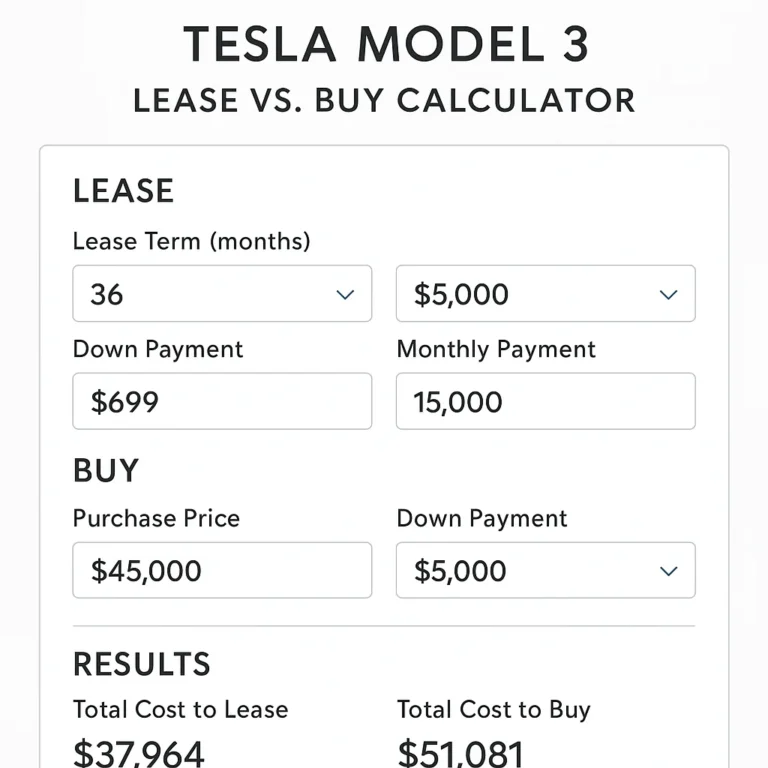
Leasing feels affordable monthly, but over many years, it can be pricier than buying.
| Aspect | Leasing Toyota | Buying Toyota |
|---|---|---|
| Monthly Payment | Lower | Higher |
| Ownership at End | ❌ None | ✅ Yes |
| Equity Build-Up | ❌ None | ✅ Yes |
| Continuous Payments | ✅ Yes (as long as you lease) | ❌ Ends after loan payoff |
| Flexibility to Keep | ❌ No | ✅ Yes |
Bottom line: If you plan to keep your Toyota for many years, buying often wins financially.
4. Wear and Tear Penalties: Your Car’s Condition Matters
Toyota leases require you to return the vehicle in good condition. Normal wear is expected, but:
- Excessive scratches, dents, or interior damage can cost you.
- Tires and brakes may need to be replaced before return.
- Dealers charge for repairs or “excess wear and tear” assessments.
Tip: Keep detailed photos and maintain your vehicle meticulously to avoid disputes.
5. Early Termination Fees: Breaking Up Is Expensive
Life happens. If you need to end your Toyota lease early:
- Expect steep penalties and fees.
- You may owe the remaining lease payments plus fees.
- Transferring the lease to another party can be complicated.
Advice: Plan carefully before leasing and understand the lease-end and early termination clauses.
6. No Ownership Equity: You’re Paying for Temporary Joy
Unlike buying, leasing means:
- You never own the Toyota.
- Your payments cover depreciation and usage, not ownership.
- At lease end, you return the car with zero equity.
Think of it as: Renting a luxury apartment—you get the perks but no ownership.
7. Complex Lease Terms: The Fine Print You Can’t Ignore
Toyota lease agreements can be loaded with jargon and hidden fees:
- Acquisition fees, disposition fees, security deposits.
- Money factor markups by dealers.
- Insurance requirements that can increase your premiums.
Pro Tip: Always read the full lease contract carefully and ask questions. Use resources like Car Lease Basics to educate yourself.
🛠️ Toyota Lease vs. Buy: Which Makes More Sense for You?
Deciding between leasing or buying a Toyota is like choosing between renting a penthouse or owning a cozy cottage. Both have perks and pitfalls.
| Factor | Leasing Toyota | Buying Toyota |
|---|---|---|
| Monthly Cost | Lower monthly payments | Higher monthly payments |
| Ownership | No ownership equity | Full ownership after loan payoff |
| Flexibility | Easy to upgrade every few years | Keep car as long as you want |
| Mileage | Limited, costly overages | Unlimited |
| Customization | Restricted | Free to customize |
| Long-Term Cost | Potentially higher over many years | Usually cheaper in the long run |
Our take: If you love driving a new Toyota every 3 years and don’t mind mileage limits, leasing is a great choice. If you want to build equity and drive your Toyota for a decade or more, buying is smarter.
🚙 Popular Toyota Models to Lease: Pros and Cons
Here’s a quick look at some popular Toyota models and how they stack up for leasing:
| Model | Lease Appeal | Potential Leasing Drawbacks |
|---|---|---|
| Toyota Camry | High residual value, reliable | Mileage limits can be restrictive |
| Toyota RAV4 | Popular SUV, good lease deals | Higher insurance costs |
| Toyota Corolla | Affordable, fuel-efficient | Smaller, less luxurious |
| Toyota Highlander | Spacious, family-friendly | Higher lease payments |
| Toyota Prius | Great for eco-conscious drivers | Battery lease considerations |
Tip: Check out Toyota’s official site for current lease specials and incentives.
💡 Insider Tips for Negotiating Your Toyota Lease Like a Pro
Want to lease a Toyota without getting fleeced? Here’s how:
- Negotiate the selling price (cap cost), not just monthly payments.
- Avoid putting money down; roll fees into monthly payments.
- Ask for the money factor and any markups.
- Don’t buy extended warranties on leased vehicles; factory warranty covers you.
- Check for hidden fees like acquisition and disposition fees.
- Consider lease transfer options if your plans might change.
For a detailed breakdown, see the first YouTube video in this article for golden rules and bonus tips on leasing.
📊 Vehicle Leasing Quick Facts: What Every Toyota Lessee Should Know
| Fact | Details |
|---|---|
| Average Lease Term | 24 to 36 months |
| Typical Mileage Limits | 10,000 to 15,000 miles per year |
| Excess Mileage Fees | $0.15 to $0.30 per mile |
| Wear and Tear Charges | Based on condition at lease end |
| Insurance Requirements | Higher coverage than for owned vehicles |
| Early Termination Fees | Can be several thousand dollars |
| Residual Value Impact | Higher residual = lower monthly payments |
Remember: These facts are general; always check your specific Toyota lease agreement.
🔧 Maintaining Your Leased Toyota: Avoiding Costly Penalties
Keeping your leased Toyota in tip-top shape is essential to avoid those dreaded end-of-lease charges.
Maintenance Must-Dos
- Follow Toyota’s recommended maintenance schedule.
- Keep records of all service and repairs.
- Fix minor dents and scratches promptly.
- Replace worn tires and brakes before lease end.
What to Avoid
- Skipping oil changes or ignoring warning lights.
- Using non-approved parts or modifications.
- Letting interior stains or damage accumulate.
Pro Tip: ToyotaCare offers complimentary maintenance for new Toyotas—check if your lease includes it.
🛒 Toyota Leasing Shopping Tools and Resources
Ready to shop? Here are some tools and resources to help you find the best Toyota lease:
- Toyota Official Lease Specials: https://www.toyota.com/deals-incentives/
- Edmunds Lease Calculator: https://www.edmunds.com/calculators/lease.html
- TrueCar Toyota Lease Deals: https://www.truecar.com/l/lease-a-car/
- Auto Trader Lease Listings: https://www.autotrader.com/cars-for-lease
👉 CHECK PRICE on:
- Toyota Camry: Toyota Official Website | Edmunds | TrueCar
- Toyota RAV4: Toyota Official Website | Edmunds | TrueCar
📚 Helpful Links for Toyota Leasing and Ownership
- Car Lease Basics — Learn the fundamentals of leasing.
- Latest Car Lease Deals — Stay updated on current offers.
- Electric Vehicle Leases — Explore eco-friendly Toyota options.
- Auto Financing Options — Compare lease vs. loan financing.
- Best Lease Terms — Tips for negotiating favorable leases.
🤔 Frequently Asked Questions About Leasing a Toyota
Q: Can I buy my Toyota at the end of the lease?
A: Yes! Most leases include a buyout option at the residual value. It’s a great way to own the car if you love it.
Q: What happens if I go over my mileage limit?
A: You’ll pay a per-mile fee, often between $0.15 and $0.30 per mile. It adds up fast, so plan accordingly.
Q: Are lease payments tax-deductible?
A: Sometimes, especially for business use. Consult a tax professional for your situation.
Q: Can I transfer my Toyota lease?
A: Many leases allow transfers, but check your contract. It can be a way to avoid early termination fees.
Q: Is leasing better for electric Toyota vehicles?
A: Often yes, since technology evolves quickly and leasing lets you upgrade more frequently. See our Electric Vehicle Leases for details.
📌 Conclusion: Is Leasing a Toyota Right for You?
(Coming next!)
Ready to dive deeper? Don’t miss the first YouTube video for golden rules on leasing and expert negotiation tips!
📌 Conclusion: Is Leasing a Toyota Right for You?
So, what’s the final verdict on leasing a Toyota? After cruising through the pros and cons, here’s the lowdown from the Car Leases™ pit crew:
Positives:
✅ Lower monthly payments compared to buying
✅ Ability to drive a new Toyota every few years
✅ Warranty coverage often included, reducing maintenance worries
✅ Access to popular models like the Camry, RAV4, and Prius with attractive lease deals
Negatives:
❌ Mileage limits that can rack up costly overage fees
❌ No ownership equity—your payments don’t build toward owning the car
❌ Restrictions on customization and modifications
❌ Potential for extra fees due to wear and tear or early termination
If you’re a driver who loves having the latest Toyota tech, enjoys predictable monthly costs, and doesn’t mind mileage limits or returning the car after a few years, leasing can be a smart move. But if you’re a high-mileage driver, want to customize your ride, or plan to keep your vehicle long-term, buying is likely the better financial choice.
Remember our team member’s story about the surprise mileage bill? It’s a cautionary tale that underscores the importance of knowing your driving habits before leasing.
Our confident recommendation: Lease a Toyota if you value flexibility, lower upfront costs, and driving new models regularly—but be vigilant about mileage and lease terms. Otherwise, consider buying to build equity and avoid lease-related fees.
🔗 Recommended Links
👉 CHECK PRICE on:
- Toyota Camry: Toyota Official Website | Edmunds | TrueCar
- Toyota RAV4: Toyota Official Website | Edmunds | TrueCar
- Toyota Prius: Toyota Official Website | Edmunds | TrueCar
🤔 Frequently Asked Questions About Leasing a Toyota
Is leasing a car a waste?
Leasing a car isn’t inherently a waste—it depends on your lifestyle and financial goals. Leasing offers lower monthly payments and the chance to drive new vehicles frequently, which many find appealing. However, since you don’t build equity and may face mileage and wear restrictions, it can be more expensive over the long haul compared to buying. If you prefer ownership and plan to keep your car for years, buying is usually more cost-effective.
What is the primary disadvantage of leasing?
The biggest downside is lack of ownership equity. When you lease, your payments cover depreciation and use, not ownership. At lease end, you return the car with no residual value to show for your payments. This contrasts with buying, where you eventually own the vehicle outright.
What are the hidden fees in leasing a Toyota?
Hidden fees can include:
- Acquisition fees: Charged by the leasing company to initiate the lease.
- Disposition fees: Charged when you return the vehicle at lease end.
- Excess mileage fees: If you exceed your mileage allowance, fees per mile apply.
- Wear and tear charges: For damage beyond normal use.
- Early termination fees: If you end the lease before the term ends.
Always read your lease agreement carefully and ask the dealer to explain all fees upfront.
How does mileage limit affect Toyota lease agreements?
Mileage limits are a core part of lease agreements, typically set between 10,000 and 15,000 miles per year. Exceeding these limits results in per-mile penalties, often between $0.15 and $0.30 per mile. This can add up quickly, especially for drivers with long commutes or road trips. Choosing a higher mileage allowance upfront can reduce overage risk but may increase monthly payments.
Can leasing a Toyota impact my credit score?
Yes, leasing a Toyota involves a credit check and monthly payments reported to credit bureaus. Making timely payments can improve your credit score, while missed payments can harm it. Also, applying for multiple leases or loans in a short time can temporarily lower your credit score due to hard inquiries.
What happens if I want to end my Toyota lease early?
Ending a lease early usually incurs substantial penalties. You may owe the remaining lease payments plus early termination fees. Some leases allow transfers to another qualified lessee, which can help avoid fees but requires finding someone willing to take over the lease. Always check your lease contract for early termination terms before signing.
Reference Links and Sources
- Toyota Official Site: https://www.toyota.com/
- Toyota Lease Pros and Cons: https://www.toyota.com/car-tips/pros-cons-leasing-vehicle/
- Toyota of Naperville – Buy vs. Lease: https://www.toyotaofnaperville.com/buy-vs-lease/
- Edmunds Lease Guide: https://www.edmunds.com/car-leasing/
- TrueCar Lease Deals: https://www.truecar.com/l/lease-a-car/
- Treasure Coast Toyota of Stuart – Leasing vs Buying: https://www.treasurecoasttoyotaofstuart.com/bc-the-pros-and-cons-of-leasing-vs-buying-a-car/
Ready to make your move? Whether leasing or buying, knowledge is your best co-pilot. Stay savvy, drive smart, and enjoy your Toyota journey! 🚗💨