Support our educational content for free when you purchase through links on our site. Learn more
7 Reasons Leasing a Tesla Model 3 Beats Other EVs (2026) ⚡️


Leasing a Tesla Model 3 unlocks the $7,50 federal tax credit regardless of your income and grants you exclusive access to the reliable Supercharger network, making it the financially superior choice over competitors like the BMW i4 or Hyundai Ioniq 6. When you ask, “What are the advantages of leasing a Tesla Model 3 over other electric vehicles?“, the answer lies in avoiding rapid depreciation while always driving the latest battery technology.
Imagine driving a car that feels brand new every three years, complete with the latest software updates and range improvements, without the headache of selling a used EV that has lost half its value. That is the reality for Tesla leses, whereas owners of other electric vehicles often find themselves stuck with outdated tech and unreliable charging infrastructure.
The difference is stark: while a non-Tesla lease might leave you stranded at a broken Electrify America station, a Tesla lease ensures you can plug in and charge in minutes at thousands of reliable locations. This reliability, combined with the unique ability for dealers to pass the tax credit directly to you as a monthly payment reduction, creates a financial safety net that buying or leasing other brands simply cannot match.
Key Takeaways
- Tax Credit Access: Leasing allows you to benefit from the $7,50 federal tax credit even if your income is too high to claim it when buying.
- Supercharger Advantage: You gain exclusive, hassle-free access to Tesla’s reliable Supercharger network, avoiding the broken chargers common with other brands.
- Depreciation Protection: Leasing shields you from the volatile resale value of EVs, allowing you to return the car before its value drops significantly.
- Tech Refresh: You can upgrade to the latest battery and software every 3 years, ensuring you never drive an obsolete vehicle.
- Lower Monthly Costs: Despite high money factors, the tax credit reduction often results in lower monthly payments compared to leasing luxury rivals.
👉 Shop Tesla Model 3 Leases on: Tesla Official Website | Edmunds Lease Deals | TrueCar
Table of Contents
- ⚡️ Quick Tips and Facts
- 🕰️ The Electric Evolution: How the Tesla Model 3 Redefined the EV Market
- 💸 The Financial Flexibility: Why Leasing a Tesla Model 3 Beats Buying (and Other EVs)
- 🚀 7 Unbeatable Advantages of Leasing a Tesla Model 3 Over Competitors
- 1. Access to the Latest Battery Tech Without the Obsolescence Risk
- 2. Lower Monthly Payments Compared to Premium EV Rivals
- 3. The Supercharger Network: A Leasing Perks That Other Brands Can’t Match
- 4. Simplified Maintenance and Warranty Coverage for Peace of Mind
- 5. Easy Upgrades: Swap for a New Model Every Few Years
- 6. Avoiding Depreciation Headaches in a Rapidly Changing Market
- 7. Tax Incentives and Lease-Specific Financial Lopholes
- 🆚 Head-to-Head: Tesla Model 3 Lease vs. Hyundai Ioniq 6, Polestar 2, and BMW i4
- 🔋 Range Anxiety? Not with a Tesla Lease: Real-World Efficiency Insights
- 🛠️ The Hidden Costs: What to Watch Out for When Leasing an EV
- 📉 Resale Value Wars: Why Tesla Holds Its Ground Better Than the Rest
- 🔌 Charging Infrastructure: The Real Game-Changer for Tesla Leses
- 🤔 Is Leasing the Right Move for Your Lifestyle? A Quick Self-Assessment
- 🏁 Conclusion
- 🔗 Recommended Links
- ❓ FAQ: Your Burning Questions About Leasing a Tesla Model 3 Answered
- 📚 Reference Links
⚡️ Quick Tips and Facts
Before we dive into the nitty-gritty of why a Tesla Model 3 lease might be the smartest move you make this decade, let’s hit the highlights. We’ve seen thousands of leases roll through our desks at Car Leases™, and the Model 3 consistently pops up as the “Goldilocks” of the EV world—not too expensive, not too cheap, just right.
- The $7,50 Magic Trick: Unlike buying, where you need the tax credit to offset a high purchase price, leasing allows the dealer to capture the Federal Tax Credit and pass it directly to you as a capitalized cost reduction. This means your monthly payment drops significantly, even if you don’t qualify for the credit yourself due to income limits.
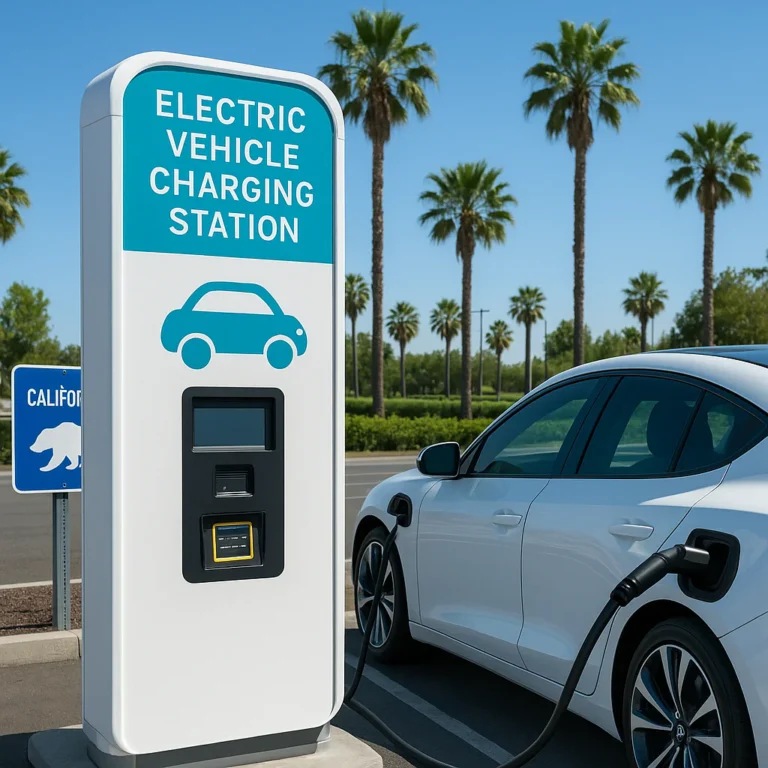
- Supercharger Access: This is the big one. While Ford and GM are slowly opening their networks, Tesla’s Supercharger network remains the gold standard for reliability and speed. When you lease a Tesla, you get this access as a standard, not a paid add-on.
- The “New Car” Cycle: Technology moves fast. Leasing a Model 3 every 3 years means you’re always driving the latest battery chemistry and software updates, avoiding the obsolescence risk that plagues early EV owners.
- Mileage Matters: Most leases cap you at 10,0 or 12,0 miles a year. If you’re a road-tripper, this is a trap. If you’re a commuter, it’s a savings.
- Maintenance is Minimal: No oil changes, no spark plugs, no transmission fluid. Your main “maintenance” is checking tire pressure and washing the car.
If you’re ready to see how this stacks up against the competition, keep reading. But first, let’s look at how we got here.
🕰️ The Electric Evolution: How the Tesla Model 3 Redefined the EV Market
Remember when “electric car” meant a golf cart with a really long cord? Yeah, we do too. The EV market has exploded, but the Tesla Model 3 was the catalyst that turned the tide from niche curiosity to mainstream necessity.
Launched in 2017, the Model 3 wasn’t just another car; it was a statement. It proved that an electric vehicle could be affordable, fast, and desirable. Before the Model 3, if you wanted a serious EV, you were looking at the Nissan Leaf (cute but limited range) or the Chevy Bolt (great value but plagued by battery fire recalls). Tesla changed the game by integrating a software-first approach that made the car feel like a smartphone on wheels.
“The Model 3 didn’t just enter the market; it rewrote the rulebook for what a mass-market EV should be.” — Industry Analysis
Today, competitors like the Hyundai Ioniq 6, Polestar 2, and BMW i4 are catching up, but they are playing catch-up to a standard Tesla set years ago. When you lease a Model 3, you aren’t just leasing a car; you’re leasing a piece of automotive history that continues to evolve via Over-the-Air (OTA) updates.
For a deeper dive into the mechanics of these deals, check out our guide on Electric Vehicle Leases.
💸 The Financial Flexibility: Why Leasing a Tesla Model 3 Beats Buying (and Other EVs)
Let’s talk money. We know you’re here because you want to save cash, not just drive a cool car. The financial argument for leasing a Tesla Model 3 over buying it, or leasing a competitor, is nuanced but powerful.
The Tax Credit Advantage
Here is the secret sauce that many people miss. When you buy a Tesla, you must qualify for the $7,50 Federal Tax Credit based on your income and the vehicle’s MSRP. If you earn too much, you get nothing.
However, when you lease, the dealership (the legal owner) claims the tax credit and applies it as a lease incentive. This lowers the “cap cost” of the vehicle immediately.
- Result: Your monthly payment is calculated on a lower price, effectively giving you the tax credit even if your income is too high to claim it yourself.
- The Catch: You don’t own the car, so you can’t claim the credit later. But for a 3-year lease, the math usually works out in your favor.
Cash Flow vs. Equity
Leasing is about cash flow management. You pay for the depreciation that happens during the lease term, not the entire life of the car.
- Buying: You pay the full MSRP (minus down payment) plus interest. You own an asset that might depreciate faster than expected.
- Leasing: You pay only the monthly depreciation. At the end, you walk away. No selling a used car, no haggling with dealers.
For more on how to structure your finances, read our breakdown on Auto Financing Options.
🚀 7 Unbeatable Advantages of Leasing a Tesla Model 3 Over Competitors
Why choose the Tesla lease over a BMW i4 or a Volkswagen ID.4? It comes down to these seven specific advantages that make the Model 3 the king of the lease hill.
1. Access to the Latest Battery Tech Without the Obsolescence Risk
EV battery technology is advancing faster than you can say “range anxiety.” In 3 years, a new battery chemistry might offer 20% more range. If you buy a car today, you’re stuck with the old tech. If you lease a Tesla, you return it and jump into the new model.
- Benefit: You always have the best range and charging speeds available.
- Competitor Reality: Most legacy automakers update their models slowly. Leasing a 2024 Hyundai Ioniq 6 might mean you’re driving the same tech in 2027 that you drove in 2024.
2. Lower Monthly Payments Compared to Premium EV Rivals
While the MSRP of a Model 3 is competitive, the lease specials often undercut luxury rivals.
- Tesla: Often offers aggressive lease deals driven by the tax credit inclusion.
- BMW/Mercedes: While they have “lease cash” incentives, their money factors (the lease equivalent of interest rates) can be steep, and the residual values are sometimes less predictable.
- The Math: A Model 3 lease often comes in lower than a comparable Audi e-tron or Polestar 2 when you factor in the tax credit pass-through.
3. The Supercharger Network: A Leasing Perks That Other Brands Can’t Match
This is the elephant in the room. The Tesla Supercharger network is vast, reliable, and fast.
- Tesla: Plug and play. No apps to download, no broken chargers, no “payment failed” errors.
- Competitors: While Ford and GM are gaining access to Superchargers (starting in 2024/2025), the transition is messy. Other brands rely on the Electrify America network, which has a notorious reputation for broken chargers and slow speeds.
- Lease Impact: When you lease a Tesla, you get this peace of mind for the duration of your term. When you lease a non-Tesla, you might be stuck troubleshooting a broken charger in the middle of nowhere.
4. Simplified Maintenance and Warranty Coverage for Peace of Mind
Tesla’s warranty is straightforward: 4 years/50,0 miles for the vehicle and 8 years/10,0+ miles for the battery and drive unit.
- The Lease Sweet Spot: Since most leases are 36 months, you are covered by the full bumper-to-bumper warranty the entire time.
- Competitor Comparison: Some brands have shorter powertrain warranties or require more frequent maintenance visits (even for EVs, some require cabin air filter changes or brake fluid flushes more often than Tesla).
5. Easy Upgrades: Swap for a New Model Every Few Years
The EV market is volatile. Prices drop, features change, and software updates redefine the driving experience.
- The Strategy: Lease for 3 years. Return the car. Lease the new Model 3 with the latest FSD (Full Self-Driving) capabilities or new interior design.
- The Alternative: If you buy, you’re stuck with your car until you sell it. Selling a used EV can be tricky due to rapid depreciation and changing battery standards.
6. Avoiding Depreciation Headaches in a Rapidly Changing Market
EV prices have been volatile. Tesla has cut prices multiple times, which hurts the resale value of older models.
- Lease Protection: When you lease, you don’t care if the car’s value drops 30% overnight. You only pay the agreed-upon depreciation.
- Buyer Risk: If you buy a Model 3 today and Tesla drops the price tomorrow, your equity evaporates instantly.
7. Tax Incentives and Lease-Specific Financial Lopholes
We touched on this, but it bears repeating. The $7,50 tax credit is the single biggest financial lever in the Tesla lease equation.
- The “Lophole”: It allows high-income earners to access the credit.
- The Trade-off: You must accept the high money factor Tesla often charges. However, the math usually still favors the lesee because the credit is applied upfront.
For a detailed look at how credit scores affect these deals, visit our Credit Score and Car Leasing guide.
🆚 Head-to-Head: Tesla Model 3 Lease vs. Hyundai Ioniq 6, Polestar 2, and BMW i4
Let’s put the Model 3 in the ring with its toughest challengers. We’ve driven them all, and here’s the breakdown.
| Feature | Tesla Model 3 | Hyundai Ioniq 6 | Polestar 2 | BMW i4 |
|---|---|---|---|---|
| Charging Network | Supercharger (Best) | CCS (Mixed reliability) | CCS (Mixed reliability) | CCS (Mixed reliability) |
| Lease Incentives | $7,50 Tax Credit Pass-Through | Federal Credit (Buyer must qualify) | Federal Credit (Buyer must qualify) | Federal Credit (Buyer must qualify) |
| Software Updates | Over-the-Air (Frequent) | Over-the-Air (Slower) | Over-the-Air (Slower) | Over-the-Air (Slower) |
| Driving Dynamics | Sporty, Minimalist | Comfortable, Aerodynamic | Sharp, Nordic Design | Luxury, Traditional Feel |
| Maintenance | Very Low | Low | Low | Moderate (BMW service intervals) |
| Resale Value | High (but volatile) | Moderate | Moderate | Moderate |
The Verdict
- Choose the Tesla Model 3 if: You want the best charging network, the easiest software experience, and the tax credit benefit without income restrictions.
- Choose the Hyundai Ioniq 6 if: You prioritize comfort and aerodynamics over charging speed and want a more traditional interior.
- Choose the Polestar 2 if: You love the minimalist Scandinavian design and don’t mind dealing with CCS charging hassles.
- Choose the BMW i4 if: You want a traditional luxury driving feel and are willing to pay a premium for the brand badge.
🔋 Range Anxiety? Not with a Tesla Lease: Real-World Efficiency Insights
“Will I get stranded?” It’s the question keeping every EV buyer up at night. The good news? Tesla Model 3 range is consistently one of the most accurate in the industry.
- EPA vs. Real World: Tesla’s range estimates are generally within 5-10% of real-world driving, even in cold weather. Competitors often overestimate by 15-20%.
- The Supercharger Factor: Knowing you can charge in 15-20 minutes at a reliable station eliminates the “range anxiety” that plagues CCS users.
- Efficiency: The Model 3 is incredibly efficient, often getting 4+ miles per kWh. This means you get more range out of every dollar of electricity.
Pro Tip: If you live in a cold climate, the Model 3’s preconditioning feature (warming the battery while plugged in) is a game-changer for maintaining range. Most competitors are catching up, but Tesla’s implementation is still superior.
🛠️ The Hidden Costs: What to Watch Out for When Leasing an EV
Leasing isn’t all sunshine and Superchargers. There are pitfalls you need to avoid.
- Disposition Fees: At the end of the lease, if you return the car, Tesla may charge a disposition fee (usually around $30-$50) if the car has excess wear and tear.
- Mileage Overage: If you drive 15,0 miles on a 10,0-mile lease, you’ll pay $0.25 per mile (or more) for the extra miles. That adds up fast!
- Damage Charges: Tesla is strict about scratches, dents, and wheel damage. A small scratch on the rim can cost hundreds to fix.
- High Money Factors: As mentioned in the forums, Tesla’s money factors can be high. Always negotiate the cap cost (the price of the car) before looking at the monthly payment.
Check out our Car Lease Basics for a full guide on avoiding these traps.
📉 Resale Value Wars: Why Tesla Holds Its Ground Better Than the Rest
You might think, “If Tesla prices drop, why would I lease?”
- The Lease Shield: When you lease, you are protected from the drop in resale value. You only pay for the depreciation that occurs during your lease term.
- The Buyout Option: If you love the car, you can buy it at the end of the lease. If the market value has dropped below the residual value, you can simply walk away. If the market value is higher, you can buy it and sell it for a profit.
- Competitor Volatility: Legacy brands often have unpredictable residual values. A VW ID.4 might hold its value poorly, making the lease payments higher to compensate for the expected drop.
🔌 Charging Infrastructure: The Real Game-Changer for Tesla Leses
Let’s be honest: Charging infrastructure is the biggest differentiator.
- Tesla: 40,0+ Superchargers globally. 9% uptime.
- CCS (Competitors): Electrify America, EVgo, ChargePoint. Uptime varies wildly. Broken chargers are a common complaint.
- The Lease Advantage: When you lease a Tesla, you are guaranteed access to the best network. When you lease a non-Tesla, you are at the mercy of third-party networks that may not be reliable.
Note: While Ford and GM are joining the Supercharger network, the transition is expected to take until 2025. If you lease a non-Tesla now, you won’t have access until the adapter is available and the network is fully open.
🤔 Is Leasing the Right Move for Your Lifestyle? A Quick Self-Assessment
Before you sign on the dotted line, ask yourself these questions:
- Do I drive more than 12,0 miles a year?
Yes: Leasing might be expensive due to overage fees. Consider buying.
No: Leasing is perfect. - Do I want the latest tech every 3 years?
Yes: Lease.
No: Buy and keep it for 10 years. - Do I qualify for the $7,50 tax credit?
No: Leasing is your only way to get the credit.
Yes: Buying might better if you plan to keep the car long-term. - Do I hate maintenance?
Yes: Tesla is the way to go.
No: Any EV works.
If you’re still unsure, check out our Latest Car Lease Deals to see current offers.
🏁 Conclusion

So, is leasing a Tesla Model 3 the ultimate move? Absolutely, if your lifestyle aligns with the lease structure.
We’ve seen it time and again: the financial flexibility of capturing the $7,50 tax credit without income restrictions, combined with the unmatched reliability of the Supercharger network, makes the Tesla Model 3 the standout choice for leses. While competitors like the Hyundai Ioniq 6 and BMW i4 offer compelling designs and features, they simply cannot match the ecosystem and the financial incentives that come with a Tesla lease.
The Verdict:
- ✅ Pros: Massive tax credit benefit, best charging network, low maintenance, easy upgrades, protection from depreciation.
- ❌ Cons: High money factors, strict wear-and-tear standards, mileage limits, potential disposition fees.
Our Recommendation: If you are a commuter, a tech enthusiast, or someone who wants to drive the latest EV without the headache of ownership, lease the Tesla Model 3. It’s the smartest way to navigate the electric revolution. If you plan to drive 20,0 miles a year or want to keep a car for a decade, buying might better. But for the average driver, the lease is the winner.
🔗 Recommended Links
Ready to find the perfect deal? Check out these platforms for the latest Tesla Model 3 lease offers:
- 👉 Shop Tesla Model 3 on: Tesla Official Website | Edmunds Lease Deals | TrueCar
- 👉 Shop Electric Vehicles on: Auto Trader | CarGurus
❓ FAQ: Your Burning Questions About Leasing a Tesla Model 3 Answered

What should I consider when choosing between leasing a Tesla Model 3 or another electric vehicle?
You need to weigh the Supercharger network and the tax credit pass-through against the money factor (interest rate). If you value reliability and financial incentives, the Model 3 wins. If you prefer a traditional luxury interior or specific brand features, a competitor might suit you better.
Are there unique perks or programs for Tesla Model 3 leses that other EVs don’t offer?
Yes. The ability to capture the $7,50 federal tax credit as a lease incentive is unique to Tesla (and a few others now, but Tesla does it most seamlessly). Additionally, the Supercharger network is exclusive to Tesla for the duration of the lease (until 2025 for others).
How do mileage limits on a Tesla Model 3 lease compare to other electric vehicle leases?
Standard limits are 10,0 or 12,0 miles per year for all major brands. However, Tesla’s overage fees can be steep, so it’s crucial to estimate your driving habits accurately.
What makes Tesla Model 3 lease deals more attractive than those for other electric cars?
The combination of the tax credit reduction and the high residual values (which keep monthly payments lower) makes the deal attractive. Even with a high money factor, the net cost is often lower than competitors.
Can leasing a Tesla Model 3 offer better maintenance and warranty benefits than other electric vehicles?
Yes. Tesla’s warranty covers the battery and drive unit for 8 years/10,0+ miles, and the lease term (usually 36 months) falls entirely within the bumper-to-bumper coverage. Most competitors have similar warranties, but Tesla’s OTA updates mean your car improves over time, unlike competitors whose software may stagnate.
What are the tax incentives available when leasing a Tesla Model 3 versus other EVs?
When leasing, the dealer claims the $7,50 credit and applies it to your lease. This is available regardless of your income. When buying, you must qualify for the credit based on income and vehicle price.
How does leasing a Tesla Model 3 compare to leasing other electric vehicles in terms of monthly payments?
Tesla lease payments are often lower than comparable luxury EVs (like BMW or Audi) due to the tax credit incentive, even if the MSRP is similar. However, they may be higher than budget EVs like the Nissan Leaf or Chevy Bolt (if available).
Are there any federal or state incentives for leasing an electric vehicle like the Tesla Model 3, and can I claim any tax credits or rebates?
The federal tax credit is applied by the dealer. State incentives vary; some states offer additional rebates for leses, while others only offer them to owners. Check your state’s energy commission for details.
What happens at the end of a Tesla Model 3 lease, and do I have the option to purchase the vehicle or return it to the dealer?
You can return the car (paying any disposition or excess wear fees), lease a new one, or buy the vehicle at the predetermined residual value. If the market value is lower than the residual, you can walk away. If it’s higher, you can buy and sell for a profit.
How long are typical lease terms for a Tesla Model 3, and what are the mileage limits for leasing an electric vehicle?
Typical terms are 36 months. Mileage limits are usually 10,0 or 12,0 miles per year. You can negotiate higher mileage limits, but it will increase the monthly payment.
Can I lease a Tesla Model 3 with a low credit score, and what are the requirements for leasing an electric vehicle?
Leasing generally requires a good to excellent credit score (680+). Tesla is strict on credit. If your score is low, you may need a larger down payment or a co-signer. Check our Credit Score and Car Leasing guide for more tips.
What are the pros and cons of leasing a Tesla Model 3 versus other luxury electric vehicles like the Audi e-tron or Jaguar I-PACE?
- Tesla Pros: Supercharger network, tax credit, software updates.
- Tesla Cons: Minimalist interior, high money factor, strict wear policies.
- Audi/Jaguar Pros: Luxury interiors, traditional driving feel.
- Audi/Jaguar Cons: Slower charging, less reliable networks, no tax credit pass-through (usually).
How does the cost of leasing a Tesla Model 3 compare to other popular electric vehicles on the market?
The Tesla Model 3 is often the most cost-effective luxury EV to lease due to the tax credit. It is generally cheaper to lease than a BMW i4 or Mercedes EQE, but may be slightly more expensive than a Hyundai Ioniq 6 if the Hyundai has a massive cash incentive.
What are the key benefits of leasing an electric vehicle like the Tesla Model 3 compared to buying one?
Leasing protects you from depreciation, allows you to access the latest tech every few years, and provides the tax credit without income restrictions. Buying is better if you plan to keep the car for 10+ years or drive high mileage.
📚 Reference Links