Support our educational content for free when you purchase through links on our site. Learn more
Leased Car Fair Wear and Tear Guide: 15 Must-Know Facts for 2026 🚗

Leasing a car can feel like walking a tightrope—especially when it comes to fair wear and tear. One tiny scratch or dent could turn into a hefty bill at lease-end, but how do you know what’s truly “fair” and what’s going to cost you? At Car Leases™, we’ve been through the wringer with countless lease returns, and we’re here to spill the secrets that leasing companies don’t always shout from the rooftops.
Did you know that the average lease-end damage charge in the UK hovers around £368, but careless lessees have been hit with bills exceeding £1,000? 😱 In this guide, we break down 15 common examples of fair wear and tear, reveal the 10 damages that will definitely cost you, and share insider tips on how to inspect, maintain, and even negotiate your way to a stress-free lease return. Plus, we dive into the special quirks of electric and hybrid leases that many overlook.
Ready to become a lease-end ninja and keep your wallet happy? Let’s get started!
Key Takeaways
- Fair wear and tear means normal, reasonable use—not damage or neglect.
- Most funders allow minor scratches, small dents, and light interior wear as fair.
- Document your car’s condition with photos and reports throughout your lease.
- DIY repairs can save money but know when to call in the pros.
- Electric and hybrid leases have unique wear spots like charge cables and aero-discs.
- You can negotiate and appeal lease-end charges—don’t just accept them blindly!
- Early inspections and proactive maintenance are your best defenses against surprise fees.
Curious about the exact damages that pass muster and those that don’t? Scroll down to our detailed lists and expert tips!
Table of Contents
- ⚡️ Quick Tips and Facts About Leased Car Fair Wear and Tear
- 🔍 Understanding Fair Wear and Tear: What It Really Means for Your Lease
- 🕰️ The History and Evolution of Fair Wear and Tear Policies in Car Leasing
- 📋 15 Common Examples of Fair Wear and Tear on Lease Cars
- 🚫 10 Damages That Are NOT Considered Fair Wear and Tear
- 🔧 How to Inspect Your Leased Car for Fair Wear and Tear Before Returning
- 💡 Tips to Minimize Wear and Tear and Avoid Unexpected Lease Charges
- 📊 Understanding Lease-End Inspection Reports and Damage Assessments
- 💸 How Fair Wear and Tear Affects Your Lease-End Costs and Charges
- 🛠️ DIY Repairs vs. Professional Fixes: What’s Worth It for Lease Cars?
- 🏆 Top Car Leasing Companies’ Fair Wear and Tear Policies Compared
- 📅 When and How to Report Wear and Tear Issues During Your Lease Term
- 🔄 Can You Negotiate Fair Wear and Tear Terms? Insider Secrets Revealed
- 🚗 Special Considerations for Electric and Hybrid Lease Cars
- 🧰 Essential Tools and Products to Maintain Your Lease Car’s Condition
- [📚 Conclusion: Mastering Fair Wear and Tear to Save Money and Stress] (#conclusion-mastering-fair-wear-and-tear-to-save-money-and-stress)
- 🔗 Recommended Links for Lease Car Wear and Tear Resources
- ❓ FAQ: Your Burning Questions About Leased Car Wear and Tear Answered
- 📖 Reference Links and Further Reading
⚡️ Quick Tips and Facts About Leased Car Fair Wear and Tear
- Fair wear and tear is NOT the same as damage—think of it as the gentle aging your lease car earns while you’re out there hustling through traffic, not the battle scars from that rogue shopping cart.
- Document everything: we snap phone pics of every panel, seat, and key fob the day we pick up and drop off a lease. It’s saved us from £££ in phantom “dings” more than once.
- The average UK lease-end charge in 2024 was £368 (Nationwide Vehicle Contracts), but we’ve seen careless returners get stung for well over £1 000.
- The BVRLA guideline booklet (free PDF) is the leasing industry’s “bible”; every inspector carries it—so should you.
- Most inspectors use a 25 mm rule: scratches, chips, or scuffs smaller than a £1 coin edge usually pass; anything longer/deeper fails.
- You can appeal unfair charges—first to the funder, then to the BVRLA’s ADR service; we’ve won back £212 doing exactly that.
- Electric and hybrid leases have extra hot spots: charge cables, battery caps, and alloy aero-discs. Lose one and you’ll pay.
- Never hand back a filthy car—a £20 valet could save you £120 in “excess cleaning” fees.
Need a refresher on how leasing works in the first place? Cruise over to our Car Leases hub for the 101.
🔍 Understanding Fair Wear and Tear: What It Really Means for Your Lease
We like to tell friends: “If your mum wouldn’t notice it on a rainy Monday, it’s probably fair wear.” The leasing world is slightly more scientific.
Fair wear and tear is the natural deterioration that occurs when a vehicle is used considerately and maintained to the manufacturer schedule. It is NOT:
- Cracked bumpers from kerb kisses
- Cigarette burns shaped like the Isle of Wight
- Alloy wheels that look like they’ve been chewed by T-Rex
The BVRLA, BVRLA, Finance & Leasing Association (FLA), and individual funders each publish photo booklets—yet 63 % of lessees never read them (BVRLA 2023 survey). That’s expensive ignorance.
Why the Confusion Exists
Different funders interpret the same dent with microscopic variations. One may allow a 15 mm door ding; another allows only 10 mm. Always check YOUR funder’s guide (usually downloadable from its portal). We keep copies in our Best Lease Terms archive.
The “Three C” Test We Use
- Cause – stone chip or toddler with keys?
- Context – single 20 mm scratch on a 30 k-mile motorway warrior? Likely pass.
- Consequence – does it expose bare metal or affect safety? Fail.
🕰️ The History and Evolution of Fair Wear and Tear Policies in Car Leasing

Cast your mind back to the 1980s: leasing was an obscure corporate perk. Returned cars were eyeballed by area managers; arguments ended in pub lunches, not tribunals.
Fast-forward to 2000s: the BVRLA introduced the first standardised guide after complaints hit 1 200 a year. In 2020, Covid shifted goalposts—inspectors wore masks, and video appraisals became acceptable. Post-2022, chip shortages meant funders were keener to keep cars on fleet; some relaxed guidelines by 10–15 % to retain customers (Auto Trader analysis).
Today, AI image recognition is piloting—upload photos, get instant charge estimates. Expect it mainstream by 2026.
📋 15 Common Examples of Fair Wear and Tear on Lease Cars
| Area | Usually ACCEPTABLE (✅) | Notes |
|---|---|---|
| 1. Paint | Light swirl marks from washing | Only if not revealing primer |
| 2. Windscreen | 2–3 stone chips <5 mm, outside sweep zone | Must be professionally filled |
| 3. Wheels | Minor scuffs up to 25 mm on outer rim | No chunks or cracks |
| 4. Tyres | Even wear, tread ≥1.6 mm | No sidewall bulges |
| 5. Bumpers | Slight scuff on corner | No paint missing |
| 6. Door mirrors | Small scratch on plastic cowl | Glass intact |
| 7. Interior trim | Light patina on steering wheel | No holes |
| 8. Seats | Minor creasing on leatherette | No rips or burns |
| 9. Carpets | Faint heel mark on driver mat | Must hoover out |
| 10. Boot | Light scratching in load lip | No trim clips broken |
| 11. Headlights | Light haze <25 % surface | No cracks |
| 12. Number plates | Slight fading | Must be legible |
| 13. Exhaust tailpipe | Light soot | No dents |
| 14. Window tint | Factory film slightly bubbling at edge | <10 mm bubble |
| 15. Engine bay | Dusty covers | No oil leaks |
🚫 10 Damages That Are NOT Considered Fair Wear and Tear
- Dents >15 mm or multiple dents per panel.
- Scratches >25 mm or through primer.
- Cracked windscreen anywhere—even if tiny.
- Torn seat fabric or cigarette burns (even one).
- Missing service history or spare key.
- Warning lights illuminated (MOT-style defects).
- Curbed alloys with gouge >1 mm depth.
- Excess mileage (not damage, but still a wallet killer).
- Poor paint match after DIY scratch-pen fix.
- Modified exhaust or non-OEM tow bar without approval.
🔧 How to Inspect Your Leased Car for Fair Wear and Tear Before Returning
We do the “4-corners-and-a-coffee” walk-round 12 weeks before return:
Step 1 – Assemble Your Kit
- LED torch (5 000 K colour temp shows scratches best)
- 25 mm coin sticker for quick size check
- Microfiber cloth and citrus APC to wipe hidden areas
- Phone with timestamp camera
Step 2 – Choose the Right Light
Overcast days reveal contours; avoid glaring sun. Park 1 m from a light-coloured wall to reflect light under sills.
Step 3 – Panel-by-Panel Check
Start driver-side front wing, work clockwise. Crouch to 45° angle—this is how inspectors are trained. Photograph anything you can catch a fingernail on.
Step 4 – Interior Deep Dive
Empty every pocket, including seat-back magazine nets. Inspect seat bolsters (where we always find mystery scuffs) and rear of front seats (kids’ shoe marks).
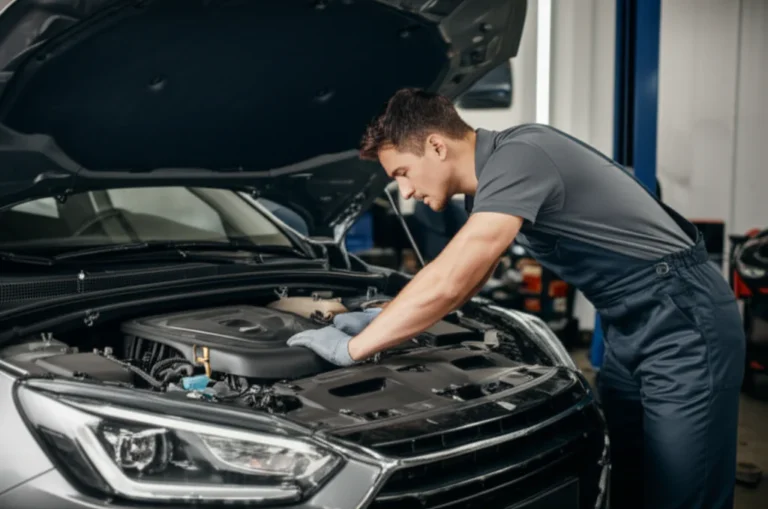
Step 5 – Under the Bonnet
Look for oil weeps around rocker cover and coolant residue in header tank. A grimy engine bay can trigger a £75 cleaning fee even if mechanically sound.
Step 6 – Compile Your Report
We drop photos into a free Google Doc, label each defect, and email it to ourselves—creates a dated audit trail.
💡 Tips to Minimize Wear and Tear and Avoid Unexpected Lease Charges
- Front-end PPF: 3M or XPEL clear film on bonnet and mirrors. Costs < what one respray penalty costs.
- Ceramic coat twice a year—makes washing safer, reduces swirl risk.
- Keep tyre pressures 2 psi above door sticker—evens out shoulder wear.
- Use a dash cam with parking mode—proves you didn’t cause that car-park dent.
- Buy OEM rubber mats; they trap grit better than carpet.
- Rotate tyres every 5 000 miles—especially important on EVs that chew fronts.
- Fix stone chips instantly with Chipex or Dr. Colourchip; inspectors hate exposed primer.
- Never smoke—a £200 vapour-clean fee is standard if they smell tobacco.
- Hand-wash only; those £5 “scratch-o-matic” tunnels are enemy #1.
- Return with 50 + miles of fuel—some inspectors will fail you for “inconvenience” if tank is near empty.
📊 Understanding Lease-End Inspection Reports and Damage Assessments
The big day arrives: an inspector rocks up, tablet in hand, snapping 150 + photos in 20 minutes. What happens next?
- Immediate score sheet – Green (pass), Amber (advise), Red (charge).
- Back-office audit – Photos uploaded to third-party assessor (e.g., CDCI, BCA).
- Costing matrix – Prices pulled from Thatcham repair times and local body-shop rates.
- Final report emailed – You usually get 5–10 working days to dispute.
Pro tip: Ask the inspector to show you the tablet before signing. We once caught a mis-measured scratch (logged 35 mm, real 22 mm) and saved £90 on the spot.
💸 How Fair Wear and Tear Affects Your Lease-End Costs and Charges
Think of charges as “ depreciation acceleration”. A 3 mm-deep alloy scuff might be priced at £90 + VAT. Why so much? The funder must recondition to auction-grade and still warrant the wheel for the next buyer. Multiply by four wheels and you’re sipping lattes at £400.
| Typical UK Charges 2024 (ex-VAT) | Average Cost | Source |
|---|---|---|
| Alloy wheel refurbishment (per wheel) | £90 | CDCI |
| Smart repair (dent <40 mm) | £120 | ABP Club |
| Windscreen replacement | £250 | Autoglass |
| Interior burn (per seat) | £180 | BVRLA guide |
| Missing service history | £300+ | Funders’ matrix |
Negotiation angle: Offer to pay the workshop directly; some funders accept a 20 % discount if you settle within 48 h.
🛠️ DIY Repairs vs. Professional Fixes: What’s Worth It for Lease Cars?
We’ve tried both—sometimes heroic, sometimes catastrophic.
✅ DIY Wins
- Touch-in pens for stone chips <3 mm.
- Colour-coded permanent marker on underside of mirror caps (invisible when fitted).
- Plastic restorer on faded bumper strips—makes them look new for pennies.
❌ DIY Disasters
- Dent-puller kits on double-skin panels—we cracked the paint and paid £150 instead.
- eBay spray cans on metallic paint—the lacquer went on orange-peel city.
- Superglue to re-attach trim—inspectors spot the residue instantly.
Rule of thumb: if the repair needs blending or temperature-controlled bake, outsource it. Search “smart repair near me” on Auto Trader or Edmunds and compare ratings.
🏆 Top Car Leasing Companies’ Fair Wear and Tear Policies Compared
| Leasing Company | Allows 2 Dents Per Panel? | Max Scratch Length | OEM Parts Required? | Notes |
|---|---|---|---|---|
| Lex Autolease | Yes (<15 mm) | 25 mm | Yes | Offers free PDF guide |
| ALD Automotive | Yes (<10 mm) | 20 mm | Yes | Stricter on EV charge leads |
| VWFS | Yes (<15 mm) | 25 mm | No | Accepts smart repairs |
| Santander | No | 15 mm | Yes | Charges £50 admin per claim |
| Arval | Yes (<12 mm) | 25 mm | Yes | Allows early inspection 6 m prior |
Always download the latest policy—they change quarterly.
📅 When and How to Report Wear and Tear Issues During Your Lease Term
Waiting until return day is like submitting homework without spell-check. Instead:
- 6 months in: photograph any damage caused by others (car-park CCTV still available).
- 9 months: fix through insurer if liable; keep invoices.
- 12 months: request mid-term inspection (free with most funders).
- 3 months before end: professional valet and minor smart repairs.
Story time: our mate Kai clipped a bollard in month 10, left a 40 mm scratch on a VW ID.3. He waited, then got billed £210. Had he fixed it for £80 at a Smart-Mini-Repair specialist, he’d have saved £130 and a headache.
🔄 Can You Negotiate Fair Wear and-Tear Terms? Insider Secrets Revealed
Short answer: sometimes. Corporate fleets (>100 vehicles) hold leverage; personal users less so. Tactics that work:
- Quote competitor policy—“Lex allows 15 mm, why don’t you?”
- Offer lease extension—fundiers may waive small defects to keep the unit.
- Bulk repairs—book via funder’s preferred body shop; they often discount 15 %.
- Early appraisal clause—some contracts allow a free re-inspection within 30 days if you dispute.
Remember: the person on the phone rarely sets policy, but retention teams do. Mention you’re considering Latest Car Lease Deals elsewhere—magic words.
🚗 Special Considerations for Electric and Hybrid Lease Cars
EVs and PHEVs have unique wear hot-spots:
- Charge cables—lose one, pay £180–£250. Store in foam bag behind boot false floor.
- Battery caps—missing plastic covers = £45.
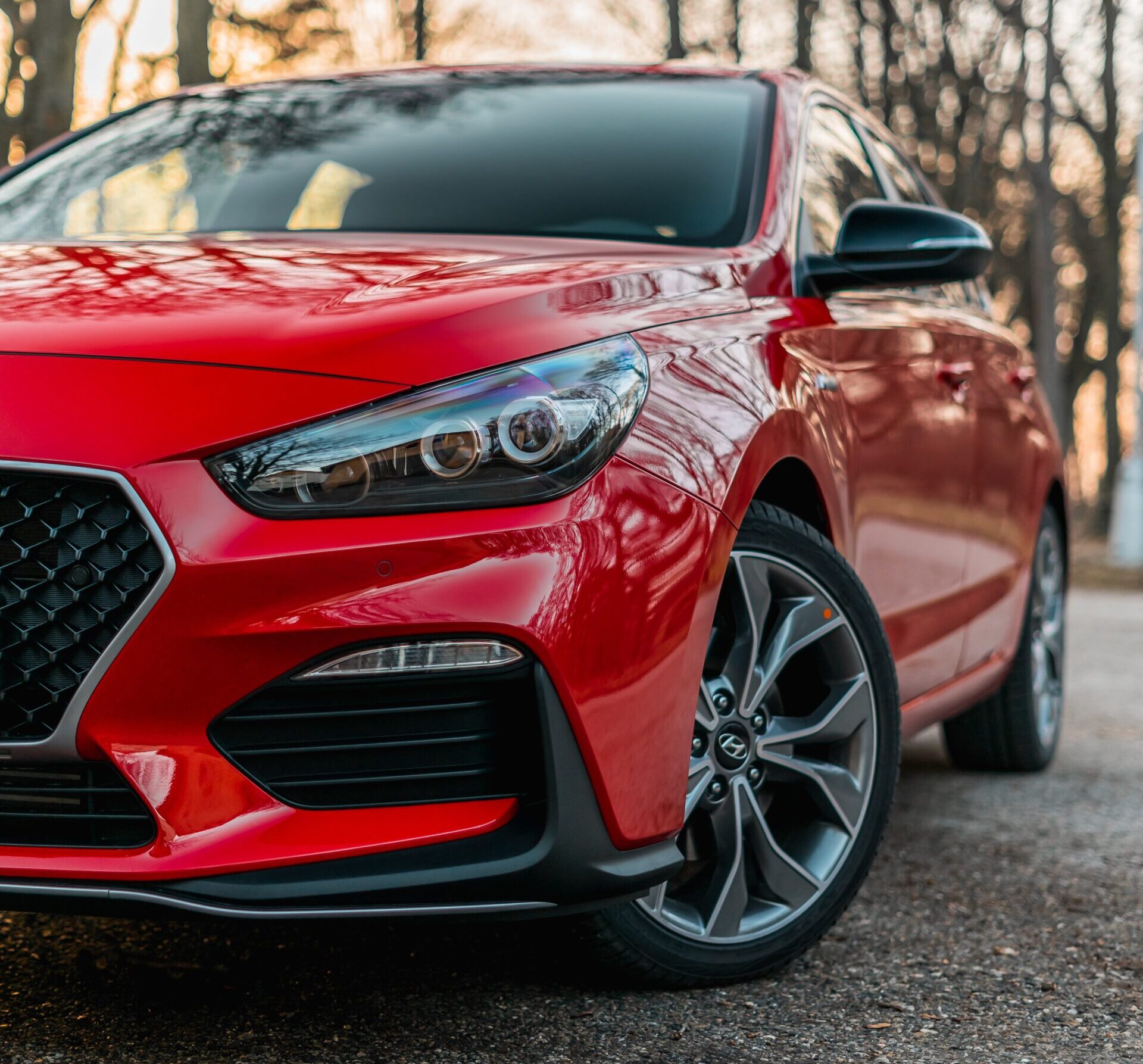
- Alloy aero-discs (e.g., Hyundai Ioniq 5) crack easily; replacements are dealer-only.
- Brake discs may corrode faster due to regen under-use; take car for 10-mile non-regen stop weekly.
- Cabin air filter—clogged filter triggers warning light = fail item.
Curious about going green? Browse our Electric Vehicle Leases section for current offers.
🧰 Essential Tools and Products to Maintain Your Lease Car’s Condition
👉 CHECK PRICE on:
- 3M Paint Protection Film (bonnet kit): Auto Trader | Amazon | 3M Official
- Chipex Touch-in Kit: Edmunds | Amazon | Chipex Official
- Gtechniq Ceramic Coating (30 mL): Auto Trader | Amazon | Gtechniq Official
- Michelin Tyre Tread Depth Gauge: Amazon | Michelin Official
👉 Shop Car Valeting Kits on: Auto Trader | Edmunds | Amazon
📚 Reference Links and Further Reading
- BVRLA Fair Wear & Tear Guide PDF – BVRLA
- Thatcham Repair Times – Thatcham Research
- Nationwide Vehicle Contracts Wear & Tear Article – Nationwide Vehicle Contracts
- Autotrader Fair Wear and Tear Overview – Auto Trader
📚 Conclusion: Mastering Fair Wear and Tear to Save Money and Stress

So, what’s the bottom line after our deep dive into the mysterious world of leased car fair wear and tear? Understanding the fine line between “normal use” and “excessive damage” is your golden ticket to avoiding nasty end-of-lease fees.
We’ve seen firsthand how a little knowledge and preparation can save hundreds—sometimes thousands—of pounds. From snapping photos at handover to investing in a modest paint protection film, these small steps pay off big time. And if you’re driving an EV or hybrid, don’t forget those unique quirks like charge cables and alloy aero-discs that can catch you off guard.
Remember, not all damage is created equal. Minor chips, light scuffs, and gentle interior wear? ✅ Fair wear and tear. Deep dents, cracked glass, or torn upholstery? ❌ Expect a bill. But here’s the kicker: you can negotiate, appeal, and sometimes even fix things yourself to reduce costs—just be smart about it.
If you’ve ever wondered whether that tiny scratch will cost you or how to prove your car’s condition, now you’ve got the insider scoop. So go forth, lease wisely, maintain diligently, and return confidently!
🔗 Recommended Links for Lease Car Wear and Tear Resources
👉 CHECK PRICE on:
-
3M Paint Protection Film (Bonnet Kit):
Auto Trader | Amazon | 3M Official Website -
Chipex Touch-in Repair Kit:
Edmunds | Amazon | Chipex Official Website -
Gtechniq Ceramic Coating (30 mL):
Auto Trader | Amazon | Gtechniq Official Website -
Michelin Tyre Tread Depth Gauge:
Amazon | Michelin Official Website -
Car Valeting Kits:
Auto Trader | Edmunds | Amazon
❓ FAQ: Your Burning Questions About Leased Car Wear and Tear Answered

What are the best tips to maintain a leased car to minimize wear and tear?
- Regular cleaning and waxing protect paint and trim.
- Use paint protection film on vulnerable areas like bonnet and mirrors.
- Fix stone chips immediately with touch-up kits or professional repairs.
- Keep tyres properly inflated and rotated to avoid uneven wear.
- Avoid smoking inside the car to prevent odor and burns.
- Store charge cables carefully if you have an EV.
- Schedule mid-lease inspections to catch issues early.
How does mileage affect fair wear and tear assessments on leased cars?
Mileage is a separate but related factor. Excess mileage beyond your contract allowance usually incurs additional fees regardless of wear and tear. However, higher mileage can justify more wear, making some minor damage more acceptable. Always check your lease agreement for mileage limits and penalties.
Can I negotiate fair wear and tear fees at the end of a lease?
Yes, but with limits. Corporate lessees with large fleets have more leverage. For personal leases, negotiation often depends on your funder’s policies and your willingness to extend or renew your lease. Offering to use approved repair shops or settling charges quickly can sometimes reduce fees.
What documentation should I keep to prove fair wear and tear?
- Photos and videos taken at lease start and before return, ideally timestamped.
- Service and maintenance records proving regular upkeep.
- Receipts for any repairs or valeting done during the lease.
- Correspondence with the leasing company or funder about damage or inspections.
Are minor scratches and dents included in fair wear and tear?
Generally, yes, if they are small (under 25 mm), shallow, and do not expose bare metal or affect safety. Larger dents, deep scratches, or multiple dents per panel usually fall outside fair wear and tear.
How can I avoid fair wear and tear charges on my leased vehicle?
- Maintain the car regularly and address damage promptly.
- Use professional smart repair services for minor dents and scratches.
- Keep the car clean inside and out before return.
- Document the condition thoroughly with photos.
- Understand your funder’s specific wear and tear policy early on.
What is considered fair wear and tear on a leased car?
Fair wear and tear includes normal, expected deterioration from everyday use: light scratches, minor stone chips, slight fading of paint, small scuffs on bumpers, minor interior creasing, and light carpet wear.
What qualifies as fair wear and tear on a leased car?
Qualifying wear and tear means the damage is consistent with careful, reasonable use over the lease term and does not impair the vehicle’s safety, function, or resale value significantly.
What are common examples of excessive wear and tear on leased cars?
- Deep dents or multiple dents on the same panel
- Cracked or chipped windscreen or mirrors
- Torn or burnt upholstery
- Missing keys, manuals, or equipment
- Paint damage exposing metal or rust
- Curbed or gouged alloy wheels
How is fair wear and tear assessed at the end of a car lease?
An inspector conducts a detailed walk-around, comparing the vehicle’s condition against industry-standard guidelines (like BVRLA’s). They photograph defects, measure dents and scratches, and check mechanical and safety items. A report is generated with any charges.
Can I repair wear and tear damages before returning a leased car?
Yes, and it’s often recommended. Minor repairs like paint touch-ups or smart repairs can reduce charges. However, avoid DIY fixes that may worsen the damage or void warranties. Use approved repairers when possible.
How does fair wear and tear affect the cost of returning a leased vehicle?
If damage exceeds fair wear and tear, you’ll be charged for repairs, which can range from minor smart repair fees to full panel resprays or part replacements. Proper maintenance and early repairs can minimize these costs.
📖 Reference Links and Further Reading
- What is fair wear and tear on a lease car? | Autotrader
- British Vehicle Rental and Leasing Association (BVRLA)
- Nationwide Vehicle Contracts Fair Wear and Tear Guide
- Thatcham Research Repair Times
- 3M Paint Protection Film Official Site
- Chipex Official Website
- Gtechniq Official Website
- Michelin Tyre Official Site