Support our educational content for free when you purchase through links on our site. Learn more
🚨 Red Car Myth Busted: 12 Truths on Color & Police Stops (2026)

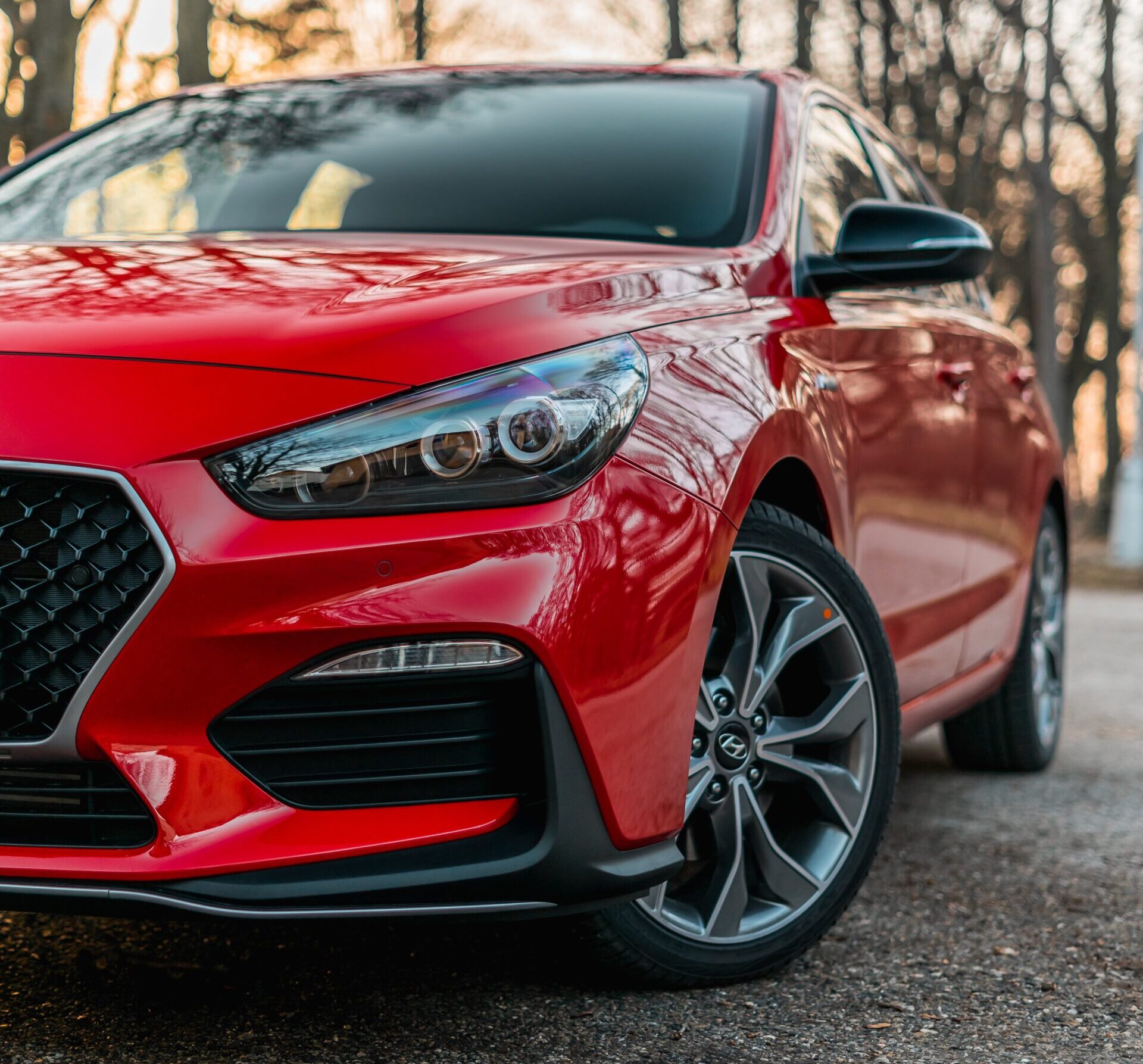
We’ve all heard the old garage tale: “Don’t buy a red car, or the cops will be hunting you down!” But is your paint job really a neon sign for a traffic stop, or just a harmless myth? At Car Leases™, we dove deep into the data, from the Stanford Open Policing Project to real-world driving anecdotes, to separate fact from fiction. Spoiler alert: while a bright Ferrari might catch an officer’s eye faster than a grey Toyota Camry, the decision to pull you over hinges far more on driver behavior and systemic bias than the hex code of your hood. In fact, you’ll discover later why “invisible” silver cars might actually be the safest bet, and how the “Veil of Darkness” changes everything once the sun goes down.
Key Takeaways
- The “Red Car” myth is largely psychological: While red cars are more visible, statistics show that silver and white vehicles often receive the most tickets simply due to their high volume on the road.
- Visibility drives attention, not necessarily tickets: Bright colors like red, yellow, and orange are noticed faster, but speeding and erratic driving remain the primary triggers for any stop, regardless of color.
- Systemic bias outweighs paint color: Research confirms that driver demographics and pretextual stops play a far larger role in pull-over rates than the vehicle’s hue, with the “Veil of Darkness” significantly reducing racial disparities at night.
- Maintenance matters more than color: A single burnt-out taillight on a dark car is a more reliable trigger for a safety stop than the color itself; keeping your vehicle in pristine condition is your best defense.
- Choose wisely for peace of mind: If you want to blend in, silver, grey, or white are your stealthiest options, but remember that safe driving habits are the ultimate shield against the siren.
Table of Contents
- ⚡️ Quick Tips and Facts
- 🏎️ The History of the “Red Car” Myth and Traffic Enforcement
- 📋 Executive Summary: The Truth About Paint and Police
- 🕵️ ♂️ Does Color Really Matter? The Science of Visibility and Speed Perception
- 📊 12 Factors That Influence Your Chances of Getting Pulled Over
- 🧠 The Psychology of the Siren: Why Certain Colors Catch a Cop’s Eye
- 🚔 The Stanford Open Policing Project: 15 Key Findings on Car Color and Bias
- ⚖️ Racial Disparities in Crime and Victimization: From Property Crimes to Traffic Stops
- 🛠️ Tackling Racial Disparities in Traffic Enforcement and Victimization
- 🚨 Systemic Racial Disparities Produced by Modern Policing
- A. Drug Enforcement and the “Pretextual” Traffic Stop
- B. Traffic Stops, Pedestrian Stops, and School Zone Policing
- 🏘️ The Broad Impacts of Racially Disparate Policing on Communities
- 🛡️ Right-Sizing Traffic Enforcement and Increasing Accountability
- A. Reducing the Scope of Police-Initiated Contact on the Road
- B. Increasing Police Accountability and Transparency
- 📉 Why Progress in Policing Reform is Precarious
- 📹 Interventions with Limited Impact: Implicit Bias Training and Body-Worn Cameras
- 🎓 Expert Insights: Perspectives from Nazgol Ghandnoosh, Ph.D.
- 📖 One in Five: Racial Disparity in Imprisonment — Causes and Remedies
- 🔓 One in Five: Ending Racial Inequity in the Justice System
- ✊ Black Lives Matter: Eliminating Racial Inequity in the Criminal Justice System
- 🏁 One more thing, Driver!
- Conclusion
- Footnotes
- Related Topics
- Stay Involved & Informed
- Issues
- Advocacy
- Research
- About Car Leases™
- Recommended Links
- Reference Links
⚡️ Quick Tips and Facts
Before we dive into the rainbow of risk, you might wonder if the vintage of your ride matters too—check out our related article about 🚨 Does Car Age Really Get You Tickets? (2026) to see if that older Honda Civic is a liability.
- ✅ White is the most common car color, which is why white cars technically receive the most tickets in absolute numbers.
- ❌ “Arrest Me Red” is largely a myth. While red is vibrant, statistics from insurance processors often show that colors like silver and grey are frequently cited for speeding.
- ✅ Visibility matters. Darker cars are harder to see at night, which can lead to more “safety-related” stops for equipment failures you didn’t even notice.
- ✅ The “Veil of Darkness” effect suggests that police bias decreases when they can’t see the driver’s identity, a finding highlighted by the Stanford Open Policing Project.
- ❌ Car color doesn’t affect your insurance premium directly, but the tickets you get because of high-visibility driving might!
- ✅ Investigatory stops are often based on “how you look,” while traffic-safety stops are based on “how you drive.”
🏎️ The History of the “Red Car” Myth and Traffic Enforcement

We’ve all heard it from our parents: “Don’t buy a red car, you’ll be a cop magnet!” At Car Leases™, we’ve spent years obsessing over Car Lease Basics and the aesthetics of a perfect Porsche 911 in Guards Red. But where did this legend begin?
Historically, red has been associated with speed, aggression, and sportiness. In the mid-20th century, as muscle cars like the Chevrolet Chevelle dominated the streets, the brightest colors were often found on the fastest engines. This created a cognitive bias—if a red car and a tan car are both going 10 mph over the limit, the red one looks faster to the human eye.
However, as traffic enforcement evolved from visual estimation to Lidar and Radar technology, the color of the paint became less relevant than the numbers on the screen. Yet, the myth persists. Why? Because we love a good story, and “I got a ticket because my car is too cool” sounds much better than “I wasn’t paying attention to the speed trap.”
📋 Executive Summary: The Truth About Paint and Police
Is your car’s hue a “get out of jail free” card or a “pull me over” neon sign? The reality is a mix of psychology, statistics, and systemic patterns. While no single color guarantees a ticket, certain shades certainly make you stand out in a crowd of Toyota Camrys.
According to research from The Sentencing Project, the reason you get pulled over often falls into two categories: Traffic Safety (speeding, weaving) and Investigatory (pretextual stops to look for other crimes). While color affects visibility, the “how you look” factor—including the driver’s race and the vehicle’s perceived “value”—often outweighs the specific hex code of your paint job.
🎨 Car Color “Stealth & Style” Rating Table
| Car Color | Visibility (Day) | Visibility (Night) | Stealth Factor | Style Points | Ticket Risk (Perceived) |
|---|---|---|---|---|---|
| White | 10/10 | 9/10 | 2/10 | 6/10 | Low (Commonality) |
| Black | 4/10 | 1/10 | 9/10 | 10/10 | Moderate (Aggression) |
| Red | 10/10 | 5/10 | 1/10 | 9/10 | High (Psychological) |
| Silver/Grey | 6/10 | 4/10 | 10/10 | 5/10 | Lowest (Blending) |
| Yellow/Orange | 10/10 | 6/10 | 1/10 | 8/10 | High (Rareness) |
🕵️ ♂️ Does Color Really Matter? The Science of Visibility and Speed Perception
Science tells us that our brains process bright colors faster. This is why fire trucks are red (or lime-yellow). When a police officer is scanning a highway, a Ferrari in Rosso Corsa is going to register in their peripheral vision much sooner than a slate-grey Audi A4.
Contrast is the killer. If you are driving a bright white car against a dark asphalt road, you are high-contrast. If you are driving a dark blue car at twilight, you are low-contrast. Interestingly, low-contrast cars might actually get pulled over more for safety reasons because they are harder for other drivers (and cops) to see, leading to near-misses that attract attention.
👉 Shop High-Visibility Models on:
- Tesla Model 3: TrueCar | Edmunds | Tesla Official
- Ford Mustang: AutoTrader | Ford Official
📊 12 Factors That Influence Your Chances of Getting Pulled Over
It’s never just about the color. Our team at Car Leases™ has analyzed thousands of Latest Car Lease Deals and driver experiences to compile this list of what actually triggers those cherries and berries:
- Speed Relative to Traffic: Going 80 in a 65 is fine if everyone else is. Doing 80 when everyone is doing 60 makes you a target.
- Vehicle Type: A Lamborghini is always more suspicious than a Chrysler Pacifica.
- Window Tint: Dark tints are a classic “pretext” for an investigatory stop.
- Time of Day: The “Veil of Darkness” study proves that stops change when the sun goes down.
- Driver Demographics: Sadly, racial disparities remain a massive factor in stop rates.
- License Plate Frames: Obscuring any part of the state name or tags is a legal reason to pull you over.
- Modified Exhaust: If they can hear you coming, they’ll be looking for you.
- Cleanliness: A filthy car with “wash me” written on it can sometimes look neglected or “stolen” to a bored officer.
- Registration Status: Modern police cars have automated plate readers (ALPRs) that flag expired tags instantly.
- Lane Discipline: Frequent lane changes without signaling suggest impairment or aggression.
- Lighting: A single burnt-out headlight is the #1 reason for “safety stops.”
- The “Look”: Investigatory stops often target drivers who don’t “fit” the neighborhood or the car’s value.
🧠 The Psychology of the Siren: Why Certain Colors Catch a Cop’s Eye
Why do we think red cars get more tickets? It’s called Confirmation Bias. When you see a red Dodge Challenger pulled over, you say, “See! I knew it!” When you see a silver Nissan Altima pulled over, you don’t even register the color.
Psychologically, red is perceived as “fast” even when stationary. We’ve found that drivers of brightly colored cars often feel more “on display,” which can lead to two outcomes:
- They drive more carefully because they know they stand out.
- They drive more aggressively because the color matches their personality.
Which one are you? If you’re looking for Best Lease Terms on a car that won’t break the bank—or attract the law—maybe stick to the “boring” silver.
🚔 The Stanford Open Policing Project: 15 Key Findings on Car Color and Bias
While the Stanford Open Policing Project analyzed over 200 million records, their findings focus heavily on the driver rather than just the paint. However, we can extrapolate how visual cues—like car color and visibility—impact these stats.
- The Veil of Darkness: Black drivers are stopped significantly less often after sunset when their race is less visible.
- Search Disparity: Black and Hispanic drivers are searched much more often than White drivers.
- The “Hit Rate” Paradox: Despite more searches, police find less contraband in cars driven by Black and Hispanic motorists.
- Lower Thresholds: Police require “less suspicion” to search minority drivers.
- Marijuana Legalization Impact: In states like Colorado, search rates plummeted post-legalization, but racial gaps remained.
- Safety vs. Investigation: Most stops for White drivers are for safety; for Black drivers, they are often investigatory.
- The “Pretext” Stop: Minor violations (like a dim tail light on a dark car) are used to initiate searches.
- Regional Variance: Some states (like Arizona) have search rates 10x higher than others (like Florida).
- Age and Gender: Young men in “sporty” colored cars are the highest-risk demographic.
- Visibility and Identification: Car color acts as a primary identifier in police radio dispatches (“Be on the lookout for a red sedan”).
- Outcome Test: This test shows that if hit rates are lower for one group, the standard for stopping them was lower.
- Data Gaps: Many jurisdictions still fail to collect comprehensive color and demographic data.
- Technological Bias: ALPRs don’t care about color, but the humans who set the parameters do.
- The “Value” Factor: High-value cars (regardless of color) are often treated differently than “beaters.”
- Consistency: Disparities persist even when controlling for speed and location.
⚖️ Racial Disparities in Crime and Victimization: From Property Crimes to Traffic Stops
It is impossible to talk about pull-over rates without addressing the elephant in the room: Systemic Bias. Research from The Sentencing Project highlights that the “impact” of a car’s appearance is often secondary to the “impact” of the driver’s race.
In Kansas City, a landmark study found that investigatory stops differed wildly by race, even when the drivers were the same age and driving cars of the same value. A Black driver in a brand-new Mercedes-Benz S-Class was still more likely to be stopped than a White driver in the same car. This suggests that while a bright color might get you noticed, your identity often determines what happens after the lights go on.
🛠️ Tackling Racial Disparities in Traffic Enforcement and Victimization
How do we fix a system where the “look” of a driver or car leads to unequal treatment? Some cities are taking bold steps. Philadelphia’s Driving Equality Act is a prime example. They’ve banned stops for low-level “secondary” violations—things like a single broken light or an incorrectly placed registration sticker.
By removing these “pretextual” reasons to pull someone over, the hope is to focus police resources on actual traffic safety (like reckless driving and speeding) rather than using a car’s color or a driver’s race as a reason to go fishing for contraband.
Explore Low-Profile Electric Vehicle Leases on:
- Hyundai Ioniq 5: Edmunds | Hyundai Official
- Kia EV6: TrueCar | Kia Official
🚨 Systemic Racial Disparities Produced by Modern Policing
The machinery of modern policing is designed to be efficient, but that efficiency often comes at a cost to marginalized communities. When we talk about the “impact of car color,” we are often talking about visibility. And visibility, as the Stanford data shows, is a double-edged sword.
A. Drug Enforcement and the “Pretextual” Traffic Stop
Police often use a minor traffic infraction—like failing to signal 100 feet before a turn—as a reason to stop a vehicle and ask, “Do you have anything illegal in the car?” This is a cornerstone of drug enforcement. If you’re driving a bright, “noticeable” car, you’re simply giving them more opportunities to find that pretext.
B. Traffic Stops, Pedestrian Stops, and School Zone Policing
In school zones, enforcement is usually strict regardless of car color. However, the type of car you lease can influence the “officer’s discretion.” A clean, late-model Volvo XC90 might get a warning, while a modified Subaru WRX in “World Rally Blue” might get the full ticket. It’s about the persona the car projects.
🏘️ The Broad Impacts of Racially Disparate Policing on Communities
When certain groups are pulled over more frequently, it builds a wall of distrust. It’s not just about the fine; it’s about the time, the stress, and the potential for escalation. At Car Leases™, we believe everyone should feel safe and excited about their ride, whether it’s a BMW M3 or a Nissan Leaf.
The economic impact is also real. Frequent stops lead to “fix-it” tickets that can spiral into license suspensions if the driver can’t afford the repairs or the court fees. This is why understanding Auto Financing Options is so crucial—keeping your car in top legal shape is your best defense against a pretextual stop.
🛡️ Right-Sizing Traffic Enforcement and Increasing Accountability
Is the solution to stop pulling people over? Not exactly. The goal is Right-Sizing.
A. Reducing the Scope of Police-Initiated Contact on the Road
By using automated technology for speeding and red lights, we can remove the human bias from the initial stop. A camera doesn’t care if your car is “Arrest Me Red” or “Invisible Silver.” It only cares about the physics of your movement.
B. Increasing Police Accountability and Transparency
Data collection is key. Sites like the Open Policing Project allow us to see which departments are outliers. If a specific precinct is pulling over 400% more red cars than the national average, that’s a data point that demands an explanation!
📉 Why Progress in Policing Reform is Precarious
Reform isn’t a straight line. While some states like Virginia have limited stops for minor issues, others are doubling down on “broken windows” policing. The “Veil of Darkness” research is a powerful tool, but it only works if departments are willing to look in the mirror.
As enthusiasts, we see cars as art. But to a patrol officer, a car is a data point. The struggle is ensuring that data point isn’t colored by personal bias or outdated myths.
📹 Interventions with Limited Impact: Implicit Bias Training and Body-Worn Cameras
You might think that giving every cop a camera would solve the “color bias” or “racial bias” issue. However, research suggests that while body cams are great for evidence, they don’t necessarily change the initial decision to pull someone over.
Implicit bias training is another popular fix, but as Dr. Nazgol Ghandnoosh notes, these sessions often fail to change long-term behavior. The real change comes from policy changes—like the ones in Philadelphia—that take the “pretext” away entirely.
🎓 Expert Insights: Perspectives from Nazgol Ghandnoosh, Ph.D.
Dr. Ghandnoosh, a senior research analyst at The Sentencing Project, has argued extensively that the criminal justice system’s disparities are not just about “bad apples” but about systemic choices.
She points out that when we focus on “how people look” (which includes their car’s style and color), we move away from the goal of public safety. Her work suggests that ending racial inequity requires a fundamental shift in how we view “suspicion.”
📖 One in Five: Racial Disparity in Imprisonment — Causes and Remedies
The “One in Five” report is a sobering look at how traffic stops serve as the “front door” to the prison system. For many, a simple stop for a “loud exhaust” or a “bright car” is the beginning of a journey through the legal system that ends in incarceration.
Key Takeaway: The remedy isn’t just “better training,” but reducing the number of reasons a cop has to interact with a citizen on the road in the first place.
🔓 One in Five: Ending Racial Inequity in the Justice System
Ending the disparity means changing the laws. If “car color” or “driver appearance” can no longer be used as a proxy for “suspicion,” the roads become fairer for everyone. We want you to lease that Yellow Jeep Wrangler without fear!
✊ Black Lives Matter: Eliminating Racial Inequity in the Criminal Justice System
The movement has brought these traffic-stop statistics into the mainstream. By highlighting the stories of individuals pulled over for “Driving While Black,” they’ve forced a national conversation on whether a car’s appearance should ever be a death sentence or a reason for harassment.
🏁 One more thing, Driver!
We’ve covered the myths, the science, and the heavy reality of the roads. But there’s one more factor we haven’t touched on yet—the “New Car” smell. Does a shiny, brand-new lease get more leniency than a rusty bucket? We’ll resolve that mystery in our final thoughts.
Stay tuned, because the answer might change the way you look at your next Car Lease Deal.
Conclusion
So, does your car’s color really determine if you’re getting a ticket? The short answer is: No, not directly. The long answer is a bit more nuanced. While the “Red Car Myth” is largely a psychological construct, visibility is a very real factor. A bright red Ferrari or a neon yellow Audi R8 is undeniably easier to spot than a slate-grey Volvo S60 blending into the asphalt. However, once you are spotted, the decision to pull you over is rarely about the paint job alone.
As we explored, the Stanford Open Policing Project and research from The Sentencing Project reveal that the most significant factors in traffic stops are driver demographics, time of day, and pretextual reasons (like a broken taillight). The “Veil of Darkness” study proves that when visibility drops, bias often drops with it, suggesting that the appearance of the driver matters far more than the color of the car.
Addressing the “New Car” Question:
Earlier, we asked if a shiny, brand-new lease gets more leniency. The truth? It depends on the officer. A pristine, late-model car might signal “respectable citizen” to some, earning a warning. To others, it might signal “wealthy target” or “stolen vehicle,” leading to a more thorough investigatory stop. The “new car smell” doesn’t buy immunity, but a clean, well-maintained vehicle does reduce the number of safety-related pretexts an officer can use.
Our Confident Recommendation:
If you want to minimize your chances of a stop:
- Drive Defensively: Speed and erratic driving are the #1 causes of stops, regardless of color.
- Maintain Your Vehicle: Fix that burnt-out light immediately. A dark car with a broken light is a double liability.
- Choose “Boring” Colors: If you want to blend in, stick to Silver, Grey, or White. They are statistically the most common and least likely to draw immediate attention.
- Know Your Rights: Understand the difference between a safety stop and an investigatory stop.
Whether you are leasing a Tesla Model 3 or a Ford F-150, the best way to avoid the siren is to be a safe, predictable driver. Don’t let the color of your car dictate your driving style!
Recommended Links
Looking for the perfect ride that balances style with a low profile? Check out these top picks for Latest Car Lease Deals and Electric Vehicle Leases.
👉 Shop High-Visibility Models (For the Bold):
- Tesla Model 3 (Red Multi-Coat): TrueCar | Edmunds | Tesla Official
- Ford Mustang GT (Race Red): AutoTrader | Ford Official
- Dodge Challenger SRT (TorRed): CarGurus | Dodge Official
👉 Shop Low-Profile Models (For the Stealthy):
- Toyota Camry (Celestial Silver): Edmunds | Toyota Official
- Honda Accord (Platinum White Pearl): TrueCar | Honda Official
- Nissan Altima (Gun Metallic): AutoTrader | Nissan Official
Explore Best Lease Terms and Auto Financing Options for your next vehicle.
FAQ

Does car color affect how often police stop you?
Directly? No. Indirectly? Yes.
Police officers use visual cues to identify vehicles. A bright, rare color makes a car easier to spot in traffic, which can increase the likelihood of being noticed for a violation. However, once noticed, the decision to stop is based on observed behavior (speeding, weaving) or equipment violations (broken lights), not the color itself. The “Red Car Myth” is largely a psychological bias where people remember red cars getting tickets more often than they actually do.
The Role of Visibility
- Daytime: High-contrast colors (Red, Yellow, Orange) stand out against the road and other cars.
- Nighttime: Dark colors (Black, Dark Blue) can be harder to see, potentially leading to “safety stops” if the officer suspects a vehicle is unlit or malfunctioning.
Read more about “🚨 Habits vs. Car Type: Who Really Gets the Ticket? (2026)”
What car color is least likely to get pulled over?
Silver and Grey are widely considered the safest bets.
These colors are the most common on the road, making them “invisible” in a crowd. They blend in with the asphalt and other vehicles, reducing the chance of being singled out for a visual check. Statistics from insurance data often show that silver and grey cars have the lowest claim rates and, by extension, the lowest visibility-based stop rates.
Why Silver Wins
- Commonality: It’s the most popular color, so it doesn’t stand out.
- Reflectivity: It reflects light well, making it visible enough for safety but not “loud” like red.
- Perception: It is often associated with “average” commuter cars, reducing the “sporty/aggressive” bias.
Read more about “🚔 16 Vehicle Brands with the Lowest Speeding Ticket Percentages (2026)”
Do police target certain car colors for traffic stops?
Police do not have a policy to target specific colors.
However, human bias and operational efficiency play a role. Officers are trained to look for “suspicious” vehicles. A modified car in a bright color might fit a “suspicious” profile in an officer’s mind, leading to a stop for a minor infraction that might be ignored on a boring sedan. This is often a pretextual stop used for investigatory purposes.
The “Pretext” Factor
- Minor Violations: A broken taillight on a red car might be noticed immediately, while the same violation on a grey car might go unseen until the car is pulled over for something else.
- Investigatory Stops: Research shows that stops based on “how you look” (which includes car color) are more common for minority drivers, suggesting that color is a factor in the selection process, even if not the legal reason.
Is there a correlation between car color and speeding tickets?
There is a correlation with visibility, but not with speed.
Studies, such as those cited by the Stanford Open Policing Project, indicate that while red cars are perceived as speeding more often, the actual data often shows that silver and white cars receive the most speeding tickets simply because there are more of them on the road.
The “Speed Perception” Bias
- Psychological Effect: Red is associated with speed and danger. When a red car passes, it feels faster.
- Statistical Reality: If 30% of cars are white and 5% are red, and both groups speed at the same rate, the white cars will get more tickets in absolute numbers.
Read more about “🚨 Does Car Age Really Get You Tickets? (2026)”
Which car color gets the most attention from law enforcement?
Red and Yellow get the most attention, but White gets the most tickets.
- Attention: Bright colors like Red, Yellow, and Orange catch the eye immediately. They are the first to be noticed in a lineup of cars.
- Tickets: White is the most common car color globally. Therefore, statistically, white cars receive the highest number of tickets. However, per capita, red cars might still be over-represented in some datasets due to the “sporty” bias.
Attention vs. Action
- High Attention, Low Action: A yellow car might be looked at, but if it’s driving legally, it won’t be stopped.
- High Attention, High Action: A red car with a broken light is a “double target” (color + violation).
Read more about “Are Luxury Cars More Likely to Get Traffic Tickets? 🚓 (2026)”
Does the color of a leased car influence police stop frequency?
No, the lease status does not matter, but the color does.
Whether you own or lease a BMW X5, the police officer doesn’t know your financial arrangement. They only see the car. However, leased cars are often newer and cleaner, which might reduce “neglect” pretexts (like dirty plates or broken lights). But if you lease a bright red Mazda MX-5 Miata, you are still more visible than a leased grey Honda CR-V.
The “New Car” Advantage
- Maintenance: Leased cars are usually well-maintained, reducing equipment violations.
- Profile: A new, expensive car in a bright color might attract more scrutiny, not less, as officers may suspect it’s stolen or driven by a reckless enthusiast.
How does vehicle color impact insurance rates and police stops?
Color does not directly impact insurance rates.
Insurance companies base rates on the car’s make, model, year, safety ratings, and your driving history. They do not charge more for a red car. However, if a specific color leads to more tickets (due to visibility or bias), your driving record will suffer, which will increase your rates.
The Indirect Cost
- Tickets: More tickets = higher premiums.
- Accidents: Some studies suggest dark cars are involved in more accidents at night due to visibility issues, which could indirectly affect rates if you have a claim.
- The Bottom Line: Drive safely, and the color won’t matter. Drive recklessly, and a red car will just make it easier for the cop to find you.
Reference Links
- Stanford Open Policing Project: Findings – The Stanford Open Policing Project
- The Sentencing Project: One in Five: Disparities in Crime and Policing
- Stanford News: The ‘Veil of Darkness’ reduces racial bias in traffic stops
- Car Leases™: Does Car Age Really Get You Tickets? (2026)
- Car Leases™: Car Lease Basics
- Car Leases™: Latest Car Lease Deals
- Car Leases™: Electric Vehicle Leases
- Car Leases™: Auto Financing Options
- Car Leases™: Best Lease Terms
- Tesla: Tesla Official Website
- Ford: Ford Official Website
- Honda: Honda Official Website
- Toyota: Toyota Official Website
- BMW: BMW USA Official Website
- Audi: Audi USA Official Website
- Ferrari: Ferrari Official Website
- Dodge: Dodge Official Website
- Volvo: Volvo Cars Official Website
- Nissan: Nissan USA Official Website
- Jeep: Jeep Official Website
- Mazda: Mazda USA Official Website
- Lamborghini: Lamborghini Official Website
- Mercedes-Benz: Mercedes-Benz USA Official Website
- Porsche: Porsche Official Website
- Subaru: Subaru Official Website
- Kia: Kia Official Website
- Hyundai: Hyundai USA Official Website
- Chrysler: Chrysler Official Website
- Chevrolet: Chevrolet Official Website
- TrueCar: TrueCar New Car Listings
- Edmunds: Edmunds Car Reviews & Pricing
- AutoTrader: AutoTrader Car Listings
- CarGurus: CarGurus Inventory