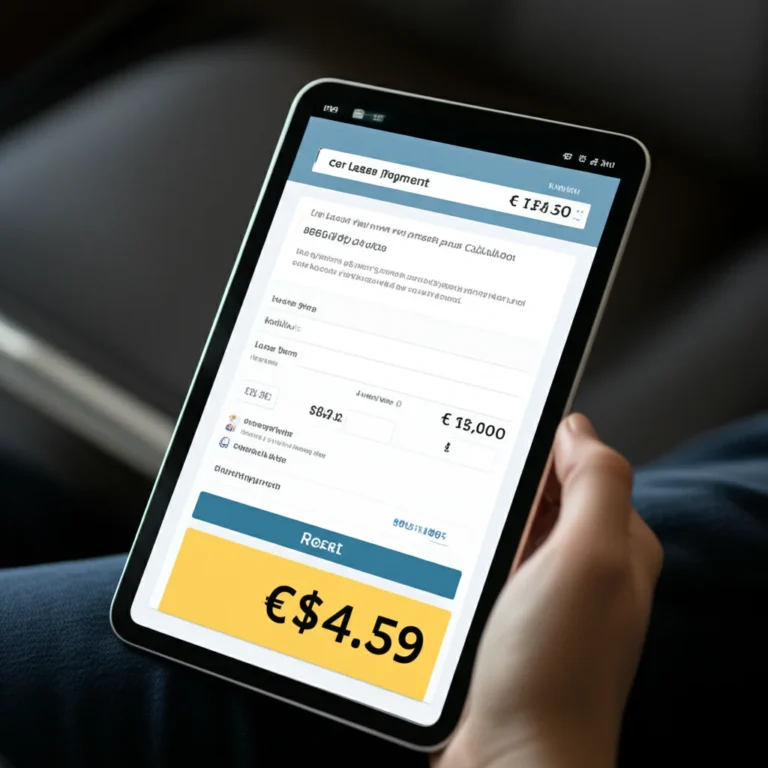
Support our educational content for free when you purchase through links on our site. Learn more
Can You Negotiate a Tesla Model 3 Lease? ⚡

Can I negotiate the price of a Tesla Model 3 lease or are the terms fixed? Usually, you can’t hagle over Tesla’s advertised vehicle price like you would at a traditional dealership. But the deal isn’t set in stone forever: offers, incentives, eligibility, mileage options, taxes, and fees can vary or change.
The trick is to focus on what you can control: compare the full cost, check current incentives, choose mileage that fits your driving, and read the lease-end rules before signing. A low monthly payment can look like a bargain—until you spot the hefty upfront amount hiding behind it.
Key Takeaways
- Tesla Model 3 lease pricing is generally not dealer-negotiable, thanks to Tesla’s direct-sales model.
- Lease offers and terms can change by time, location, vehicle configuration, and eligibility.
- Compare total cost, not just monthly payment: include due-at-signing amounts, taxes, fees, term, and mileage.
- Check incentives through current official sources rather than relying on old quotes or forum posts.
- Read the contract’s lease-end rules carefully, especially mileage, wear, return, and purchase-option terms.
- Compare leasing with financing using your expected mileage and how long you plan to keep the car.
Table of Contents
- ⚡️ Quick Tips and Facts
- 🚗 Tesla Model 3 Lease Pricing: What Can You Negotiate?
- How Tesla’s Direct-Sales Model Affects Lease Negotiations
- Are Tesla Model 3 Lease Terms Fixed or Subject to Change?
- 🔍 How a Tesla Model 3 Lease Payment Is Calculated
- Vehicle Price, Residual Value, and Depreciation
- Money Factor, Rent Charge, Taxes, and Fees
- Mileage Allowance and Lease Term
- 💬 7 Ways to Improve Your Tesla Model 3 Lease Deal
- 1. Compare Tesla’s Current Offers and Inventory Vehicles
- 2. Check Eligibility for Lease Incentives and Rebates
- 3. Compare Lease Terms, Mileage, and Upfront Costs
- 4. Ask About Fees, Add-Ons, and Optional Products
- 5. Get Competing Offers for Similar Electric Cars
- 6. Review Your Credit Application and Lease Worksheet
- 7. Time Your Order Around Offer and Delivery Changes
- 🧾 Tesla Model 3 Lease Incentives, Taxes, and Fees to Check
- Federal, State, and Local EV Incentives
- Drive-Off Amount, Acquisition Fees, and Registration
- Trade-Ins, Down Payments, and Lease Cash
- 🆚 Tesla Model 3 Lease vs. Buying or Financing
- When Leasing May Make Sense
- When Buying or Financing May Better
- Lease-End Options and Restrictions
- 🛑 Common Tesla Lease Negotiation Mistakes to Avoid
- 📝 Tesla Model 3 Lease Deal Checklist
- 📍 Background: How Tesla Model 3 Lease Offers Have Changed
- Conclusion
- 🔗 Recommended Links
- ❓ FAQ
- Can you negotiate the Tesla Model 3’s advertised lease price?
- Can Tesla change lease terms after you place an order?
- Can you negotiate the money factor or interest rate?
- Can you negotiate the Model 3’s residual value?
- Does a larger down payment lower the total lease cost?
- Can you negotiate mileage limits or lease length?
- Are Tesla inventory vehicles cheaper to lease?
- Can you negotiate Tesla lease-end fees or buy out the car?
- 📚 Reference Links
⚡️ Quick Tips and Facts
Short answer: You can usually improve the overall value of a Tesla Model 3 lease, but you generally cannot hagle with Tesla over the vehicle’s advertised price the way you might at a traditional dealership. Tesla sets its vehicle pricing and lease offers through its online ordering process. Your best leverage is comparing current offers, checking eligibility, reviewing fees and mileage, and deciding whether leasing beats buying for your plans.
For a payment walkthrough, start with our guide to how much a Tesla Model 3 lease costs. You can also browse our guides to electric vehicle leases and car lease basics.
| Quick question | Practical answer |
|---|---|
| Can you negotiate Tesla’s advertised Model 3 price? | Usually no. Tesla’s direct-sales process does not work like a conventional dealer negotiation. |
| Are every lease term and fee permanently fixed? | No. Offers, incentives, eligibility rules, taxes, and available configurations can change. |
| What can you influence? | Your configuration, lease mileage and term where offered, upfront payment, timing, and choice to lease or finance. |
| What should you compare? | Total lease cost, due-at-signing amount, mileage allowance, fees, and the cost of buying and keeping or reselling the car. |
| Is a lower monthly payment automatically a better deal? | No. A large upfront payment can make the monthly figure look friendlier while leaving your total outlay unchanged—or worse. |
| Can you buy the car at lease end? | Check the lease agreement and current Tesla policy. Do not assume a purchase option is available. |
✅ Best approach: Treat the online quote as a published offer, not an opening bid. Then inspect the details closely. The wigle room is less “talk the salesperson down” and more “make sure the deal itself fits you.”
🚗 Tesla Model 3 Lease Pricing: What Can You Negotiate?
How Tesla’s Direct-Sales Model Affects Lease Negotiations
Tesla sells vehicles directly to consumers in many markets rather than relying on independent franchised dealerships. That means the familiar showroom ritual—counteroffer, manager visit, mysterious handshake—generally is not how a Model 3 lease is priced. Tesla explains its online ordering and delivery process through its own support resources.
A discussion on Leasehackr’s Tesla lease forum captures the common shopper experience with the blunt line, “There is no negotiations with Tesla.” That comment reflects how Tesla’s direct-order process works; it is not a guarantee that every expense or lease detail is identical for every customer or location.
| Deal element | Can you negotiate it directly with Tesla? | What you can do instead |
|---|---|---|
| Advertised vehicle price | Generally not like a dealer transaction | Compare available configurations, inventory, and current offers |
| Lease incentive | Usually set by the current program | Check eligibility and timing; read the offer terms |
| Lease payment | Not typically bargained down as a standalone figure | Adjust permitted term, mileage, configuration, or upfront amount |
| Taxes and registration | Usually determined by location and rules | Verify the calculations for your address |
| Credit approval | Not negotiable | Review your application and ask the financing provider about its decision |
| Optional products or add-ons | May depend on the order and market | Ask what is optional, what is required, and what can be removed |
| Lease-end rules | Governed by the agreement and applicable policy | Read the contract before signing; confirm current purchase and return options |
Our experience: shoppers often arrive focused on monthly payment, then discover the bigger question is whether the quoted payment includes the mileage they need and all taxes and fees. Think of the monthly number as the trailer; the lease worksheet is the truck.
Are Tesla Model 3 Lease Terms Fixed or Subject to Change?
The most accurate answer is both:
- The quoted terms are generally fixed for the offer presented to you, subject to credit approval, location, selected vehicle, and the written agreement.
- Tesla’s offers are not permanently fixed. Pricing, incentives, eligible configurations, lease durations, mileage options, and delivery requirements may change.
- Your contract controls once you sign. A web page or verbal explanation should not replace the signed lease agreement.
Tesla’s leasing support page is the place to verify current policies, while the actual agreement spells out your specific payment obligations and end-of-lease terms. For general guidance on how lease terms affect cost, see our best lease terms resources.
One caution: screenshots and old forum posts can be useful historical evidence, but they are not current offers. A 2020 quote, a video from a different model year, and today’s checkout page may describe three very different deals.
🔍 How a Tesla Model 3 Lease Payment Is Calculated
A lease payment generally reflects the vehicle’s expected depreciation during your lease, the financing cost, taxes, and applicable fees. The exact calculation depends on the lender, the vehicle, your location, and the agreement.
A simplified view:
Lease payment ≈ depreciation charge + rent/finance charge + taxes and applicable fees
That formula explains why two Model 3 quotes with similar monthly payments can have very different upfront costs or mileage limits. The Federal Reserve’s consumer guide to leasing a car explains the basic parts of a vehicle lease and what consumers should review.
Vehicle Price, Residual Value, and Depreciation
- Vehicle price or adjusted capitalized cost: The amount used in the lease calculation after applicable credits or adjustments.
- Residual value: The estimated value of the vehicle at the end of the lease, as defined by the leasing company.
- Depreciation: The difference between the adjusted cost and residual value, spread across the lease term.
The residual value is not a promise about what the used car market will pay later. If the market value at lease end is higher or lower than expected, what that means for you depends on your contract and whether a purchase option exists.
Money Factor, Rent Charge, Taxes, and Fees
The money factor is a lease-financing term that contributes to the rent charge. It is not always presented to shoppers as an interest rate, and it may not be negotiable. Ask for the applicable financing details and verify the full payment breakdown rather than trying to judge the deal from the monthly figure alone.
Also check:
- Sales or use tax treatment in your state or country
- Acquisition or lease-initiation fees
- Registration and title charges
- Delivery or documentation charges, if applicable
- Any optional products or services included in the quote
Your local tax authority—not a national average—determines many of the tax details. The Consumer Financial Protection Bureau’s auto-loan and lease resources offer guidance on understanding financing and transaction paperwork.
Mileage Allowance and Lease Term
A lease’s mileage limit can matter more than a small payment difference. Estimate how much you drive in a typical year, then leave room for road trips, commuting changes, and the occasional “we’ll just pop over there” adventure.
| Factor | Lower allowance or shorter term | Higher allowance or longer term |
|---|---|---|
| Monthly payment | May be lower | May be higher |
| Flexibility | Less room for unexpected driving or life changes | More driving room, but still subject to contract terms |
| Potential extra-mileage charges | Greater risk if you exceed the allowance | Lower risk if the added mileage matches your real use |
| Total commitment | Shorter, but may require another vehicle sooner | Longer, with a longer period of payments |
Confirm the options available in your market and the charges that apply if you exceed the mileage allowance. Do not choose a mileage limit based on your best-case year. Choose one based on the year when nothing goes according to plan.
💬 7 Ways to Improve Your Tesla Model 3 Lease Deal
You may not be able to bargain over Tesla’s sticker price, but you can still shop intelligently. Here are seven ways to improve the deal without pretending the online checkout is a secret negotiation arena.
1. Compare Tesla’s Current Offers and Inventory Vehicles
Compare the same Model 3 configuration across Tesla’s ordering page and available inventory. Verify that the vehicle, delivery location, incentives, included equipment, and lease terms match before comparing payments.
Tesla’s inventory and offer pages can change. Start with Tesla Model 3 and check available inventory. An inventory vehicle may have a different configuration or delivery schedule; do not assume it automatically carries a better lease deal.
Step by step:
- Select the same trim and options in each quote.
- Use the same lease term and annual mileage.
- Compare the amount due at signing, not just the monthly payment.
- Confirm whether incentives are included and whether you qualify.
- Save the quote details and date; offers can change.
2. Check Eligibility for Lease Incentives and Rebates
Incentives can depend on location, vehicle configuration, customer qualifications, delivery timing, and the specific lease program. Federal EV tax rules can also change, and eligibility differs between leasing and buying.
Before counting on a credit:
- Review Tesla’s current offer terms.
- Check federal guidance from the IRS clean vehicle credit page.
- Check your state energy office or local utility for regional programs.
- Confirm whether a benefit applies to the lesee, leasing company, or transaction—and how it affects your actual payment.
Do not subtract a headline incentive from your budget until you know who receives it and how it appears in your lease. The Alternative Fuels Data Center’s incentives database can help you find state and local programs.
3. Compare Lease Terms, Mileage, and Upfront Costs
Run comparisons using the same assumptions. A low monthly payment with a large upfront amount is not an apples-to-aples match for a higher payment with little due at delivery.
Use this checklist:
- Same Model 3 trim and configuration
- Same lease duration
- Same annual mileage
- Same tax assumptions
- Same due-at-signing amount—or account for differences in total cost
- Same treatment of first payment, fees, and incentives
For broader context, compare leasing with auto financing options. A lease can look attractive for a short ownership horizon, while financing may suit drivers who intend to keep the vehicle for many years.
4. Ask About Fees, Add-Ons, and Optional Products
Tesla’s process may be less negotiable than a traditional dealer’s, but you should still ask for a complete breakdown. Verify which charges are mandatory, which are government-imposed, and which are optional.
Look for:
- Acquisition or lease-start fees
- Registration and title fees
- Taxes
- Optional protection products or accessories
- Delivery-related charges
- Any charges due at signing that are not included in the advertised monthly payment
A fee is not negotiable just because it is inconvenient—but it should be explainable. If a line item is unclear, request a written explanation before you accept the agreement.
5. Get Competing Offers for Similar Electric Cars
A competing quote can tell you whether the Tesla deal fits your budget and needs, even if it does not persuade Tesla to change its price. Compare vehicles with similar range, body style, equipment, and lease mileage—not a compact EV against a higher-performance sedan and then declare victory for the cheaper one.
Consider looking at the Hyundai IONIQ 6, Polestar 2, and BMW i4, depending on your market and priorities.
| What to compare | Why it matters |
|---|---|
| Range and charging access | Daily convenience can outweigh a small payment difference |
| Lease mileage and term | Different allowances distort the monthly comparison |
| Due at signing | A low payment may hide a larger upfront commitment |
| Included equipment | Trim and feature differences affect value |
| Lease-end conditions | Return, wear, mileage, and purchase rules vary |
| Incentive eligibility | The headline offer may not apply to every driver |
6. Review Your Credit Application and Lease Worksheet
Your credit profile can affect approval and available terms. Review your application for errors, understand who is providing the lease, and ask what happens if you apply with a co-lesee. Avoid making assumptions based only on a credit-score estimate.
Our credit score and car leasing resources explain how credit can affect leasing. For consumer guidance, the Consumer Financial Protection Bureau explains credit reports and scores.
Before signing, compare the final contract with the quote:
- Is the vehicle and configuration correct?
- Does the monthly payment match the final worksheet?
- Are the term and mileage allowance correct?
- Are all taxes and fees listed clearly?
- Are the return and purchase provisions stated in writing?
7. Time Your Order Around Offer and Delivery Changes
Lease offers can change as manufacturers update programs, inventory, and delivery terms. Waiting may produce a better offer—or a worse one. The dependable strategy is not fortune-telling; it is knowing what you will accept and being ready to order when the deal meets your criteria.
A video linked in the article as the featured video illustrates why lease math needs context: it compares a particular Model 3 Performance lease scenario with a financing scenario and recommends leasing for a shorter ownership period but financing for longer-term ownership. Treat its figures as a dated example, not a current Tesla quote. The assumptions, offer, taxes, and financing terms may no longer apply.
🧾 Tesla Model 3 Lease Incentives, Taxes, and Fees to Check
Federal, State, and Local EV Incentives
EV incentives are especially easy to misread because eligibility rules, vehicle requirements, income limits, and transaction structures can differ. Do not assume a purchase credit applies to a lease in the same way, or that a benefit advertised nationally applies in your state.
Verify details through:
- The IRS clean vehicle credit guidance
- The Department of Energy Alternative Fuels Data Center
- Your state energy office and local utility
- Tesla’s written offer terms
Drive-Off Amount, Acquisition Fees, and Registration
“Due at signing” can include the first payment, taxes, registration, acquisition fees, and other charges. Ask for an itemized list so you know whether the quote includes a capitalized-cost reduction—a down payment that lowers the monthly payment but increases your upfront exposure.
| Quote item | What to confirm |
|---|---|
| First monthly payment | Whether it is due at signing or later |
| Acquisition fee | Whether it is included in the payment or paid upfront |
| Taxes | Whether the estimate reflects your registration address |
| Registration and title | Whether figures are final or estimated |
| Capitalized-cost reduction | Whether you are making a lease down payment |
| Optional items | Whether they can be removed |
Trade-Ins, Down Payments, and Lease Cash
A trade-in can simplify the transaction, but compare its value with independent offers. A large down payment can reduce monthly payments without reducing the underlying cost by the same amount. It can also leave more of your money exposed if the leased vehicle is stolen or written off early, depending on the agreement and insurance outcome.
Our practical preference: keep the initial payment as low as your budget and contract allow, then compare total payments and fees. The lowest monthly number is a poor trophy if it required a suitcase of cash at delivery.
🆚 Tesla Model 3 Lease vs. Buying or Financing
There is no universal winner. Leasing can suit a driver who wants a newer car and a predictable short-term commitment. Buying may work better if you plan to keep the Model 3 for a long time, drive a lot, or want more control over resale.
| Consideration | Leasing | Buying or financing |
|---|---|---|
| Monthly cash flow | Often lower than financing a comparable vehicle, though not guaranteed | Can be higher during the loan term |
| Ownership | You do not own the vehicle during the lease | You own it outright after paying cash or completing the loan |
| Mileage | Contract limits apply | No lease mileage limit |
| Customization | Restricted by contract and return rules | More freedom, subject to lender terms |
| Resale exposure | Usually less direct market-value risk if returned under the agreement | You bear resale-value risk and can benefit if the car holds value |
| Long-term use | Requires a new plan at lease end | May be cost-effective after the loan is paid |
| End-of-term choices | Return or other options specified in the lease | Keep, sell, or trade |
Leasehackr commenters have argued that Model 3 resale value can make buying attractive, while others point out that leasing can work better when the lease cost and expected resale value line up differently. Those views are not necessarily contradictory: resale prices, taxes, incentives, mileage, and ownership length change the math.
When Leasing May Make Sense
A Model 3 lease may fit if you:
- Prefer switching vehicles every few years.
- Want to limit exposure to future resale values.
- Drive within the contract mileage.
- Do not need to own the vehicle or modify it extensively.
- Find a current lease offer that compares well with financing.
- Are comfortable with the lease-end requirements.
When Buying or Financing May Better
Buying or financing may fit if you:
- Expect to keep the car well beyond the loan term.
- Drive more than typical lease mileage allowances.
- Want to sell or trade the vehicle when you choose.
- Prefer the potential long-term savings of ownership.
- Can access financing and incentives that improve the purchase case.
For help comparing loan structures and ownership costs, see auto financing options. Use realistic assumptions for depreciation, insurance, charging, maintenance, and taxes; online payment comparisons often omit some of these.
Lease-End Options and Restrictions
Never assume you can buy your leased Tesla at the end. Policies can vary and change, and older forum posts may describe an earlier program. Tesla publishes current information through its leasing support page; your signed contract is the controlling document for your lease.
Before ordering, confirm:
- Whether your specific agreement includes a purchase option
- The purchase-option process and applicable costs
- Return inspection and excess-wear standards
- Excess-mileage charges
- The timeline and location for returning the vehicle
- Any requirements for tires, keys, accessories, or vehicle condition
🛑 Common Tesla Lease Negotiation Mistakes to Avoid
- ❌ Assuming every term is permanently fixed. The price may not be negotiable, but future offers and program terms can change.
- ❌ Comparing monthly payments without comparing upfront cash. Look at total outlay.
- ❌ Choosing too little mileage. A low allowance can become an expensive false economy.
- ❌ Treating an old quote as current. Model year, incentives, taxes, and lender terms change.
- ❌ Assuming a lease-end buyout is available. Verify the actual contract.
- ❌ Ignoring taxes and fees. A clean-looking payment may not be the complete picture.
- ❌ Making a large down payment only to lower the monthly figure. Compare risk and total cost.
- ❌ Assuming a competing quote forces Tesla to match it. Use it to make your own decision, not as a guaranteed bargaining chip.
- ❌ Relying on forum anecdotes as official policy. Forums are useful for questions; contracts and current official terms establish your actual obligations.
📝 Tesla Model 3 Lease Deal Checklist
Use this before placing an order or accepting a lease:
- Confirm the exact Model 3 configuration and delivery location.
- Record the lease term and mileage allowance.
- Get the full payment breakdown, including taxes and fees.
- Compare due-at-signing cash with the total of scheduled payments.
- Check eligibility for incentives using current official guidance.
- Review your credit application and confirm approval terms.
- Compare at least one purchase or financing scenario.
- Read the end-of-lease clauses, including mileage, wear, return, and purchase provisions.
- Save a copy of the offer and agreement for your records.
- Verify the final contract before signing. If a line item or policy is unclear, ask for written clarification.
📍 Background: How Tesla Model 3 Lease Offers Have Changed

Tesla’s direct-sales approach has made Model 3 shopping feel different from traditional dealership leasing: customers typically select a vehicle and review available lease terms online, rather than negotiating a dealer discount in a showroom. But “direct pricing” does not mean every offer stays unchanged. Incentives, vehicle pricing, delivery timing, and lease policies can shift over time.
That is why older online discussions are helpful for understanding shopper experience but unreliable for current numbers or rules. In the Leasehackr discussion, shoppers described Tesla’s lease process as fixed-price and debated whether buying could be more attractive because of resale value. Other commenters countered that leasing can make sense when the lease cost, incentives, and expected ownership horizon favor it.
The sensible way to resolve that debate is to compare your actual current quote against a realistic purchase scenario—not a forum user’s old payment, a video’s dated example, or a generic rule of thumb. For more lease-shopping guidance, browse Car Leases™’ lease basics and EV lease articles.
What Forum Posts and Videos Can—and Cannot—Tell You
Community discussions are valuable for spotting questions you might forget to ask. They are not a substitute for the lease contract. The Facebook links about Tesla lease terms require login to view their posts, so their content cannot be verified from the accessible page. We therefore do not treat them as evidence for a specific price, policy, or recommendation.
Likewise, the featured video’s comparison between a 36-month lease and a longer-term finance example is useful as a method demonstration. Its conclusion depends on the quoted APR, down payment, monthly payment, residual, and lease assumptions at the time it was made. Recalculate with the offer you can actually obtain today.