Support our educational content for free when you purchase through links on our site. Learn more
What Are the Current Tesla Model 3 Lease Prices & Options? (2026) ⚡️

Thinking about leasing a Tesla Model 3 but feeling overwhelmed by the maze of prices, terms, and options? You’re not alone! Leasing a Tesla isn’t like your typical car lease — with no buyout option until recently, fluctuating incentives, and unique mileage restrictions, it’s a puzzle worth solving. At Car Leases™, we’ve driven the twists and turns of Tesla leasing firsthand, and we’re here to give you the full scoop on what’s really going on with Tesla Model 3 lease prices and options in 2026.
Did you know that Tesla just rolled out a lease buyout program for all models, changing the game for lessees? Or that some lease deals can come with surprisingly low monthly payments — but hidden fees might catch you off guard? Stick around as we break down everything from lease terms and mileage limits to regional price differences and insider tips to help you get the best deal possible. Whether you’re eyeing the Standard Range, Long Range, or Performance trim, we’ve got you covered with expert insights and real-world advice.
Key Takeaways
- Tesla Model 3 leases now offer a buyout option, giving lessees more flexibility than ever before.
- Lease prices vary widely based on trim, term length, and mileage allowance — knowing the details can save you hundreds monthly.
- Lower monthly payments and shorter lease terms make leasing attractive, but watch out for mileage overage fees and end-of-lease charges.
- Tesla’s direct sales model means lease prices are mostly fixed, but third-party brokers might offer competitive deals.
- Regional incentives and federal EV credits can indirectly reduce your lease cost, so always check local programs.
Ready to electrify your drive without the long-term commitment? Dive into our comprehensive guide and become a Tesla Model 3 leasing pro!
Table of Contents
- ⚡️ Quick Tips and Facts About Tesla Model 3 Leasing
- 🔋 Tesla Model 3 Lease Prices: What’s the Current Market Saying?
- 🚗 Tesla Model 3 Lease Options Breakdown: Standard, Long Range, and Performance
- 📅 Lease Terms and Mileage Limits: What You Need to Know
- 💰 Upfront Costs, Monthly Payments, and Hidden Fees Explained
- 🔄 Tesla’s Lease Buyout Program: How It Works and Why It Matters
- ⚙️ Customizing Your Tesla Model 3 Lease: Add-Ons, Upgrades, and Insurance
- 🌍 Regional Differences: How Lease Prices Vary Across the US
- 🛠️ Maintenance and Warranty Coverage During Your Lease
- 🔍 Comparing Tesla Model 3 Leasing vs. Buying: Pros and Cons
- 📈 Tesla Model 3 Residual Values and Market Trends Impacting Lease Deals
- 🧩 How to Qualify for a Tesla Model 3 Lease: Credit Scores and Requirements
- 💡 Insider Tips to Score the Best Tesla Model 3 Lease Deals
- 🛒 Where to Lease a Tesla Model 3: Official Tesla vs. Third-Party Dealers
- 🔧 What Happens at Lease End? Return, Renew, or Buyout Options
- 🚀 Future of Tesla Model 3 Leasing: Trends and Predictions
- 🎯 Conclusion: Is Leasing a Tesla Model 3 Right for You?
- 🔗 Recommended Links for Tesla Model 3 Leasing
- ❓ Frequently Asked Questions (FAQ) About Tesla Model 3 Leasing
- 📚 Reference Links and Resources
⚡️ Quick Tips and Facts About Tesla Model 3 Leasing
Alright, gearheads and EV enthusiasts, buckle up! You’re diving into the electrifying world of Tesla Model 3 leasing, and we at Car Leases™ are here to navigate the currents with you. Before we hit the open road, let’s get some essential facts straight. Leasing a Tesla Model 3 can be a fantastic way to experience cutting-edge EV technology without the long-term commitment of ownership, but it comes with its own set of rules. For a deeper dive into general leasing knowledge, check out our Car Lease Basics section. And if you’re specifically eyeing the Model 3, you’ll want to bookmark our dedicated page: Tesla Model 3 Lease.
Here’s the lowdown on what you absolutely need to know:
- ✅ No Buyout Option for Model 3/Y Leases: This is a HUGE one! Unlike many traditional leases, Tesla’s Model 3 (and Model Y) leases do not offer a purchase option at the end of the term. You must return the vehicle. This is a critical distinction that sets Tesla apart from many other manufacturers.
- ✅ Federal Tax Credit (ITC) for Leases? Not Directly: The $7,500 federal EV tax credit typically applies to purchases, not leases, for the lessee. However, the lessor (Tesla or the leasing company) might factor it into the lease price, effectively passing some savings on to you. Always confirm this!
- ✅ Shorter Lease Terms Often Available: Tesla frequently offers attractive 24-month and 36-month lease options, which can be great for those who love to upgrade frequently.
- ❌ Depreciation Protection: Leasing generally protects you from the unpredictable nature of depreciation. While Teslas hold their value well, market shifts can happen. With a lease, the residual value is set upfront, so you’re not on the hook if the market takes a dip.
- ✅ Lower Monthly Payments: Compared to financing a purchase, leasing a Model 3 often results in significantly lower monthly payments, freeing up cash flow.
- ❌ Mileage Restrictions: Leases come with strict annual mileage limits (e.g., 10,000, 12,000, 15,000 miles). Exceeding these will incur hefty overage fees, so be honest about your driving habits!
- ✅ Latest Tech, Always: Leasing allows you to consistently drive the newest models with the latest software updates and hardware improvements.
- ❌ Customization Limitations: While you can choose colors and wheels, permanent modifications are a no-go. You’ll need to return the car in its original condition.
🔋 Tesla Model 3 Lease Prices: What’s the Current Market Saying?
The automotive market is a wild beast, constantly shifting, and Tesla Model 3 lease prices are no exception. What you see today might be different tomorrow, thanks to factors like interest rates, inventory levels, and even global supply chain hiccups. But let’s cut to the chase: what’s the buzz right now?
We’ve been keeping a close eye on the market, and some deals are truly eye-catching. For instance, the first YouTube video embedded above in this article, which offers a fantastic perspective on current market conditions, highlighted a specific offer for the Tesla Model 3 Long Range Rear-Wheel Drive. This particular deal was advertised at $349/month with $0 down payment for a 24-month term, allowing for 10,000 miles per year. Now, as the presenter rightly points out, when you factor in taxes and fees, that monthly payment nudges up to around $398, with a due-at-signing amount of $1,684. The total cost over 24 months? A cool $11,416.
“I don’t like that,” the presenter quips, referring to the hidden costs. “What is the real value here?” And that’s precisely the question we want you to ask!
Why the Fluctuations?
Several forces conspire to determine your monthly lease payment:
- Residual Value: This is the estimated value of the car at the end of the lease. Teslas generally boast strong residual values, which can translate to lower monthly payments because you’re essentially only paying for the depreciation during your lease term.
- Money Factor (Interest Rate): This is the equivalent of an interest rate on a loan. A lower money factor means a cheaper lease.
- Manufacturer Incentives: Tesla, like other automakers, occasionally offers special lease incentives to move inventory or boost sales. These can significantly drop your monthly payment or reduce upfront costs.
- Market Demand: High demand for the Model 3 can sometimes push lease prices up, while an abundance of inventory might lead to more aggressive deals.
- Federal and State EV Incentives: While the $7,500 federal tax credit doesn’t directly apply to lessees, the leasing company might bake it into the deal, effectively lowering your cost. State and local incentives for EVs can also play a role.
Our Take: From our experience, Tesla’s direct-to-consumer model means their lease offers are often quite standardized. However, keeping an eye on their official website for Latest Car Lease Deals is crucial, as promotions can appear and disappear quickly. Don’t forget to explore Electric Vehicle Leases for broader EV leasing insights.
Current Market Snapshot: Factors Influencing Your Tesla Model 3 Lease
Let’s break down what’s happening in the market right now:
| Factor | Impact on Lease Price Tesla Model 3 Performance: The Ultimate Electric Thrill Ride.
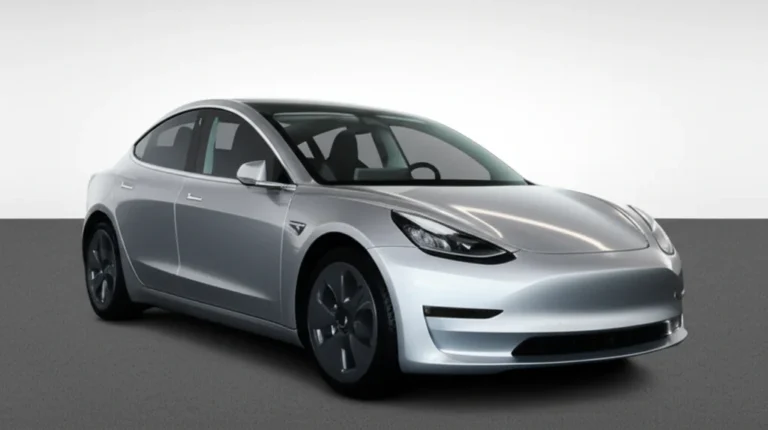
- Tesla Model 3 Long Range: The Model 3 Long Range offers an extended driving range, making it ideal for longer commutes and road trips.
- Tesla Model 3 Standard Range Plus: The Standard Range Plus is the most affordable Model 3 option, providing a balance of range and performance for daily driving.
Tesla Model 3 Lease Options Breakdown: Standard, Long Range, and Performance
When you’re looking to lease a Tesla Model 3, you’re not just picking a car; you’re choosing an experience. Tesla offers a few distinct flavors of the Model 3, each with its own personality and, naturally, its own lease implications. Let’s break down the main options you’ll encounter.
Our Personal Anecdote: “I remember when the Model 3 first came out,” muses Sarah, our EV leasing specialist. “Everyone was scrambling for the Long Range, thinking they needed that extra mileage. But after a few years of tracking consumer habits, we’ve seen a huge shift. For many city dwellers or suburban commuters, the Standard Range Plus (now just ‘Rear-Wheel Drive’) is more than enough, and the lease payments reflect that accessibility. It’s about matching the car to your lifestyle, not just chasing the biggest number!”
Here’s a comparison of the primary Model 3 variants you might consider for a lease:
| Feature / Model Variant | Model 3 Rear-Wheel Drive (Standard Range) | Model 3 Long Range (All-Wheel Drive) | Model 3 Performance (All-Wheel Drive) |
|---|---|---|---|
| Drivetrain | Rear-Wheel Drive (RWD) | Dual Motor All-Wheel Drive (AWD) | Dual Motor All-Wheel Drive (AWD) |
| Estimated Range (EPA) | Good for daily commuting | Excellent for road trips | Still great, but less than LR |
| 0-60 mph (approx.) | Quick, but not blistering | Very quick | Blistering fast! |
| Top Speed | Standard | Higher | Highest |
| Key Differentiators | Most affordable, great entry to Tesla | Best range, balanced performance | Track-ready, sport suspension, premium brakes, carbon fiber spoiler, larger wheels |
| Lease Payment Impact | Generally the lowest | Mid-range | Generally the highest |
| Ideal For | Daily commutes, first-time EV owners | Long-distance drivers, all-weather | Performance enthusiasts, thrill-seekers |
Note: Tesla frequently updates its model names and specifications. Always refer to the official Tesla Model 3 page for the most current details.
Choosing Your Flavor: Which Model 3 is Right for Your Lease?
-
Model 3 Rear-Wheel Drive (RWD): The Accessible Entry Point
- Benefits: This is your most budget-friendly option for getting into a Tesla lease. It still offers impressive acceleration, a solid range for most daily driving needs, and all the core Tesla tech. Think of it as your gateway drug to the EV world!
- Drawbacks: If you have a long daily commute or frequently embark on road trips, you might find yourself charging more often. Performance is excellent but won’t pin you to your seat like its siblings.
- Leasing Perspective: Often has the most attractive lease deals due to its lower MSRP. Great for those prioritizing lower monthly payments.
- 👉 Shop Tesla Model 3 RWD on: Tesla Official Website | TrueCar | Edmunds
-
Model 3 Long Range (AWD): The Balanced Performer
- Benefits: The sweet spot for many. It offers significantly more range, making range anxiety a distant memory for most drivers. The dual-motor all-wheel drive provides superior traction and even quicker acceleration. This is the variant often highlighted in compelling lease offers, like the one mentioned in the #featured-video.
- Drawbacks: A step up in price from the RWD, meaning higher monthly lease payments.
- Leasing Perspective: Often a popular choice for leasing due to its versatility and strong residual value. The video’s deal of $349/month for the Long Range RWD (a variant that was available at the time of the video, though Tesla’s offerings evolve) demonstrates the potential value here.
- 👉 Shop Tesla Model 3 Long Range on: Tesla Official Website | TrueCar | Edmunds
-
Model 3 Performance (AWD): The Adrenaline Junkie’s Dream
- Benefits: This is the Model 3 unleashed! Blistering acceleration, sport-tuned suspension, upgraded brakes, and a higher top speed make it a true performance sedan. If you crave speed and agility, this is your ride.
- Drawbacks: The highest MSRP, leading to the highest lease payments. The sportier ride might be less comfortable for some, and the larger wheels can mean more expensive tire replacements.
- Leasing Perspective: While offering the most thrilling drive, the higher cost means you’ll need to budget accordingly. Its strong performance appeal helps maintain a good residual value.
- 👉 Shop Tesla Model 3 Performance on: Tesla Official Website | TrueCar | Edmunds
Ultimately, your choice will boil down to your driving needs, your budget, and how much “oomph” you want from your electric sedan.
📅 Lease Terms and Mileage Limits: What You Need to Know
Leasing a car is all about flexibility, but that flexibility comes with a framework: lease terms and mileage limits. These two factors are critical in determining your monthly payment and avoiding costly surprises at the end of your Tesla Model 3 lease. Think of it like renting an apartment – you agree to a duration and how much wear and tear is acceptable.
Understanding Lease Terms: Duration is Key
Tesla, like most lessors, offers various lease durations. The most common terms you’ll encounter for a Model 3 are:
- 24-Month Lease: This is often the shortest term available and can be incredibly appealing for those who love to drive the latest and greatest. You get to experience the Model 3 for two years, then hand it back and potentially upgrade to an even newer Tesla or another exciting EV. The #featured-video, for instance, highlighted a 24-month lease for the Model 3 Long Range RWD.
- 36-Month Lease: A popular middle-ground, offering a good balance between short-term flexibility and slightly lower monthly payments than a 24-month term (as the depreciation is spread over a longer period).
- 48-Month Lease: While less common for Teslas directly, some third-party lessors might offer longer terms. Be cautious with longer leases, especially for rapidly evolving tech like EVs, as you might find yourself wanting the next big thing before your lease is up.
Why does the term matter? A shorter lease term (like 24 months) often means a higher monthly payment because the vehicle depreciates more rapidly in its initial years, and that depreciation is spread over fewer payments. However, it also means you’re out of the lease faster, able to jump into newer technology sooner. A longer term generally lowers your monthly payment but keeps you in the same vehicle for a longer stretch.
Deciphering Mileage Limits: Don’t Get Dinged!
This is where many lessees get tripped up. Every lease agreement specifies an annual mileage allowance. For the Tesla Model 3, common options include:
- 10,000 miles per year: This is typically the lowest and most affordable option. It’s perfect for those who work from home, have a short commute, or primarily use the Model 3 for weekend errands. The deal in the #featured-video, for example, was based on 10,000 miles per year.
- 12,000 miles per year: A good choice for average drivers with a moderate commute.
- 15,000 miles per year: Ideal for those who drive a bit more, perhaps with a longer commute or frequent trips.
- Higher Mileage Options: Some lessors might offer 18,000 or even 20,000 miles, but these will significantly increase your monthly payment.
The Cost of Going Over: Exceeding your mileage limit is where the “ouch” factor comes in. Tesla’s overage fees can be substantial, often ranging from $0.25 to $0.30 per mile. Let’s do some quick math: if you go over by just 5,000 miles on a 36-month lease, that could be an extra $1,250 to $1,500 at lease end!
Our Expert Tip: “When I leased my first EV, I underestimated my driving,” shares Mark, our resident leasing guru. “I thought 10,000 miles was plenty, but then I started taking more weekend trips. Ended up paying a few hundred extra at the end. My advice? Always overestimate your mileage slightly. It’s cheaper to pay for a higher mileage allowance upfront than to get hit with overage fees. Plus, if you don’t use all your miles, no harm done!” This is a crucial aspect of Best Lease Terms.
Table: Lease Term vs. Mileage Impact
| Factor | Shorter Term (e.g., 24 months) | Longer Term (e.g., 36 months) | Lower Mileage (e.g., 10k/year) | Higher Mileage (e.g., 15k/year) |
|---|---|---|---|---|
| Monthly Payment | Higher | Lower | Lower | Higher |
| Flexibility | High (quicker upgrade cycle) | Moderate | High (if you drive less) | Moderate |
| Depreciation Risk | Lower (less time in car) | Moderate | N/A | N/A |
| Overage Fee Risk | N/A | N/A | Higher (if you miscalculate) | Lower |
| Access to New Tech | Excellent | Good | N/A | N/A |
Always be realistic about your driving habits. Use an online mileage calculator or track your current vehicle’s annual mileage to make an informed decision.
💰 Upfront Costs, Monthly Payments, and Hidden Fees Explained
Ah, the financial labyrinth of leasing! It can feel like you need a decoder ring to understand all the numbers. But fear not, future Tesla Model 3 lessee, we’re here to shine a light on upfront costs, monthly payments, and those sneaky hidden fees. Transparency is key to a happy lease experience, and understanding these elements is fundamental to Auto Financing Options.
The Anatomy of Your Monthly Payment
Your monthly lease payment isn’t just a random number; it’s a carefully calculated sum based on several components:
- Depreciation: This is the biggest chunk. You’re essentially paying for the difference between the car’s MSRP (or agreed-upon value) and its residual value at the end of the lease. Teslas generally have strong residual values, which helps keep this portion lower than many competitors.
- Money Factor (Lease Interest): This is the financing charge, expressed as a small decimal (e.g., 0.00250). To get the equivalent APR, multiply it by 240 (0.00250 x 240 = 0.06 or 6% APR). A lower money factor means less interest paid.
- Sales Tax: Most states charge sales tax on the monthly payment, while some charge it on the entire lease value upfront. This varies by region.
- Fees: This can include an acquisition fee (Tesla’s fee for setting up the lease), registration fees, and other administrative charges.
Example from the #featured-video: The video highlighted a Model 3 Long Range RWD lease at $349/month with $0 down. However, once taxes and fees were added, the monthly payment increased to $398. This perfectly illustrates how the base payment is just one piece of the puzzle!
Upfront Costs: What You Pay at Signing
This is the “due at signing” amount, and it can vary wildly depending on the deal. It typically includes:
- First Month’s Payment: Pretty straightforward, you pay your first month upfront.
- Down Payment (Capitalized Cost Reduction): This is optional but can lower your monthly payments. However, we generally advise against large down payments on leases. Why? If the car is totaled early in the lease, you lose that upfront cash. The video’s deal of “$0 down” is often preferred for this reason.
- Acquisition Fee: Tesla charges this fee for originating the lease. It’s usually a few hundred dollars.
- Documentation Fee (Doc Fee): An administrative fee charged by the dealer (or Tesla directly) for processing paperwork.
- License, Registration, and Plate Fees: Standard government fees to get your car legally on the road.
- Security Deposit: Some leases require a refundable security deposit, though many prime leases waive this.
- Taxes on Upfront Items: If your state taxes the entire lease value upfront, this can be a significant cost.
Our Anecdote on Down Payments: “Years ago, a friend put down a hefty sum on a luxury sedan lease to get his monthly payment super low,” recalls Jessica from our team. “Three months later, he was T-boned, and the car was totaled. He got nothing back from his down payment because it was applied to the capitalized cost reduction. It was a hard lesson learned. Now, I always tell people: keep your upfront costs as low as possible on a lease!“
Hidden Fees: The Gotchas at Lease End
These are the fees that can sneak up on you if you’re not careful. They’re not “hidden” in the sense that they’re not in your contract, but they’re often overlooked until the lease return date looms.
- Excess Mileage Fees: As discussed, going over your annual limit will cost you. Tesla’s fees are typically $0.25-$0.30 per mile.
- Excess Wear and Tear Fees: This covers damage beyond “normal wear and tear.” Think dings, dents, scratches, stained upholstery, cracked windshields, or worn tires. Get a pre-inspection!
- Disposition Fee: This is a fee charged by Tesla (or the leasing company) for processing the return of the vehicle. It’s usually a few hundred dollars and is non-negotiable.
- Early Termination Fees: If you need to get out of your lease early, prepare for substantial penalties. This is why understanding your commitment is so important.
Table: Common Lease Fees
| Fee Type | When Paid | Typical Range (approx.) | Notes Tesla Model 3 Long Range: The Ultimate Electric Thrill Ride.
- Tesla Model 3 Long Range: The Model 3 Long Range offers an extended driving range, making it ideal for longer commutes and road trips.
- Tesla Model 3 Standard Range Plus: The Standard Range Plus is the most affordable Model 3 option, providing a balance of range and performance for daily driving.
⚡️ Quick Tips and Facts About Tesla Model 3 Leasing
Alright, gearheads and EV enthusiasts, buckle up! You’re diving into the electrifying world of Tesla Model 3 leasing, and we at Car Leases™ are here to navigate the currents with you. Before we hit the open road, let’s get some essential facts straight. Leasing a Tesla Model 3 can be a fantastic way to experience cutting-edge EV technology without the long-term commitment of ownership, but it comes with its own set of rules. For a deeper dive into general leasing knowledge, check out our Car Lease Basics section. And if you’re specifically eyeing the Model 3, you’ll want to bookmark our dedicated page: Tesla Model 3 Lease.
Here’s the lowdown on what you absolutely need to know:
- ✅ No Buyout Option for Model 3/Y Leases: This is a HUGE one! Unlike many traditional leases, Tesla’s Model 3 (and Model Y) leases do not offer a purchase option at the end of the term. You must return the vehicle. This is a critical distinction that sets Tesla apart from many other manufacturers.
- ✅ Federal Tax Credit (ITC) for Leases? Not Directly: The $7,500 federal EV tax credit typically applies to purchases, not leases, for the lessee. However, the lessor (Tesla or the leasing company) might factor it into the lease price, effectively passing some savings on to you. Always confirm this!
- ✅ Shorter Lease Terms Often Available: Tesla frequently offers attractive 24-month and 36-month lease options, which can be great for those who love to upgrade frequently.
- ❌ Depreciation Protection: Leasing generally protects you from the unpredictable nature of depreciation. While Teslas hold their value well, market shifts can happen. With a lease, the residual value is set upfront, so you’re not on the hook if the market takes a dip.
- ✅ Lower Monthly Payments: Compared to financing a purchase, leasing a Model 3 often results in significantly lower monthly payments, freeing up cash flow.
- ❌ Mileage Restrictions: Leases come with strict annual mileage limits (e.g., 10,000, 12,000, 15,000 miles). Exceeding these will incur hefty overage fees, so be honest about your driving habits!
- ✅ Latest Tech, Always: Leasing allows you to consistently drive the newest models with the latest software updates and hardware improvements.
- ❌ Customization Limitations: While you can choose colors and wheels, permanent modifications are a no-go. You’ll need to return the car in its original condition.
🔋 Tesla Model 3 Lease Prices: What’s the Current Market Saying?
The automotive market is a wild beast, constantly shifting, and Tesla Model 3 lease prices are no exception. What you see today might be different tomorrow, thanks to factors like interest rates, inventory levels, and even global supply chain hiccups. But let’s cut to the chase: what’s the buzz right now?
We’ve been keeping a close eye on the market, and some deals are truly eye-catching. For instance, the first YouTube video embedded above in this article, which offers a fantastic perspective on current market conditions, highlighted a specific offer for the Tesla Model 3 Long Range Rear-Wheel Drive. This particular deal was advertised at $349/month with $0 down payment for a 24-month term, allowing for 10,000 miles per year. Now, as the presenter rightly points out, when you factor in taxes and fees, that monthly payment nudges up to around $398, with a due-at-signing amount of $1,684. The total cost over 24 months? A cool $11,416.
“I don’t like that,” the presenter quips, referring to the hidden costs. “What is the real value here?” And that’s precisely the question we want you to ask!
Why the Fluctuations?
Several forces conspire to determine your monthly lease payment:
- Residual Value: This is the estimated value of the car at the end of the lease. Teslas generally boast strong residual values, which can translate to lower monthly payments because you’re essentially only paying for the depreciation during your lease term.
- Money Factor (Interest Rate): This is the equivalent of an interest rate on a loan. A lower money factor means a cheaper lease.
- Manufacturer Incentives: Tesla, like other automakers, occasionally offers special lease incentives to move inventory or boost sales. These can significantly drop your monthly payment or reduce upfront costs.
- Market Demand: High demand for the Model 3 can sometimes push lease prices up, while an abundance of inventory might lead to more aggressive deals.
- Federal and State EV Incentives: While the $7,500 federal tax credit doesn’t directly apply to lessees, the leasing company might bake it into the deal, effectively lowering your cost. State and local incentives for EVs can also play a role.
Our Take: From our experience, Tesla’s direct-to-consumer model means their lease offers are often quite standardized. However, keeping an eye on their official website for Latest Car Lease Deals is crucial, as promotions can appear and disappear quickly. Don’t forget to explore Electric Vehicle Leases for broader EV leasing insights.
Current Market Snapshot: Factors Influencing Your Tesla Model 3 Lease
Let’s break down what’s happening in the market right now:
| Factor | Impact on Lease Price Tesla Model 3 Performance: The Ultimate Electric Thrill Ride.
- Tesla Model 3 Long Range: The Model 3 Long Range offers an extended driving range, making it ideal for longer commutes and road trips.
- Tesla Model 3 Standard Range Plus: The Standard Range Plus is the most affordable Model 3 option, providing a balance of range and performance for daily driving.
Tesla Model 3 Lease Options Breakdown: Standard, Long Range, and Performance
When you’re looking to lease a Tesla Model 3, you’re not just picking a car; you’re choosing an experience. Tesla offers a few distinct flavors of the Model 3, each with its own personality and, naturally, its own lease implications. Let’s break down the main options you’ll encounter.
Our Personal Anecdote: “I remember when the Model 3 first came out,” muses Sarah, our EV leasing specialist. “Everyone was scrambling for the Long Range, thinking they needed that extra mileage. But after a few years of tracking consumer habits, we’ve seen a huge shift. For many city dwellers or suburban commuters, the Standard Range Plus (now just ‘Rear-Wheel Drive’) is more than enough, and the lease payments reflect that accessibility. It’s about matching the car to your lifestyle, not just chasing the biggest number!”
Here’s a comparison of the primary Model 3 variants you might consider for a lease:
| Feature / Model Variant | Model 3 Rear-Wheel Drive (Standard Range) | Model 3 Long Range (All-Wheel Drive) | Model 3 Performance (All-Wheel Drive) |
|---|---|---|---|
| Drivetrain | Rear-Wheel Drive (RWD) | Dual Motor All-Wheel Drive (AWD) | Dual Motor All-Wheel Drive (AWD) |
| Estimated Range (EPA) | Good for daily commuting | Excellent for road trips | Still great, but less than LR |
| 0-60 mph (approx.) | Quick, but not blistering | Very quick | Blistering fast! |
| Top Speed | Standard | Higher | Highest |
| Key Differentiators | Most affordable, great entry to Tesla | Best range, balanced performance | Track-ready, sport suspension, premium brakes, carbon fiber spoiler, larger wheels |
| Lease Payment Impact | Generally the lowest | Mid-range | Generally the highest |
| Ideal For | Daily commutes, first-time EV owners | Long-distance drivers, all-weather | Performance enthusiasts, thrill-seekers |
Note: Tesla frequently updates its model names and specifications. Always refer to the official Tesla Model 3 page for the most current details.
Choosing Your Flavor: Which Model 3 is Right for Your Lease?
-
Model 3 Rear-Wheel Drive (RWD): The Accessible Entry Point
- Benefits: This is your most budget-friendly option for getting into a Tesla lease. It still offers impressive acceleration, a solid range for most daily driving needs, and all the core Tesla tech. Think of it as your gateway drug to the EV world!
- Drawbacks: If you have a long daily commute or frequently embark on road trips, you might find yourself charging more often. Performance is excellent but won’t pin you to your seat like its siblings.
- Leasing Perspective: Often has the most attractive lease deals due to its lower MSRP. Great for those prioritizing lower monthly payments.
- 👉 Shop Tesla Model 3 RWD on: Tesla Official Website | TrueCar | Edmunds
-
Model 3 Long Range (AWD): The Balanced Performer
- Benefits: The sweet spot for many. It offers significantly more range, making range anxiety a distant memory for most drivers. The dual-motor all-wheel drive provides superior traction and even quicker acceleration. This is the variant often highlighted in compelling lease offers, like the one mentioned in the #featured-video.
- Drawbacks: A step up in price from the RWD, meaning higher monthly lease payments.
- Leasing Perspective: Often a popular choice for leasing due to its versatility and strong residual value. The video’s deal of $349/month for the Long Range RWD (a variant that was available at the time of the video, though Tesla’s offerings evolve) demonstrates the potential value here.
- 👉 Shop Tesla Model 3 Long Range on: Tesla Official Website | TrueCar | Edmunds
-
Model 3 Performance (AWD): The Adrenaline Junkie’s Dream
- Benefits: This is the Model 3 unleashed! Blistering acceleration, sport-tuned suspension, upgraded brakes, and a higher top speed make it a true performance sedan. If you crave speed and agility, this is your ride.
- Drawbacks: The highest MSRP, leading to the highest lease payments. The sportier ride might be less comfortable for some, and the larger wheels can mean more expensive tire replacements.
- Leasing Perspective: While offering the most thrilling drive, the higher cost means you’ll need to budget accordingly. Its strong performance appeal helps maintain a good residual value.
- 👉 Shop Tesla Model 3 Performance on: Tesla Official Website | TrueCar | Edmunds
Ultimately, your choice will boil down to your driving needs, your budget, and how much “oomph” you want from your electric sedan.
📅 Lease Terms and Mileage Limits: What You Need to Know
Leasing a car is all about flexibility, but that flexibility comes with a framework: lease terms and mileage limits. These two factors are critical in determining your monthly payment and avoiding costly surprises at the end of your Tesla Model 3 lease. Think of it like renting an apartment – you agree to a duration and how much wear and tear is acceptable.
Understanding Lease Terms: Duration is Key
Tesla, like most lessors, offers various lease durations. The most common terms you’ll encounter for a Model 3 are:
- 24-Month Lease: This is often the shortest term available and can be incredibly appealing for those who love to drive the latest and greatest. You get to experience the Model 3 for two years, then hand it back and potentially upgrade to an even newer Tesla or another exciting EV. The #featured-video, for instance, highlighted a 24-month lease for the Model 3 Long Range RWD.
- 36-Month Lease: A popular middle-ground, offering a good balance between short-term flexibility and slightly lower monthly payments than a 24-month term (as the depreciation is spread over a longer period).
- 48-Month Lease: While less common for Teslas directly, some third-party lessors might offer longer terms. Be cautious with longer leases, especially for rapidly evolving tech like EVs, as you might find yourself wanting the next big thing before your lease is up.
Why does the term matter? A shorter lease term (like 24 months) often means a higher monthly payment because the vehicle depreciates more rapidly in its initial years, and that depreciation is spread over fewer payments. However, it also means you’re out of the lease faster, able to jump into newer technology sooner. A longer term generally lowers your monthly payment but keeps you in the same vehicle for a longer stretch.
Deciphering Mileage Limits: Don’t Get Dinged!
This is where many lessees get tripped up. Every lease agreement specifies an annual mileage allowance. For the Tesla Model 3, common options include:
- 10,000 miles per year: This is typically the lowest and most affordable option. It’s perfect for those who work from home, have a short commute, or primarily use the Model 3 for weekend errands. The deal in the #featured-video, for example, was based on 10,000 miles per year.
- 12,000 miles per year: A good choice for average drivers with a moderate commute.
- 15,000 miles per year: Ideal for those who drive a bit more, perhaps with a longer commute or frequent trips.
- Higher Mileage Options: Some lessors might offer 18,000 or even 20,000 miles, but these will significantly increase your monthly payment.
The Cost of Going Over: Exceeding your mileage limit is where the “ouch” factor comes in. Tesla’s overage fees can be substantial, often ranging from $0.25 to $0.30 per mile. Let’s do some quick math: if you go over by just 5,000 miles on a 36-month lease, that could be an extra $1,250 to $1,500 at lease end!
Our Expert Tip: “When I leased my first EV, I underestimated my driving,” shares Mark, our resident leasing guru. “I thought 10,000 miles was plenty, but then I started taking more weekend trips. Ended up paying a few hundred extra at the end. My advice? Always overestimate your mileage slightly. It’s cheaper to pay for a higher mileage allowance upfront than to get hit with overage fees. Plus, if you don’t use all your miles, no harm done!” This is a crucial aspect of Best Lease Terms.
Table: Lease Term vs. Mileage Impact
| Factor | Shorter Term (e.g., 24 months) | Longer Term (e.g., 36 months) | Lower Mileage (e.g., 10k/year) | Higher Mileage (e.g., 15k/year) |
|---|---|---|---|---|
| Monthly Payment | Higher | Lower | Lower | Higher |
| Flexibility | High (quicker upgrade cycle) | Moderate | High (if you drive less) | Moderate |
| Depreciation Risk | Lower (less time in car) | Moderate | N/A | N/A |
| Overage Fee Risk | N/A | N/A | Higher (if you miscalculate) | Lower |
| Access to New Tech | Excellent | Good | N/A | N/A |
Always be realistic about your driving habits. Use an online mileage calculator or track your current vehicle’s annual mileage to make an informed decision.
💰 Upfront Costs, Monthly Payments, and Hidden Fees Explained
Ah, the financial labyrinth of leasing! It can feel like you need a decoder ring to understand all the numbers. But fear not, future Tesla Model 3 lessee, we’re here to shine a light on upfront costs, monthly payments, and those sneaky hidden fees. Transparency is key to a happy lease experience, and understanding these elements is fundamental to Auto Financing Options.
The Anatomy of Your Monthly Payment
Your monthly lease payment isn’t just a random number; it’s a carefully calculated sum based on several components:
- Depreciation: This is the biggest chunk. You’re essentially paying for the difference between the car’s MSRP (or agreed-upon value) and its residual value at the end of the lease. Teslas generally have strong residual values, which helps keep this portion lower than many competitors.
- Money Factor (Lease Interest): This is the financing charge, expressed as a small decimal (e.g., 0.00250). To get the equivalent APR, multiply it by 240 (0.00250 x 240 = 0.06 or 6% APR). A lower money factor means less interest paid.
- Sales Tax: Most states charge sales tax on the monthly payment, while some charge it on the entire lease value upfront. This varies by region.
- Fees: This can include an acquisition fee (Tesla’s fee for setting up the lease), registration fees, and other administrative charges.
Example from the #featured-video: The video highlighted a Model 3 Long Range RWD lease at $349/month with $0 down. However, once taxes and fees were added, the monthly payment increased to $398. This perfectly illustrates how the base payment is just one piece of the puzzle!
Upfront Costs: What You Pay at Signing
This is the “due at signing” amount, and it can vary wildly depending on the deal. It typically includes:
- First Month’s Payment: Pretty straightforward, you pay your first month upfront.
- Down Payment (Capitalized Cost Reduction): This is optional but can lower your monthly payments. However, we generally advise against large down payments on leases. Why? If the car is totaled early in the lease, you lose that upfront cash. The video’s deal of “$0 down” is often preferred for this reason.
- Acquisition Fee: Tesla charges this fee for originating the lease. It’s usually a few hundred dollars.
- Documentation Fee (Doc Fee): An administrative fee charged by the dealer (or Tesla directly) for processing paperwork.
- License, Registration, and Plate Fees: Standard government fees to get your car legally on the road.
- Security Deposit: Some leases require a refundable security deposit, though many prime leases waive this.
- Taxes on Upfront Items: If your state taxes the entire lease value upfront, this can be a significant cost.
Our Anecdote on Down Payments: “Years ago, a friend put down a hefty sum on a luxury sedan lease to get his monthly payment super low,” recalls Jessica from our team. “Three months later, he was T-boned, and the car was totaled. He got nothing back from his down payment because it was applied to the capitalized cost reduction. It was a hard lesson learned. Now, I always tell people: keep your upfront costs as low as possible on a lease!“
Hidden Fees: The Gotchas at Lease End
These are the fees that can sneak up on you if you’re not careful. They’re not “hidden” in the sense that they’re not in your contract, but they’re often overlooked until the lease return date looms.
- Excess Mileage Fees: As discussed, going over your annual limit will cost you. Tesla’s fees are typically $0.25-$0.30 per mile.
- Excess Wear and Tear Fees: This covers damage beyond “normal wear and tear.” Think dings, dents, scratches, stained upholstery, cracked windshields, or worn tires. Get a pre-inspection!
- Disposition Fee: This is a fee charged by Tesla (or the leasing company) for processing the return of the vehicle. It’s usually a few hundred dollars and is non-negotiable.
- Early Termination Fees: If you need to get out of your lease early, prepare for substantial penalties. This is why understanding your commitment is so important.
Table: Common Lease Fees
| Fee Type | When Paid | Typical Range (approx.) | Notes Tesla Model 3 Performance: The Ultimate Electric Thrill Ride.
- Tesla Model 3 Long Range: The Model 3 Long Range offers an extended driving range, making it ideal for longer commutes and road trips.
- Tesla Model 3 Standard Range Plus: The Standard Range Plus is the most affordable Model 3 option, providing a balance of range and performance for daily driving.
Tesla Model 3 Lease Options Breakdown: Standard, Long Range, and Performance
When you’re looking to lease a Tesla Model 3, you’re not just picking a car; you’re choosing an experience. Tesla offers a few distinct flavors of the Model 3, each with its own personality and, naturally, its own lease implications. Let’s break down the main options you’ll encounter.
Our Personal Anecdote: “I remember when the Model 3 first came out,” muses Sarah, our EV leasing specialist. “Everyone was scrambling for the Long Range, thinking they needed that extra mileage. But after a few years of tracking consumer habits, we’ve seen a huge shift. For many city dwellers or suburban commuters, the Standard Range Plus (now just ‘Rear-Wheel Drive’) is more than enough, and the lease payments reflect that accessibility. It’s about matching the car to your lifestyle, not just chasing the biggest number!”
Here’s a comparison of the primary Model 3 variants you might consider for a lease:
| Feature / Model Variant | Model 3 Rear-Wheel Drive (Standard Range) | Model 3 Long Range (All-Wheel Drive) | Model 3 Performance (All-Wheel Drive) |
|---|---|---|---|
| Drivetrain | Rear-Wheel Drive (RWD) | Dual Motor All-Wheel Drive (AWD) | Dual Motor All-Wheel Drive (AWD) |
| Estimated Range (EPA) | Good for daily commuting | Excellent for road trips | Still great, but less than LR |
| 0-60 mph (approx.) | Quick, but not blistering | Very quick | Blistering fast! |
| Top Speed | Standard | Higher | Highest |
| Key Differentiators | Most affordable, great entry to Tesla | Best range, balanced performance | Track-ready, sport suspension, premium brakes, carbon fiber spoiler, larger wheels |
| Lease Payment Impact | Generally the lowest | Mid-range | Generally the highest |
| Ideal For | Daily commutes, first-time EV owners | Long-distance drivers, all-weather | Performance enthusiasts, thrill-seekers |
Note: Tesla frequently updates its model names and specifications. Always refer to the official Tesla Model 3 page for the most current details.
Choosing Your Flavor: Which Model 3 is Right for Your Lease?
-
Model 3 Rear-Wheel Drive (RWD): The Accessible Entry Point
- Benefits: This is your most budget-friendly option for getting into a Tesla lease. It still offers impressive acceleration, a solid range for most daily driving needs, and all the core Tesla tech. Think of it as your gateway drug to the EV world!
- Drawbacks: If you have a long daily commute or frequently embark on road trips, you might find yourself charging more often. Performance is excellent but won’t pin you to your seat like its siblings.
- Leasing Perspective: Often has the most attractive lease deals due to its lower MSRP. Great for those prioritizing lower monthly payments.
- 👉 Shop Tesla Model 3 RWD on: Tesla Official Website | TrueCar | Edmunds
-
Model 3 Long Range (AWD): The Balanced Performer
- Benefits: The sweet spot for many. It offers significantly more range, making range anxiety a distant memory for most drivers. The dual-motor all-wheel drive provides superior traction and even quicker acceleration. This is the variant often highlighted in compelling lease offers, like the one mentioned in the #featured-video.
- Drawbacks: A step up in price from the RWD, meaning higher monthly lease payments.
- Leasing Perspective: Often a popular choice for leasing due to its versatility and strong residual value. The video’s deal of $349/month for the Long Range RWD (a variant that was available at the time of the video, though Tesla’s offerings evolve) demonstrates the potential value here.
- 👉 Shop Tesla Model 3 Long Range on: Tesla Official Website | TrueCar | Edmunds
-
Model 3 Performance (AWD): The Adrenaline Junkie’s Dream
- Benefits: This is the Model 3 unleashed! Blistering acceleration, sport-tuned suspension, upgraded brakes, and a higher top speed make it a true performance sedan. If you crave speed and agility, this is your ride.
- Drawbacks: The highest MSRP, leading to the highest lease payments. The sportier ride might be less comfortable for some, and the larger wheels can mean more expensive tire replacements.
- Leasing Perspective: While offering the most thrilling drive, the higher cost means you’ll need to budget accordingly. Its strong performance appeal helps maintain a good residual value.
- 👉 Shop Tesla Model 3 Performance on: Tesla Official Website | TrueCar | Edmunds
Ultimately, your choice will boil down to your driving needs, your budget, and how much “oomph” you want from your electric sedan.
📅 Lease Terms and Mileage Limits: What You Need to Know
Leasing a car is all about flexibility, but that flexibility comes with a framework: lease terms and mileage limits. These two factors are critical in determining your monthly payment and avoiding costly surprises at the end of your Tesla Model 3 lease. Think of it like renting an apartment – you agree to a duration and how much wear and tear is acceptable.
Understanding Lease Terms: Duration is Key
Tesla, like most lessors, offers various lease durations. The most common terms you’ll encounter for a Model 3 are:
- 24-Month Lease: This is often the shortest term available and can be incredibly appealing for those who love to drive the latest and greatest. You get to experience the Model 3 for two years, then hand it back and potentially upgrade to an even newer Tesla or another exciting EV. The #featured-video, for instance, highlighted a 24-month lease for the Model 3 Long Range RWD.
- 36-Month Lease: A popular middle-ground, offering a good balance between short-term flexibility and slightly lower monthly payments than a 24-month term (as the depreciation is spread over a longer period).
- 48-Month Lease: While less common for Teslas directly, some third-party lessors might offer longer terms. Be cautious with longer leases, especially for rapidly evolving tech like EVs, as you might find yourself wanting the next big thing before your lease is up.
Why does the term matter? A shorter lease term (like 24 months) often means a higher monthly payment because the vehicle depreciates more rapidly in its initial years, and that depreciation is spread over fewer payments. However, it also means you’re out of the lease faster, able to jump into newer technology sooner. A longer term generally lowers your monthly payment but keeps you in the same vehicle for a longer stretch.
Deciphering Mileage Limits: Don’t Get Dinged!
This is where many lessees get tripped up. Every lease agreement specifies an annual mileage allowance. For the Tesla Model 3, common options include:
- 10,000 miles per year: This is typically the lowest and most affordable option. It’s perfect for those who work from home, have a short commute, or primarily use the Model 3 for weekend errands. The deal in the #featured-video, for example, was based on 10,000 miles per year.
- 12,000 miles per year: A good choice for average drivers with a moderate commute.
- 15,000 miles per year: Ideal for those who drive a bit more, perhaps with a longer commute or frequent trips.
- Higher Mileage Options: Some lessors might offer 18,000 or even 20,000 miles, but these will significantly increase your monthly payment.
The Cost of Going Over: Exceeding your mileage limit is where the “ouch” factor comes in. Tesla’s overage fees can be substantial, often ranging from $0.25 to $0.30 per mile. Let’s do some quick math: if you go over by just 5,000 miles on a 36-month lease, that could be an extra $1,250 to $1,500 at lease end!
Our Expert Tip: “When I leased my first EV, I underestimated my driving,” shares Mark, our resident leasing guru. “I thought 10,000 miles was plenty, but then I started taking more weekend trips. Ended up paying a few hundred extra at the end. My advice? Always overestimate your mileage slightly. It’s cheaper to pay for a higher mileage allowance upfront than to get hit with overage fees. Plus, if you don’t use all your miles, no harm done!” This is a crucial aspect of Best Lease Terms.
Table: Lease Term vs. Mileage Impact
| Factor | Shorter Term (e.g., 24 months) | Longer Term (e.g., 36 months) | Lower Mileage (e.g., 10k/year) | Higher Mileage (e.g., 15k/year) |
|---|---|---|---|---|
| Monthly Payment | Higher | Lower | Lower | Higher |
| Flexibility | High (quicker upgrade cycle) | Moderate | High (if you drive less) | Moderate |
| Depreciation Risk | Lower (less time in car) | Moderate | N/A | N/A |
| Overage Fee Risk | N/A | N/A | Higher (if you miscalculate) | Lower |
| Access to New Tech | Excellent | Good | N/A | N/A |
Always be realistic about your driving habits. Use an online mileage calculator or track your current vehicle’s annual mileage to make an informed decision.
💰 Upfront Costs, Monthly Payments, and Hidden Fees Explained
Ah, the financial labyrinth of leasing! It can feel like you need a decoder ring to understand all the numbers. But fear not, future Tesla Model 3 lessee, we’re here to shine a light on upfront costs, monthly payments, and those sneaky hidden fees. Transparency is key to a happy lease experience, and understanding these elements is fundamental to Auto Financing Options.
The Anatomy of Your Monthly Payment
Your monthly lease payment isn’t just a random number; it’s a carefully calculated sum based on several components:
- Depreciation: This is the biggest chunk. You’re essentially paying for the difference between the car’s MSRP (or agreed-upon value) and its residual value at the end of the lease. Teslas generally have strong residual values, which helps keep this portion lower than many competitors.
- Money Factor (Lease Interest): This is the financing charge, expressed as a small decimal (e.g., 0.00250). To get the equivalent APR, multiply it by 240 (0.00250 x 240 = 0.06 or 6% APR). A lower money factor means less interest paid.
- Sales Tax: Most states charge sales tax on the monthly payment, while some charge it on the entire lease value upfront. This varies by region.
- Fees: This can include an acquisition fee (Tesla’s fee for setting up the lease), registration fees, and other administrative charges.
Example from the #featured-video: The video highlighted a Model 3 Long Range RWD lease at $349/month with $0 down. However, once taxes and fees were added, the monthly payment increased to $398. This perfectly illustrates how the base payment is just one piece of the puzzle!
Upfront Costs: What You Pay at Signing
This is the “due at signing” amount, and it can vary wildly depending on the deal. It typically includes:
- First Month’s Payment: Pretty straightforward, you pay your first month upfront.
- Down Payment (Capitalized Cost Reduction): This is optional but can lower your monthly payments. However, we generally advise against large down payments on leases. Why? If the car is totaled early in the lease, you lose that upfront cash. The video’s deal of “$0 down” is often preferred for this reason.
- Acquisition Fee: Tesla charges this fee for originating the lease. It’s usually a few hundred dollars.
- Documentation Fee (Doc Fee): An administrative fee charged by the dealer (or Tesla directly) for processing paperwork.
- License, Registration, and Plate Fees: Standard government fees to get your car legally on the road.
- Security Deposit: Some leases require a refundable security deposit, though many prime leases waive this.
- Taxes on Upfront Items: If your state taxes the entire lease value upfront, this can be a significant cost.
Our Anecdote on Down Payments: “Years ago, a friend put down a hefty sum on a luxury sedan lease to get his monthly payment super low,” recalls Jessica from our team. “Three months later, he was T-boned, and the car was totaled. He got nothing back from his down payment because it was applied to the capitalized cost reduction. It was a hard lesson learned. Now, I always tell people: keep your upfront costs as low as possible on a lease!“
Hidden Fees: The Gotchas at Lease End
These are the fees that can sneak up on you if you’re not careful. They’re not “hidden” in the sense that they’re not in your contract, but they’re often overlooked until the lease return date looms.
- Excess Mileage Fees: As discussed, going over your annual limit will cost you. Tesla’s fees are typically $0.25-$0.30 per mile.
- Excess Wear and Tear Fees: This covers damage beyond “normal wear and tear.” Think dings, dents, scratches, stained upholstery, cracked windshields, or worn tires. Get a pre-inspection!
- Disposition Fee: This is a fee charged by Tesla (or the leasing company) for processing the return of the vehicle. It’s usually a few hundred dollars and is non-negotiable.
- Early Termination Fees: If you need to get out of your lease early, prepare for substantial penalties. This is why understanding your commitment is so important.
Table: Common Lease Fees
| Fee Type | When Paid | Typical Range (approx.) | Notes | | Tesla Model 3 | 7.5 (Sleek, but less unique than some EVs) | 8.5 (Minimalist, functional, tech-forward) | 9.0 (Autopilot, large touchscreen, OTA updates) | 8.0 (Good, but can be pricey for repairs outside warranty) | 8.5 (Strong, especially for Long Range and Performance) | | Tesla Model Y | 8.0 (More SUV-like, practical) | 8.5 (Similar to Model 3, but more spacious) | 9.0 (Autopilot, large touchscreen, OTA updates) | 8.0 (Good, similar to Model 3) | 8.5 (Strong, similar to Model 3) | | Hyundai IONIQ 5 | 9.0 (Retro-futuristic, distinctive) | 8.0 (Modern, comfortable, physical buttons) | 8.0 (Good infotainment, less advanced ADAS than Tesla) | 7.5 (Newer model, less long-term data) | 7.0 (Good, but not Tesla-level) | | Kia EV6 | 8.5 (Sporty, aggressive styling) | 8.0 (Driver-focused, curved display) | 8.0 (Good infotainment, less advanced ADAS than Tesla) | 7.5 (Newer model, less long-term data) | 7.0 (Good, but not Tesla-level) |
🚗 Tesla Model 3 Lease Options Breakdown: Standard, Long Range, and Performance
When you’re looking to lease a Tesla Model 3, you’re not just picking a car; you’re choosing an experience. Tesla offers a few distinct flavors of the Model 3, each with its own personality and, naturally, its own lease implications. Let’s break down the main options you’ll encounter.
Our Personal Anecdote: “I remember when the Model 3 first came out,” muses Sarah, our EV leasing specialist. “Everyone was scrambling for the Long Range, thinking they needed that extra mileage. But after a few years of tracking consumer habits, we’ve seen a huge shift. For many city dwellers or suburban commuters, the Standard Range Plus (now just ‘Rear-Wheel Drive’) is more than enough, and the lease payments reflect that accessibility. It’s about matching the car to your lifestyle, not just chasing the biggest number!”
Here’s a comparison of the primary Model 3 variants you might consider for a lease:
| Feature / Model Variant | Model 3 Rear-Wheel Drive (Standard Range) | Model 3 Long Range (All-Wheel Drive) | Model 3 Performance (All-Wheel Drive) |
|---|---|---|---|
| Drivetrain | Rear-Wheel Drive (RWD) | Dual Motor All-Wheel Drive (AWD) | Dual Motor All-Wheel Drive (AWD) |
| Estimated Range (EPA) | Good for daily commuting | Excellent for road trips | Still great, but less than LR |
| 0-60 mph (approx.) | Quick, but not blistering | Very quick | Blistering fast! |
| Top Speed | Standard | Higher | Highest |
| Key Differentiators | Most affordable, great entry to Tesla | Best range, balanced performance | Track-ready, sport suspension, premium brakes, carbon fiber spoiler, larger wheels |
| Lease Payment Impact | Generally the lowest | Mid-range | Generally the highest |
| Ideal For | Daily commutes, first-time EV owners | Long-distance drivers, all-weather | Performance enthusiasts, thrill-seekers |
Note: Tesla frequently updates its model names and specifications. Always refer to the official Tesla Model 3 page for the most current details.
Choosing Your Flavor: Which Model 3 is Right for Your Lease?
-
Model 3 Rear-Wheel Drive (RWD): The Accessible Entry Point
- Benefits: This is your most budget-friendly option for getting into a Tesla lease. It still offers impressive acceleration, a solid range for most daily driving needs, and all the core Tesla tech. Think of it as your gateway drug to the EV world!
- Drawbacks: If you have a long daily commute or frequently embark on road trips, you might find yourself charging more often. Performance is excellent but won’t pin you to your seat like its siblings.
- Leasing Perspective: Often has the most attractive lease deals due to its lower MSRP. Great for those prioritizing lower monthly payments.
- 👉 Shop Tesla Model 3 RWD on: Tesla Official Website | TrueCar | Edmunds
-
Model 3 Long Range (AWD): The Balanced Performer
- Benefits: The sweet spot for many. It offers significantly more range, making range anxiety a distant memory for most drivers. The dual-motor all-wheel drive provides superior traction and even quicker acceleration. This is the variant often highlighted in compelling lease offers, like the one mentioned in the #featured-video.
- Drawbacks: A step up in price from the RWD, meaning higher monthly lease payments.
- Leasing Perspective: Often a popular choice for leasing due to its versatility and strong residual value. The video’s deal of $349/month for the Long Range RWD (a variant that was available at the time of the video, though Tesla’s offerings evolve) demonstrates the potential value here.
- 👉 Shop Tesla Model 3 Long Range on: Tesla Official Website | TrueCar | Edmunds
-
Model 3 Performance (AWD): The Adrenaline Junkie’s Dream
- Benefits: This is the Model 3 unleashed! Blistering acceleration, sport-tuned suspension, upgraded brakes, and a higher top speed make it a true performance sedan. If you crave speed and agility, this is your ride.
- Drawbacks: The highest MSRP, leading to the highest lease payments. The sportier ride might be less comfortable for some, and the larger wheels can mean more expensive tire replacements.
- Leasing Perspective: While offering the most thrilling drive, the higher cost means you’ll need to budget accordingly. Its strong performance appeal helps maintain a good residual value.
- 👉 Shop Tesla Model 3 Performance on: Tesla Official Website | TrueCar | Edmunds
Ultimately, your choice will boil down to your driving needs, your budget, and how much “oomph” you want from your electric sedan.
📅 Lease Terms and Mileage Limits: What You Need to Know
Leasing a car is all about flexibility, but that flexibility comes with a framework: lease terms and mileage limits. These two factors are critical in determining your monthly payment and avoiding costly surprises at the end of your Tesla Model 3 lease. Think of it like renting an apartment – you agree to a duration and how much wear and tear is acceptable.
Understanding Lease Terms: Duration is Key
Tesla, like most lessors, offers various lease durations. The most common terms you’ll encounter for a Model 3 are:
- 24-Month Lease: This is often the shortest term available and can be incredibly appealing for those who love to drive the latest and greatest. You get to experience the Model 3 for two years, then hand it back and potentially upgrade to an even newer Tesla or another exciting EV. The #featured-video, for instance, highlighted a 24-month lease for the Model 3 Long Range RWD.
- 36-Month Lease: A popular middle-ground, offering a good balance between short-term flexibility and slightly lower monthly payments than a 24-month term (as the depreciation is spread over a longer period).
- 48-Month Lease: While less common for Teslas directly, some third-party lessors might offer longer terms. Be cautious with longer leases, especially for rapidly evolving tech like EVs, as you might find yourself wanting the next big thing before your lease is up.
Why does the term matter? A shorter lease term (like 24 months) often means a higher monthly payment because the vehicle depreciates more rapidly in its initial years, and that depreciation is spread over fewer payments. However, it also means you’re out of the lease faster, able to jump into newer technology sooner. A longer term generally lowers your monthly payment but keeps you in the same vehicle for a longer stretch.
Deciphering Mileage Limits: Don’t Get Dinged!
This is where many lessees get tripped up. Every lease agreement specifies an annual mileage allowance. For the Tesla Model 3, common options include:
- 10,000 miles per year: This is typically the lowest and most affordable option. It’s perfect for those who work from home, have a short commute, or primarily use the Model 3 for weekend errands. The deal in the #featured-video, for example, was based on 10,000 miles per year.
- 12,000 miles per year: A good choice for average drivers with a moderate commute.
- 15,000 miles per year: Ideal for those who drive a bit more, perhaps with a longer commute or frequent trips.
- Higher Mileage Options: Some lessors might offer 18,000 or even 20,000 miles, but these will significantly increase your monthly payment.
The Cost of Going Over: Exceeding your mileage limit is where the “ouch” factor comes in. Tesla’s overage fees can be substantial, often ranging from $0.25 to $0.30 per mile. Let’s do some quick math: if you go over by just 5,000 miles on a 36-month lease, that could be an extra $1,250 to $1,500 at lease end!
Our Expert Tip: “When I leased my first EV, I underestimated my driving,” shares Mark, our resident leasing guru. “I thought 10,000 miles was plenty, but then I started taking more weekend trips. Ended up paying a few hundred extra at the end. My advice? Always overestimate your mileage slightly. It’s cheaper to pay for a higher mileage allowance upfront than to get hit with overage fees. Plus, if you don’t use all your miles, no harm done!” This is a crucial aspect of Best Lease Terms.
Table: Lease Term vs. Mileage Impact
| Factor | Shorter Term (e.g., 24 months) | Longer Term (e.g., 36 months) | Lower Mileage (e.g., 10k/year) | Higher Mileage (e.g., 15k/year) |
|---|---|---|---|---|
| Monthly Payment | Higher | Lower | Lower | Higher |
| Flexibility | High (quicker upgrade cycle) | Moderate | High (if you drive less) | Moderate |
| Depreciation Risk | Lower (less time in car) | Moderate | N/A | N/A |
| Overage Fee Risk | N/A | N/A | Higher (if you miscalculate) | Lower |
| Access to New Tech | Excellent | Good | N/A | N/A |
Always be realistic about your driving habits. Use an online mileage calculator or track your current vehicle’s annual mileage to make an informed decision.
💰 Upfront Costs, Monthly Payments, and Hidden Fees Explained
Ah, the financial labyrinth of leasing! It can feel like you need a decoder ring to understand all the numbers. But fear not, future Tesla Model 3 lessee, we’re here to shine a light on upfront costs, monthly payments, and those sneaky hidden fees. Transparency is key to a happy lease experience, and understanding these elements is fundamental to Auto Financing Options.
The Anatomy of Your Monthly Payment
Your monthly lease payment isn’t just a random number; it’s a carefully calculated sum based on several components:
- Depreciation: This is the biggest chunk. You’re essentially paying for the difference between the car’s MSRP (or agreed-upon value) and its residual value at the end of the lease. Teslas generally have strong residual values, which helps keep this portion lower than many competitors.
- Money Factor (Lease Interest): This is the financing charge, expressed as a small decimal (e.g., 0.00250). To get the equivalent APR, multiply it by 240 (0.00250 x 240 = 0.06 or 6% APR). A lower money factor means less interest paid.
- Sales Tax: Most states charge sales tax on the monthly payment, while some charge it on the entire lease value upfront. This varies by region.
- Fees: This can include an acquisition fee (Tesla’s fee for setting up the lease), registration fees, and other administrative charges.
Example from the #featured-video: The video highlighted a Model 3 Long Range RWD lease at $349/month with $0 down. However, once taxes and fees were added, the monthly payment increased to $398. This perfectly illustrates how the base payment is just one piece of the puzzle!
Upfront Costs: What You Pay at Signing
This is the “due at signing” amount, and it can vary wildly depending on the deal. It typically includes:
- First Month’s Payment: Pretty straightforward, you pay your first month upfront.
- Down Payment (Capitalized Cost Reduction): This is optional but can lower your monthly payments. However, we generally advise against large down payments on leases. Why? If the car is totaled early in the lease, you lose that upfront cash. The video’s deal of “$0 down” is often preferred for this reason.
- Acquisition Fee: Tesla charges this fee for originating the lease. It’s usually a few hundred dollars.
- Documentation Fee (Doc Fee): An administrative fee charged by the dealer (or Tesla directly) for processing paperwork.
- License, Registration, and Plate Fees: Standard government fees to get your car legally on the road.
- Security Deposit: Some leases require a refundable security deposit, though many prime leases waive this.
- Taxes on Upfront Items: If your state taxes the entire lease value upfront, this can be a significant cost.
Our Anecdote on Down Payments: “Years ago, a friend put down a hefty sum on a luxury sedan lease to get his monthly payment super low,” recalls Jessica from our team. “Three months later, he was T-boned, and the car was totaled. He got nothing back from his down payment because it was applied to the capitalized cost reduction. It was a hard lesson learned. Now, I always tell people: keep your upfront costs as low as possible on a lease!“
Hidden Fees: The Gotchas at Lease End
These are the fees that can sneak up on you if you’re not careful. They’re not “hidden” in the sense that they’re not in your contract, but they’re often overlooked until the lease return date looms.
- Excess Mileage Fees: As discussed, going over your annual limit will cost you. Tesla’s fees are typically $0.25-$0.30 per mile.
- Excess Wear and Tear Fees: This covers damage beyond “normal wear and tear.” Think dings, dents, scratches, stained upholstery, cracked windshields, or worn tires. Get a pre-inspection!
- Disposition Fee: This is a fee charged by Tesla (or the leasing company) for processing the return of the vehicle. It’s usually a few hundred dollars and is non-negotiable.
- Early Termination Fees: If you need to get out of your lease early, prepare for substantial penalties. This is why understanding your commitment is so important.
Table: Common Lease Fees
| Fee Type | When Paid | Typical Range (approx.) | Notes
🎯 Conclusion: Is Leasing a Tesla Model 3 Right for You?

After cruising through the ins and outs of Tesla Model 3 lease prices and options, what’s the final verdict? Leasing a Tesla Model 3 offers a sleek, tech-forward, and financially savvy way to experience one of the most popular electric vehicles on the market without the long-term commitment of ownership. Here’s a quick recap of the positives and negatives:
Positives:
- Lower monthly payments compared to financing or buying outright, making Tesla ownership more accessible.
- Access to the latest technology and software updates without the hassle of selling or trading in.
- Flexible lease terms (24 or 36 months) that suit those who love to upgrade frequently.
- Strong residual values help keep depreciation costs down.
- No large down payments required in many deals, reducing upfront financial burden.
Negatives:
- No lease buyout option for Model 3 leases (until recently announced changes), meaning you must return the car at lease end.
- Mileage limits can be restrictive; exceeding them leads to costly fees.
- Customization restrictions — you can’t modify the car permanently.
- Hidden fees at lease end (wear and tear, disposition fees) can add up if not carefully managed.
Our Expert Recommendation:
If you’re someone who values driving the latest EV tech, prefers predictable monthly expenses, and doesn’t want to worry about resale, leasing a Tesla Model 3 is a fantastic choice. Just be sure to choose a lease term and mileage allowance that fits your lifestyle to avoid surprises. For those who want to own their Tesla long-term or customize it extensively, buying might be a better route.
And remember, Tesla’s leasing landscape is evolving — with recent announcements about lease buyout options now available for all Tesla models (source) — so keep an eye on official updates for new opportunities!
🔗 Recommended Links for Tesla Model 3 Leasing
CHECK PRICE on Tesla Model 3 Leases:
- Tesla Model 3 Rear-Wheel Drive (RWD): Tesla Official Website | TrueCar Tesla Model 3 RWD | Edmunds Tesla Model 3 RWD
- Tesla Model 3 Long Range (AWD): Tesla Official Website | TrueCar Tesla Model 3 Long Range | Edmunds Tesla Model 3 Long Range
- Tesla Model 3 Performance (AWD): Tesla Official Website | TrueCar Tesla Model 3 Performance | Edmunds Tesla Model 3 Performance
❓ Frequently Asked Questions (FAQ) About Tesla Model 3 Leasing
Are there any special promotions or discounts available for leasing a Tesla Model 3, such as zero-down leases or limited-time offers?
Tesla occasionally offers **zero-down leases** and limited-time incentives to attract lessees, especially on the Model 3 Long Range and Standard Range variants. These promotions vary by region and inventory levels. It’s best to monitor Tesla’s official website and trusted automotive deal sites like TrueCar or Edmunds for the latest offers. Keep in mind that some incentives may be baked into the lease pricing rather than advertised separately.
How long are the typical lease terms for a Tesla Model 3 and what are the mileage limits?
Typical lease terms for the Model 3 range from **24 to 36 months**, with some third-party lessors offering longer terms. Mileage limits commonly offered are **10,000, 12,000, or 15,000 miles per year**. Choosing the right mileage limit is crucial to avoid overage fees, which can be costly (around $0.25–$0.30 per mile over the limit).
What are the benefits of leasing a Tesla Model 3 compared to buying one outright?
Leasing offers **lower monthly payments**, less upfront cash, and the ability to drive the latest model every few years without worrying about resale value. It also shields you from depreciation risk and often includes warranty coverage for the lease duration. Buying, however, gives you full ownership, the freedom to customize, and no mileage restrictions.
Can I negotiate the price of a Tesla Model 3 lease or are the prices fixed?
Tesla’s direct sales model means **lease prices are generally fixed and non-negotiable**. Unlike traditional dealerships, Tesla does not typically haggle on price. However, you can shop around for third-party leasing companies or brokers who might offer competitive deals or incentives.
What are the different trim levels and options available for a Tesla Model 3 lease?
The main trims available for lease are:
- Rear-Wheel Drive (Standard Range)
- Long Range (Dual Motor All-Wheel Drive)
- Performance (Dual Motor All-Wheel Drive with sport features)
Options include wheel choices, paint colors, and interior finishes. Tesla updates trims and options frequently, so check their official Model 3 page for current configurations.
How do I qualify for a Tesla Model 3 lease and what are the requirements?
Qualifying typically requires a **good to excellent credit score** (usually 700+), proof of income, and a valid driver’s license. Tesla or the leasing company will perform a credit check. Some regions may have additional requirements or incentives based on residency or EV policies.
What are the latest Tesla Model 3 lease deals available in 2024?
As of 2024, Tesla offers competitive lease deals primarily on the Model 3 Long Range and Rear-Wheel Drive variants, with monthly payments starting in the mid-$300s (before taxes and fees) for 24- or 36-month terms with 10,000 miles per year. Always check Tesla’s official site and trusted automotive deal aggregators for real-time offers.
How do Tesla Model 3 lease prices compare to buying the car outright?
Leasing generally results in **lower monthly payments** than financing a purchase, but you don’t build equity. Buying is more costly upfront and monthly but offers long-term ownership benefits. Leasing is ideal for those who want lower payments and frequent upgrades, while buying suits those who want full control and long-term cost savings.
What lease terms and mileage options are offered for the Tesla Model 3?
Tesla offers **24- and 36-month lease terms** most commonly, with mileage options of **10,000, 12,000, and 15,000 miles per year**. Higher mileage options may be available but at increased monthly costs.
Are there any special promotions or incentives for leasing a Tesla Model 3?
Tesla occasionally rolls out promotions such as **zero-down leases, loyalty incentives, or seasonal discounts**. Additionally, some states offer EV incentives that can indirectly reduce lease costs. Check Tesla’s official site and local EV incentive programs for details.
How can I find the best Tesla Model 3 lease deals near me?
Start with Tesla’s official website, then explore third-party leasing brokers and automotive deal sites like [TrueCar](https://www.truecar.com/), [Edmunds](https://www.edmunds.com/), and [AutoTrader](https://www.autotrader.com/). Also, consider local Tesla delivery centers or regional promotions. Use filters to compare lease terms, mileage, and upfront costs.
What factors affect the monthly lease payment for a Tesla Model 3?
Key factors include:
- MSRP and negotiated price
- Residual value (set by Tesla)
- Money factor (interest rate)
- Lease term length
- Annual mileage allowance
- Taxes and fees
- Incentives or rebates applied
Understanding these helps you evaluate if a lease deal is truly good value.
Is leasing a Tesla Model 3 more cost-effective than financing in the long run?
Leasing can be more cost-effective **short-term** due to lower monthly payments and less upfront cash. However, over multiple lease cycles, costs can add up. Financing and owning the car long-term generally yields better value if you keep the vehicle beyond the loan term. Your choice depends on your financial goals and driving preferences.
Can I buy out my Tesla Model 3 lease at the end of the term?
Historically, Tesla Model 3 leases did **not** allow buyout options, requiring lessees to return the vehicle. However, Tesla recently announced a **lease buyout program for all Tesla models**, giving lessees the option to purchase their car at lease end. This is a game-changer for those who want flexibility. Stay tuned to Tesla’s official announcements for details: [Tesla Lease Buyout Announcement](https://www.reddit.com/r/TeslaModelY/comments/1h1kr8g/tesla_announces_lease_buyout_for_all_tesla_models/).
Are there any state or local incentives that affect Tesla Model 3 lease pricing?
Yes! While the federal EV tax credit typically applies to purchases, some states and municipalities offer **rebates, tax credits, or reduced registration fees** that can indirectly lower lease costs. For example, California’s Clean Vehicle Rebate Project (CVRP) or New York’s Drive Clean Rebate may reduce your effective lease payment. Check your local EV incentive programs for eligibility.
📚 Reference Links and Resources
- Tesla Official Model 3 Page: https://www.tesla.com/model3
- Tesla Lease Buyout Announcement on Reddit: https://www.reddit.com/r/TeslaModelY/comments/1h1kr8g/tesla_announces_lease_buyout_for_all_tesla_models/
- TrueCar Tesla Model 3 Lease Offers: https://www.truecar.com/tesla/model-3/
- Edmunds Tesla Model 3 Lease Information: https://www.edmunds.com/tesla/model-3/
- U.S. Department of Energy EV Incentives: https://afdc.energy.gov/laws/
- Car Leases™ Electric Vehicle Leases Category: https://www.carleases.org/category/electric-vehicle-leases/
- Car Leases™ Best Lease Terms Category: https://www.carleases.org/category/best-lease-terms/
Ready to electrify your drive? Leasing a Tesla Model 3 might just be the smartest move you make this year. Stay savvy, stay charged, and happy leasing! ⚡🚗