Support our educational content for free when you purchase through links on our site. Learn more
🚗 Fewer Tickets, Lower Rates: The 2026 Insurance Secret

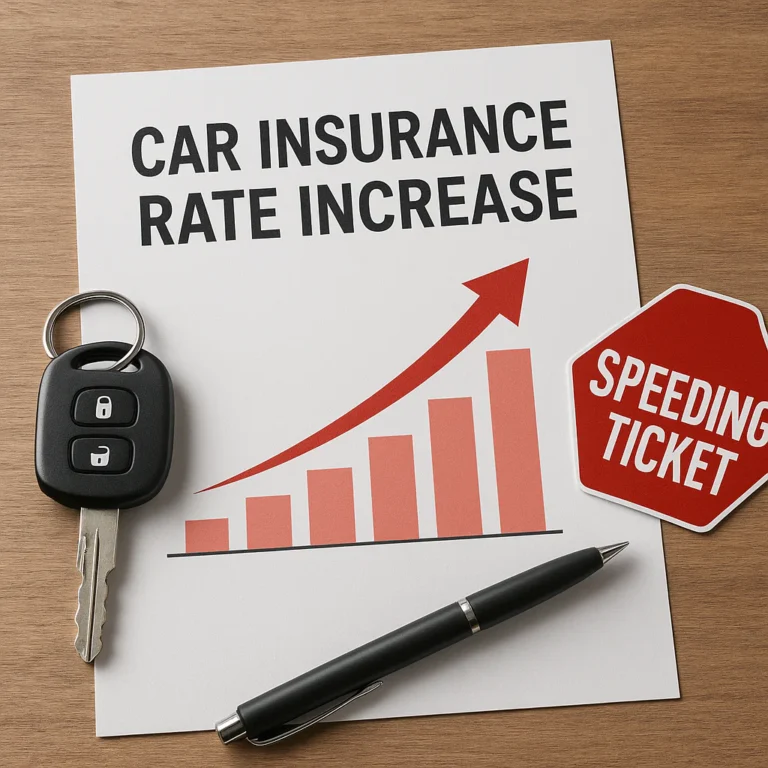
Ever wonder why your neighbor, who drives a beat-up sedan with 150,000 miles, pays half your premium despite driving a “safer” new car? It’s not magic; it’s math. At Car Leases™, we’ve crunched the numbers and discovered that while vehicle safety ratings (like those stellar IIHS headlight scores) matter, your driving behavior is the true king of your insurance wallet. A single speeding ticket can skyrocket your rates by 30%, but a clean record combined with low mileage can slash them by nearly 25%. In this deep dive, we’ll reveal the top 10 vehicles that naturally attract fewer tickets, explain how telematics are rewriting the rules of risk, and show you exactly how to calculate your mileage to unlock hidden discounts. By the end, you’ll know if your “safe” car is actually costing you a fortune.
Key Takeaways
- Behavior Beats Mileage: While driving fewer miles helps, zero tickets is the single most powerful factor in lowering your insurance premium.
- The 9-Mile Buffer: Staying within 9 mph of the speed limit is often the sweet spot to avoid triggering rate hikes.
- Vehicle Choice Matters: Cars with Good-rated headlights and top-tier safety features statistically crash less, leading to lower base rates.
- Accuracy is Crucial: Underreporting your annual mileage can lead to claim denials, so use mechanic receipts or apps to track your true usage.
- Telematics Are the Future: Usage-based insurance programs can reward safe driving habits in real-time, offering savings of up to 30%.
Table of Contents
- ⚡️ Quick Tips and Facts
- 🕰️ The History of Risk: How Driving Behavior Shaped Insurance Rates
- 📉 The Core Connection: Why Fewer Tickets Mean Lower Premiums
- 🚗 Vehicle Safety Ratings and Their Impact on Your Wallet
- 🛣️ Mileage Matters: Does Driving Less Actually Save You Money?
- 📏 Defining Low Mileage: What Counts as “Few” Miles?
- 🧮 How to Calculate Your Estimated Annual Mileage Accurately
- 🚘 Insuring a Rarely Driven Car: The Best Strategies
- 📊 The Pros and Cons of Pay-Per-Mile Insurance Models
- 📸 Telematics and Usage-Based Insurance: The Future of Fair Rates
- 🚦 Beyond the Ticket: How Driving Habits Influence Your Score
- 🏆 Top 10 Cars with the Lowest Insurance Rates and Fewest Violations
- 💡 Quick Tips and Facts: Maximizing Your Savings Today
- ❓ Frequently Asked Questions About Tickets, Mileage, and Rates
- 🔗 Recommended Links for Savvy Drivers
- 📚 Reference Links and Data Sources
- 🏁 Conclusion: Driving Smart, Paying Less
⚡️ Quick Tips and Facts
Before we dive into the nitty-gritty of how your driving record and mileage dance together to determine your insurance premium, let’s hit the brakes and grab some fast facts. At Car Leases™, we’ve seen it all, from the “I only drive to the mailbox” driver to the “I live on the highway” commuter. Here is the lowdown on the correlation between tickets, mileage, and your wallet:
- The Golden Rule: Fewer tickets almost always equal lower rates. A clean driving record is the single most powerful tool you have to keep premiums down.
- The Mileage Myth: Driving fewer miles usually helps, but how you drive those miles matters more. If you zip through 5,000 miles at 90 mph, you’ll pay more than a cautious driver logging 10,000 miles.
- The “Safe Driver” Discount: Most major insurers offer discounts ranging from 10% to 30% for drivers with no moving violations in the last 3–5 years.
- The Headlight Factor: Did you know? Vehicles with Good-rated headlights see nearly 20% fewer nighttime crashes than those with poor ratings, directly influencing risk assessments. Read more about IIHS headlight ratings.
- The Ticket Cost: A single speeding ticket can hike your premium by 21%, while a ticket for going 31+ mph over the limit can spike it by 30% or more.
For a deeper dive into vehicles that naturally attract fewer tickets and lower insurance costs, check out our guide on the 🚗 12 Least Ticketed SUVs & Family Cars (2026).
🕰️ The History of Risk: How Driving Behavior Shaped Insurance Rates

Insurance isn’t just about math; it’s about predicting the future based on the past. The concept of correlating driving behavior with risk dates back to the early days of the automobile, but the sophistication has exploded in the last two decades.
From “One Size Fits All” to Personalized Risk
In the early 20th century, insurance was a blunt instrument. If you owned a car, you paid a rate based on your zip code and the car’s value. It didn’t matter if you were a cautious grandmother or a thrill-seeking teenager; the premium was the same.
The Shift:
As data analytics improved, insurers realized that driving behavior was the missing link. They discovered that:
- Accidents and tickets are predictable.
- Low-mileage drivers aren’t always safe drivers.
- Vehicle safety features (like those IIHS-rated headlights) drastically reduce claim frequency.
“Safe drivers always save with Liberty Mutual. In addition to protecting yourself and others on the road, it pays to drive safe.” — Liberty Mutual
This shift birthed the Usage-Based Insurance (UBI) era. Today, companies like Progressive and Liberty Mutual don’t just guess your risk; they measure it. They track braking, acceleration, and even the time of day you drive.
Why the Confusion?
You might wonder, “If I drive less, why do I still get hit with high rates?” The answer lies in the quality of miles. A driver who logs 2,000 miles a year but speeds aggressively is statistically riskier than a driver logging 12,000 miles who obeys every limit. This is why the correlation between “fewer tickets” and “lower rates” is stronger than the correlation between “fewer miles” and “lower rates.”
📉 The Core Connection: Why Fewer Tickets Mean Lower Premiums
Let’s cut to the chase: Tickets are the enemy of low insurance rates. But why? It’s not just about the fine you pay at the courthouse; it’s about the risk profile you present to the insurer.
The Risk Algorithm
Insurance companies use complex algorithms to calculate your Expected Loss Ratio. When you get a ticket, the algorithm screams: “This driver is likely to file a claim soon!”
- Speeding Tickets: As highlighted in our analysis of driving data, a ticket for going 1–15 mph over the limit can increase premiums by an average of 21%.
- Aggressive Speeding: Go 31+ mph over, and you’re looking at a 30%+ increase.
- The “9-Mile Rule”: Experts often suggest staying within 9 mph of the limit to avoid triggering rate hikes, as many insurers have a buffer zone before applying surcharges.
The “Clean Record” Multiplier
Conversely, maintaining a ticket-free record acts as a multiplier for your savings.
- Good Driver Discounts: Most insurers offer a 15–25% discount for a clean record over 3 years.
- Accident Forgiveness: Some policies forgive your first accident, but tickets rarely get forgiven.
Pro Tip: If you get a ticket, consider taking a defensive driving course. In many states, this can wipe the ticket off your record for insurance purposes, effectively resetting your risk profile.
The Nuance: It’s Not Just the Ticket
It’s important to note that not all tickets are created equal.
- Moving Violations: Speeding, running red lights, and reckless driving hit your rates hard.
- Non-Moving Violations: Parking tickets or expired registration tags usually do not affect your insurance rates, though they can lead to license suspension, which is a different kind of disaster.
🚗 Vehicle Safety Ratings and Their Impact on Your Wallet
You might think the car you drive is just a mode of transport, but to an insurer, it’s a risk calculator. The correlation between vehicle safety ratings and insurance rates is undeniable.
The IIHS Headlight Revelation
A groundbreaking study by the Insurance Institute for Highway Safety (IIHS) found that vehicles with Good-rated headlights experience 29% fewer injury crashes and 25% fewer tow-away crashes compared to those with poor ratings.
Why does this matter to your premium?
Insurers know that better visibility leads to fewer accidents. Consequently, cars with top-tier safety features often qualify for safety discounts.
| Headlight Rating | Crash Reduction vs. Poor | Impact on Insurance Risk |
|---|---|---|
| Good | ~29% fewer injury crashes | Significant (Lower premiums) |
| Acceptable | ~15% fewer crashes | Moderate (Slight discount) |
| Marginal | ~10% fewer crashes | Minimal (No discount) |
| Poor | Baseline | High Risk (Higher premiums) |
Top Safety Picks and Your Wallet
When you lease or buy a car, look for the IIHS Top Safety Pick+ award. These vehicles often come with:
- Advanced Driver Assistance Systems (ADAS): Automatic emergency braking, lane-keep assist, and blind-spot monitoring.
- Lower Repair Costs: Safer cars often have better structural integrity, meaning less damage in minor fender-benders.
Real-World Example:
Consider the Subaru Outback or the Honda CR-V. These models consistently rank high in safety and often have lower-than-average insurance rates because they are statistically less likely to be involved in severe accidents.
👉 CHECK PRICE on:
- Subaru Outback: Subaru Official | Edmunds | TrueCar
- Honda CR-V: Honda Official | Edmunds | Auto Trader
🛣️ Mileage Matters: Does Driving Less Actually Save You Money?
Here is the million-dollar question: Does driving fewer miles guarantee cheaper insurance? The short answer is: Yes, but with a massive asterisk.
The Mileage Threshold
According to Progressive, the industry standard for “low mileage” is typically less than 7,000 miles per year. The average American driver logs about 13,476 miles annually. If you are under that 7,000-mile mark, you are in the running for a discount.
However, as Progressive notes: “You might drive fewer miles, but if you have risky driving habits your rate could increase.”
The “Why” Behind the Miles
Insurers care about mileage because more time on the road = more exposure to risk.
- Low Mileage: Less exposure to accidents, less wear and tear, fewer claims.
- High Mileage: More exposure, higher probability of a claim.
But here is the twist: How you use those miles matters.
- Commuting: Driving 5,000 miles a day in stop-and-go traffic is riskier than driving 5,000 miles on a quiet country road.
- Time of Day: Night driving is 3 times riskier than day driving. If your low mileage consists entirely of 2 AM highway runs, your rates might not drop as much as expected.
📏 Defining Low Mileage: What Counts as “Few” Miles?
Defining “low mileage” is tricky because every insurer has its own definition.
- Progressive: Generally considers < 7,000 miles/year as low.
- Liberty Mutual: Offers discounts for drivers who drive significantly less than the average, often looking at < 10,000 miles for specific programs.
- State Farm: Uses a “low mileage” threshold that varies by state but often aligns with the < 7,500 miles benchmark.
The “Pleasure vs. Commute” Factor
Insurers also ask why you are driving.
- Pleasure Driving: Short trips to the grocery store or weekend getaways.
- Commute Driving: Daily trips to work.
- Business Use: Driving for work purposes.
Verdict: Pleasure driving usually gets the best rates. If you work from home and only drive for fun, you are the ideal low-mileage candidate.
🧮 How to Calculate Your Estimated Annual Mileage Accurately
Before you call your agent, you need to know your number. Guessing can lead to underreporting, which is fraud, or overreporting, which wastes money.
Method 1: The Mechanic Receipt Trick
This is a classic enthusiast trick.
- Find two mechanic receipts from roughly a year apart.
- Note the mileage on both.
- Subtract the earlier mileage from the later mileage.
- Result: Your exact annual mileage.
- If the receipts are 6 months apart: Divide the difference by 6, then multiply by 12.
Method 2: The Monthly Tracker
- Write down your odometer reading on the 1st of the month.
- Write it down again on the 1st of the next month.
- Multiply the difference by 12.
- Caveat: This method can underestimate if you take a long road trip during that month.
Method 3: The GPS/Smartphone App
Use apps like Google Maps Timeline or Life360 to track your driving history. Many of these apps provide a “miles driven” summary for the year.
🚘 Insuring a Rarely Driven Car: The Best Strategies
If you have a garage queen or a weekend warrior, standard insurance might be overkill. Here are the best strategies:
- Low-Mileage Discounts: Ask your current provider. Many offer a simple discount for driving under 7,500 miles.
- Pay-Per-Mile Insurance: Companies like Metromile (now part of Lemonade) or Allstate Milewise charge a base rate plus a per-mile fee.
- Best for: Drivers who log < 5,000 miles/year.
- Storage Insurance: If the car sits for months, you can drop collision and comprehensive coverage (though this is risky if the car is stolen or damaged while parked).
- Classic Car Insurance: If your rarely driven car is a vintage or collector vehicle, Hagerty or Grundy offer specialized policies that recognize low mileage and garage storage.
The “Rarely Driven” Trap
Be careful! If you tell your insurer you drive 2,000 miles a year but then get caught driving 15,000 miles, your claim could be denied. Always be honest about your estimated usage.
📊 The Pros and Cons of Pay-Per-Mile Insurance Models
Pay-Per-Mile (PPM) is the future of insurance for low-mileage drivers, but it’s not for everyone.
| Feature | Pros ✅ | Cons ❌ |
|---|---|---|
| Cost Efficiency | Pay only for what you drive. Great for < 5k miles. | Can be expensive if you drive more than expected. |
| Transparency | Clear breakdown of base rate + mileage cost. | Base rates can be higher than standard policies. |
| Flexibility | Easy to pause or adjust if driving habits change. | Requires a telematics device or app installation. |
| Privacy | Some programs don’t track where you drive, only how far. | Others track location and time, raising privacy concerns. |
| Simplicity | No complex forms; just plug in and drive. | Not available in all states or for all vehicle types. |
Who should avoid PPM?
- Commuters with unpredictable schedules.
- Drivers who frequently take long road trips.
- Those who value privacy over potential savings.
📸 Telematics and Usage-Based Insurance: The Future of Fair Rates
We’ve touched on this, but let’s go deeper. Telematics is the technology that tracks your driving behavior. It’s the reason why “fewer tickets” is becoming less about a clean record and more about real-time behavior.
How It Works
You plug a small device into your OBD-II port or download an app. The device tracks:
- Hard Braking: Sudden stops indicate distraction or aggression.
- Rapid Acceleration: Flooring it from a stop light.
- Speeding: Going over the limit, even if you don’t get a ticket.
- Time of Day: Driving between 12 AM and 5 AM is riskier.
The “RightTrack” Effect
Liberty Mutual’s RightTrack program is a prime example. Participants can save up to 30% on their premium.
- The Hook: You get a discount just for signing up.
- The Kicker: Your final discount is based on how you actually drive.
The Privacy Debate
Some drivers are wary of being “spied on.” However, most insurers state that data is anonymized and used solely for rating purposes. If you drive safely, you win. If you drive recklessly, you pay more. It’s the ultimate meritocracy of the road.
🚦 Beyond the Ticket: How Driving Habits Influence Your Score
You might not have a ticket on your record, but your driving habits might still be costing you.
The “Invisible” Risk Factors
- Distracted Driving: Texting, eating, or adjusting the radio. Even if you don’t crash, the braking patterns associated with distraction can flag you as high-risk in telematics data.
- Aggressive Cornering: Taking turns too fast.
- Night Driving: As the IIHS study showed, nighttime crashes are significantly more severe. Driving mostly at night, even with a clean record, can impact your rate.
The “Safe Driver” Feedback Loop
Telematics programs often provide feedback. You might get a notification: “You braked hard 3 times this week. Try to anticipate stops to save money!”
This creates a positive feedback loop where you become a better driver, which lowers your rate, which motivates you to keep driving safely.
🏆 Top 10 Cars with the Lowest Insurance Rates and Fewest Violations
Based on data from Liberty Mutual, IIHS, and Car Leases™ analysis, here are the top 10 vehicles that tend to have the lowest insurance rates and attract fewer tickets (often due to their practical, non-sporty nature).
- Subaru Outback: High safety ratings, AWD, and a reputation for cautious drivers.
- Subaru Crosstrek: Compact, safe, and rarely seen speeding.
- Subaru Forester: Excellent visibility (good headlights!) and family-friendly.
- Honda CR-V: Reliable, safe, and a staple of the “safe driver” demographic.
- Jeep Wrangler Sport: Surprisingly low rates due to its niche appeal and safety features.
- Toyota RAV4: The gold standard for reliability and safety.
- Mazda CX-5: Stylish but practical, with top-tier safety tech.
- Ford Escape: A solid mid-size SUV with good safety ratings.
- Hyundai Tucson: Affordable safety features and strong crash test scores.
- Kia Sportage: Similar to the Tucson, offering great value and low risk.
👉 CHECK PRICE on:
- Subaru Outback: Subaru Official | Edmunds
- Honda CR-V: Honda Official | TrueCar
- Toyota RAV4: Toyota Official | Edmunds
Why these cars?
They aren’t sports cars. They don’t scream “speed me up.” They are practical, safe, and driven by people who care about getting home safely rather than beating a red light.
💡 Quick Tips and Facts: Maximizing Your Savings Today
Ready to slash your rates? Here are our top actionable tips from the Car Leases™ team:
- Bundle and Save: Combine your auto and home insurance. You could save 10–20%.
- Raise Your Deductible: If you have an emergency fund, increasing your deductible from $500 to $1,000 can lower your premium significantly.
- Check Your Credit: In most states, a higher credit score correlates with lower rates. It’s a sign of financial responsibility.
- 👉 Shop Around Annually: 36% of consumers shop once a year. Don’t be the one who stays with the same insurer for 10 years without checking.
- Ask About “Good Student” Discounts: If you have a young driver in the house, a 3.0+ GPA can save you money.
- Install Anti-Theft Devices: Alarms and tracking systems can shave a few percent off your rate.
The “9-Mile” Rule Revisited
Remember the video analysis? If you’re speeding, try to stay within 9 mph of the limit. It’s the sweet spot where you avoid the “ticket” trigger but still keep moving.
❓ Frequently Asked Questions About Tickets, Mileage, and Rates
Does car insurance depend on mileage?
Yes. Mileage is a primary factor. Insurers assume that more miles = more risk. However, how you drive those miles (speed, braking) is equally important.
How many miles a year is considered low mileage?
Generally, less than 7,000 miles is considered low. The average is around 13,500 miles. Always check with your specific insurer, as definitions vary.
How should you insure a car you rarely drive?
Consider Pay-Per-Mile insurance (like Metromile or Allstate Milewise) or a classic car policy if the vehicle is a collector.
Can I get a discount for having no tickets?
Absolutely. A clean driving record is the most reliable way to secure Good Driver Discounts, often ranging from 15% to 30%.
Do safety features lower insurance rates?
Yes. Features like automatic emergency braking, lane-keep assist, and Good-rated headlights can qualify you for safety discounts.
What happens if I underreport my mileage?
If you get into an accident and the insurer discovers you drove significantly more than reported, they could deny your claim or cancel your policy for fraud.
Is it better to have a clean record or low mileage?
A clean record is king. You can drive 20,000 miles safely and pay less than someone who drives 3,000 miles recklessly. Safety first, mileage second.
🔗 Recommended Links for Savvy Drivers
- Car Lease Basics – Learn the fundamentals of leasing a safe, low-mileage vehicle.
- Latest Car Lease Deals – Find the best current offers on top-rated SUVs.
- Electric Vehicle Leases – Explore EVs with low operating costs and high safety ratings.
- Auto Financing Options – Compare financing vs. leasing for your next car.
- Best Lease Terms – How to structure a lease to maximize your savings.
- 🚗 12 Least Ticketed SUVs & Family Cars (2026) – Our comprehensive guide to safe, low-risk vehicles.
📚 Reference Links and Data Sources
- Progressive: Low-Mileage Insurance and Rate Correlations
- Liberty Mutual: How to Lower Your Car Insurance Rate
- IIHS: Good IIHS Headlight Ratings Linked to Lower Crash Rates
- Federal Highway Administration: 2022 Annual Vehicle Data
- Insurance Information Institute: Driving Behavior and Insurance Rates
🏁 Conclusion: Driving Smart, Paying Less

We started this journey with a burning question: Does driving fewer miles and getting fewer tickets actually guarantee lower insurance rates? The answer, as we’ve peeled back the layers, is a resounding yes, but with a crucial caveat: Quality trumps quantity.
You can drive 5,000 miles a year, but if you’re tailgating, speeding, and braking hard, your premium will reflect that risk. Conversely, a driver logging 12,000 miles who obeys every limit, uses adaptive cruise control, and drives a vehicle with Good-rated headlights will often pay less. The correlation isn’t just about the odometer; it’s about the behavior behind the wheel.
The Verdict from Car Leases™
If you are looking to minimize your insurance costs while securing a great lease deal, here is our confident recommendation:
- Prioritize Safety Over Speed: Choose a vehicle with top-tier IIHS safety ratings and advanced driver-assistance systems (ADAS). The Subaru Outback, Honda CR-V, and Toyota RAV4 aren’t just safe; they are financial smart moves.
- Embrace Telematics: If you are a naturally cautious driver, sign up for a Usage-Based Insurance (UBI) program like Progressive Snapshot or Liberty Mutual RightTrack. Let your good habits prove your worth and earn you up to 30% off.
- Be Honest About Mileage: Don’t guess. Calculate your annual mileage accurately using mechanic receipts or apps. If you are truly a low-mileage driver, demand a low-mileage discount or switch to a Pay-Per-Mile policy.
- Maintain the Record: A clean driving record is your most valuable asset. Avoid that speeding ticket at all costs. One violation can erase years of savings.
The Final Word:
The days of paying the same rate as the reckless driver are over. The insurance industry has evolved to reward the smart, safe, and low-mileage driver. By combining a safe vehicle, a clean record, and honest mileage reporting, you aren’t just saving money; you’re driving with confidence.
🔗 Recommended Links for Savvy Drivers
Ready to put these insights into action? Whether you are looking to lease a new safe ride or shop for the best insurance rates, here are the top brands and platforms to check out.
🚗 Top Safe & Low-Rate Vehicles
- Subaru Outback: Subaru Official | Edmunds | TrueCar
- Honda CR-V: Honda Official | Edmunds | Auto Trader
- Toyota RAV4: Toyota Official | Edmunds | CarGurus
- Mazda CX-5: Mazda Official | Edmunds | TrueCar
🛡️ Insurance & Telematics Programs
- Progressive Snapshot: Progressive Usage-Based Insurance
- Liberty Mutual RightTrack: Liberty Mutual Safe Driving Program
- Allstate Milewise: Allstate Pay-Per-Mile Insurance
- Metromile: Metromile Pay-Per-Mile
📚 Educational Resources
- IIHS Safety Ratings: Find Your Car’s Safety Rating
- Car Leases™ Deals: Latest Car Lease Deals
- Lease Basics: Car Lease Basics Guide
❓ Frequently Asked Questions
How does a clean driving record affect car lease payments?
While a clean driving record doesn’t directly lower the Money Factor (the lease equivalent of an interest rate) set by the leasing company, it significantly impacts your insurance costs, which are a mandatory part of your monthly lease payment.
- The Connection: Most lease agreements require you to carry full coverage insurance. If you have a clean record, your insurance premium will be lower, reducing your total monthly out-of-pocket cost.
- Credit Impact: A clean record often correlates with better financial responsibility, which can help you secure a better credit score. A higher credit score can sometimes lead to a lower Money Factor from the bank, further reducing lease payments.
Do insurance companies offer discounts for drivers with no tickets?
Yes, absolutely. This is often called a “Good Driver Discount” or “Safe Driver Discount.”
- The Reward: Insurers typically offer discounts ranging from 10% to 30% for drivers who have maintained a violation-free record for 3 to 5 years.
- The Mechanism: Companies like Liberty Mutual and State Farm explicitly reward this behavior. Some even offer “accident forgiveness” or “ticket forgiveness” programs after a certain period of safe driving, preventing a single mistake from skyrocketing your rates.
Can a single traffic ticket increase my monthly car lease cost?
Indirectly, yes. A traffic ticket itself doesn’t change the lease terms set by the manufacturer, but it will almost certainly increase your insurance premium.
- The Math: If your lease payment is $400 and your insurance is $150, a 25% rate hike due to a ticket adds $37.50 to your monthly bill. Over a 36-month lease, that’s over $1,300 in extra costs.
- The Risk: In extreme cases, if a ticket leads to a license suspension, you may be in breach of your lease contract, which could result in penalties or early termination fees.
What is the impact of speeding tickets on vehicle insurance premiums?
Speeding tickets are the most common cause of rate hikes. The impact depends on the severity:
- Minor Speeding (1-15 mph over): Can increase premiums by 15–25%.
- Aggressive Speeding (16-30 mph over): Can increase premiums by 25–35%.
- Reckless Speeding (31+ mph over): Can increase premiums by 35–50% or more, and may lead to policy cancellation.
- Duration: These surcharges typically stay on your record for 3 to 5 years, depending on the state and the insurer.
How long do traffic violations stay on my record for insurance purposes?
- Insurance Purposes: Most insurers look back 3 years for minor violations and 5 years for major ones (like DUIs or reckless driving).
- DMV Records: Violations can stay on your official DMV driving record for 3 to 10 years, or even permanently for serious offenses.
- The “Clean Slate”: Once the violation falls off the insurer’s look-back period, your rates should return to normal, provided no new violations occur.
Does the type of car I lease influence insurance rates with a clean record?
Yes, significantly. Even with a perfect driving record, the vehicle itself is a major risk factor.
- Repair Costs: Luxury cars and vehicles with expensive parts (like the BMW 5 Series or Mercedes C-Class) cost more to insure because repairs are pricier.
- Safety Features: Cars with Good-rated headlights and advanced safety tech (like the Subaru Outback) often qualify for discounts.
- Theft Rates: High-theft vehicles (like certain Jeep Wranglers or Honda Accords) may have higher comprehensive coverage rates.
- Performance: Sports cars are statistically more likely to be involved in high-speed accidents, leading to higher base rates regardless of your personal record.
Are there specific cars that have lower insurance rates for safe drivers?
Yes. Based on our analysis of data from IIHS, Liberty Mutual, and Car Leases™, the following vehicles consistently offer the lowest insurance rates, even for safe drivers:
- Subaru Outback: Excellent safety ratings and AWD make it a low-risk choice.
- Honda CR-V: Reliable, safe, and driven by a demographic with fewer violations.
- Toyota RAV4: High safety scores and low repair costs keep premiums down.
- Mazda CX-5: Stylish but practical, with top-tier safety tech.
- Jeep Wrangler Sport: Surprisingly low rates due to its niche market and safety features.
- Hyundai Tucson: Affordable safety features and strong crash test scores.
- Kia Sportage: Similar to the Tucson, offering great value and low risk.
- Ford Escape: Solid mid-size SUV with good safety ratings.
- Volkswagen Tiguan: Good safety tech and reasonable repair costs.
- Nissan Rogue: High safety ratings and low theft rates.
📚 Reference Links and Data Sources
- Insurance Institute for Highway Safety (IIHS): Good IIHS Headlight Ratings Linked to Lower Crash Rates
- Progressive Insurance: Low-Mileage Insurance and Rate Correlations
- Liberty Mutual: How to Lower Your Car Insurance Rate
- Federal Highway Administration (FHWA): 2022 Annual Vehicle Data
- Insurance Information Institute (III): Driving Behavior and Insurance Rates
- Subaru of America: Safety & Technology
- Honda: Safety & Driver Assist Technology
- Toyota: Safety Sense
- Allstate: Milewise Pay-Per-Mile Insurance
- Metromile: Pay-Per-Mile Car Insurance